
Wainuiomata boasts a rich history, with certain individuals and families playing pivotal roles in shaping its story over the years.
Edgar Hine
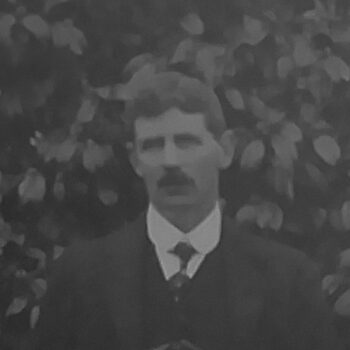
Edgar Hine (1870–1949) emigrated from Hemyock, Devon, England, to New Zealand in 1879 and later became a farmer in New Plymouth. Despite living in Taranaki, he significantly contributed to Wainuiomata’s development, resulting in Hine Road being named in his honour.
John Coleman
John Coleman was a contractor involved in Wellington’s earliest public water supply works. He won the contract to build a brick lined tunnel known as Black Creek Tunnel to house the 30-inch main and also carried out brick lining on a second tunnel which was known as Colemans Tunnel.
McIlvride Family
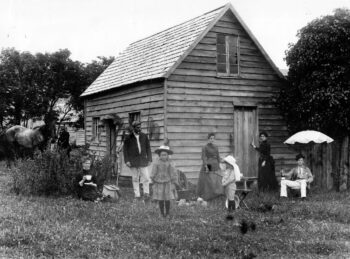
The McIlvride family were early settlers in Wainuiomata, arriving from Scotland in the mid-19th century. John McIlvride and his wife Mary Isabella established a small farm on what is now Moores Valley Road, where they raised their children and ran one of the area’s first post offices and general stores.
Norman Elias Willis
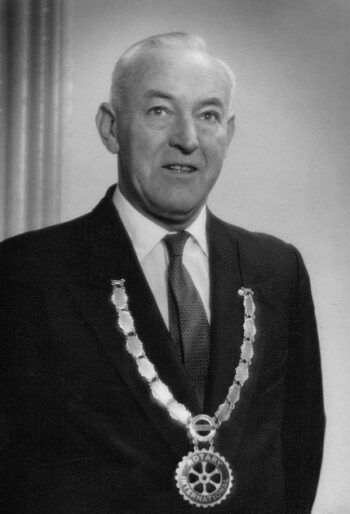
Norman Willis, a land developer and owner, established a subdivision in Homedale, Wainuiomata in the late 1950s to 1960s, which encompassed Hine Road, Sunny Grove, and Willis Grove, the latter being named in his honor. Sunny Grove was named by his daughter, Brenda Shirley Willis (1931–2014), who expressed a desire for sunshine on the day she was shown the site.
Prouse Family
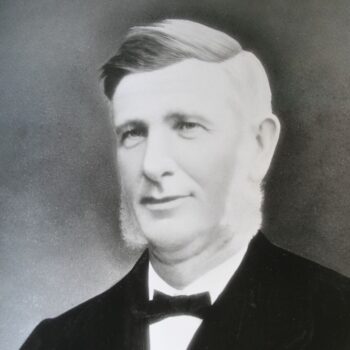 The Prouse family was central to Wainuiomata’s early history, playing a key role in milling the Coast Road valley and establishing farming operations. They recounted memories of a time when food shortages led to Māori raids in Wainuiomata and the brief excitement surrounding the discovery of gold at the present waterworks site.
Riddiford Family
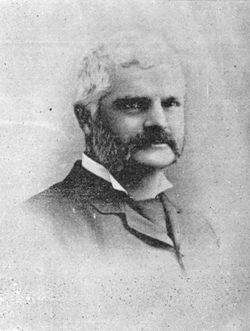 The Riddiford family has been a prominent part of Wainuiomata and New Zealand’s history since Daniel Riddiford arrived in 1840 and established Orongorongo Station. Over generations, they demonstrated resilience and leadership, enduring challenges like the 1855 earthquake while maintaining one of the longest family associations with a New Zealand station.
Sinclair Family
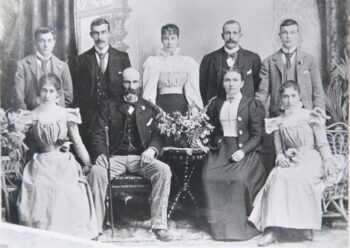 The Sinclair family had a significant influence on the valleys east of what is now known as Homedale. They owned land in Moores Valley, Sinclair Valley (Reservoir Valley), Skerretts Gully (Sunny Grove), and the area including and surrounding Hine Road. On this land, they ran a thriving timber milling business. However, the government, acting on behalf of the Wellington City Council, designated a portion of their property as a water catchment area for a dam to supply Wellington with water, restricting further logging in that zone. Faced with increased competition from forestry operations in the Hutt Valley and areas closer to the main Wairarapa line, the Sinclair family ultimately sold their assets during bankruptcy proceedings and departed Wainuiomata.
William Frank Oakes

William Frank Oakes (1840–1889) was a contractor and civil engineer known for his significant contributions to the Wainuiomata waterworks in New Zealand, including the construction of the long tunnel and water raceway that supported Wellington’s water supply. Despite his professional achievements, he faced financial difficulties and was declared bankrupt in 1877 while living in Wellington. Later relocating to Australia with his family, Oakes passed away in Lismore, New South Wales
William Hobbard Morton
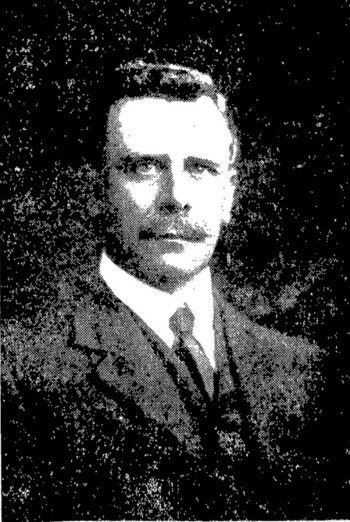
William Hobbard Morton (1866 to 1923) was Wellington’s Chief Engineer from 1904 and played a key role in developing the city’s early infrastructure. Trained in Melbourne, he brought experience in public works and water supply when he moved to Wellington, where he led major projects including the Morton Dam in Wainuiomata, built between 1908 and 1911.




DISCUSSION