A history tour retracing known sites and uncovering new details
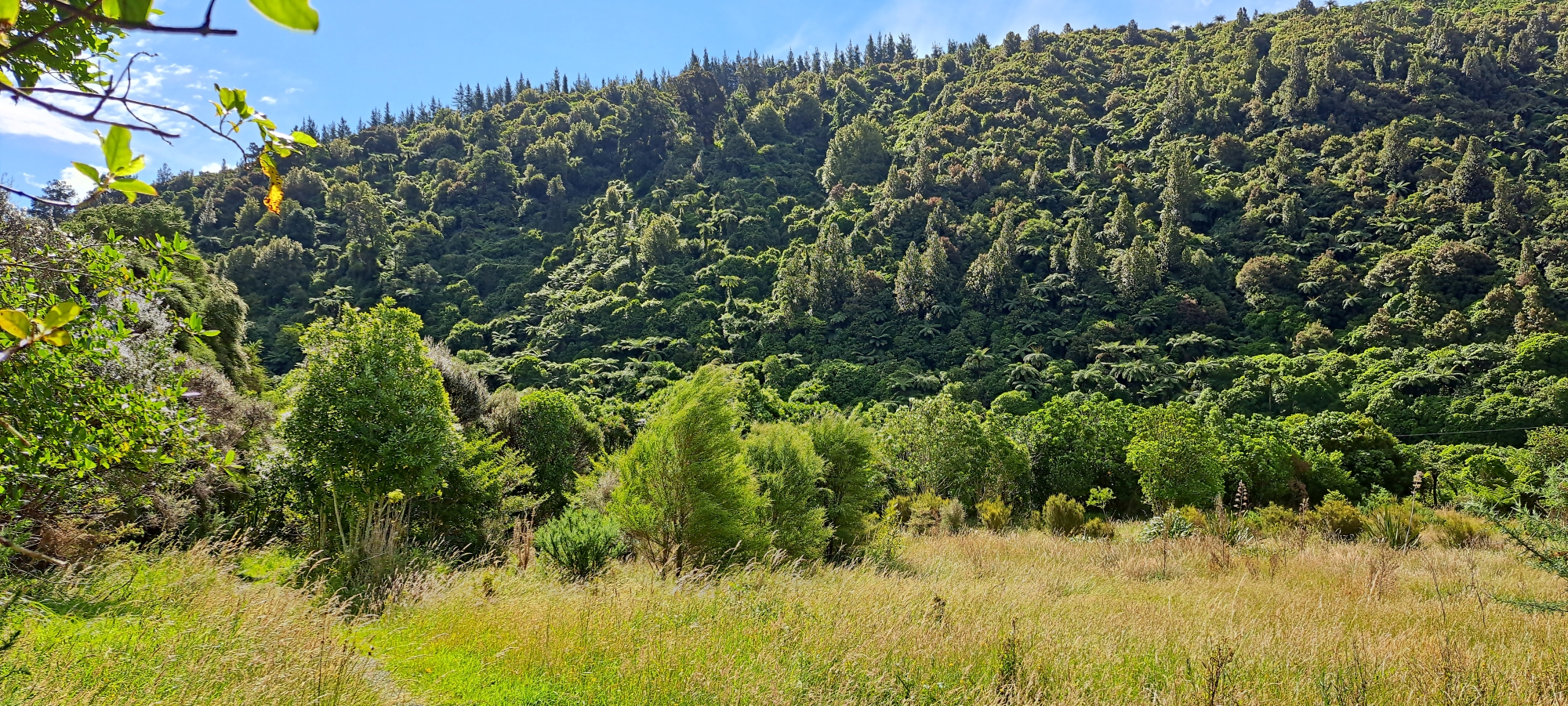
Today’s walk was a deliberate decision to retrace familiar ground rather than head deep into untouched bush. The aim was not exploration for its own sake, but to see whether returning to known locations might reveal overlooked or newly exposed historical features. With that in mind, I set myself a simple rule: photograph only artefacts I had not previously recorded, with the sole exception of a few reference images to show where new finds were located.
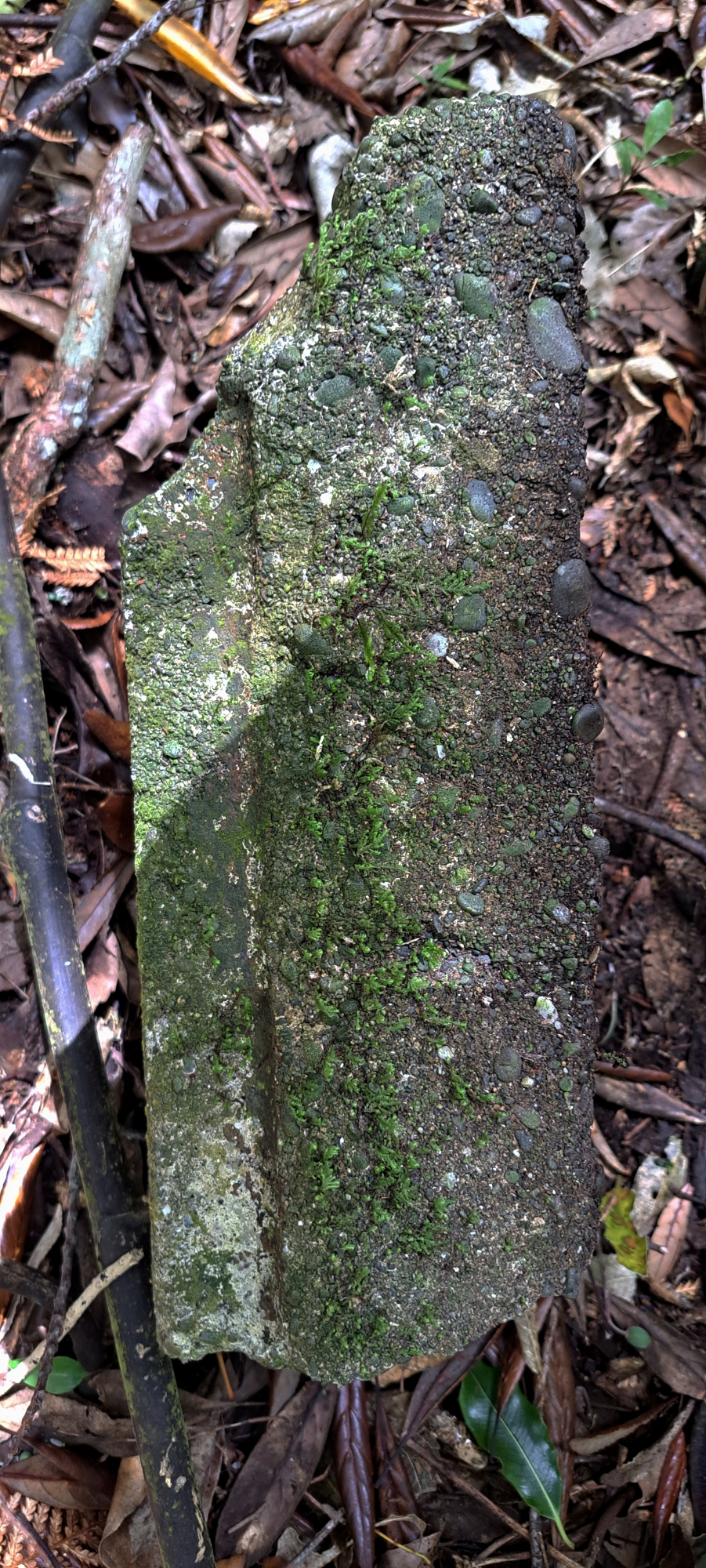
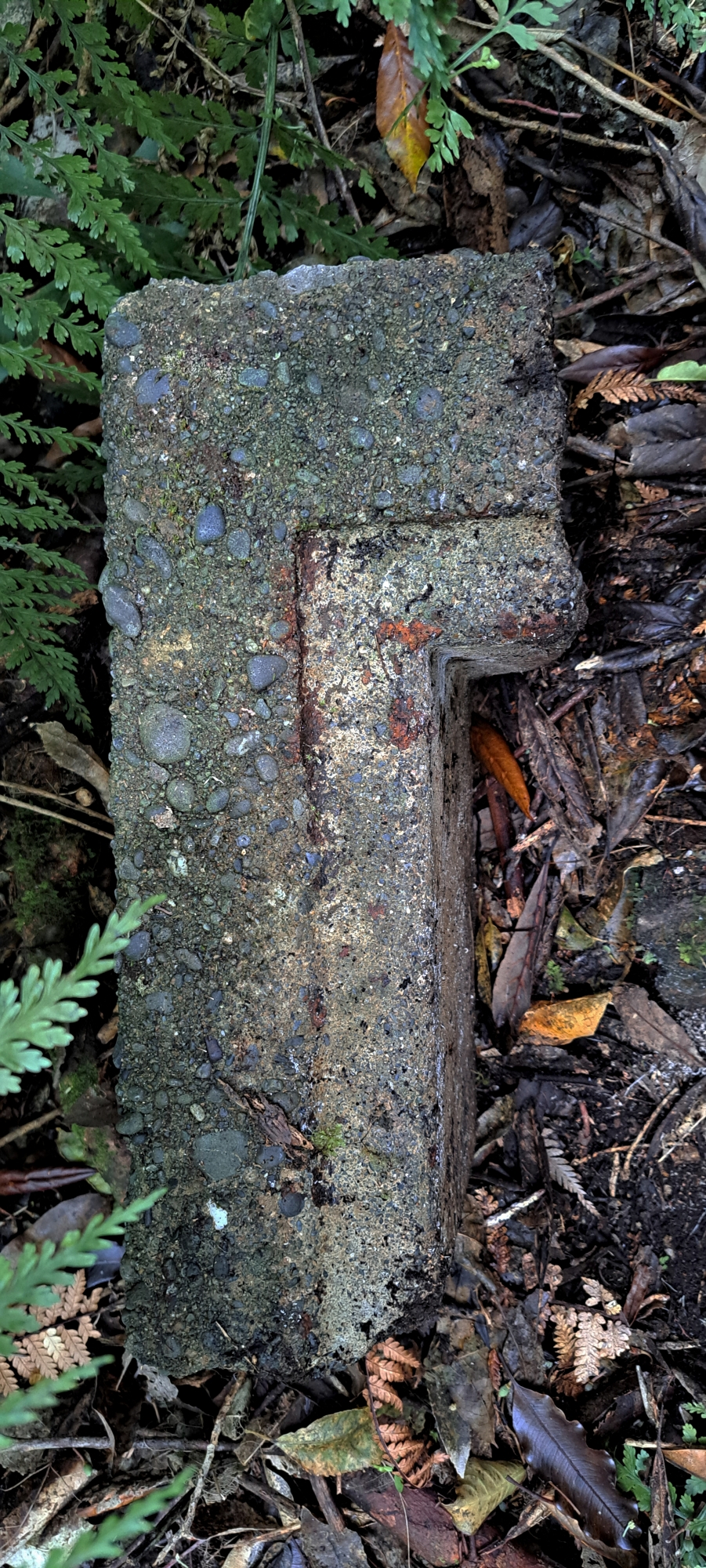
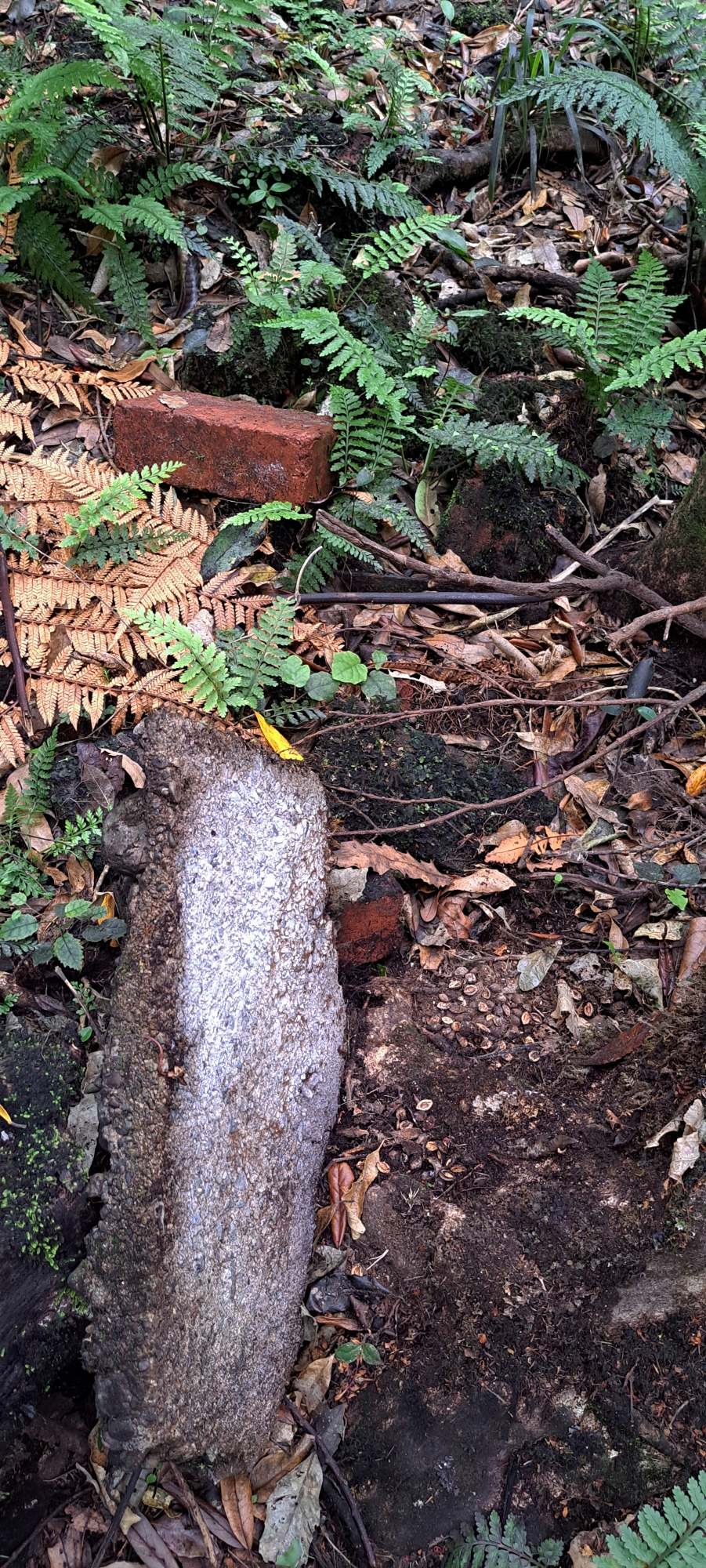
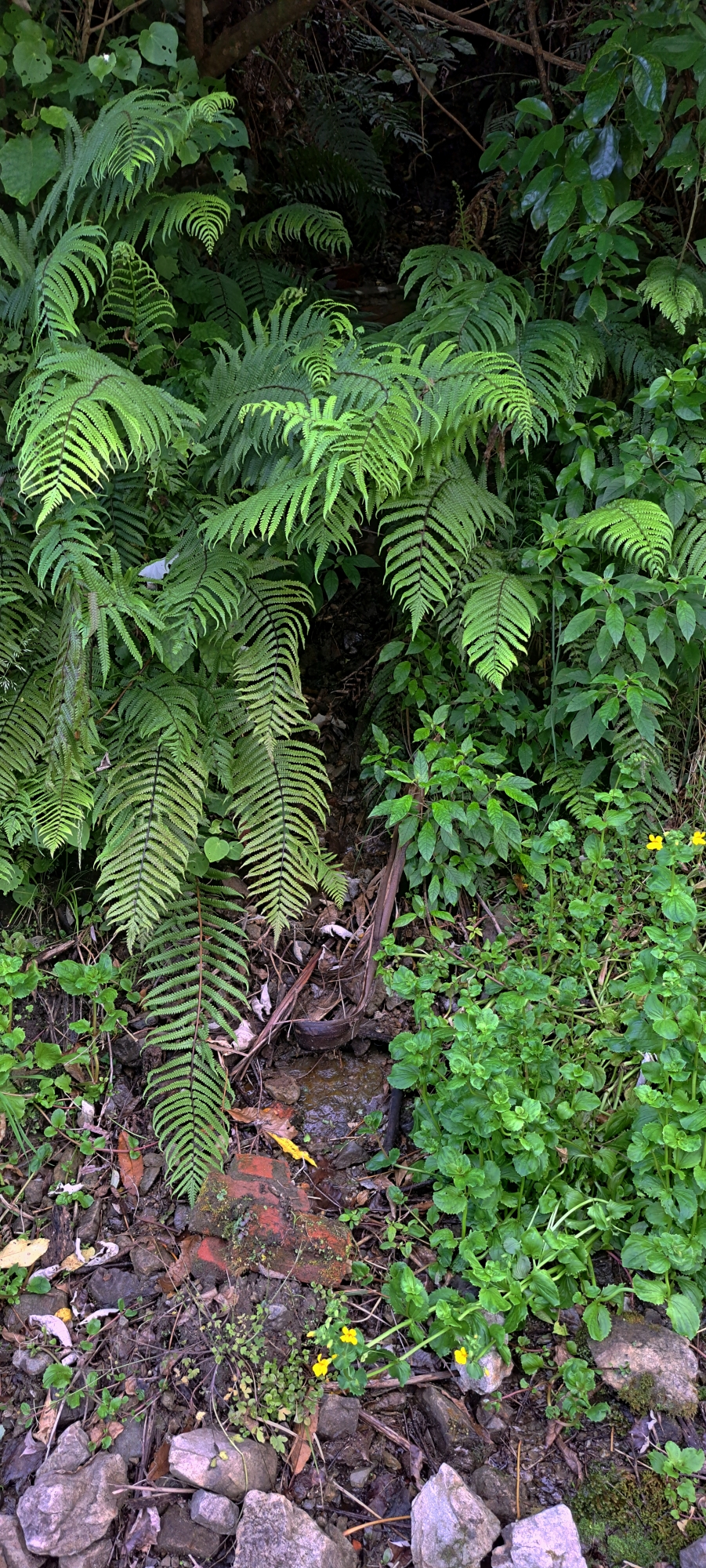
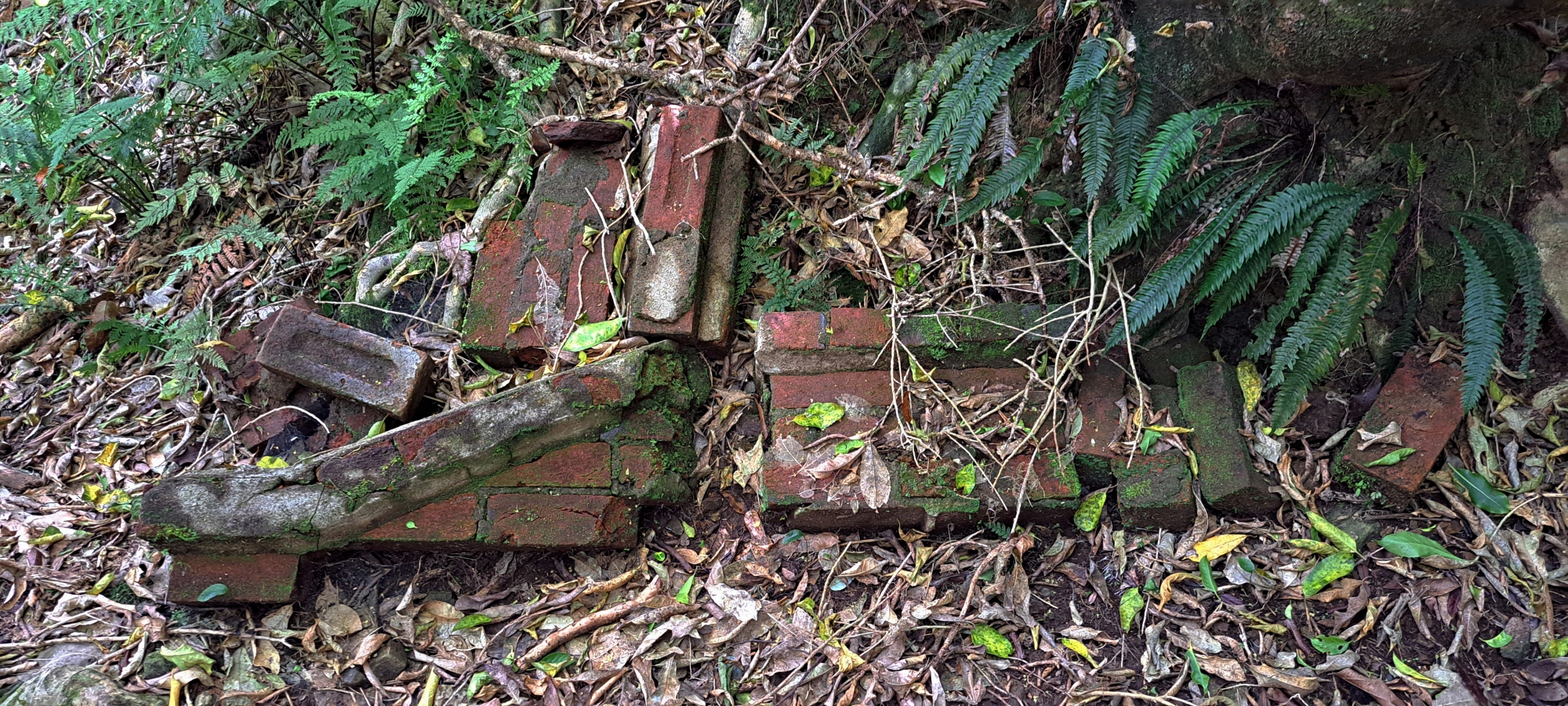
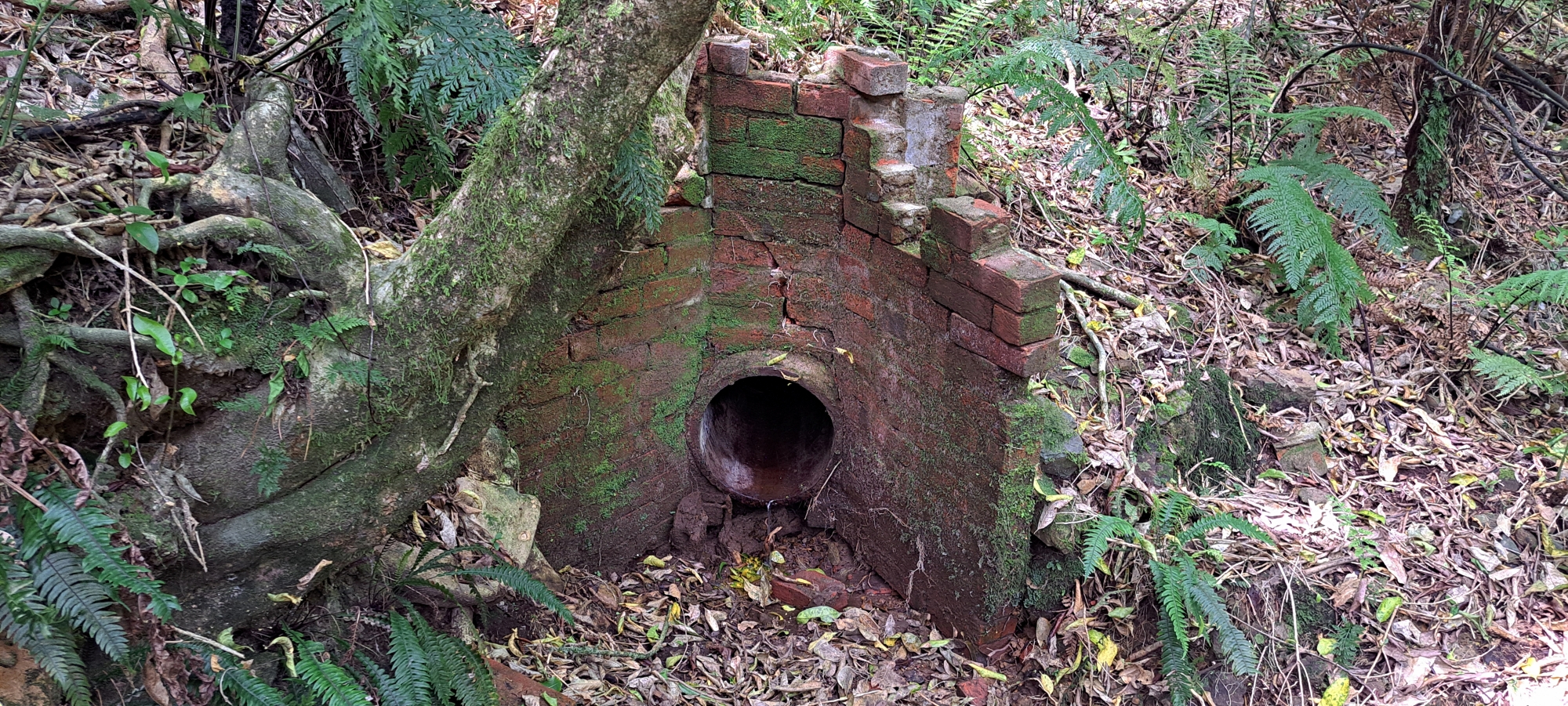
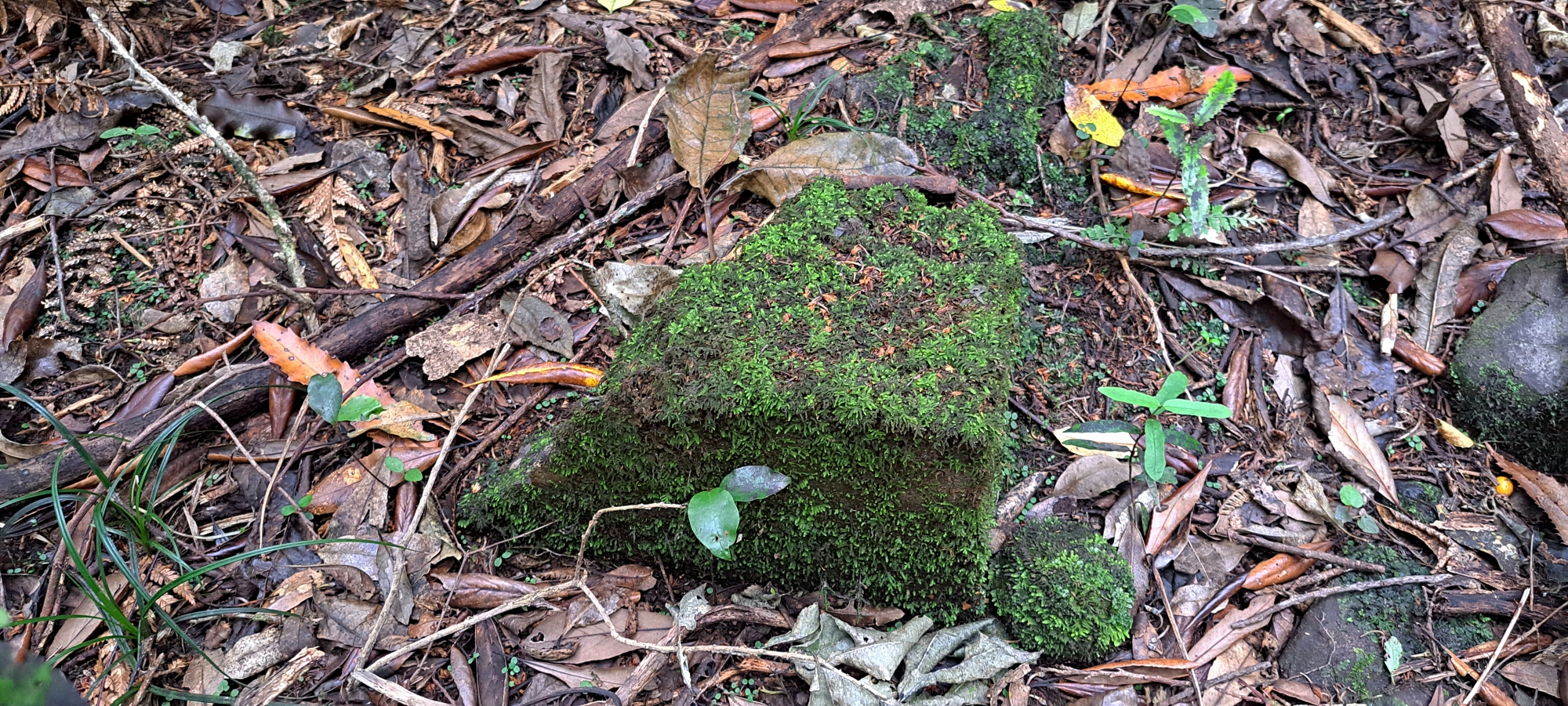
I began at the drainage pipe that passes beneath the earth bridge. Nearby, I photographed several loose bricks that no longer appear to be part of the original structure. A little further uphill, along an old track that may once have formed part of the water race track, I came across two concrete bricks I had not seen or photographed before. There are several bricks scattered in this area suggesting a small structure once stood here, or they could be remnants from the drainage pipe abutment as they look similar, but that would require them being moved uphill at some point.
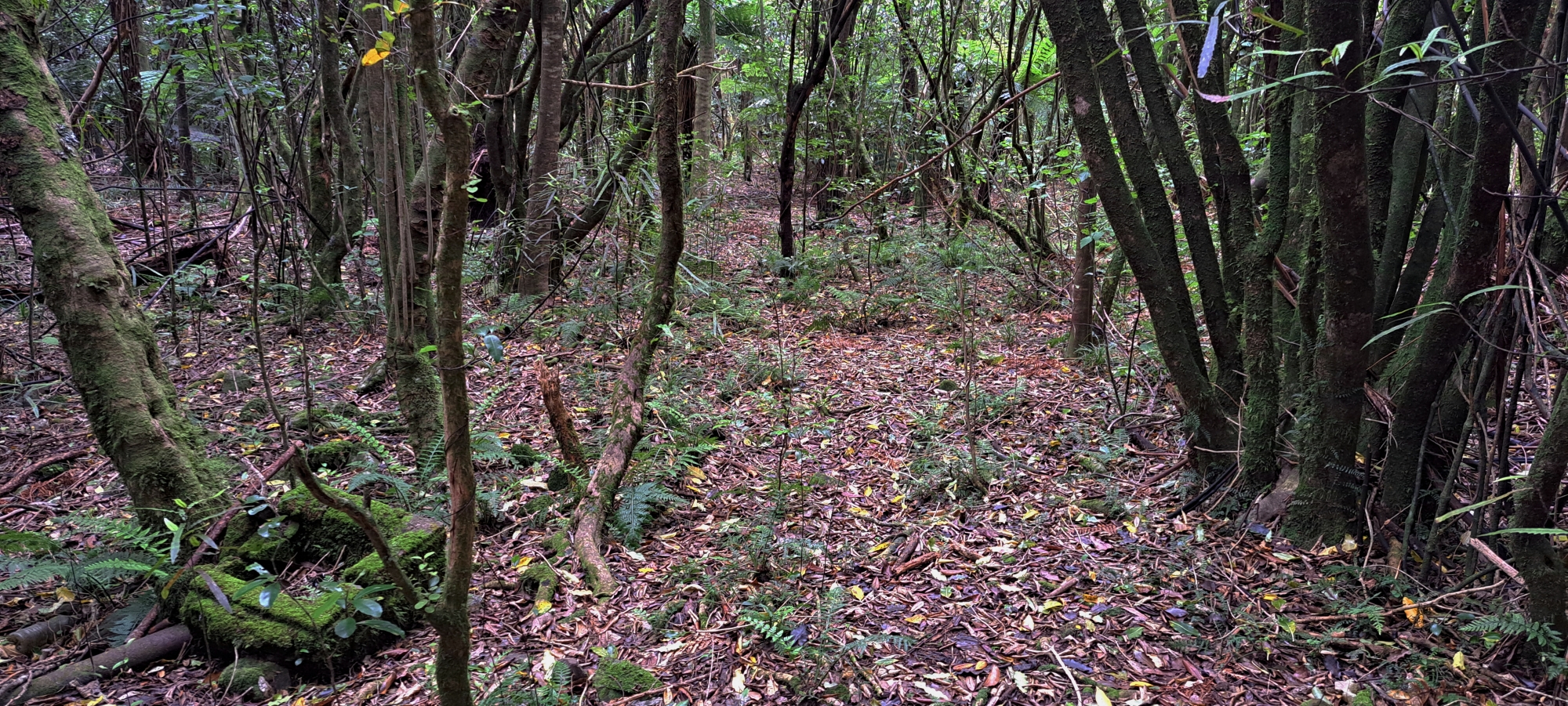
From there, I headed to a site I have visited many times before, beyond Sledge Track Creek, where there are clear signs of former huts or a camp. This area may date back to the Sinclair family logging era, or possibly to the later period when the old dam was under construction. However, historic photographs of the dam in the 1880s showing this area in the background reveal no obvious dwellings of any kind, raising the possibility that the site predates the 1880s.
Over time, this location has yielded a range of artefacts, including what looks like a chimney base, iron oven components, a sewing machine, fireplace grills, rail track section, metal file, bricks, concrete tiles or slabs, a large curved metal sheet, and buried piping. The question today was whether anything new remained to be found.
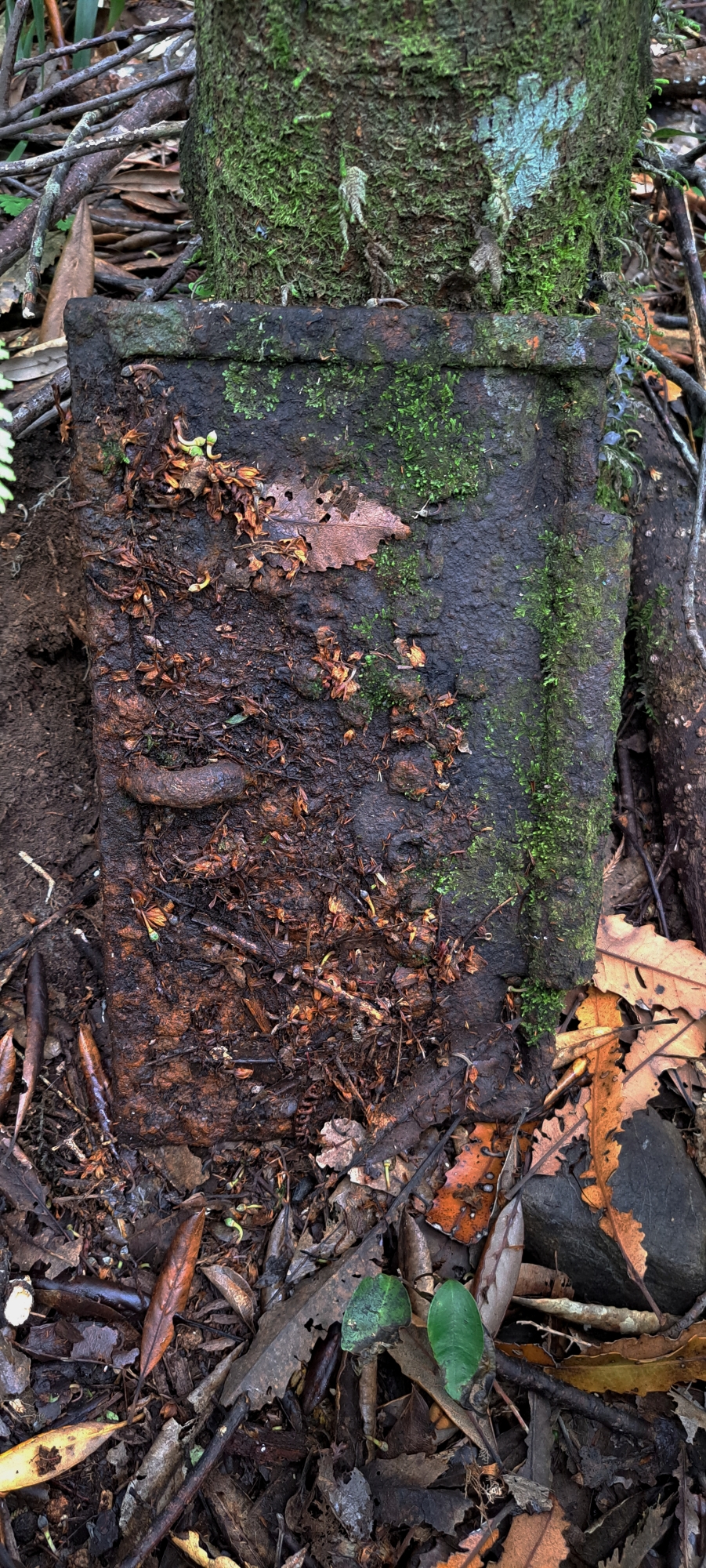
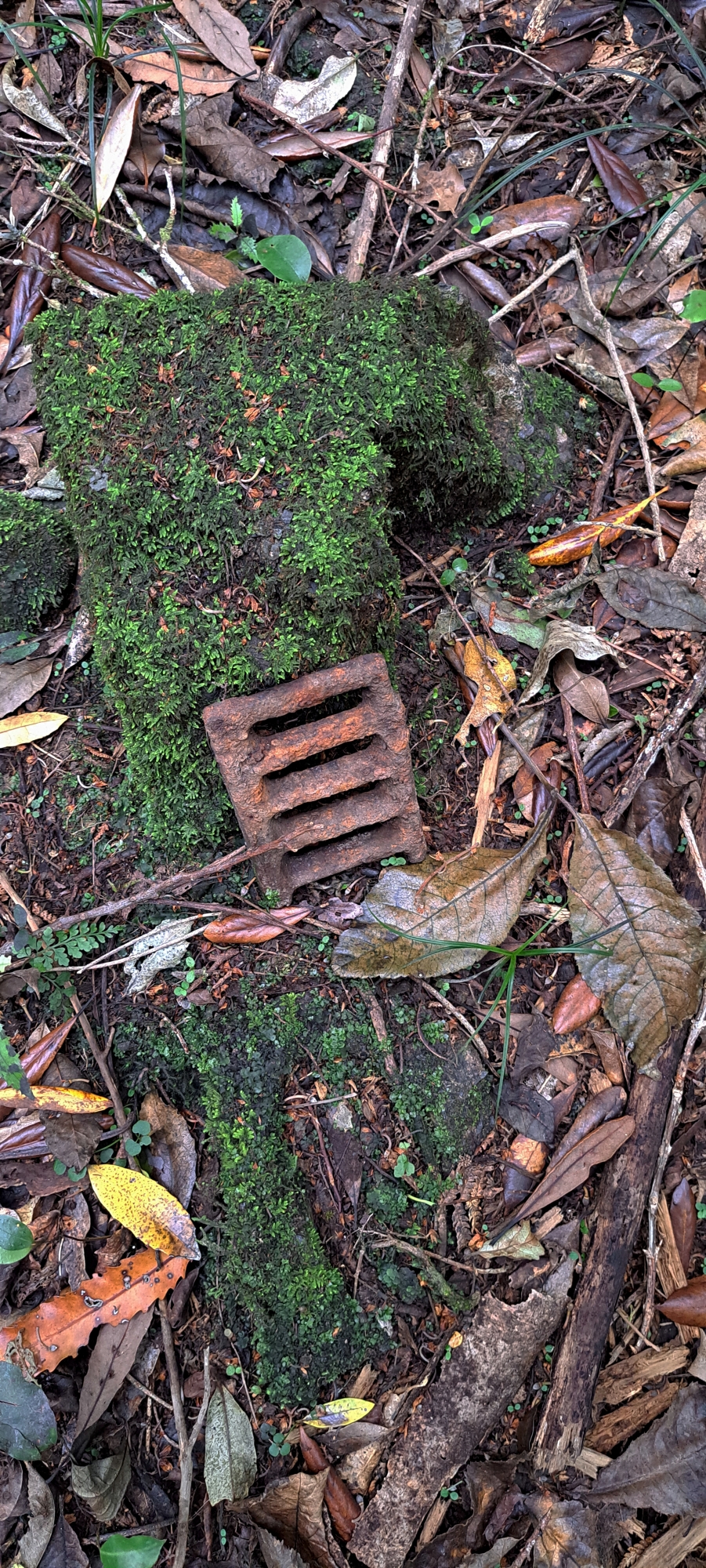
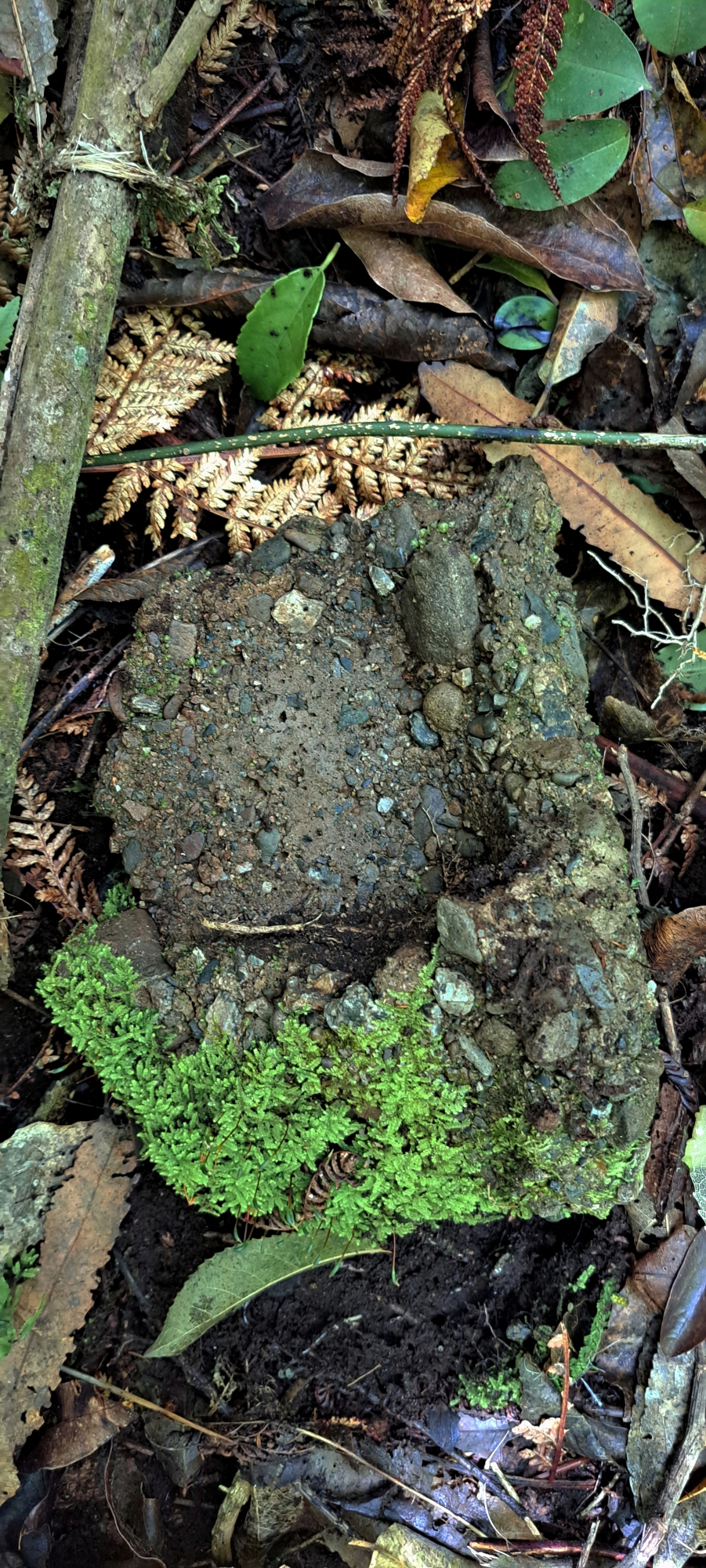
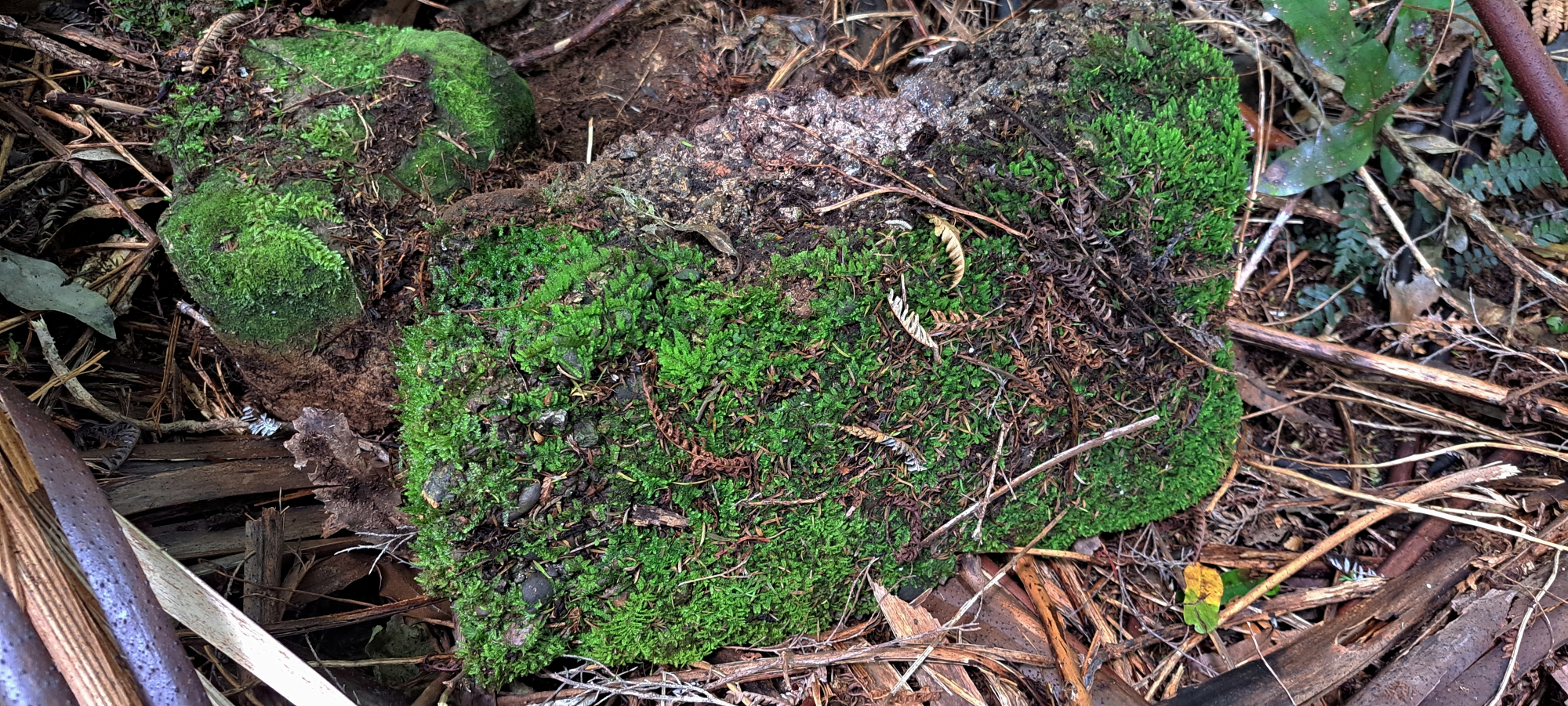
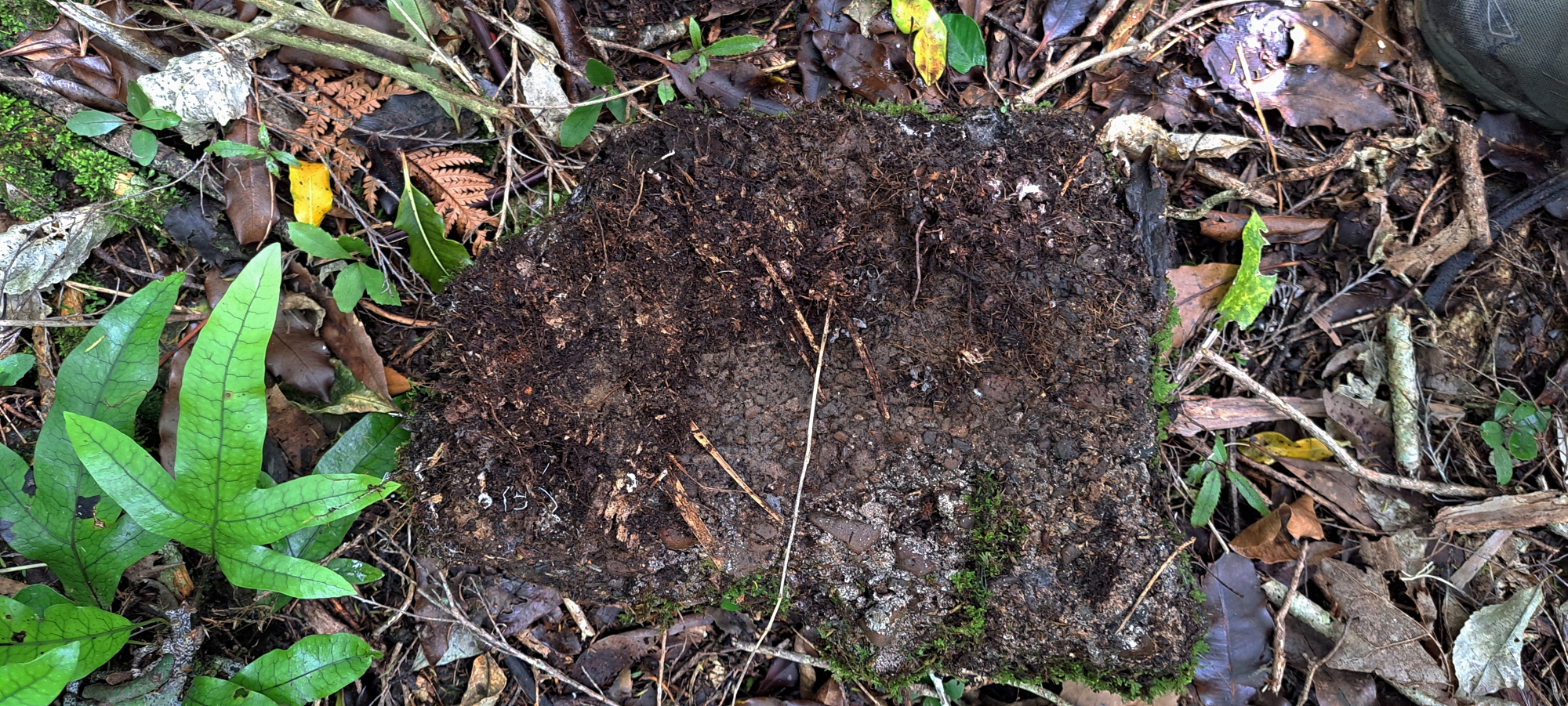
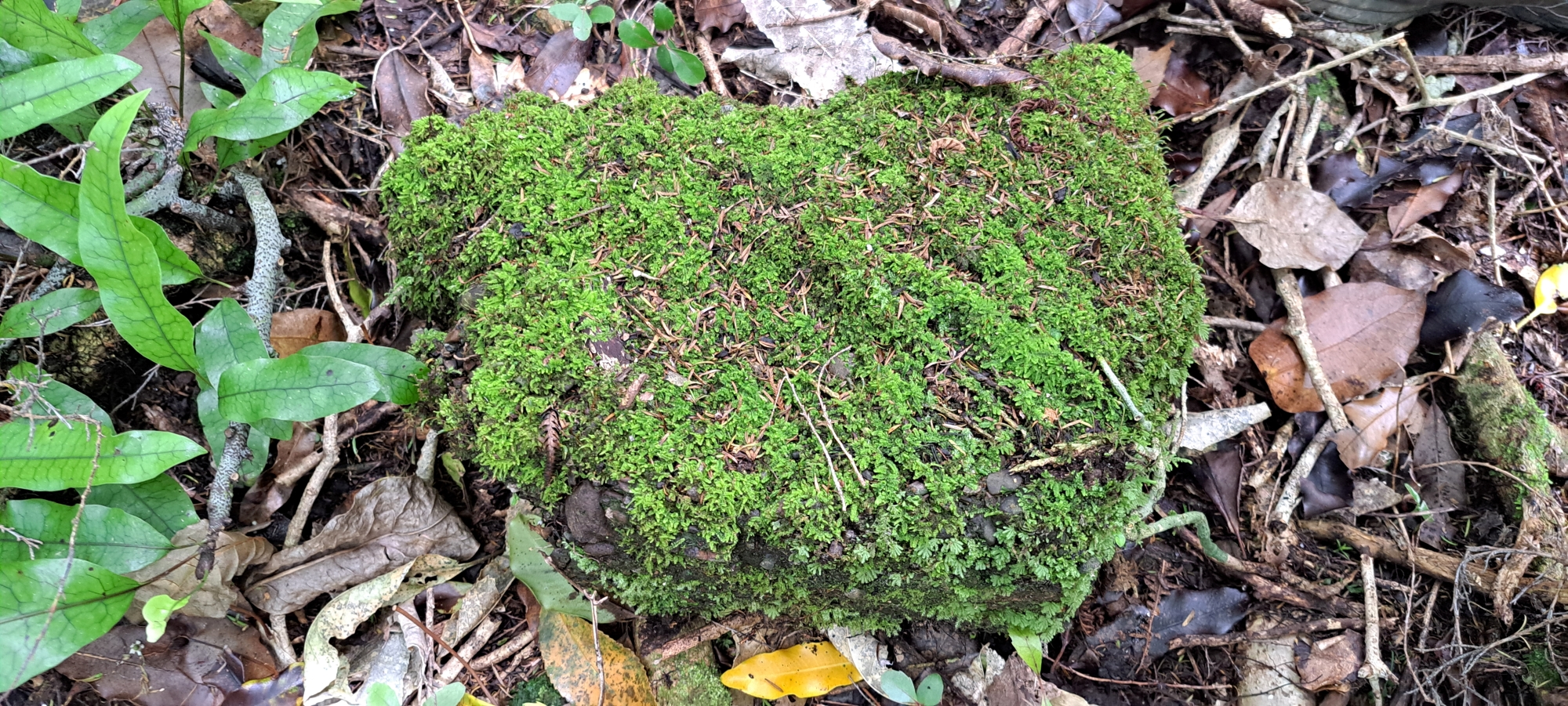
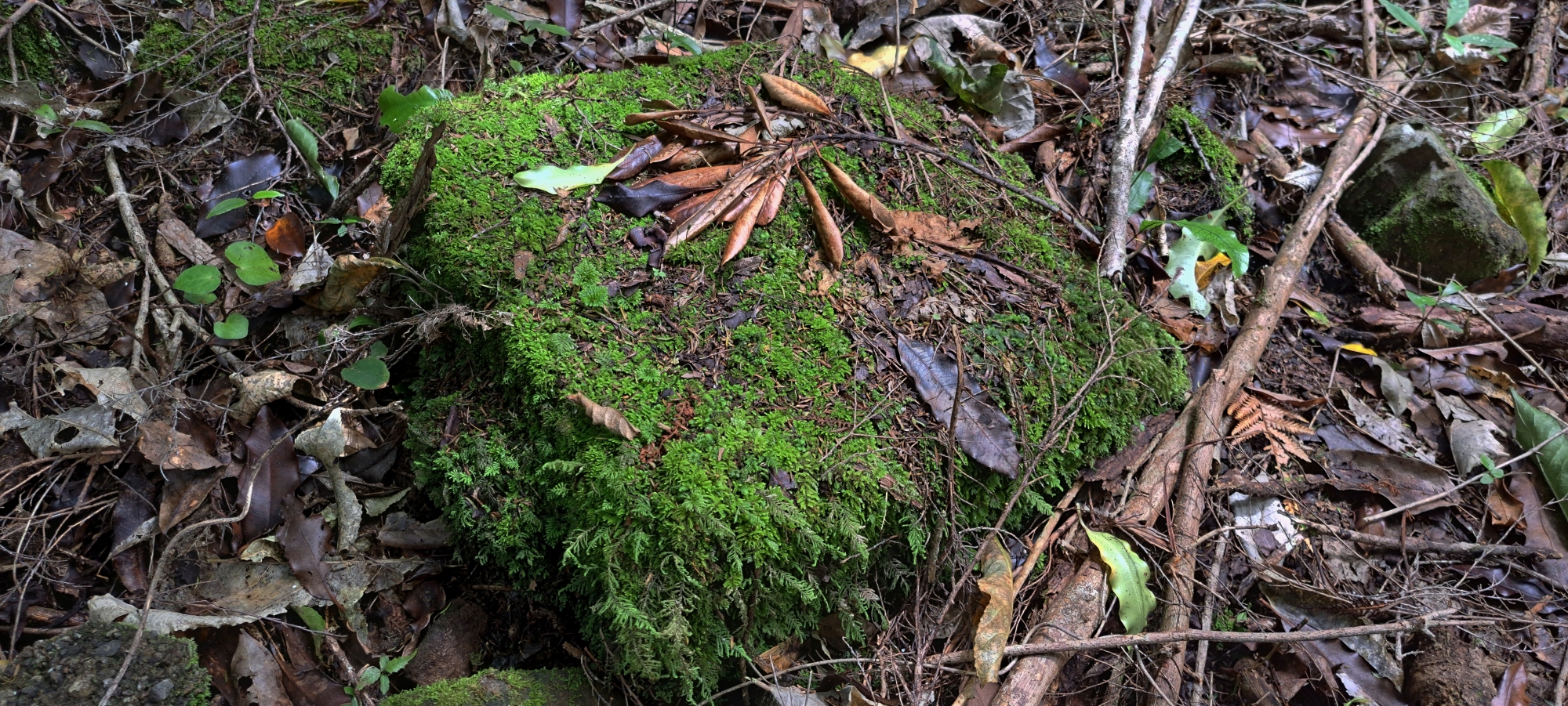
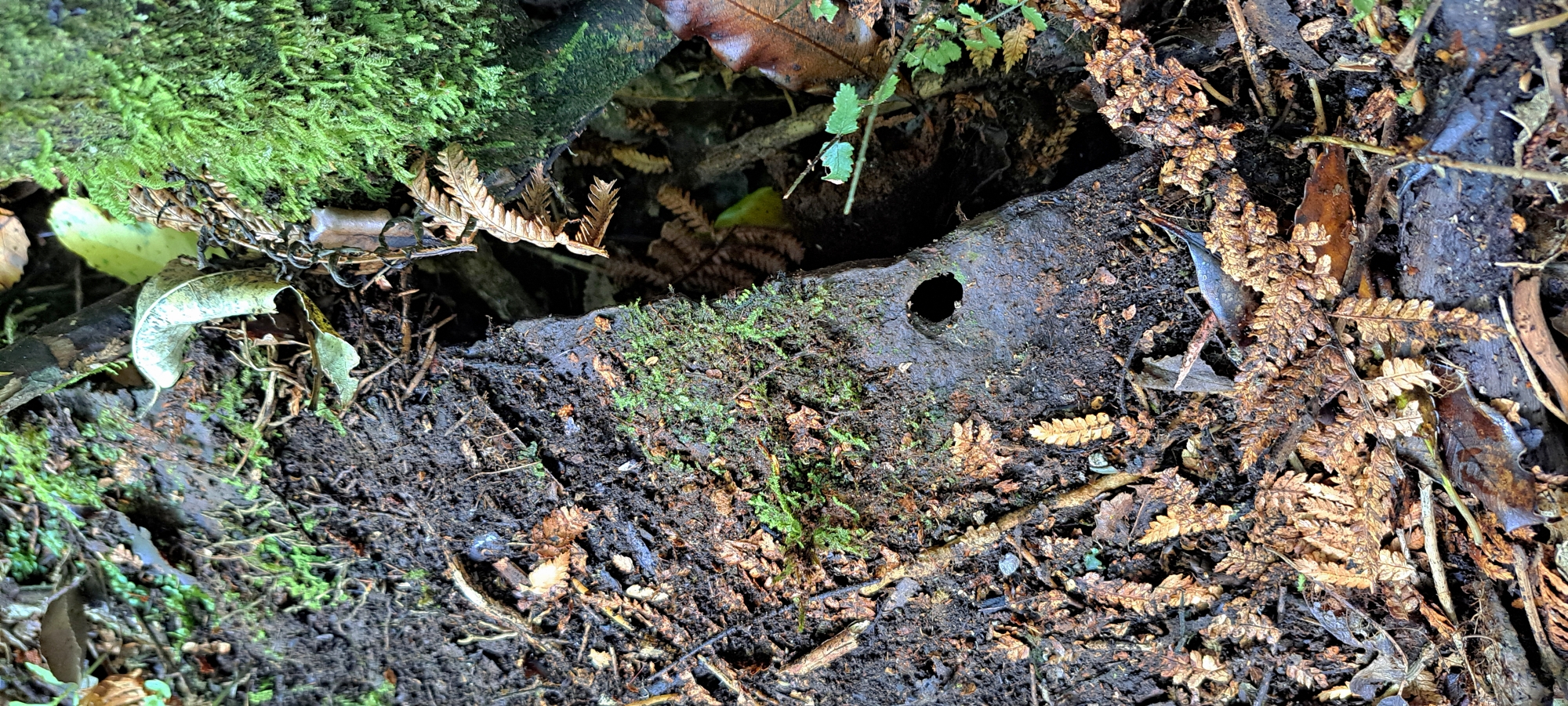
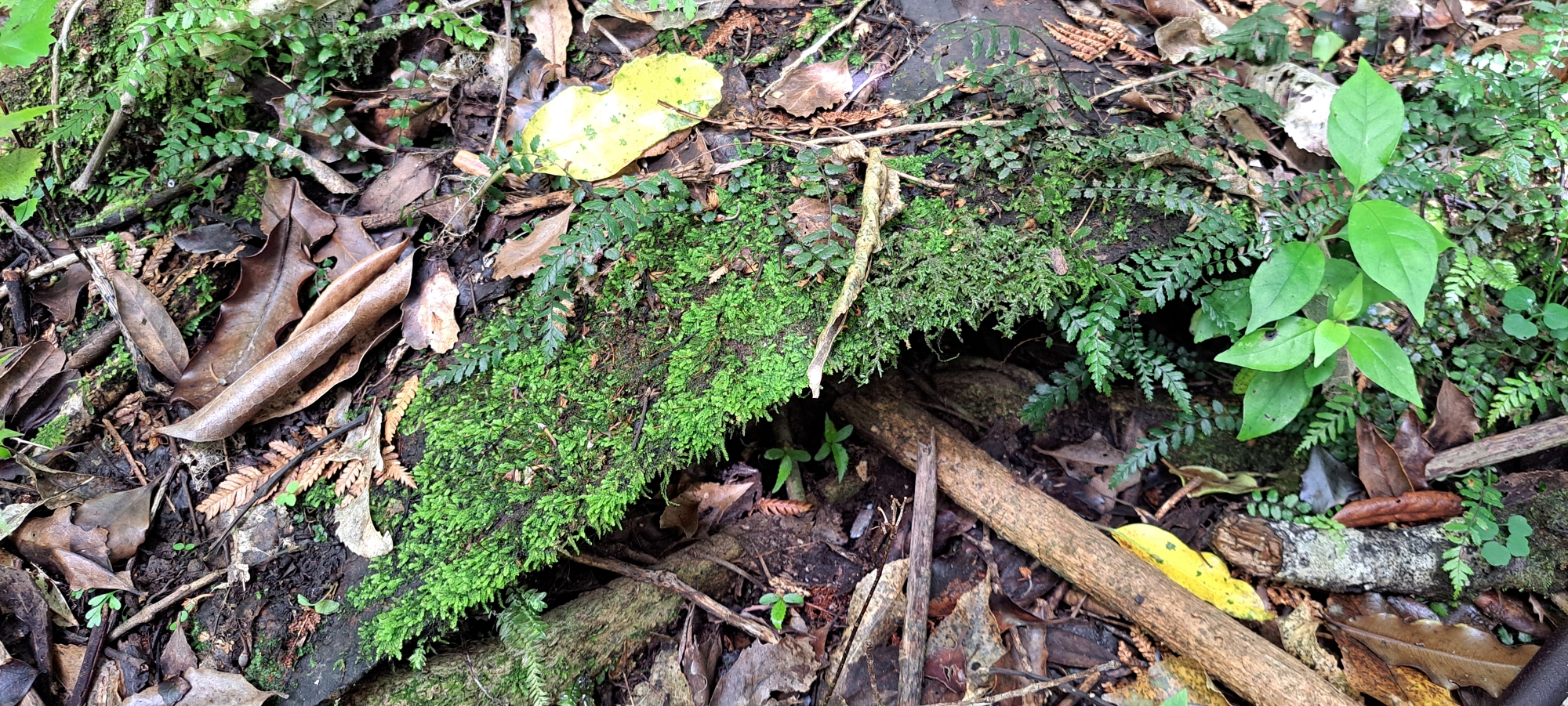
The answer was immediate. One of the first discoveries was what appears to be an oven door, likely part of the same cooking setup as the previously found iron components. This was followed by numerous bricks I had not seen before and several partially buried concrete slabs. Some slabs are neatly square or rectangular, while others are clearly broken fragments. Whether these once formed a larger concrete platform or are unrelated pieces remains uncertain. Nearby, I also found another small fire grill section, along with what appear to be an additional fire pit or maybe a collapsed chimney base.
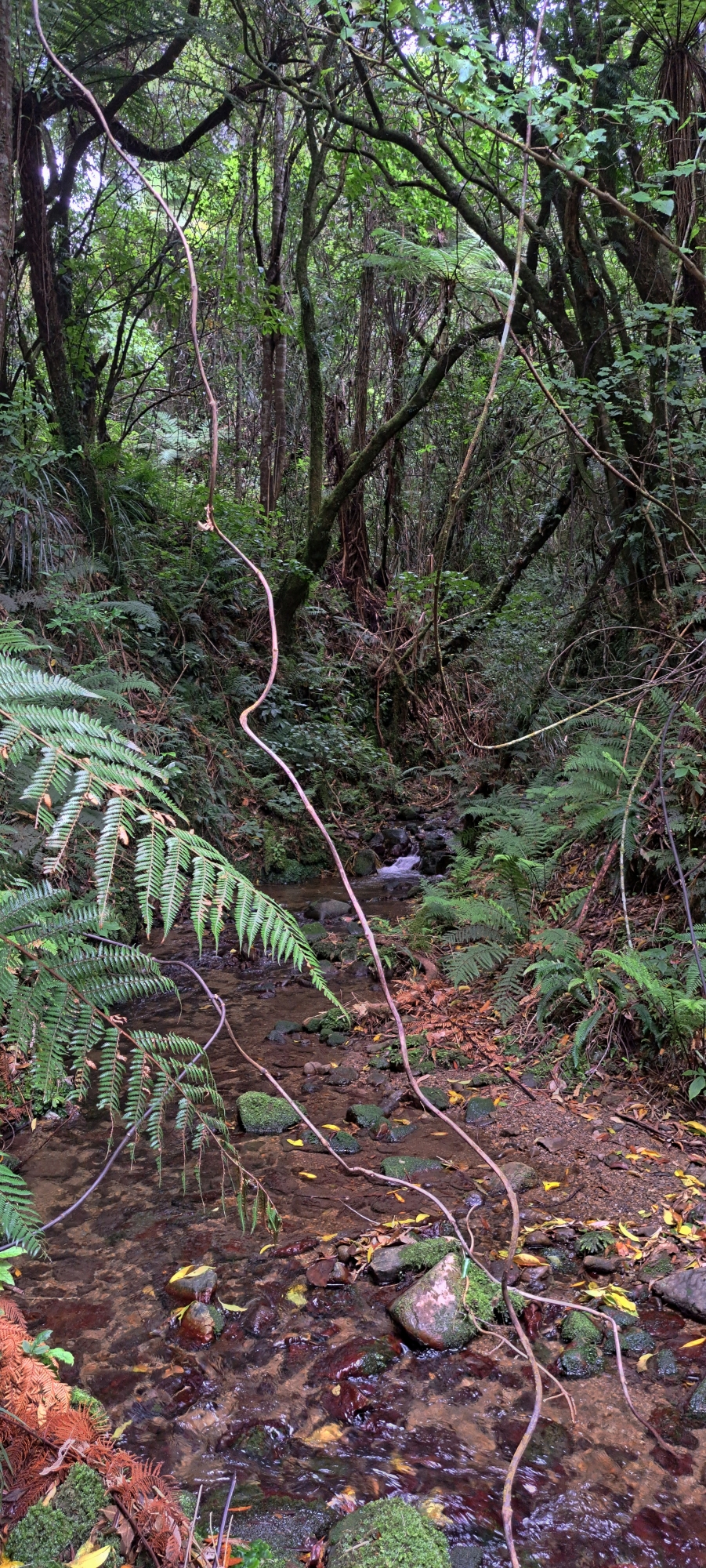
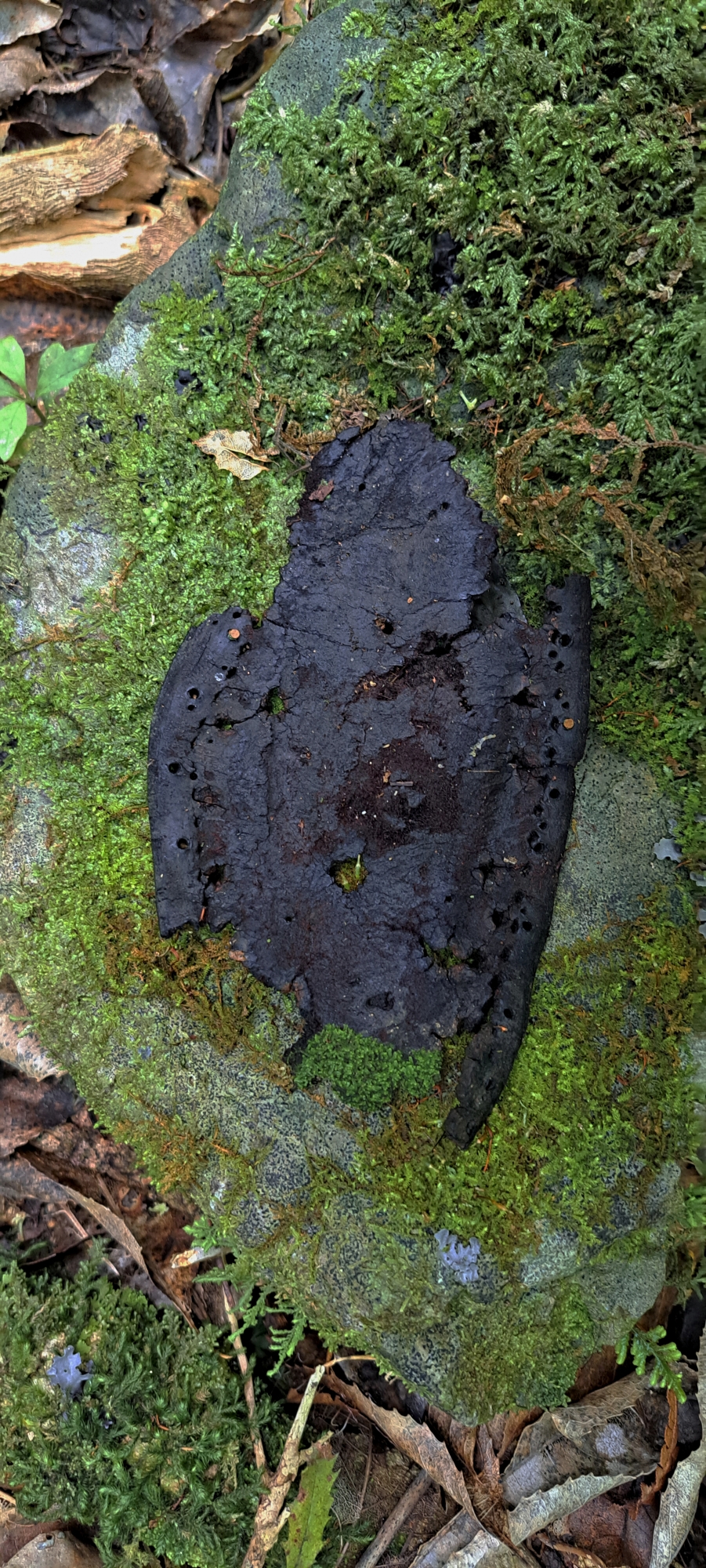
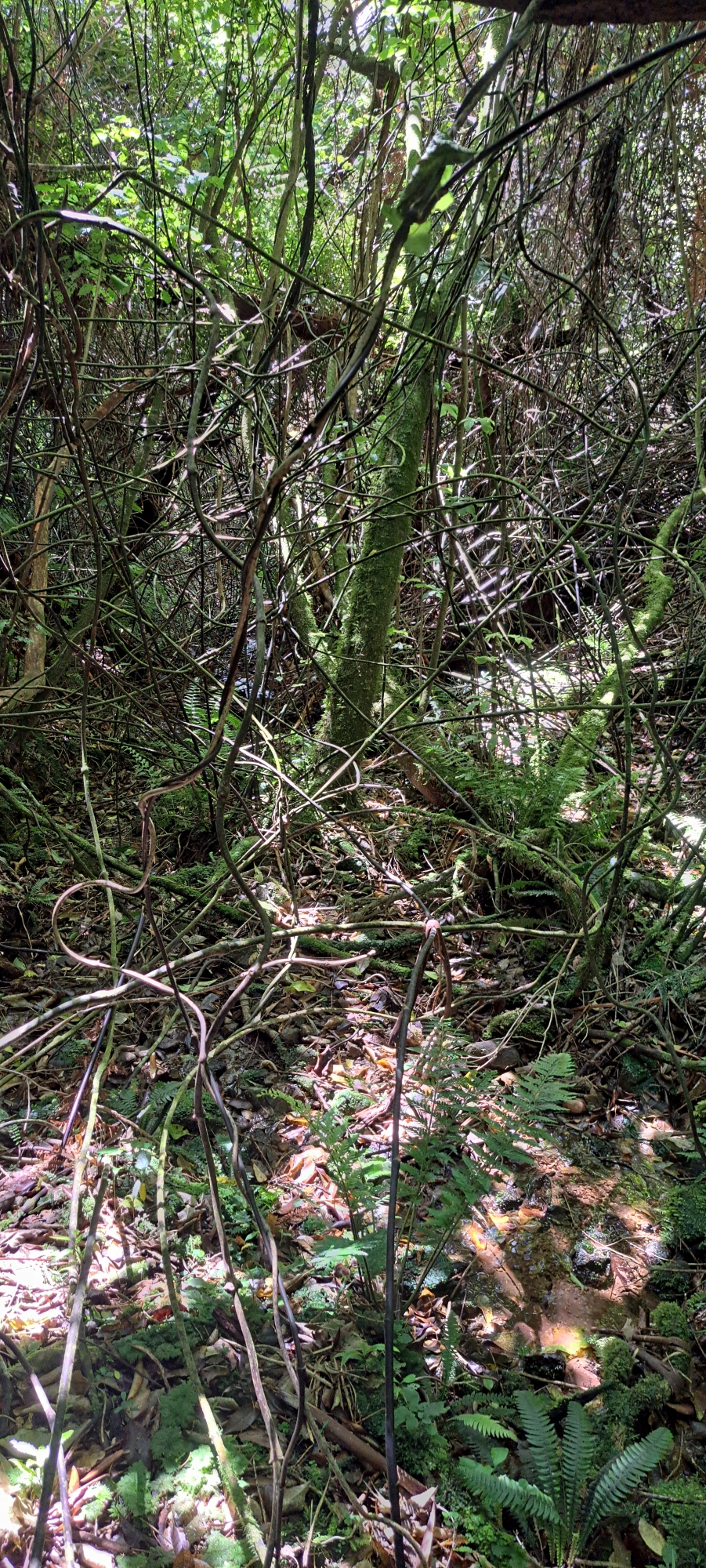
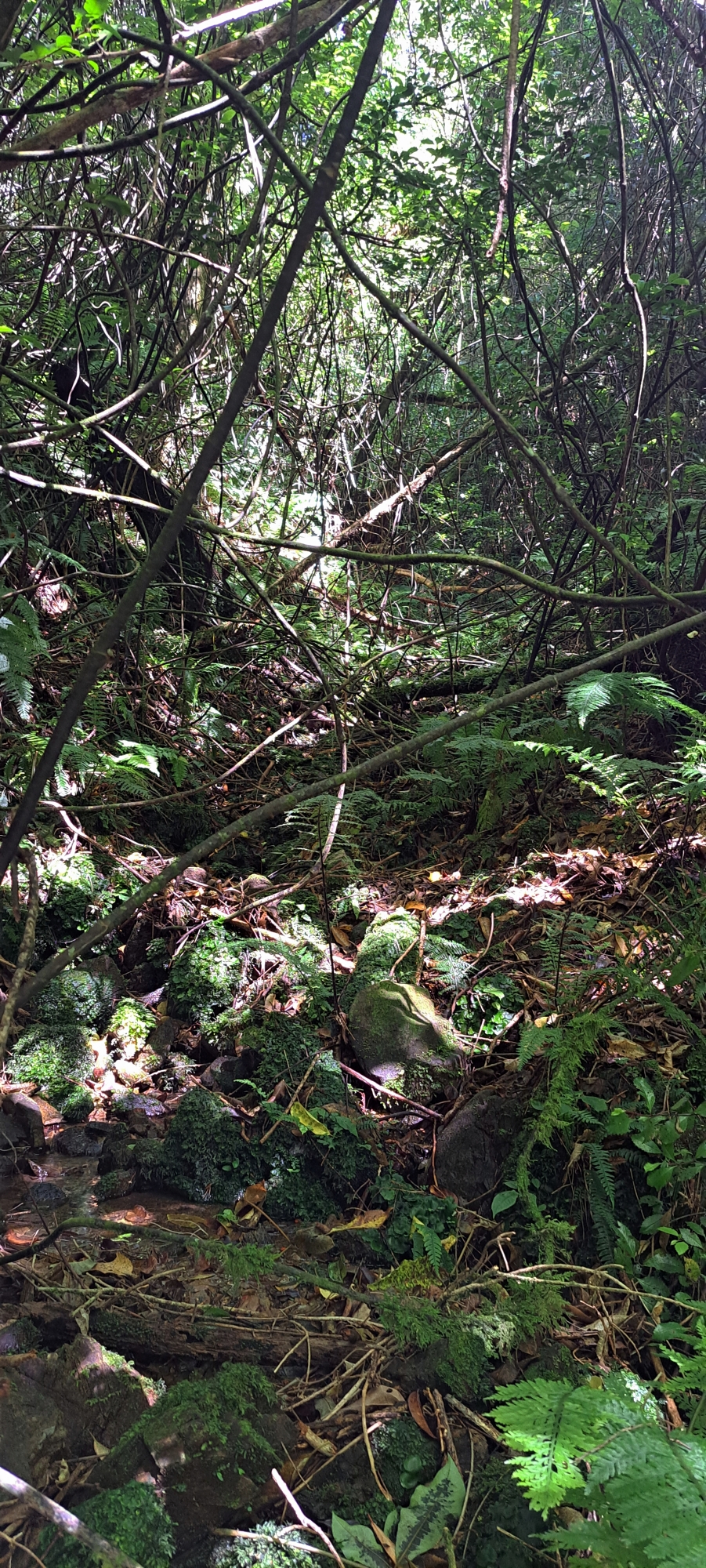
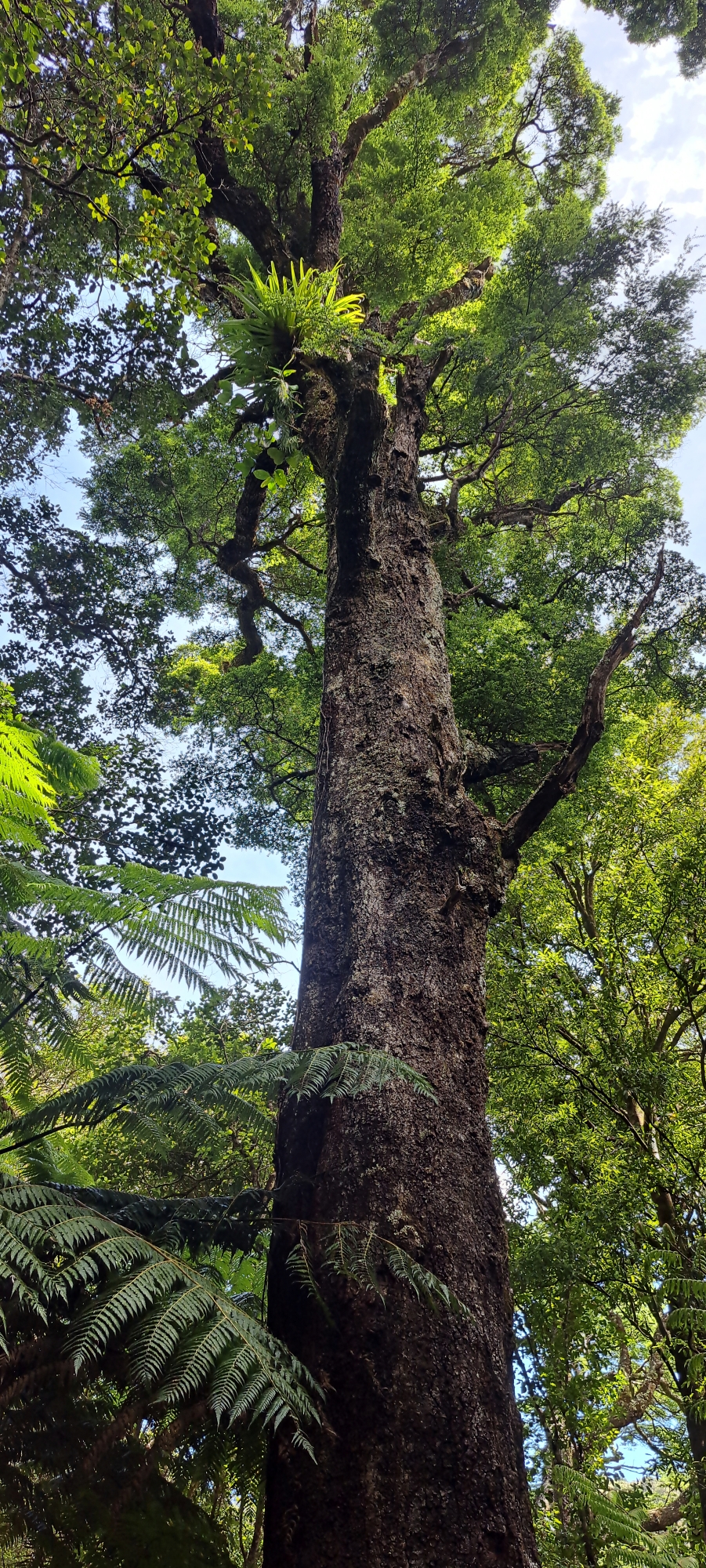
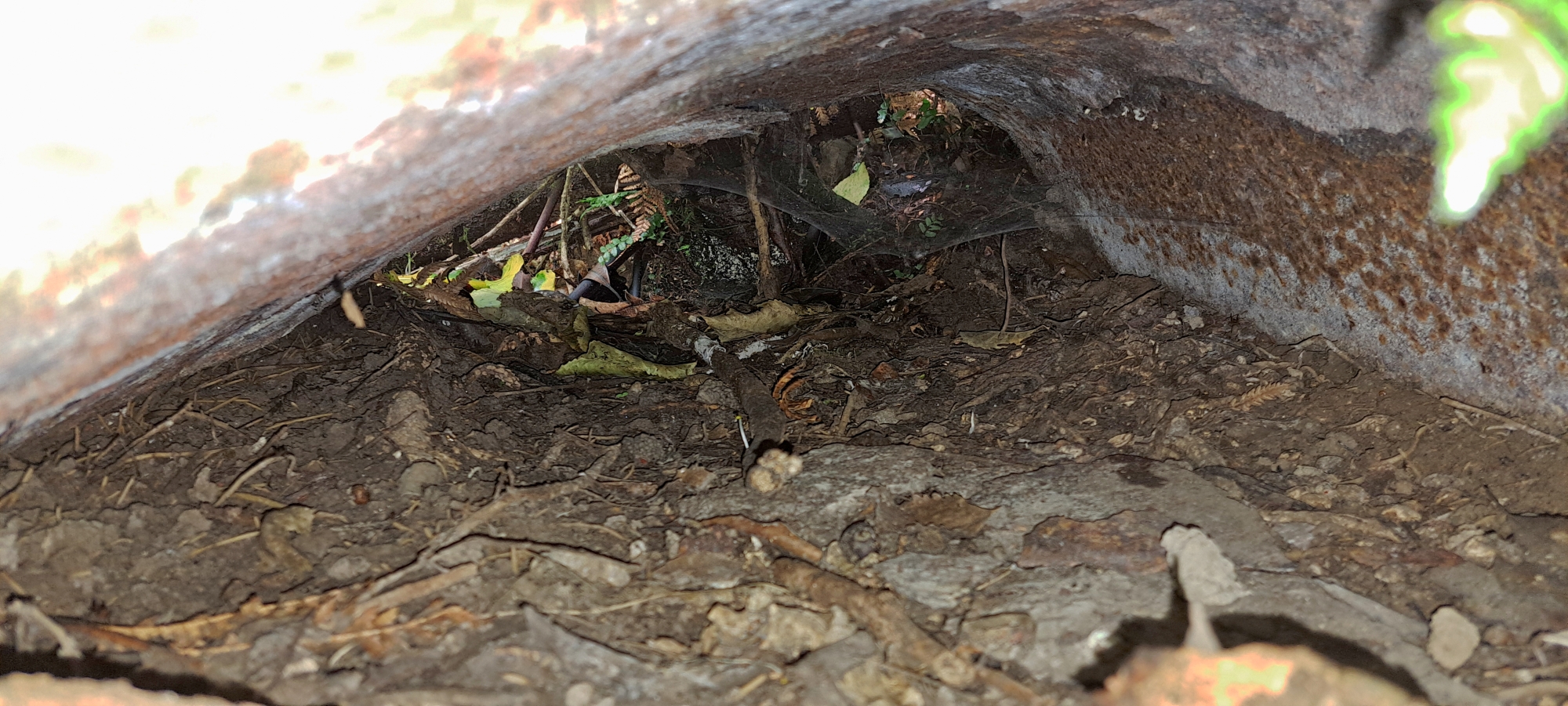
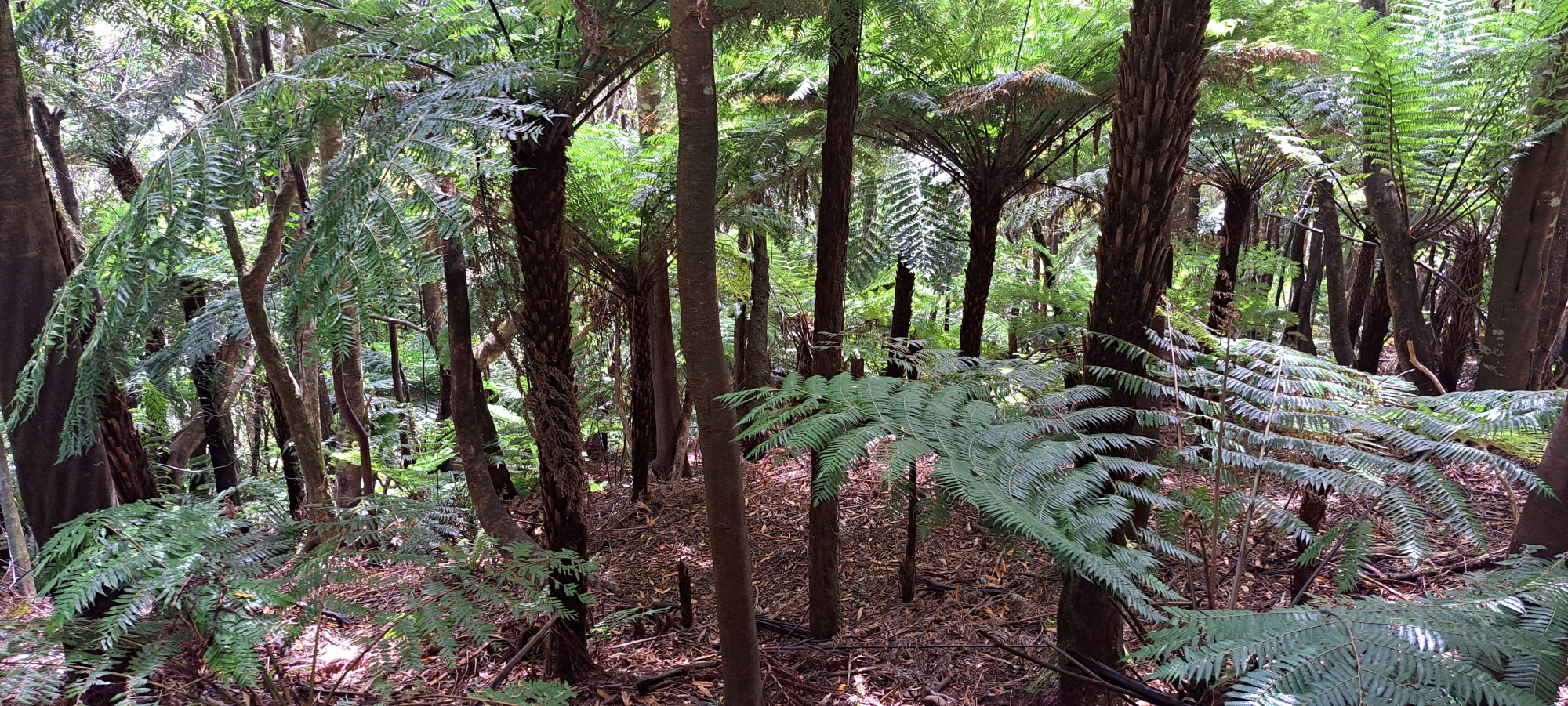
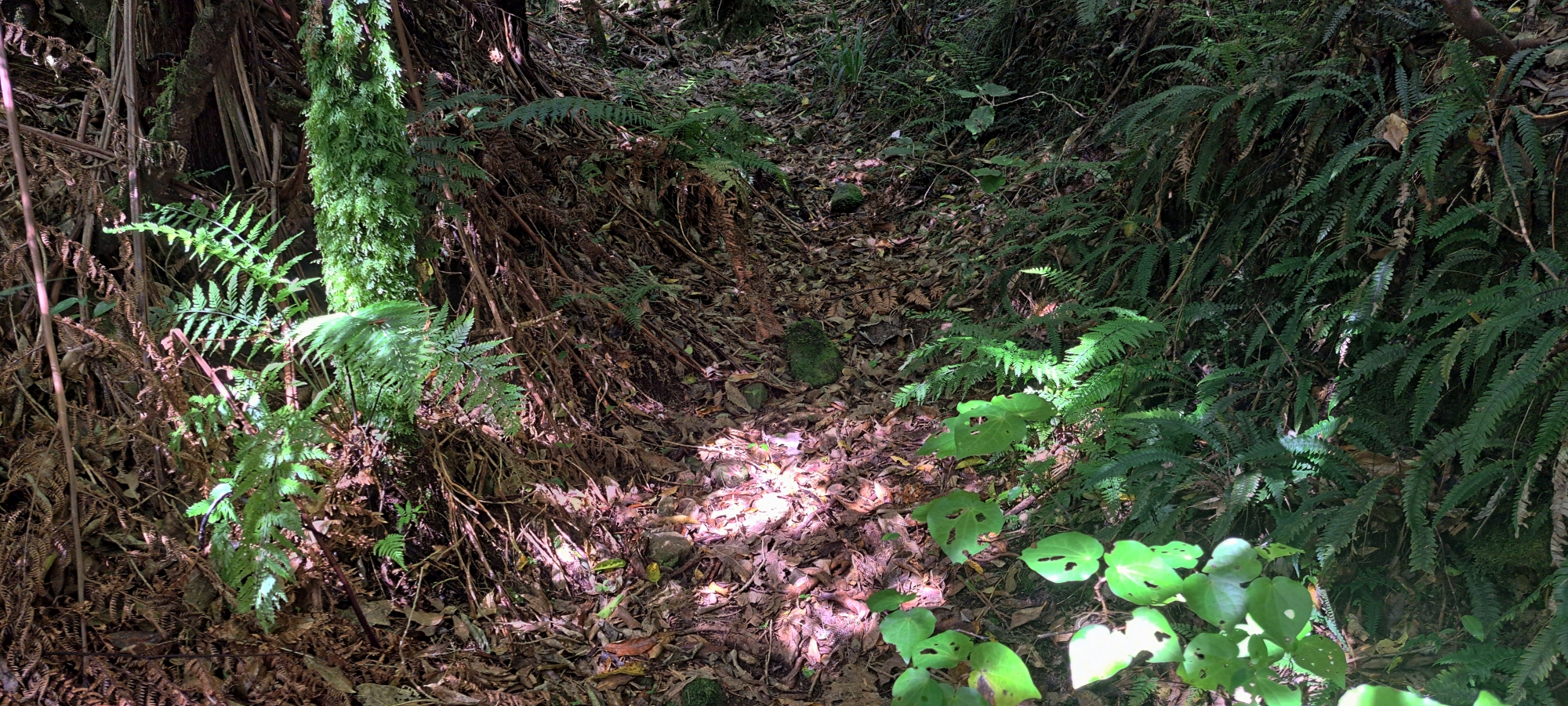
Leaving the main site, I headed uphill towards an area where I had previously found an old wooden post and traces of a bivvy. This time, I attempted to ascend via a small creek, but dense supplejack quickly made progress impractical. I abandoned that route and climbed the western flank instead to regain the main hillside. While I passed through an area of older looking trees, I found no further historical material. Returning to the main site for one last sweep, I noticed another curved metal sheet similar to one found in Bush Bash 27 , though more tightly curved. These sheets may once have been components of a boiler, although that remains speculative.
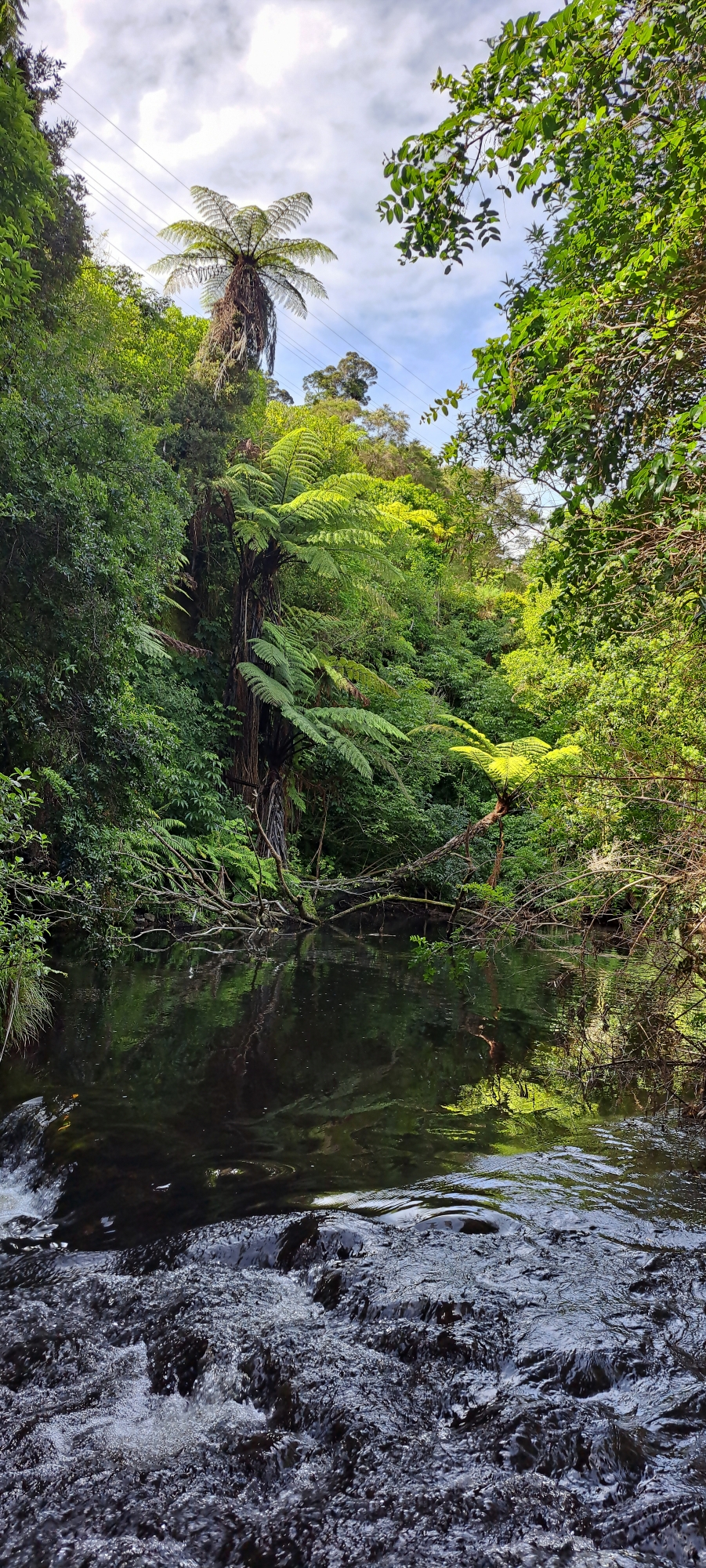
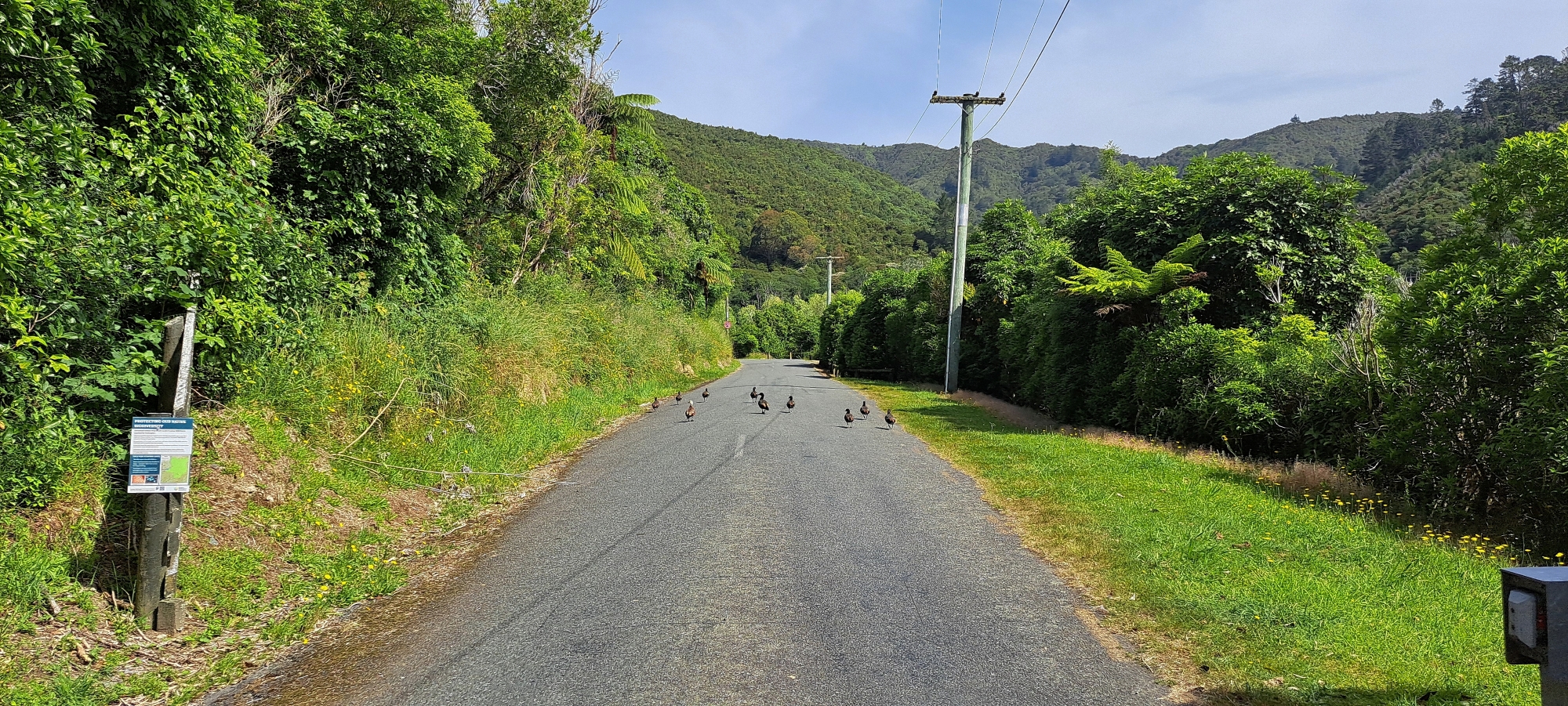
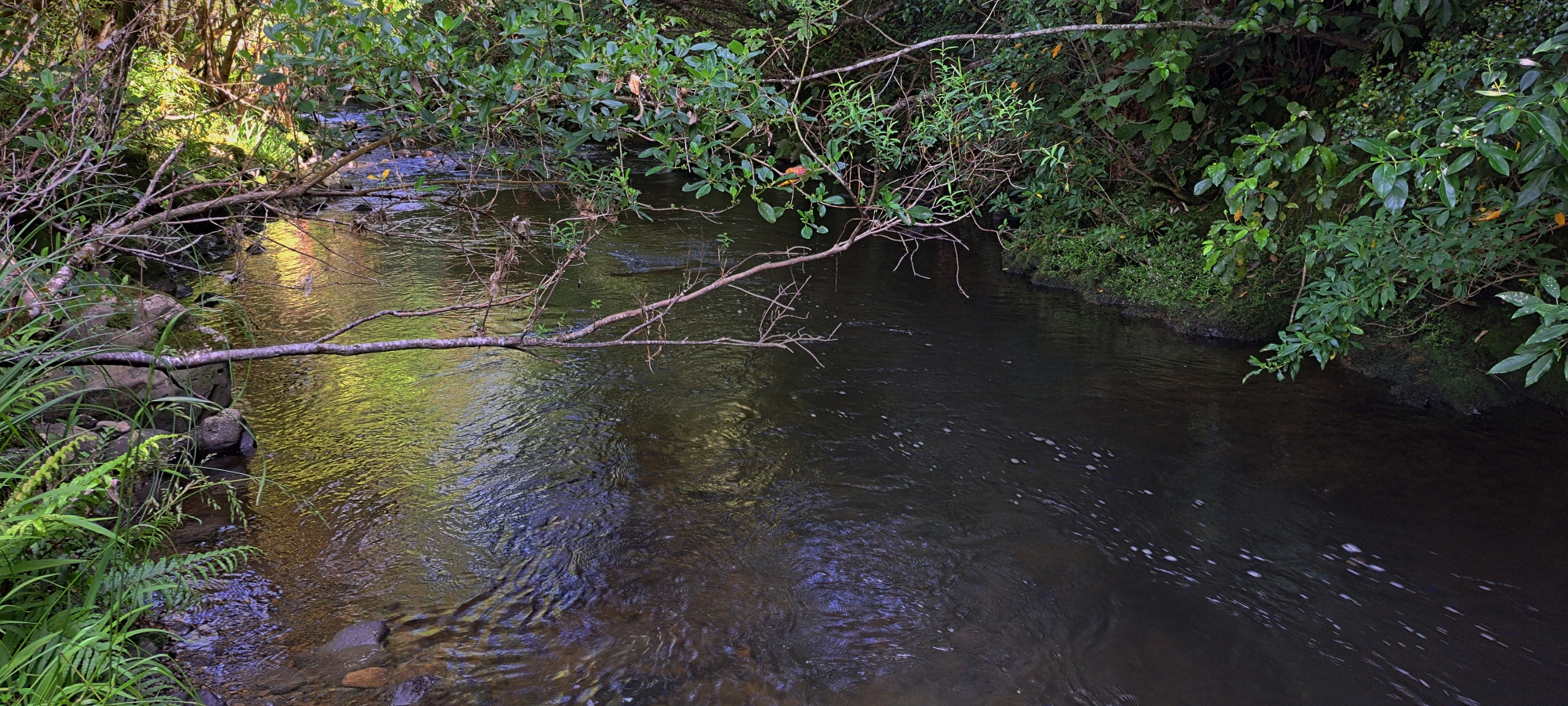
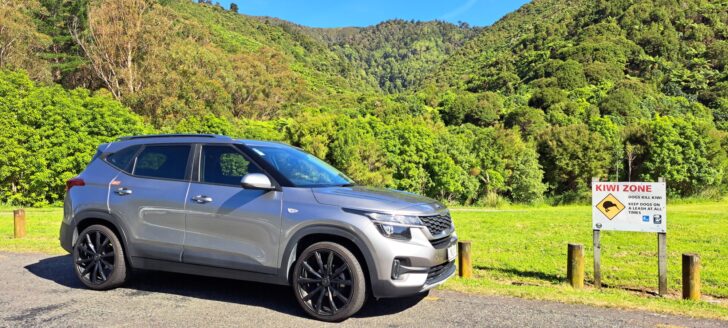
I eventually left the area and followed the bank of the Wainuiomata River on the walk home. On reaching Reservoir Road, I stopped to photograph bricks that have recently fallen towards the road from an old pipe and abutment higher up the bank. From there, it was a straightforward return to the car.
This trip proved worthwhile. The primary goal was to identify new artefacts within a well known area before moving on to fresh locations, and it delivered on that aim. Having explored part of the Catchpool area last week, I plan to continue working through that region this summer, along with other locations.