I ventured behind one of Wainuiomata’s oldest homes to see what I might find.
Today I set out to explore a gully that lies behind one of the oldest homes in Wainuiomata. The gully is located within the Harry Todd Recreation Reserve, and the nearby home is Sinclair House, built in the early 1860s by Hugh Sinclair for his sister, Isabella Sinclair.
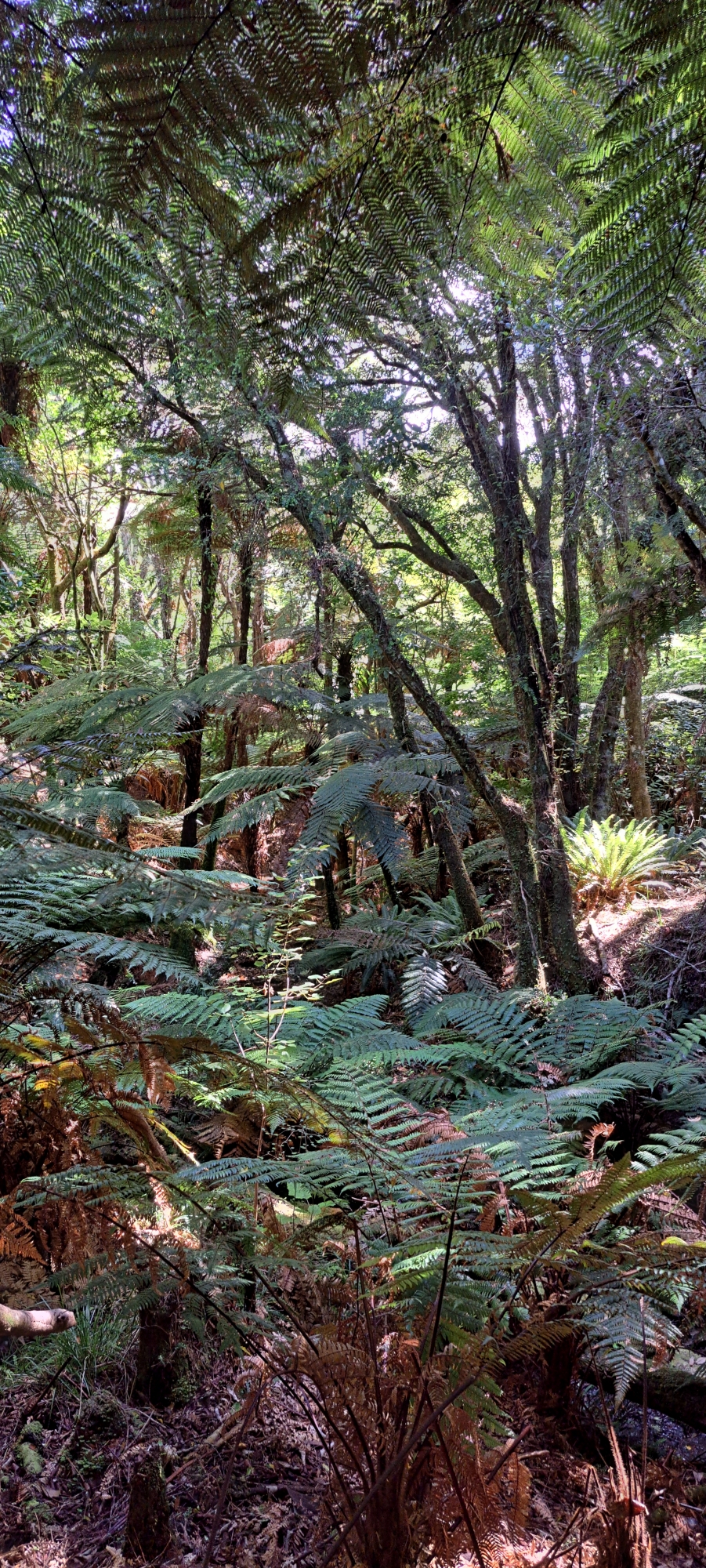
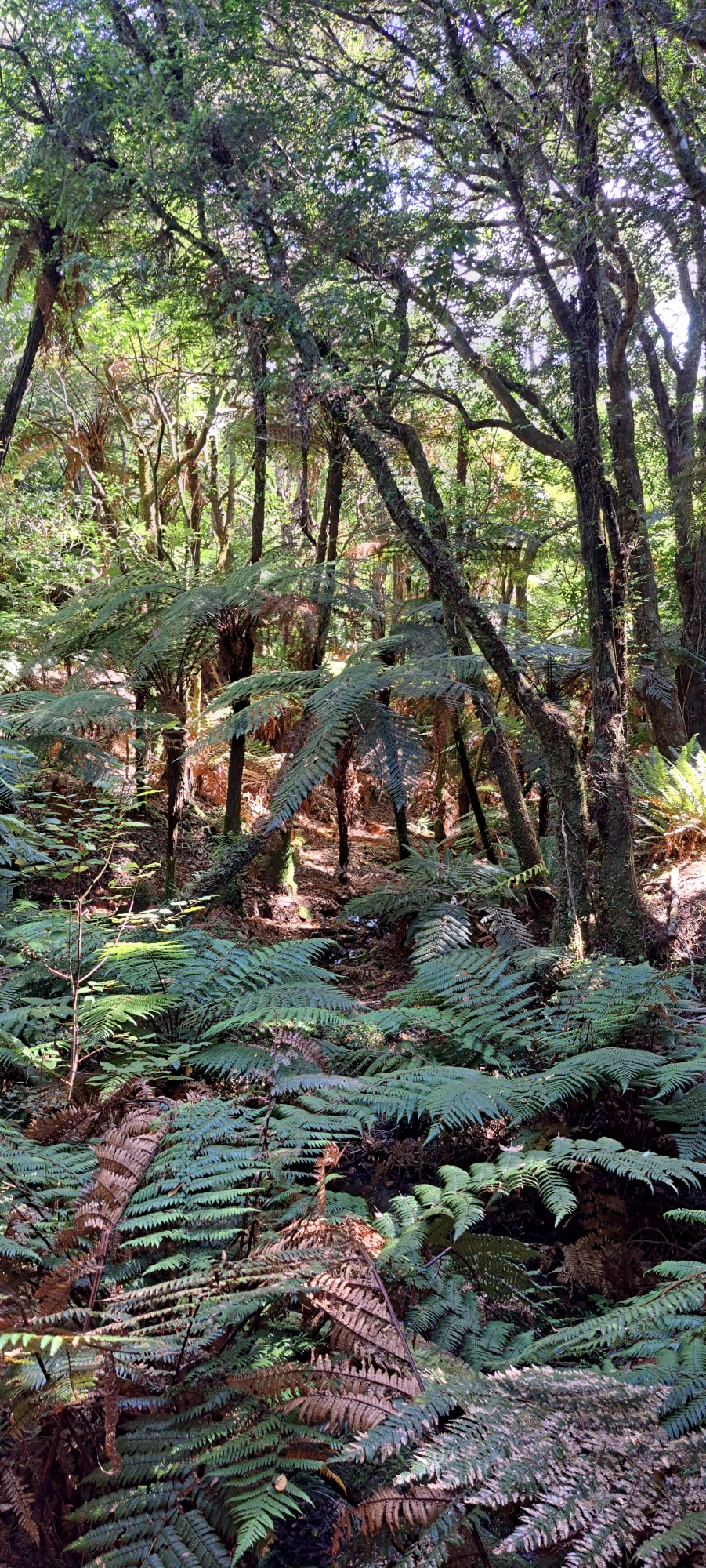
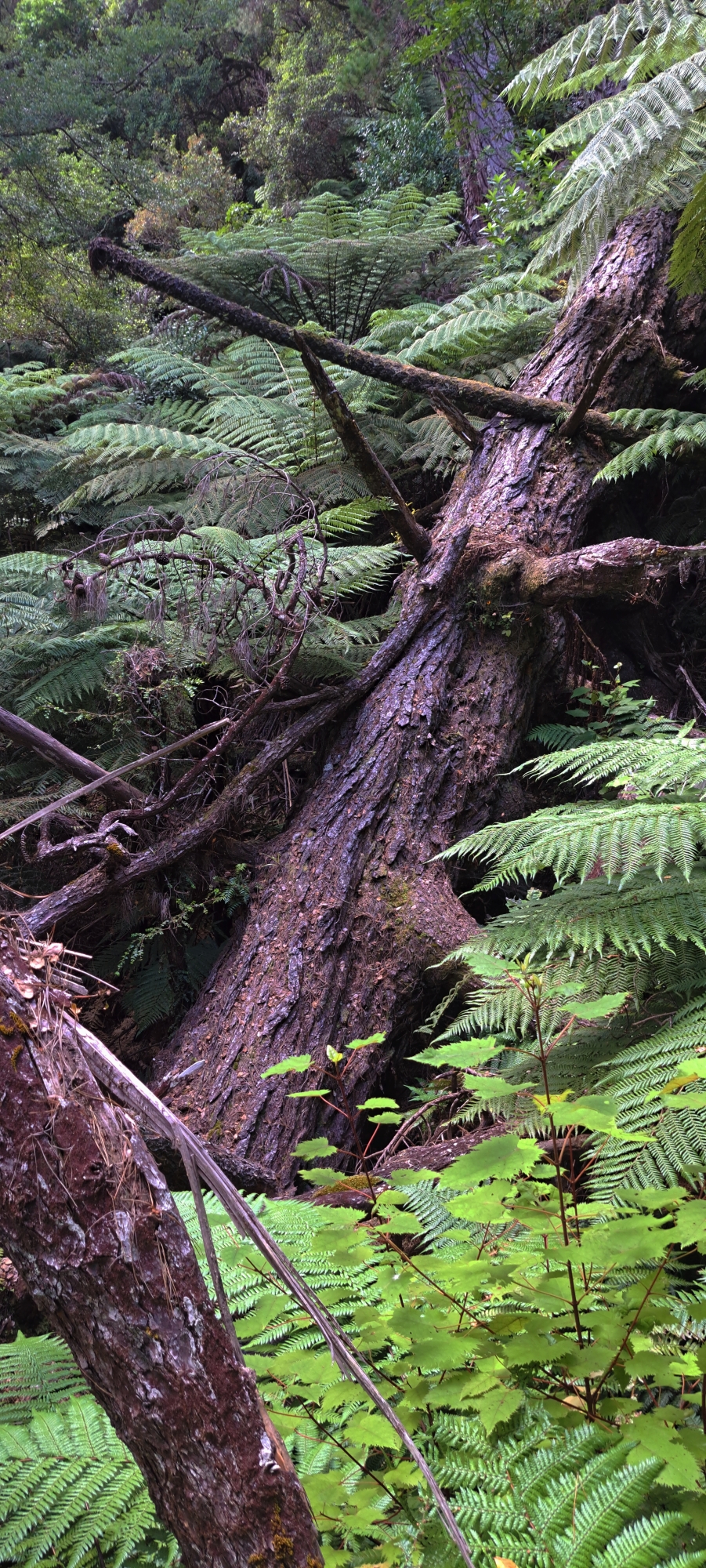
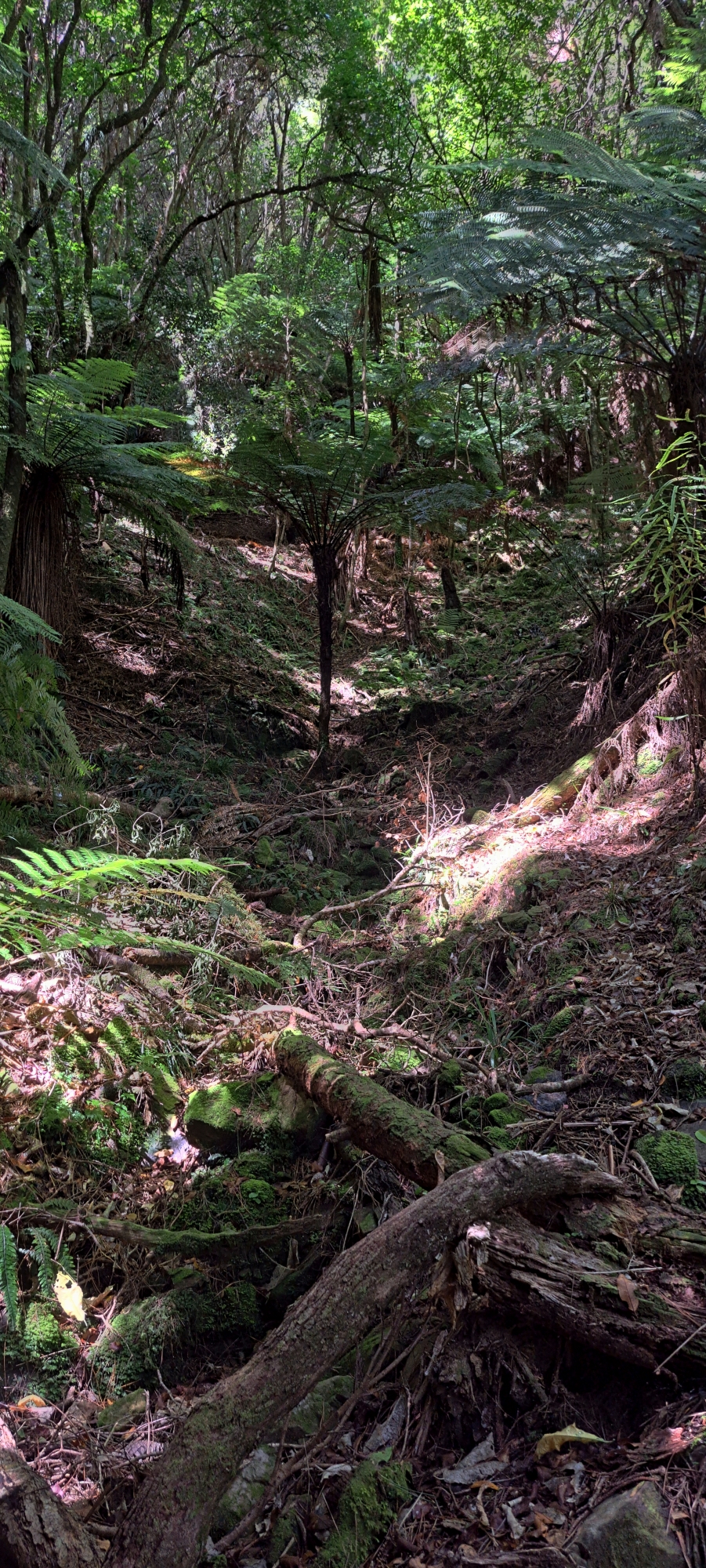
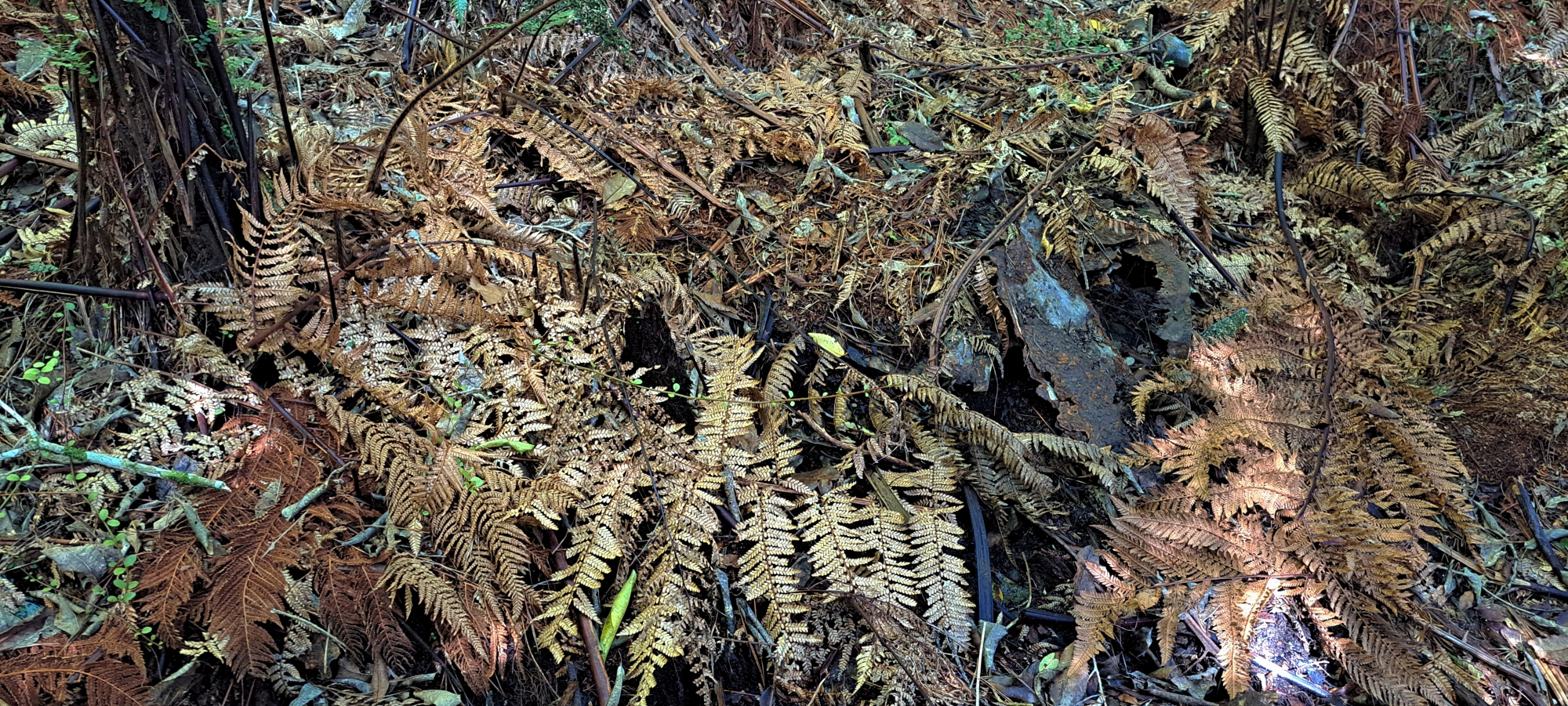
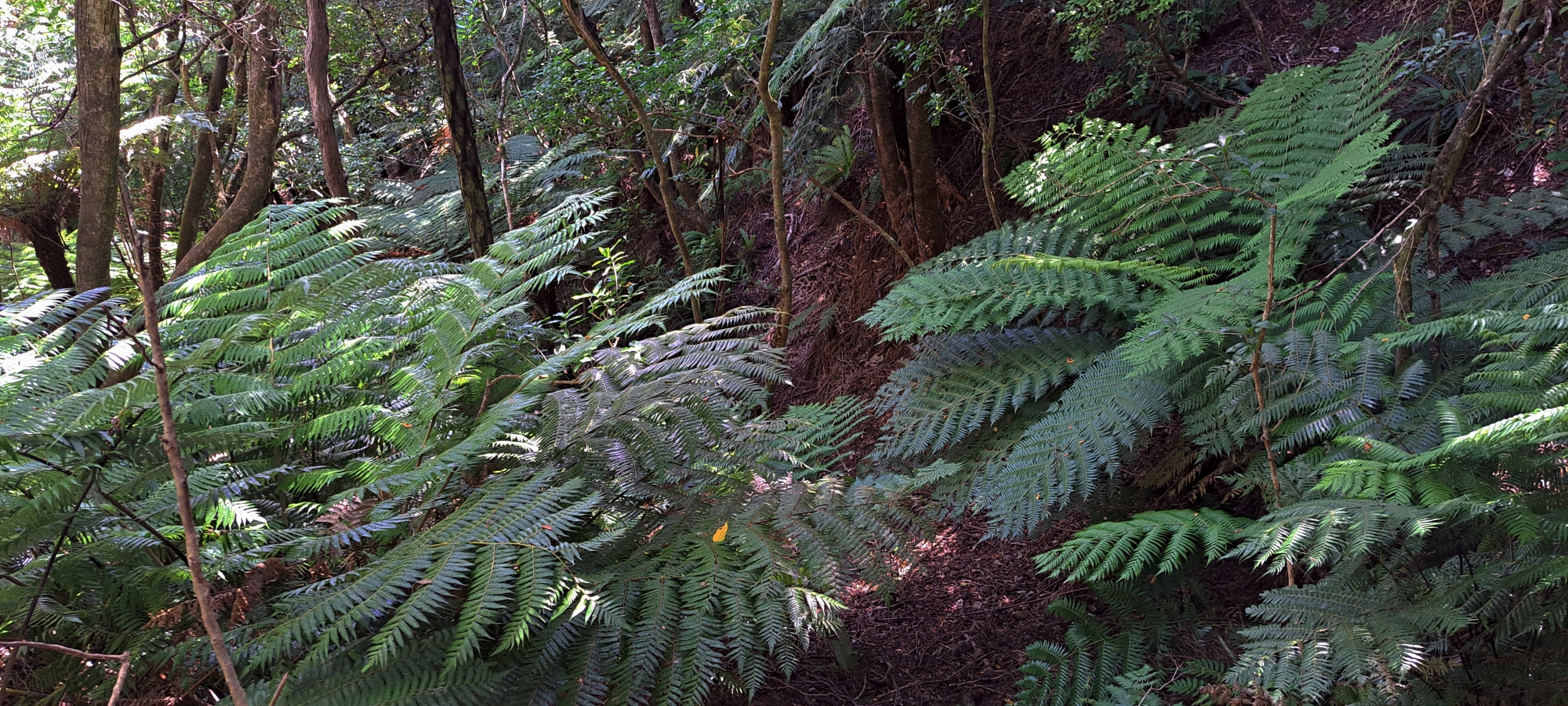
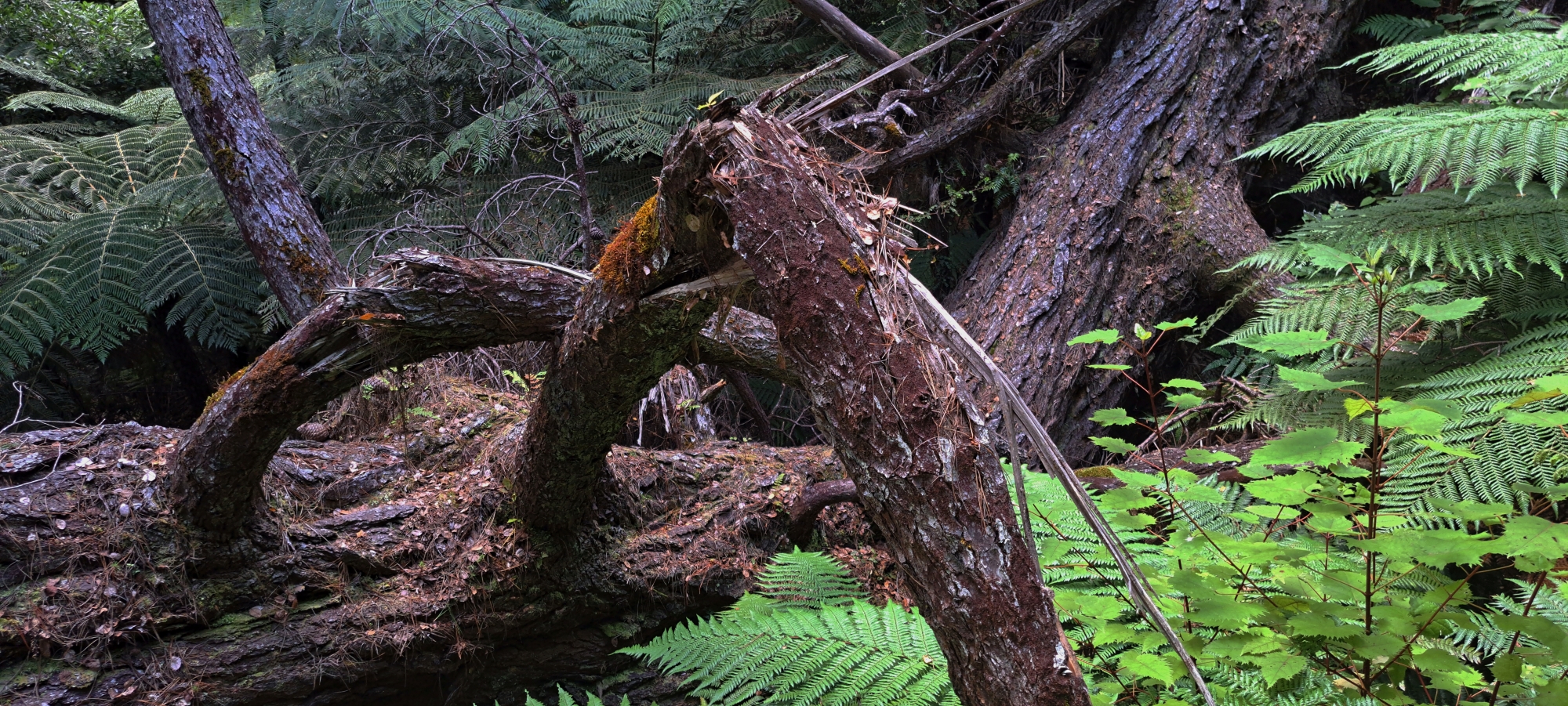
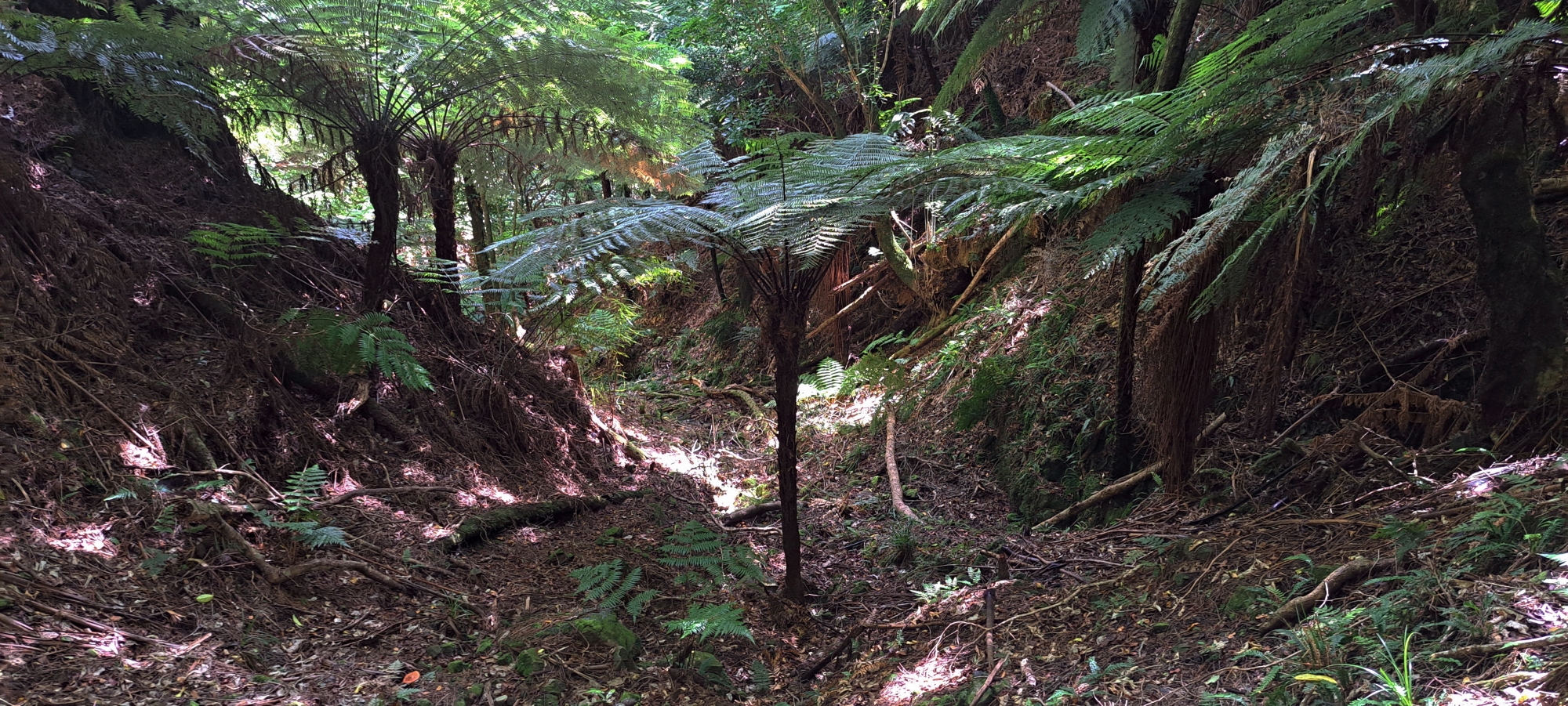
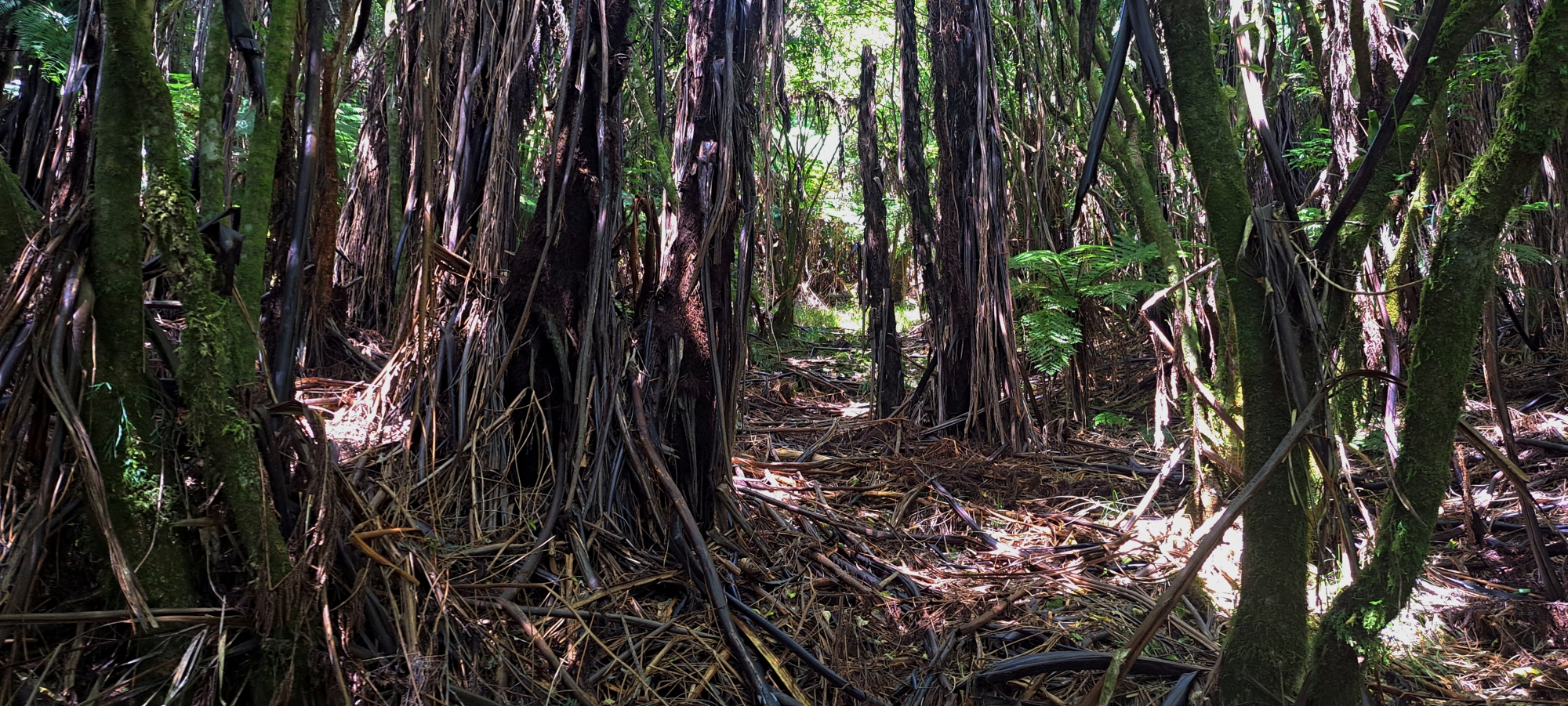
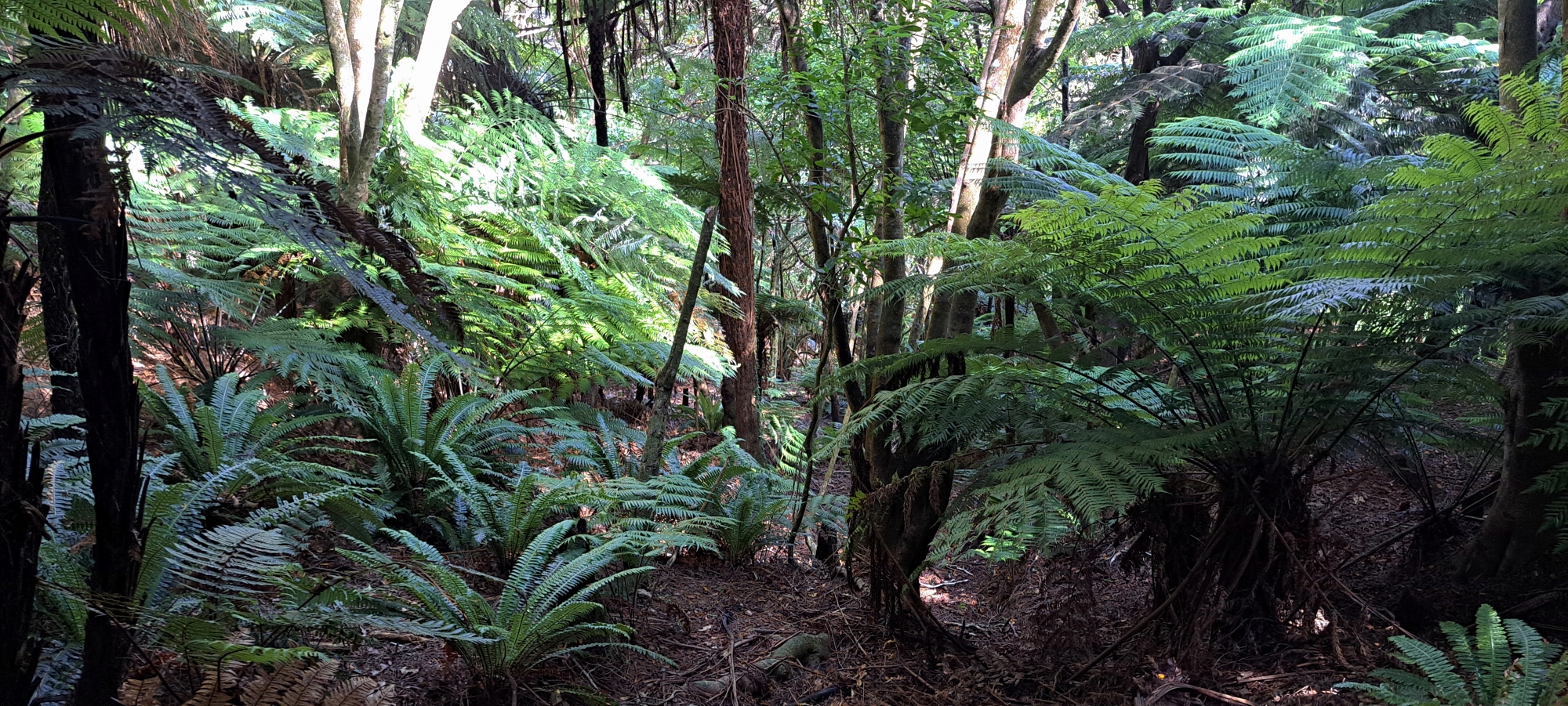
I began my trek from the same starting point as my recent Bush Bash 64 and Bush Bash 65 outings, entering via the Hine Road entrance to the Harry Todd Track. It was a hot day, and I immediately felt the cooling effect of stepping beneath the forest canopy. Rather than climbing all the way up the hillside, I reached a point that I estimated was sufficiently behind the Hine Road property boundaries, then traversed along the slope through pleasant native bush filled with regenerating species and numerous tree ferns.
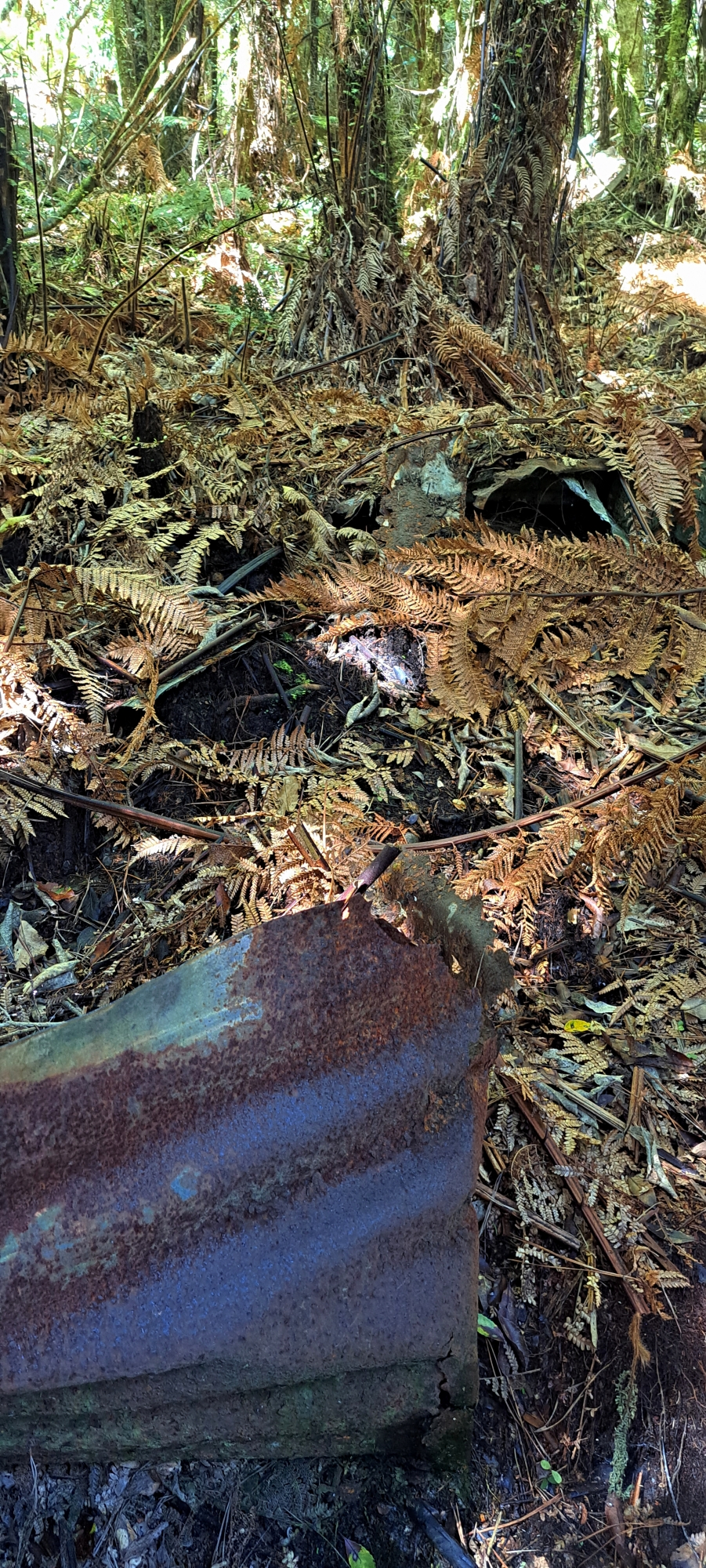
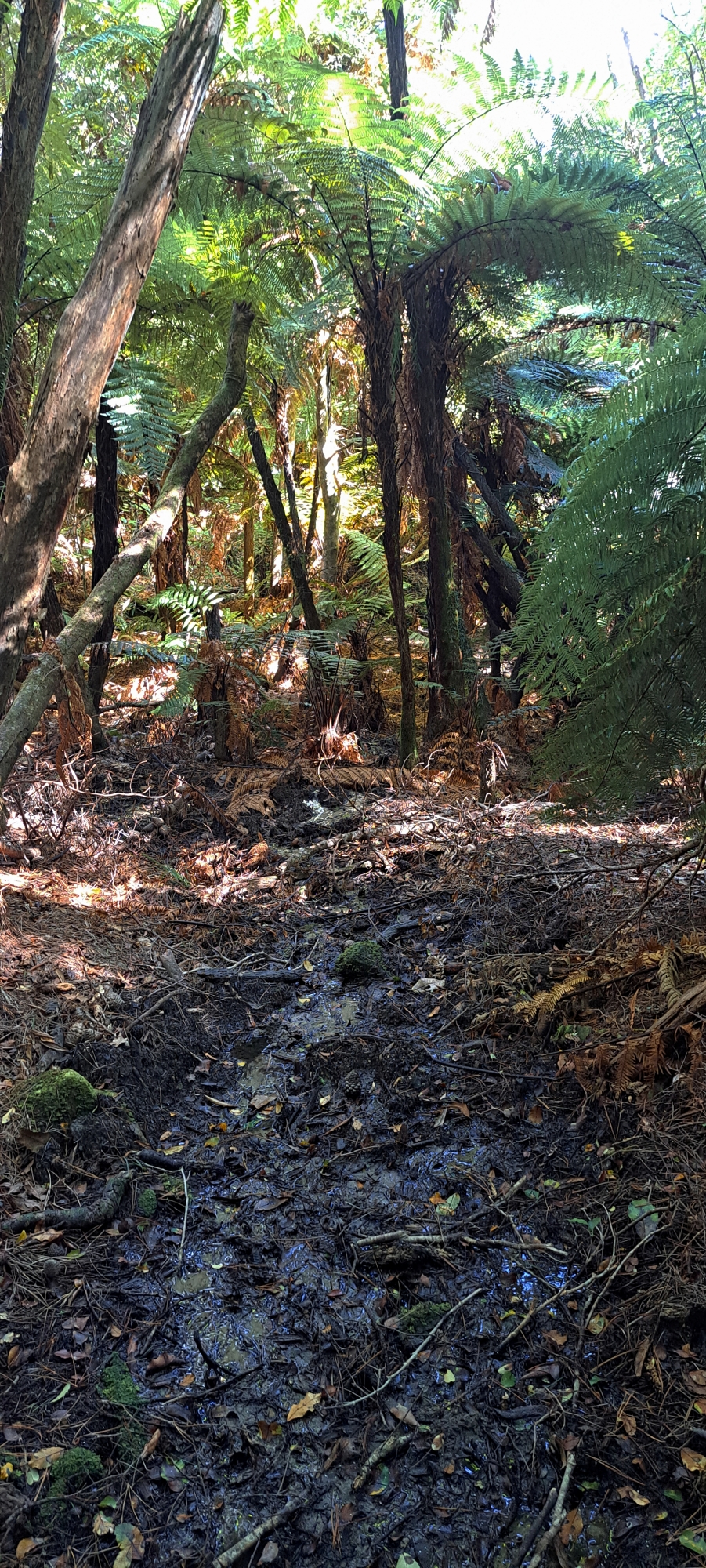
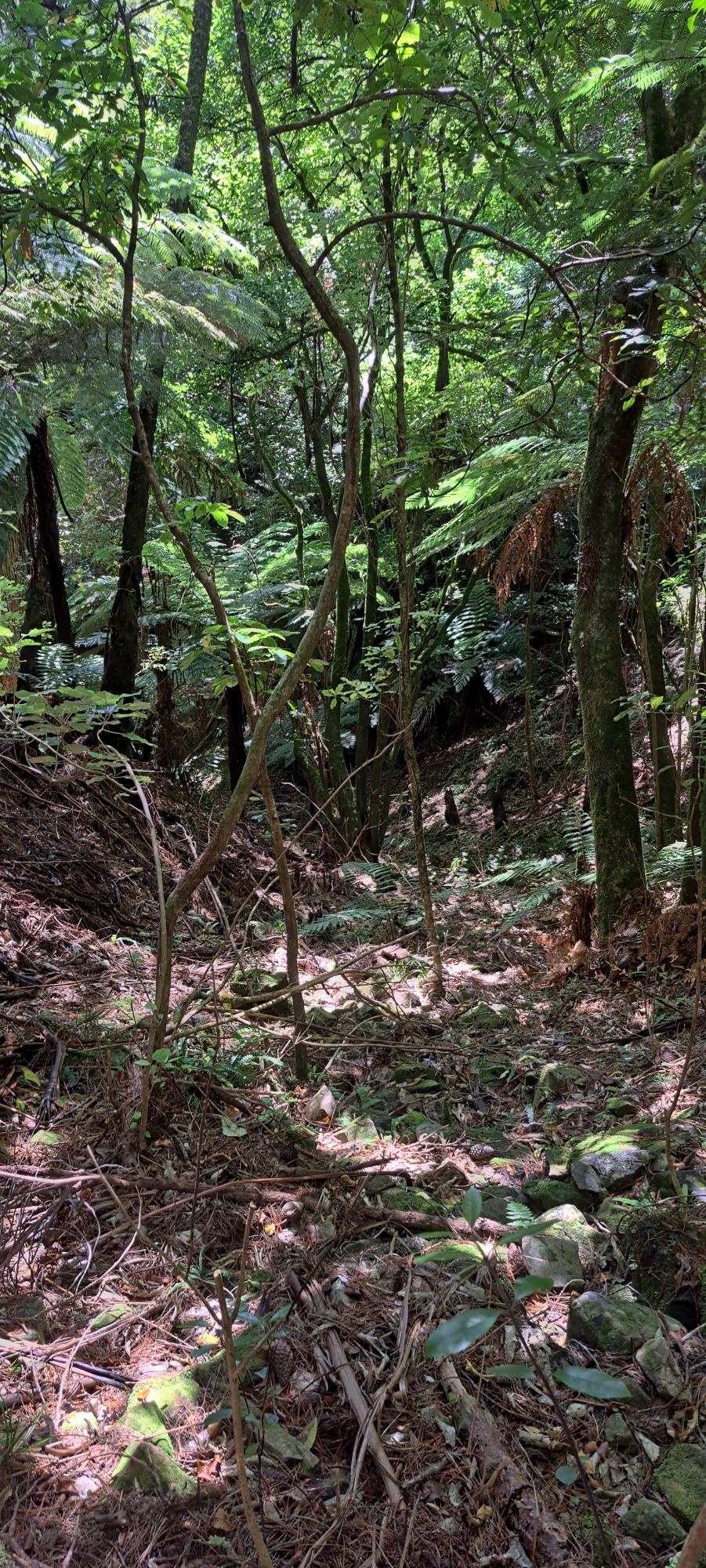
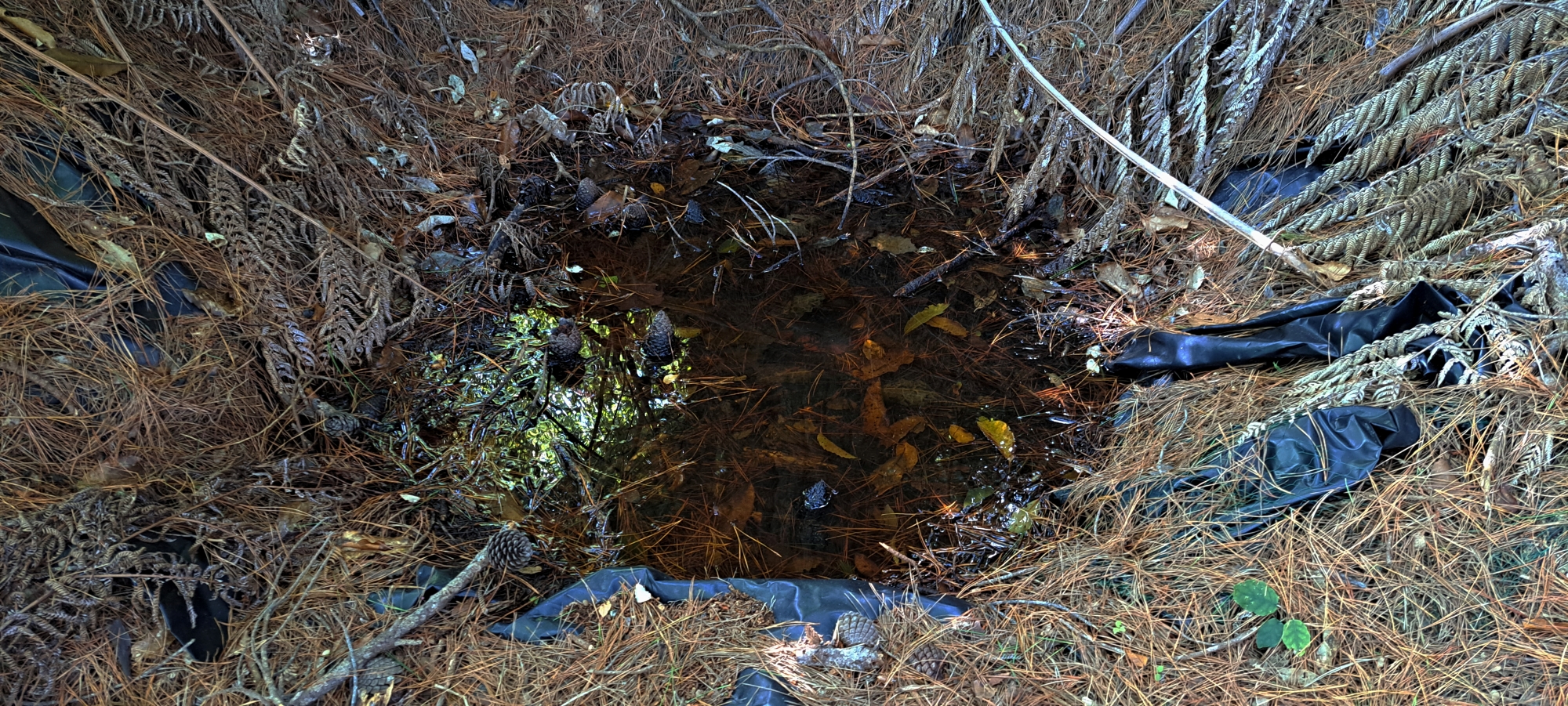
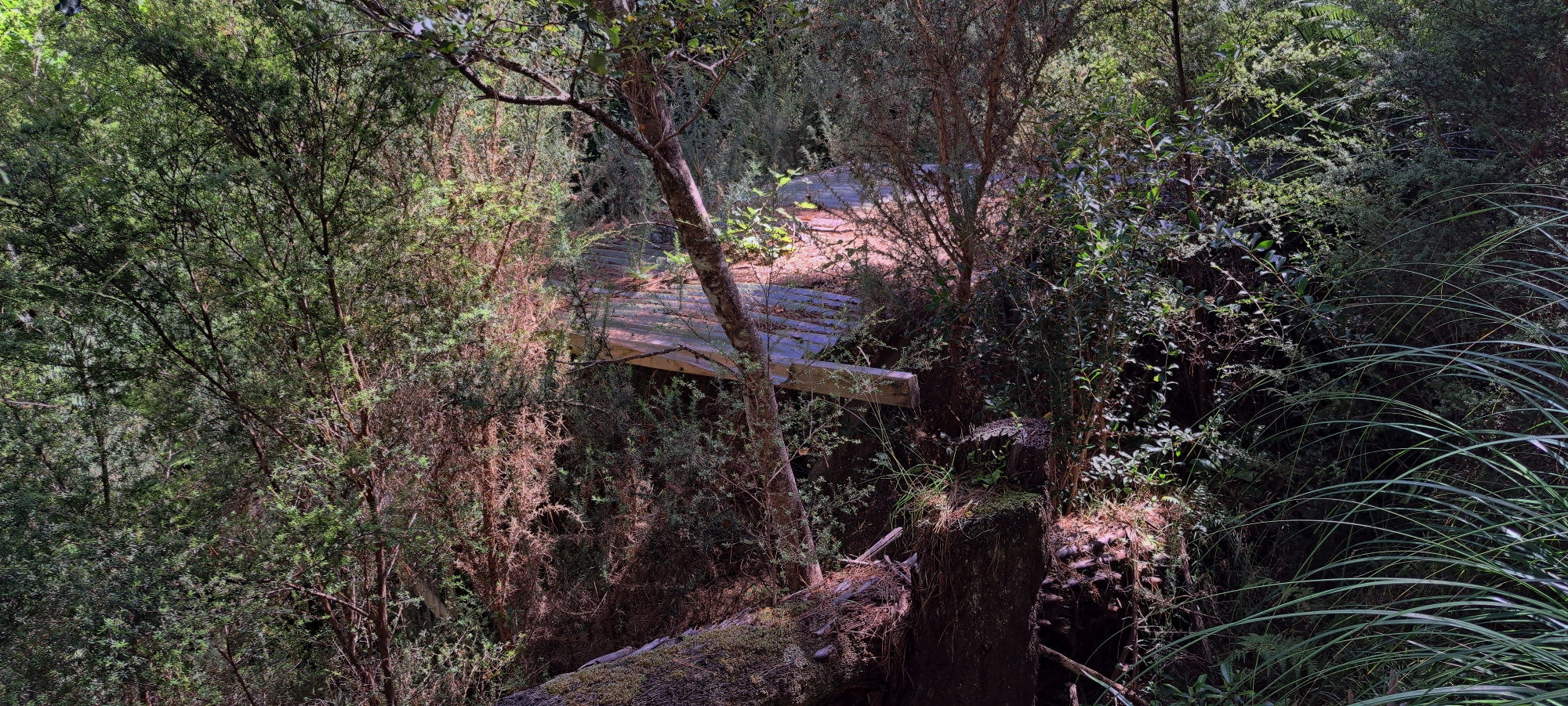
Along the way I came across a collapsed structure now largely hidden beneath forest litter, followed later by a still intact structure wrapped in chicken wire, possibly the remains of an old chicken coop. I crossed several small gullies where the streambeds were dry, though they likely carry water in winter, and eventually reached a larger gully with a flowing creek. I suspected this was the gully situated behind Sinclair House.
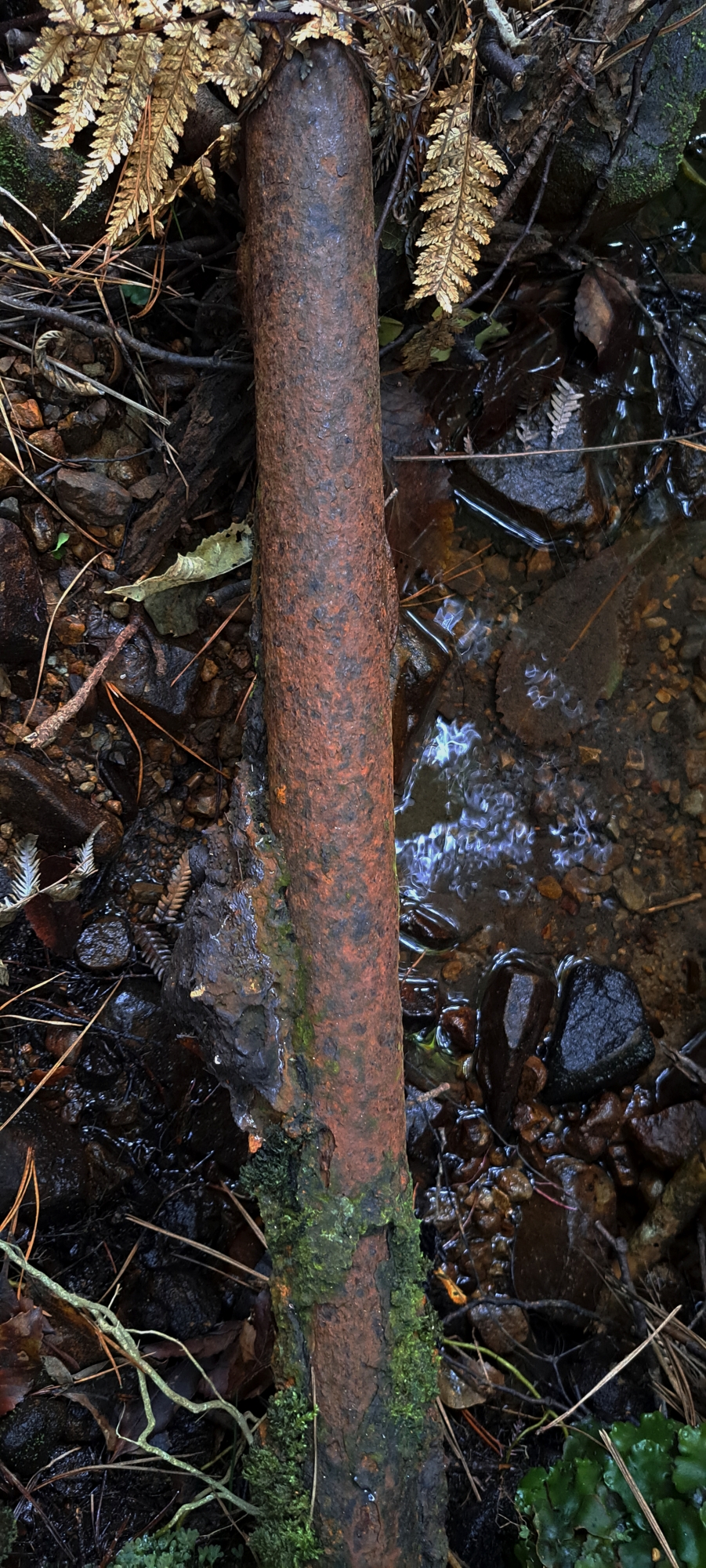
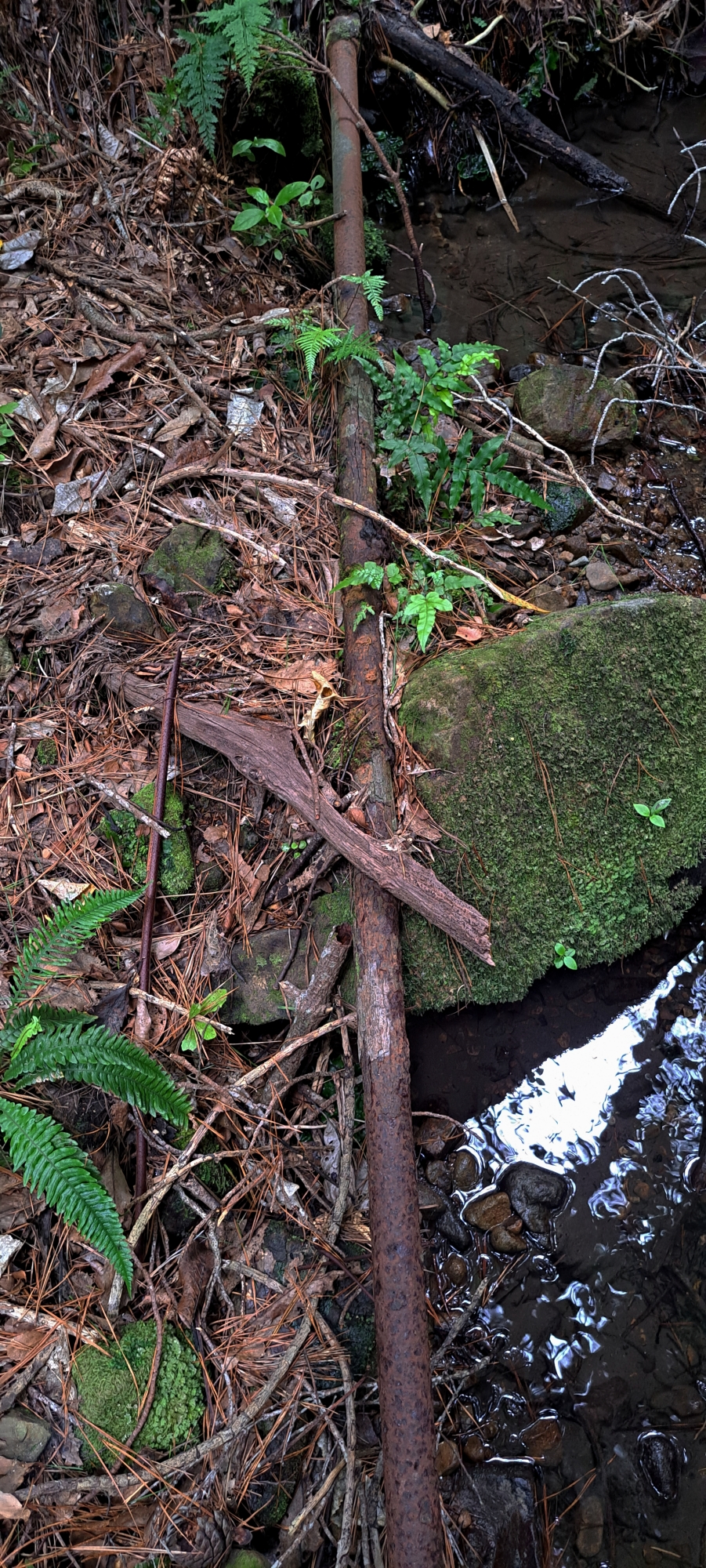
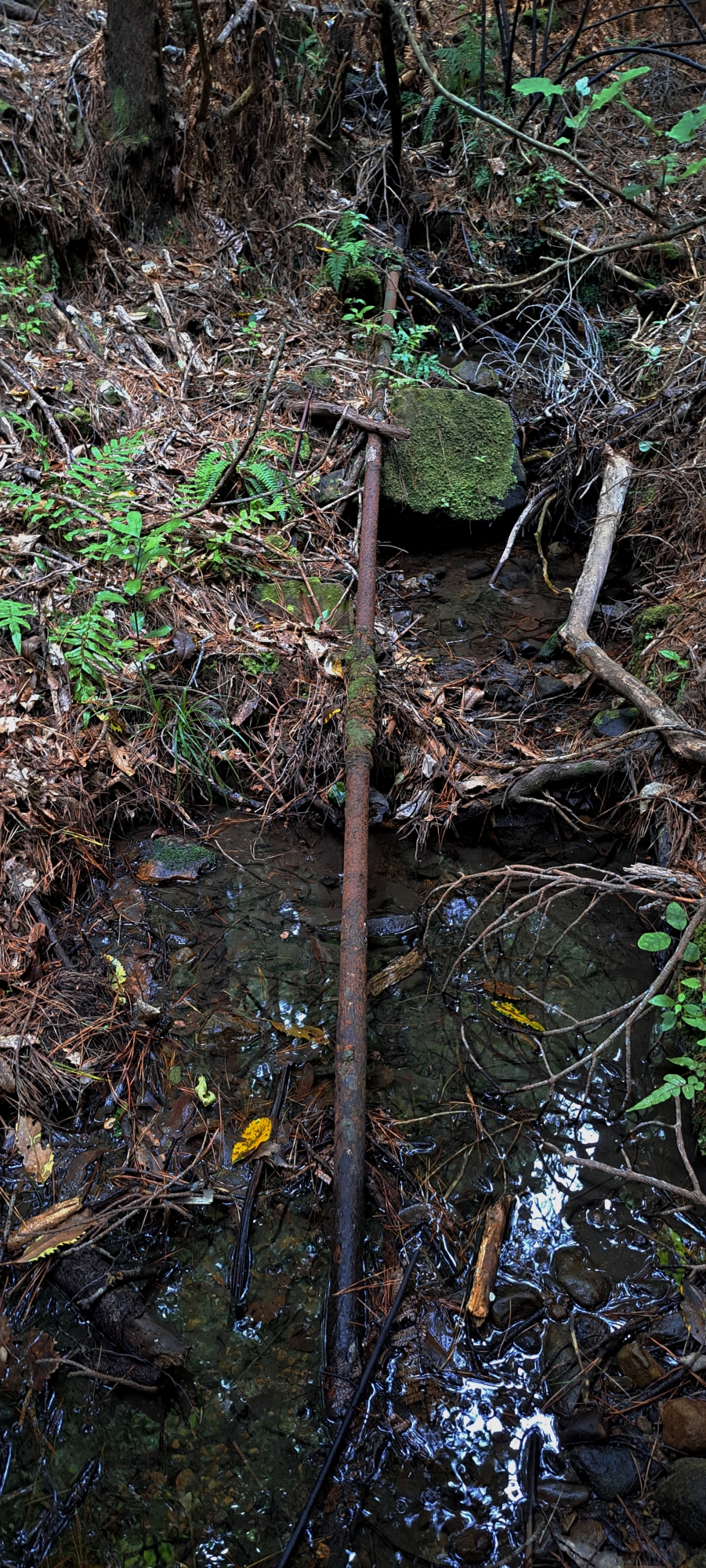
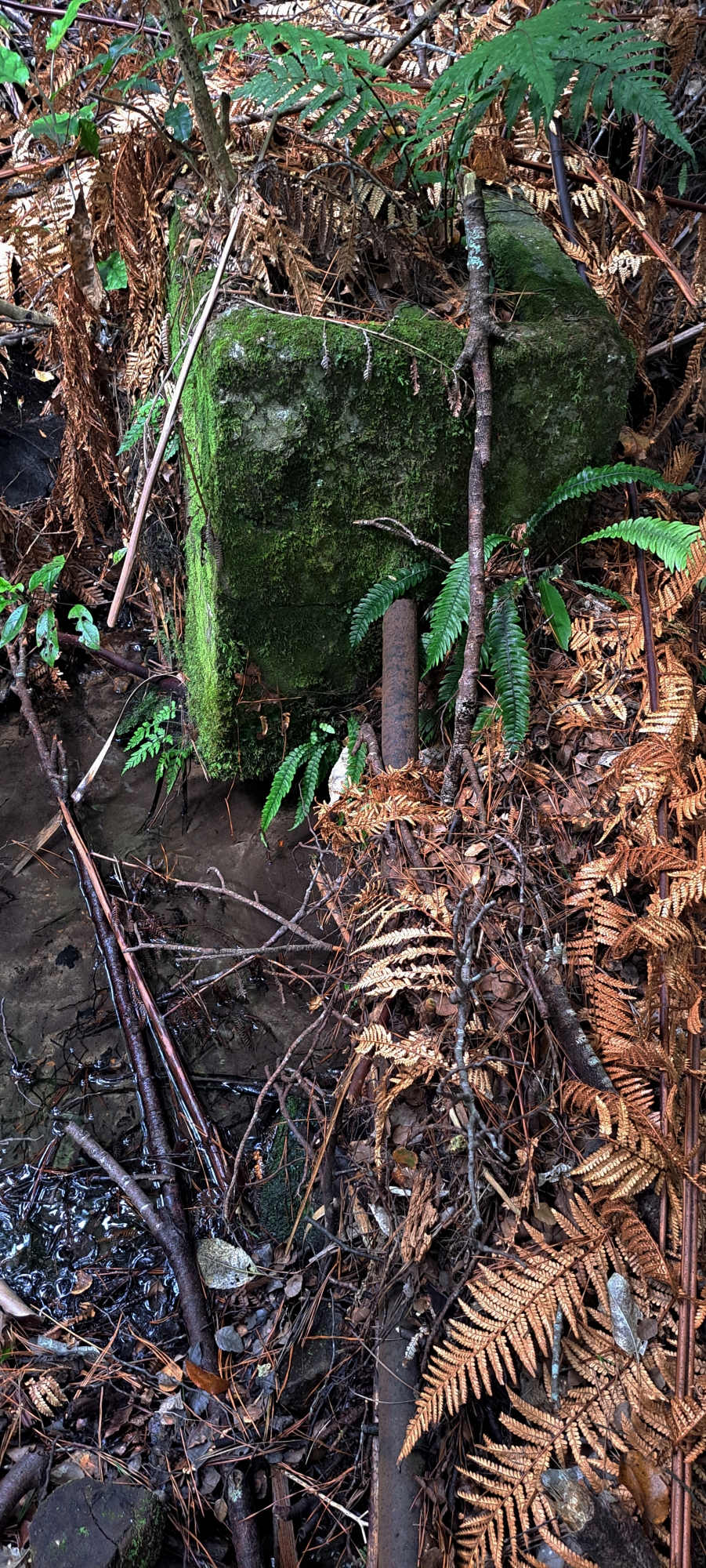
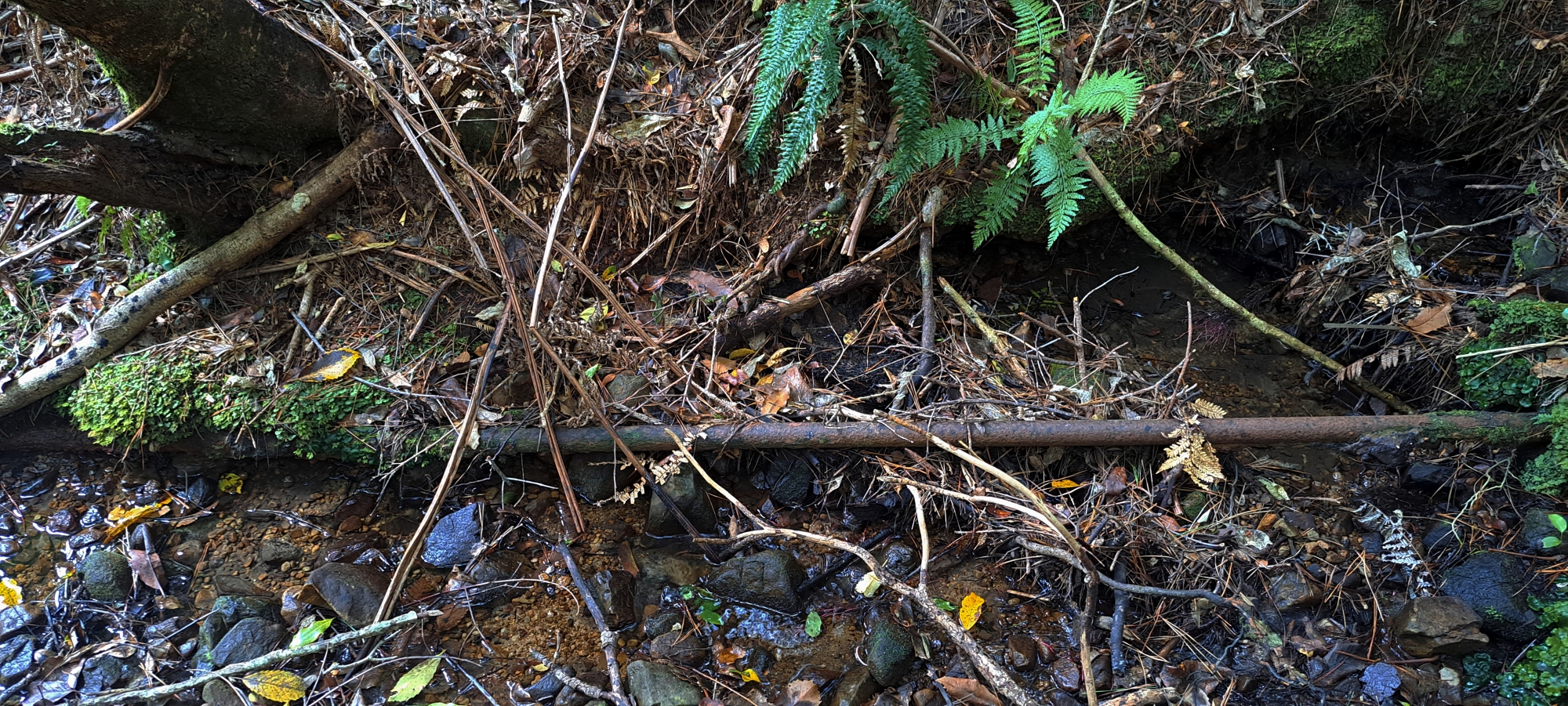
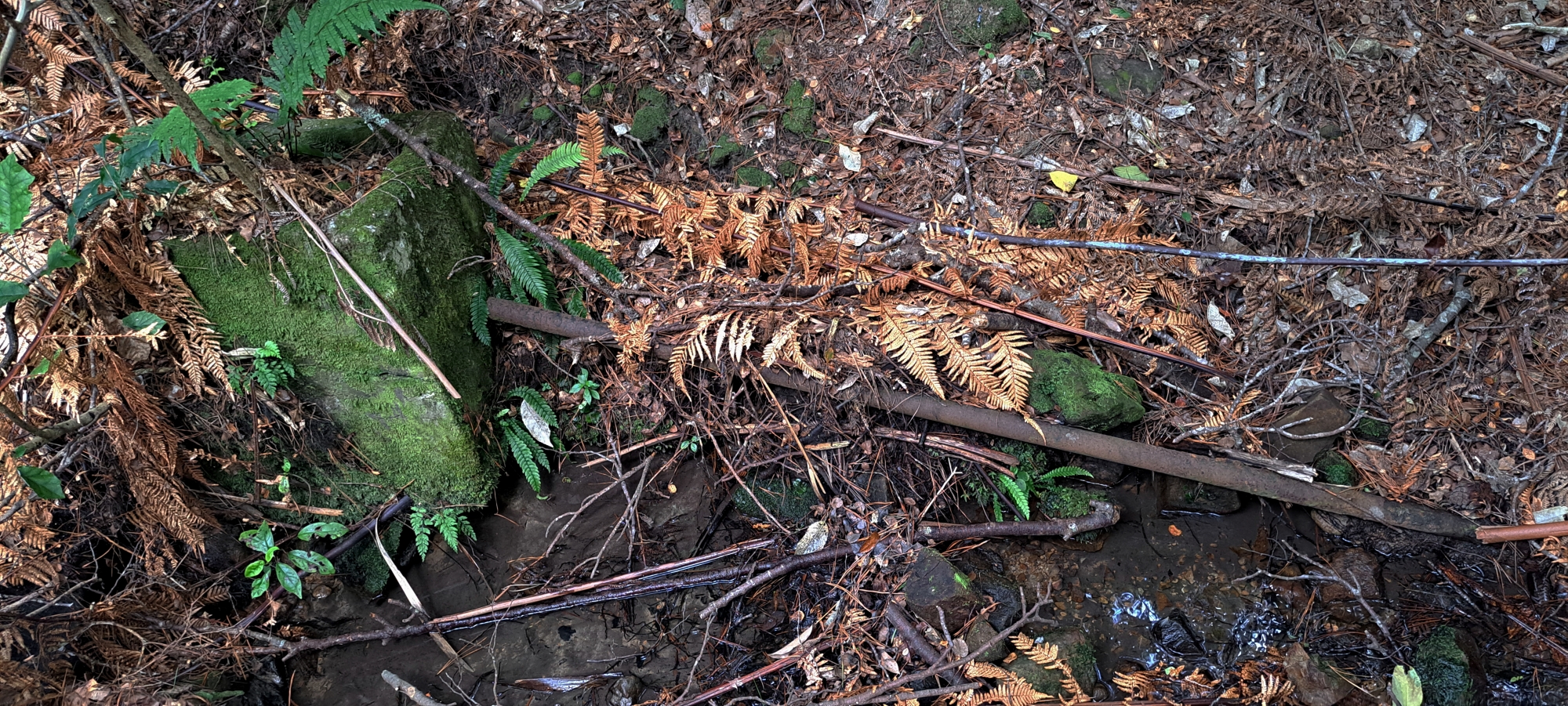
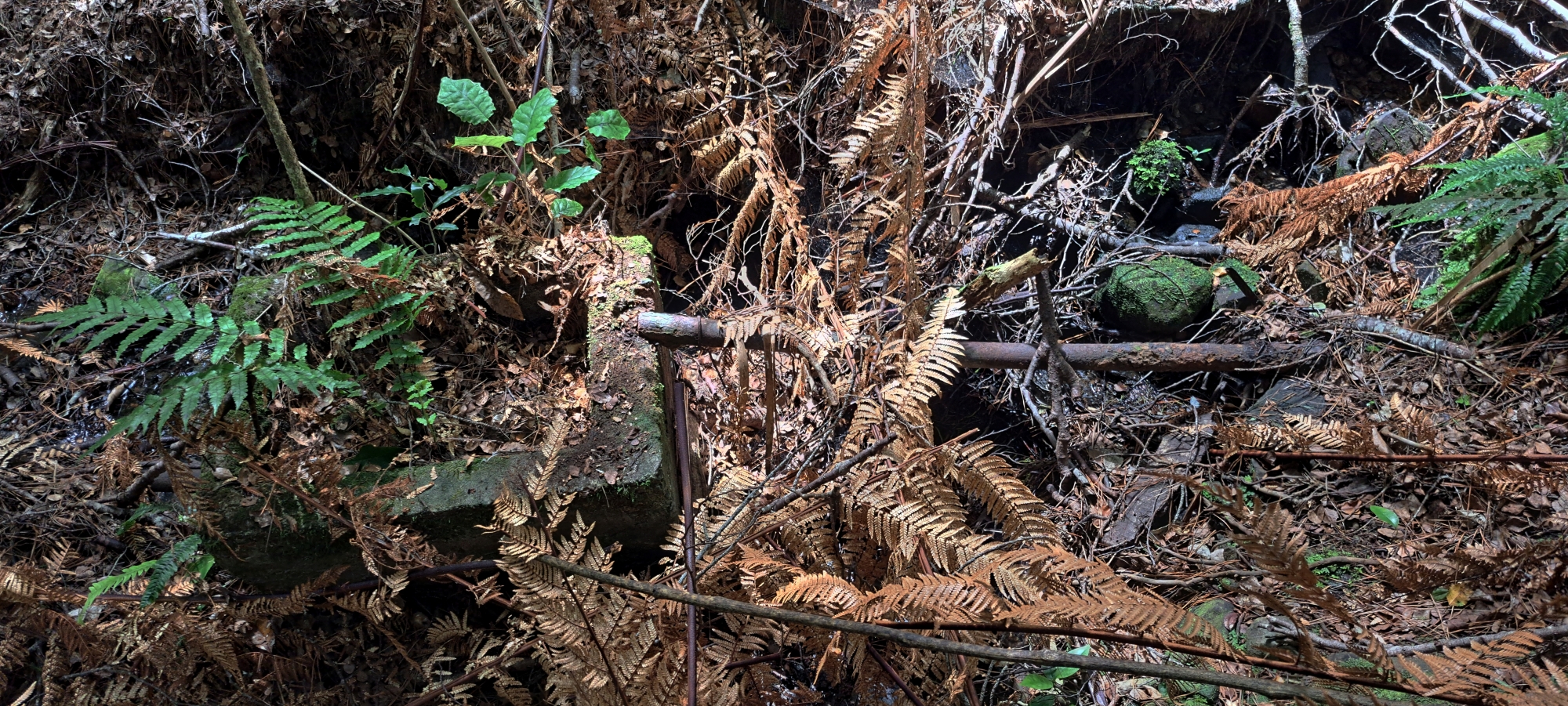
As I moved down the gully wall toward the creek, I quickly encountered an old pipe sitting in the creek. It was exactly the type of relic I had hoped to find, sitting in plain sight in an area few people would venture into. In the early days of Wainuiomata, many homes were built near creeks, as they provided the closest equivalent to running water for household use.
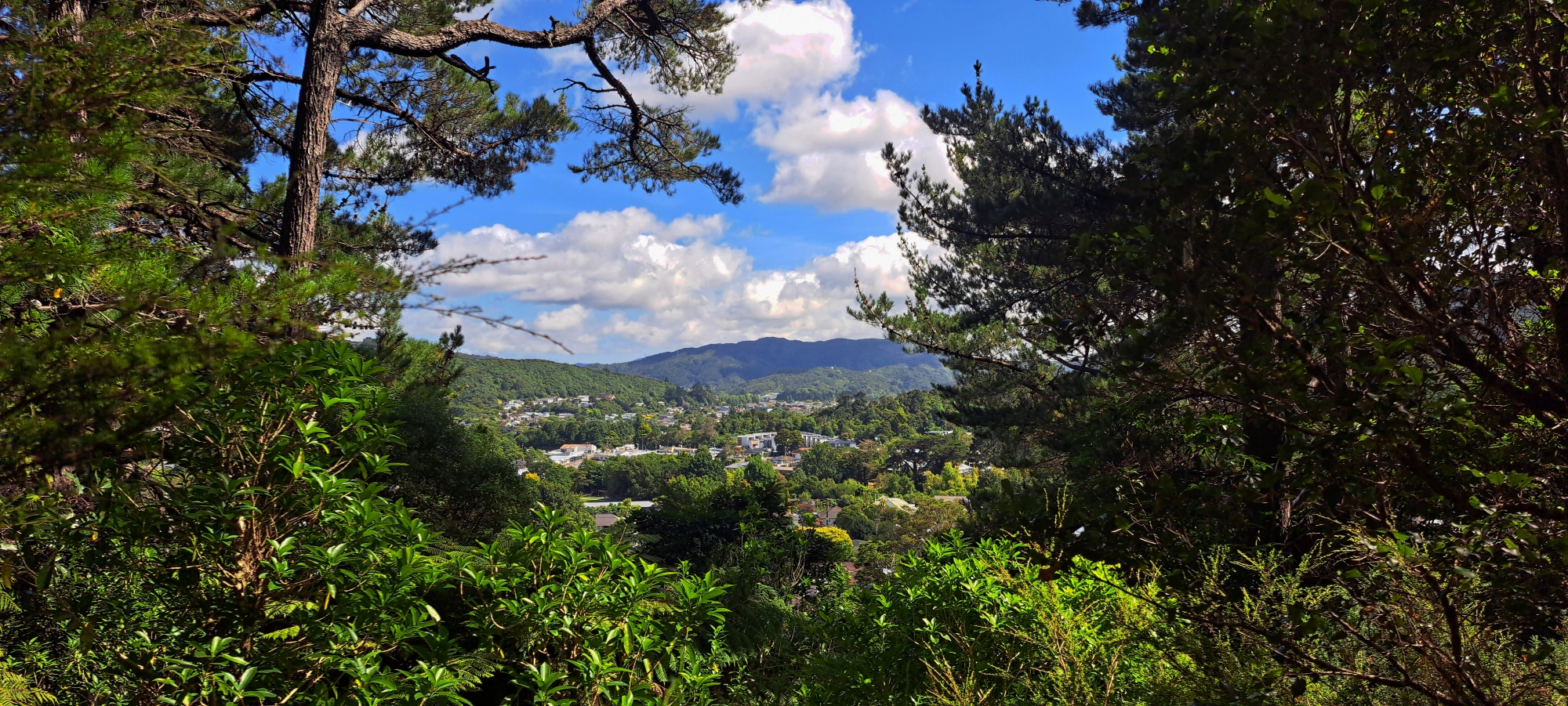
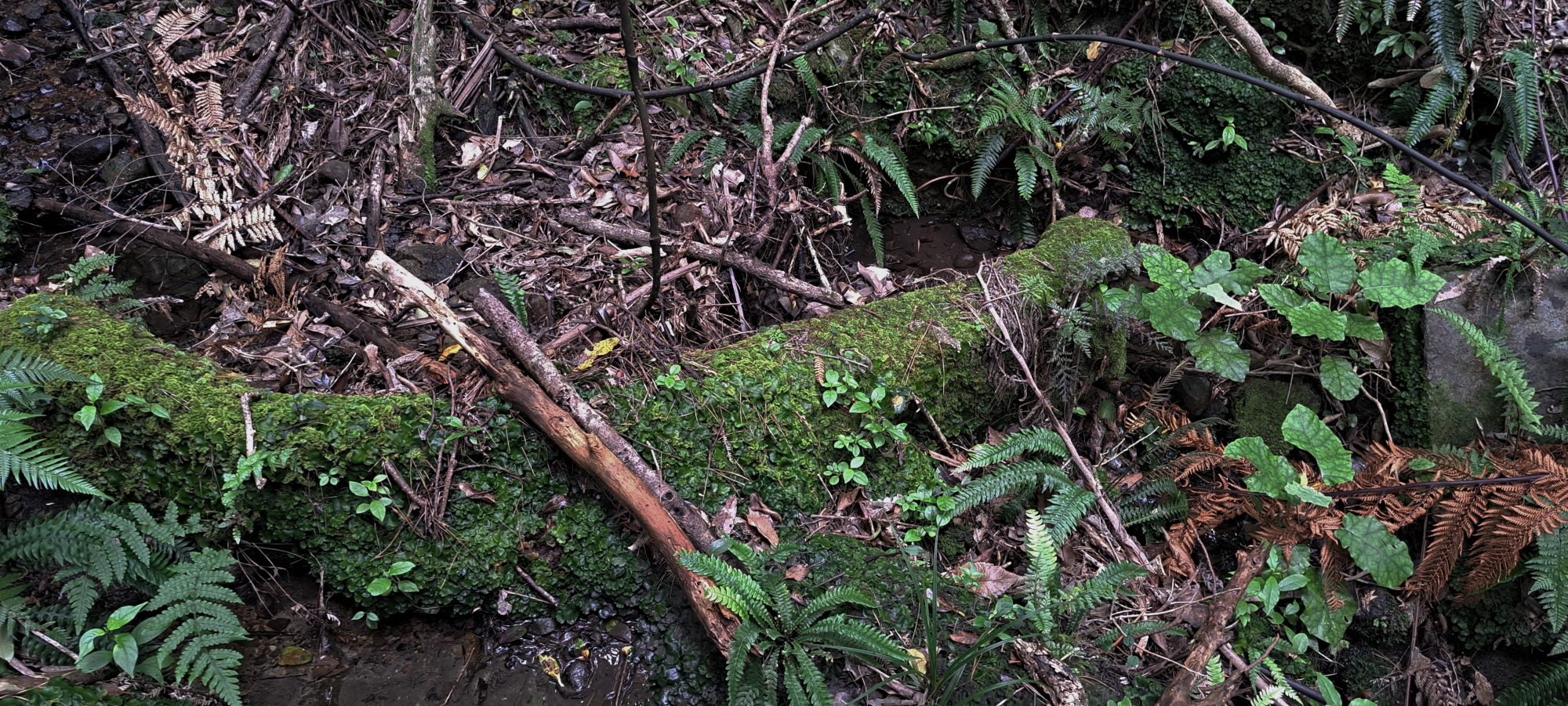
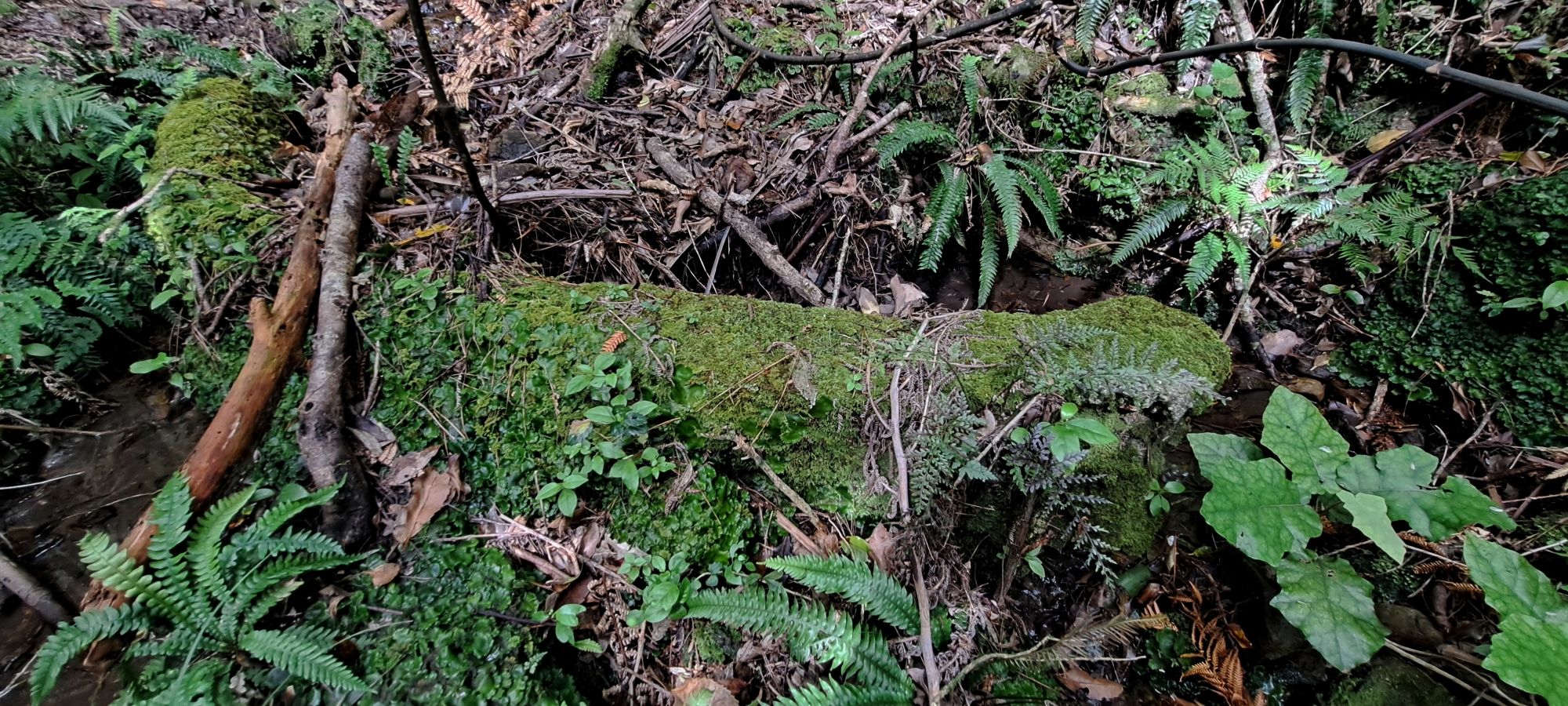
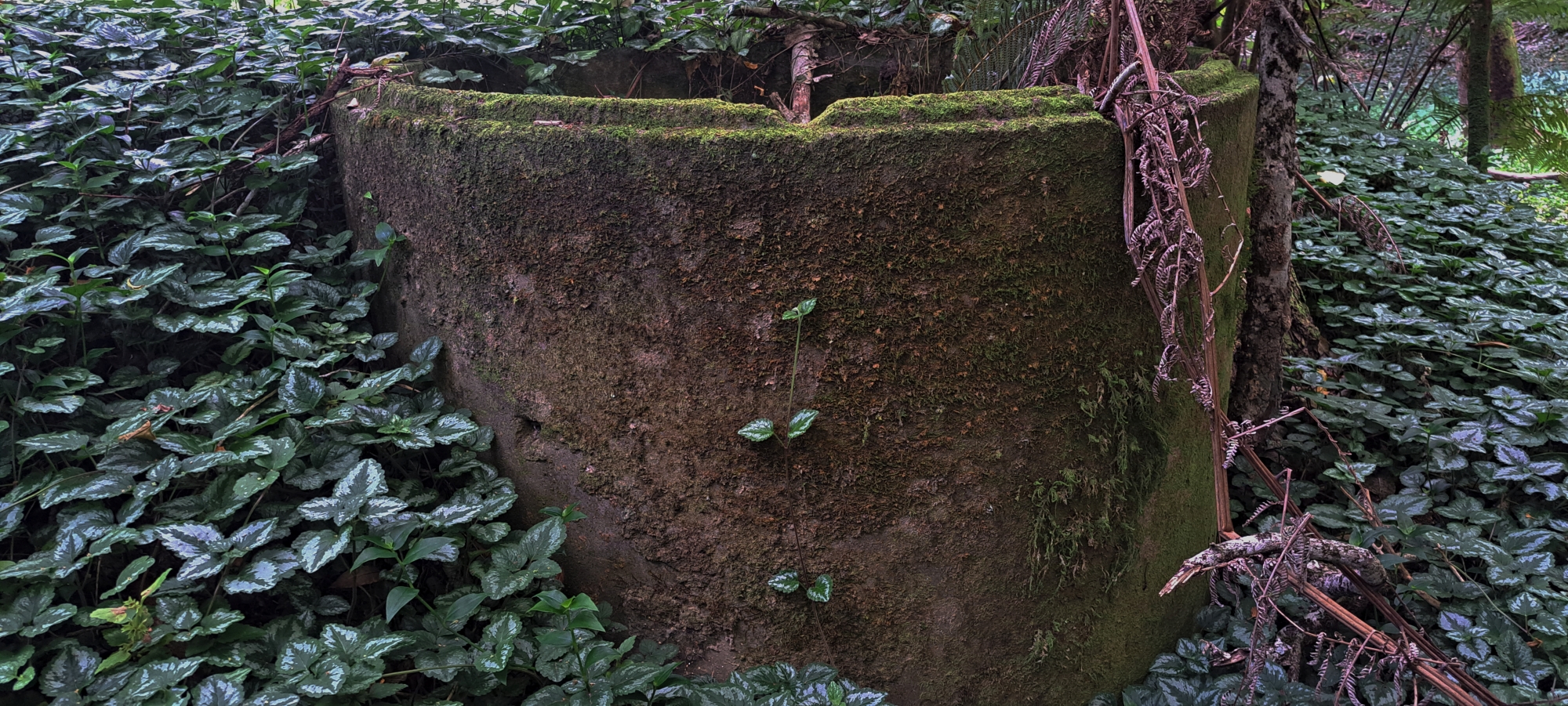
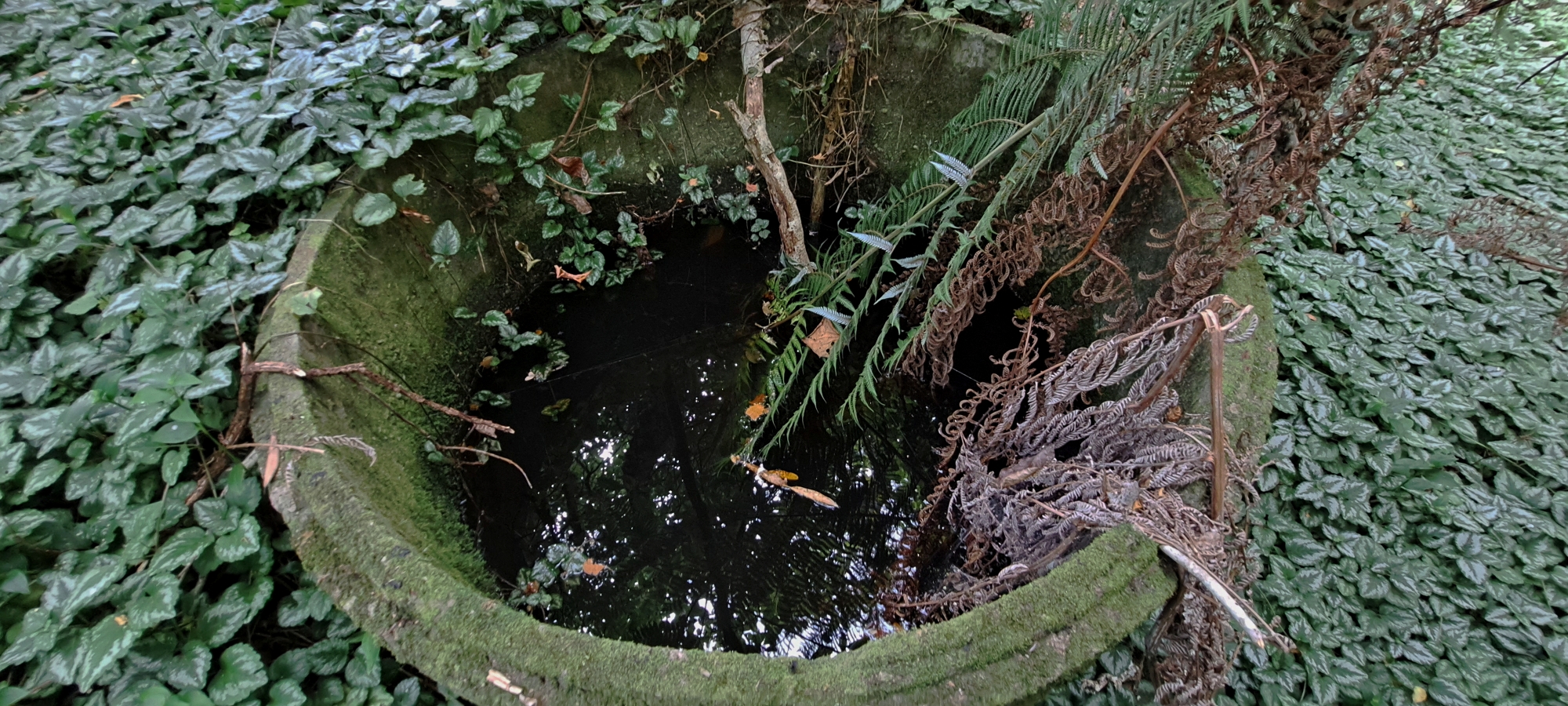
I then made my way toward the vicinity of Sinclair House, taking care not to enter the property itself. Using homes.co.nz to check the boundary, I followed the pipe downstream until it reached a small concrete wall that may once have served as a small dam, perhaps for a bathing area. Near the boundary I also noticed a concrete cylinder below the dam which may have been more modern, and an old shed partly concealed within the bushline. From within the forest I could see a couple of nearby houses, though it was difficult to determine exactly which ones they were, but I successfully identified one of them when I moved and got a different view.
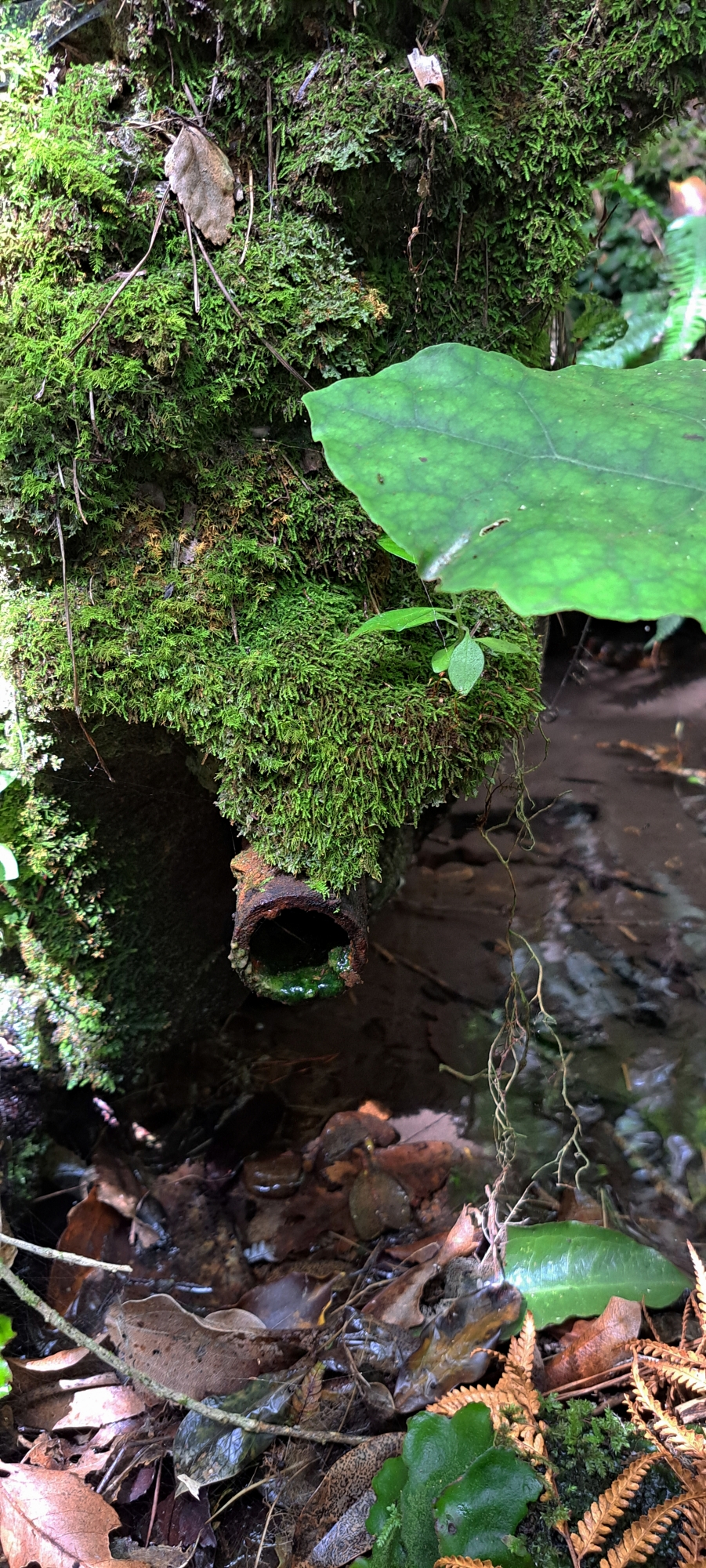
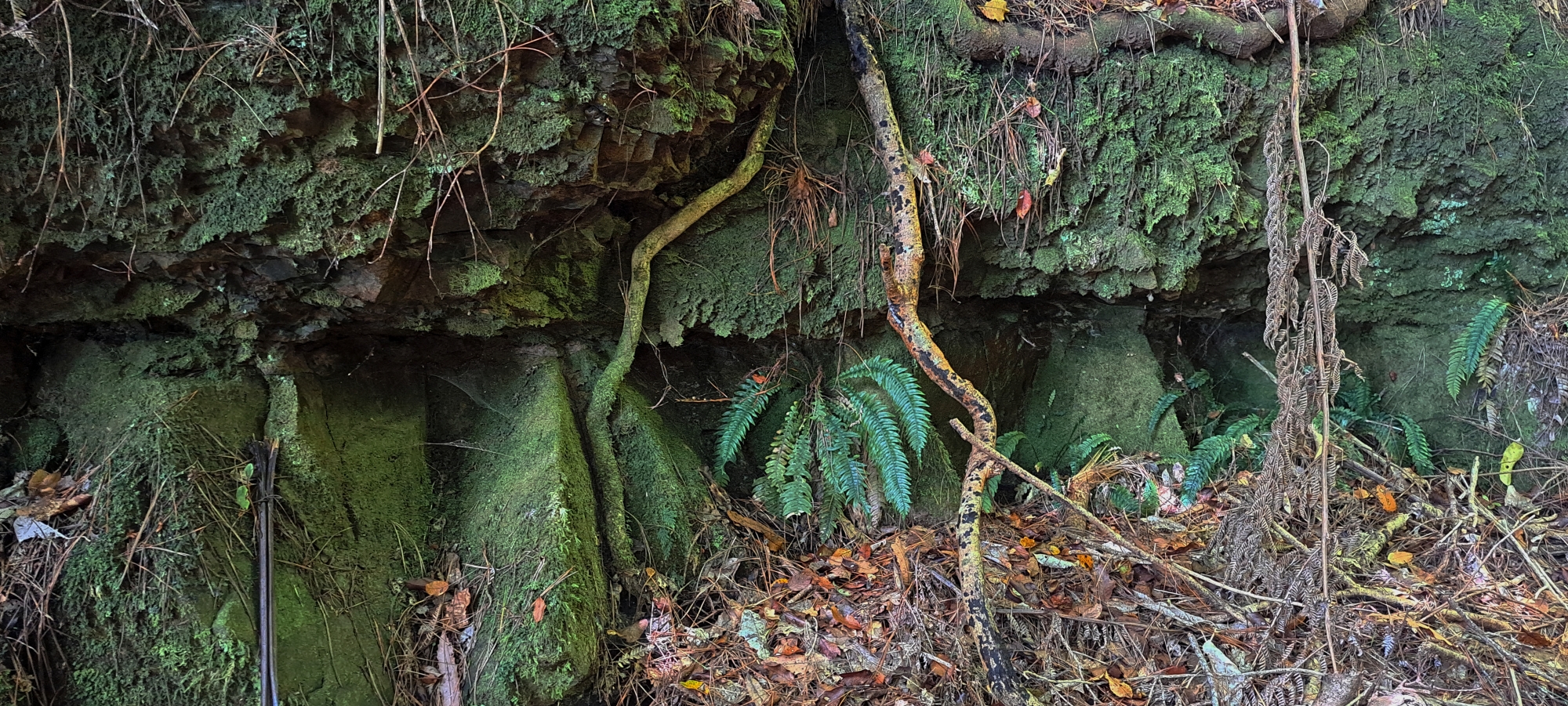
Turning back, I followed the pipe upstream along the creek, continuing beyond the point where I had first entered the creek bed. The pipe extended to a small weir, the point where water had once been diverted into the system. From there I continued further upstream until the flow of creek water ceased. Along the way I passed an unusual natural rock strata where a regular shaped layer appeared to rest upon pillar-like supports, probably due to erosion of smaller material at the bottom layer leaving larger rocks wedged underneath.
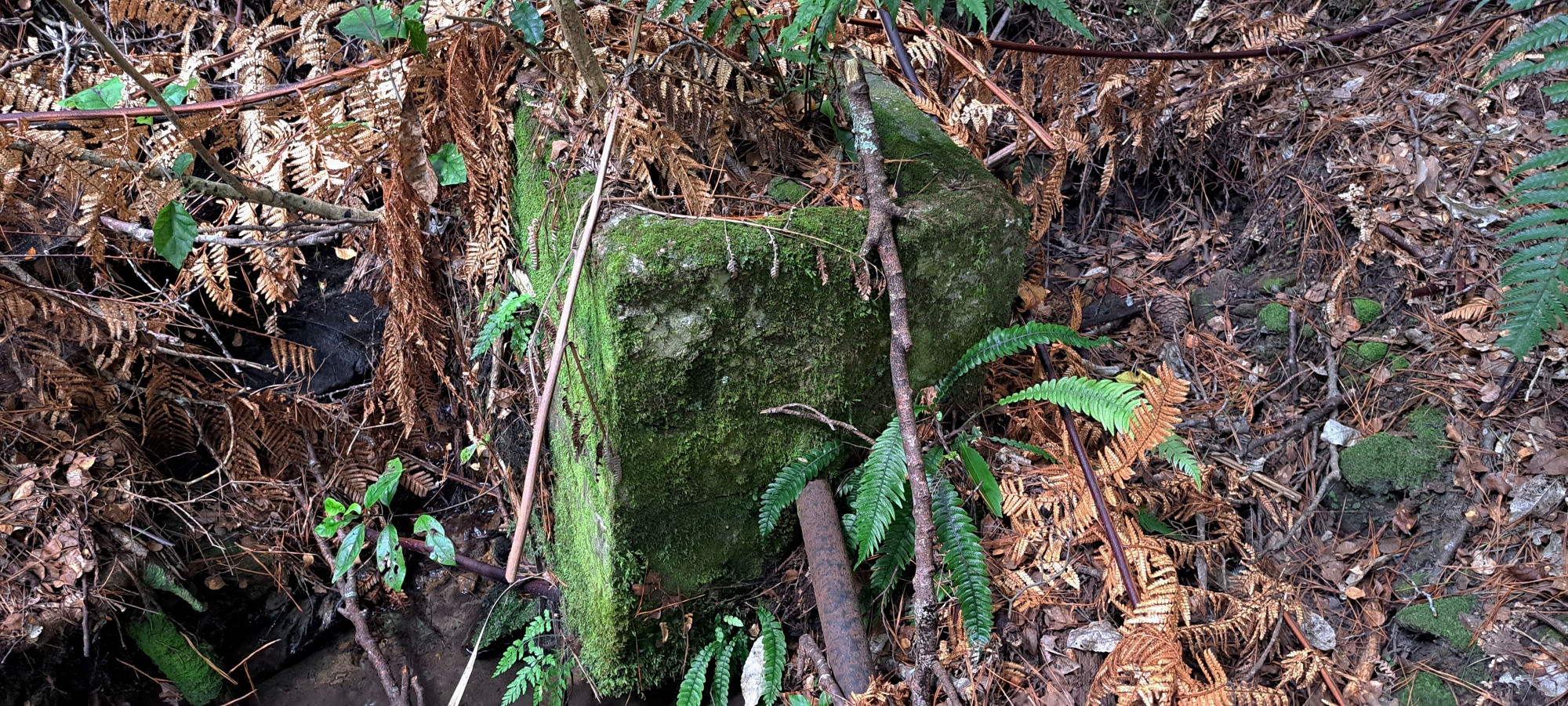
As I approached the upper end of the gully, the vegetation became denser, but the gully wall provided an easier route upward. Near the top, a large rock sat on a small flat terrace, and just above it the Harry Todd Track came into view. Once on the track, I looked down at the rock and noted it as a useful landmark should I return, as this is a far easier access point than my original route into the gully.
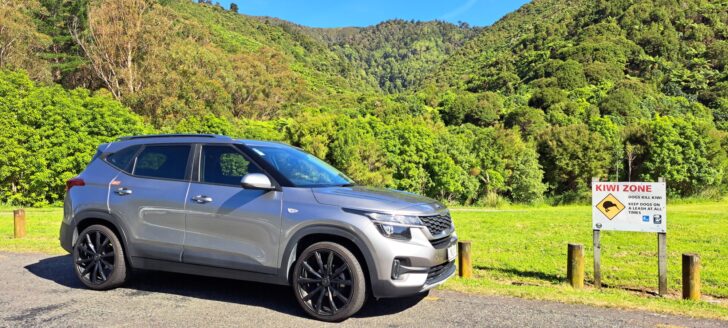
From there, it was a pleasant and straightforward walk down the track and back to the car. Once inside, I drove along Hine Road to gain a clearer sense of the area I had just explored. I soon realised that the gully and old water catchment actually lay behind a neighbouring present-day property rather than directly behind Sinclair House. However, the original boundaries of the Sinclair property were probably different from those seen today, and it is unlikely that anyone at the time would have built a house directly over a creek if suitable land had been available beside it. Logically, it therefore seems likely that this creek with a small weir and pipe system next to Sinclair House was likely an old water supply for this dwelling which was built in the early 1860s.