
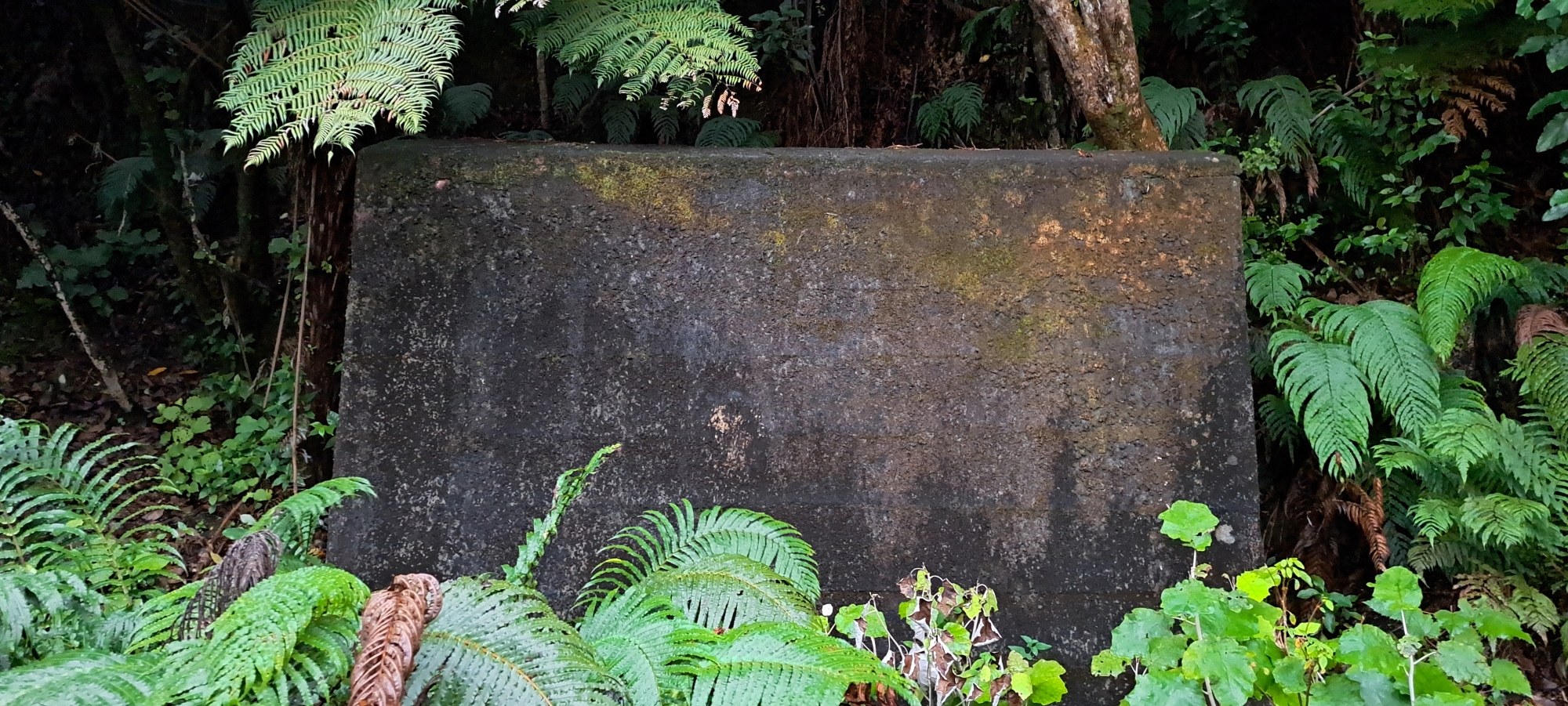
Wainuiomata contains several concrete structures built to house meters, filters, and water treatment equipment linked to the pipelines that supplied or supply water to the wider Wellington region. Many have since been decommissioned, some demolished entirely, others left to weather in the regenerating bush, while a some still remain in use today.
Venturi meters for example, played a vital role in the region’s early water-supply monitoring system. These precision instruments measured the volume and flow rate of water moving through the main pipelines supplying Wellington from both the Wainuiomata and Orongorongo catchments. By narrowing a section of pipe and recording the difference in pressure, engineers were able to calculate water flow accurately without interrupting supply, an important innovation in the development of municipal water management.
Filters also played a vital role in maintaining water quality by removing debris, sediment, and other impurities before the water entered the main supply network. This process helped keep the system clean and efficient, reducing wear on pipes and preventing blockages.
Water Treatment plants on the other hand tend to be housed in larger concrete structures and two are still in use today.
Each water-supply structure was built from reinforced concrete to protect its sensitive equipment from dirt, weather, and environmental damage. Historical records and old newspaper reports often referred to these durable buildings as “houses”, “chambers”, or “plants”.
The following list identifies known concrete houses and huts that once played or still play a vital role in Wainuiomata’s water-supply infrastructure, some of which are now concealed by regenerating forest or no longer exist.
30-inch Venturi Meter House
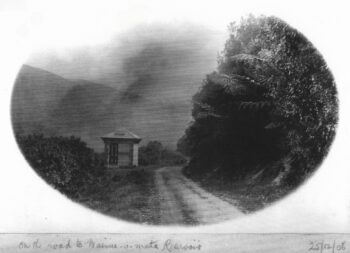 Around 1902, a new 30-inch pipeline was installed in Wainuiomata to replace the old 1880s water race that carried water from the Lower Dam to the main supply for Wellington. Alongside this new section, at least one Venturi meter was fitted within a small concrete and brick hut to measure the volume and flow of water through the system.
Old O-K Venturi Meter House
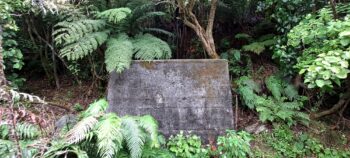
Orongorongo Meter House is a small, solid concrete structure resembling a hut, situated on the hillside above the Orongorongo pipeline. Built in the early 1900s, it formed part of Wellington’s early water-supply infrastructure, serving as a monitoring point along the pipeline that carried water from the Orongorongo catchment to the city.
O-K Venturi Meter House
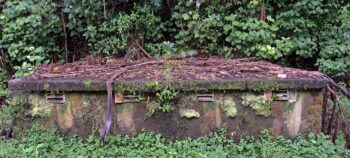 The O-K Venturi Meter House contains 4 venturi meters that were used to measure water flow in the Orongorongo pipeline. This was likely installed around the same time that O-K Main Kinney Strainer Chamber was constructed.
Wainuiomata Chlorine Plant
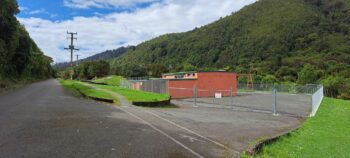 In 1963, construction began on a chlorination plant to serve both water supplies, with permanent chlorination and fluoridation facilities completed by 1964–65.
O-K Main Kinney Strainer Chamber
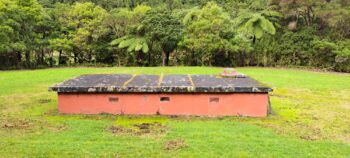 The O–K Main Kinney Strainer Chamber is located between the Lower Dam and Morton Dam, but it is not directly connected to either. Instead, it was introduced to the the O–K pipeline system in the 1960s. It was designed to filter out debris such as dirt, rust, and organic matter from the raw water before it continued through the pipeline.
Morton Dam Strainer Building
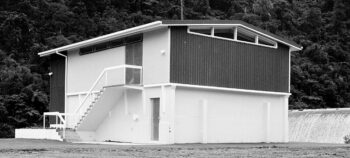 The Morton Dam Strainer Building was located near the outlet of the Morton Dam in Wainuiomata. Built as part of Wellington’s early 20th-century water-supply infrastructure, it housed the strainers used to filter debris, leaves, and sediment from the raw water before it entered the main pipeline to Wellington.
Control Valve Building
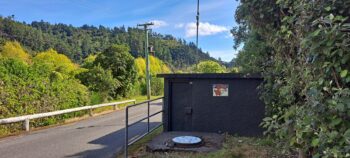 The Control Valve Building on Reservoir Road is a small structure that houses valves and related equipment that regulate the flow and pressure of water within the Wainuiomata pipeline system.
Wainuiomata Treatment Plant
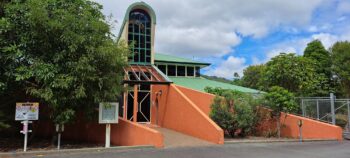 The Wainuiomata Treatment Plant, completed in 1993 near Morton Dam, is supplied by five river intakes from both the Wainuiomata and Orongorongo catchments. This plant is the replacement for all strainer buildings in the area.



DISCUSSION