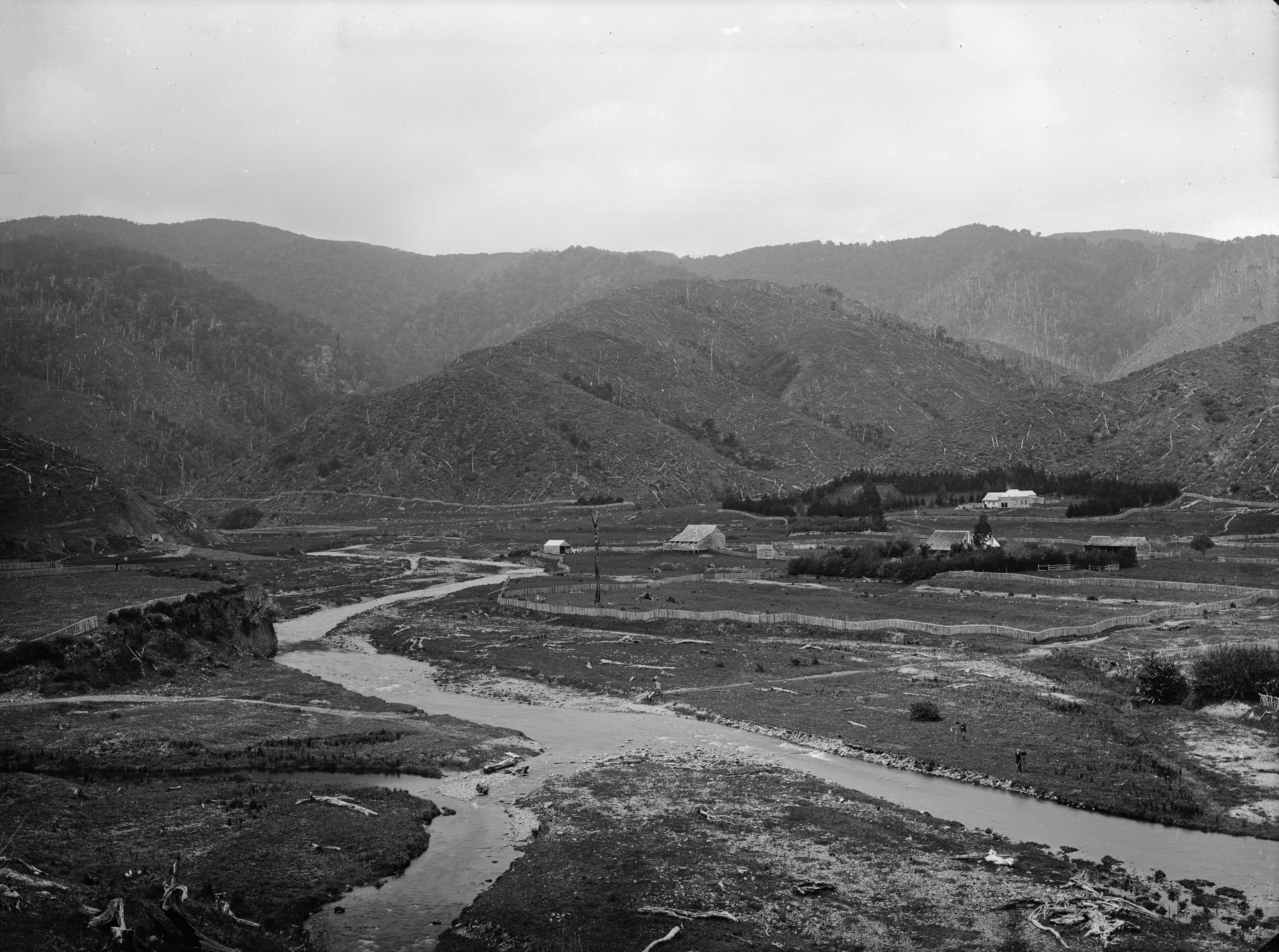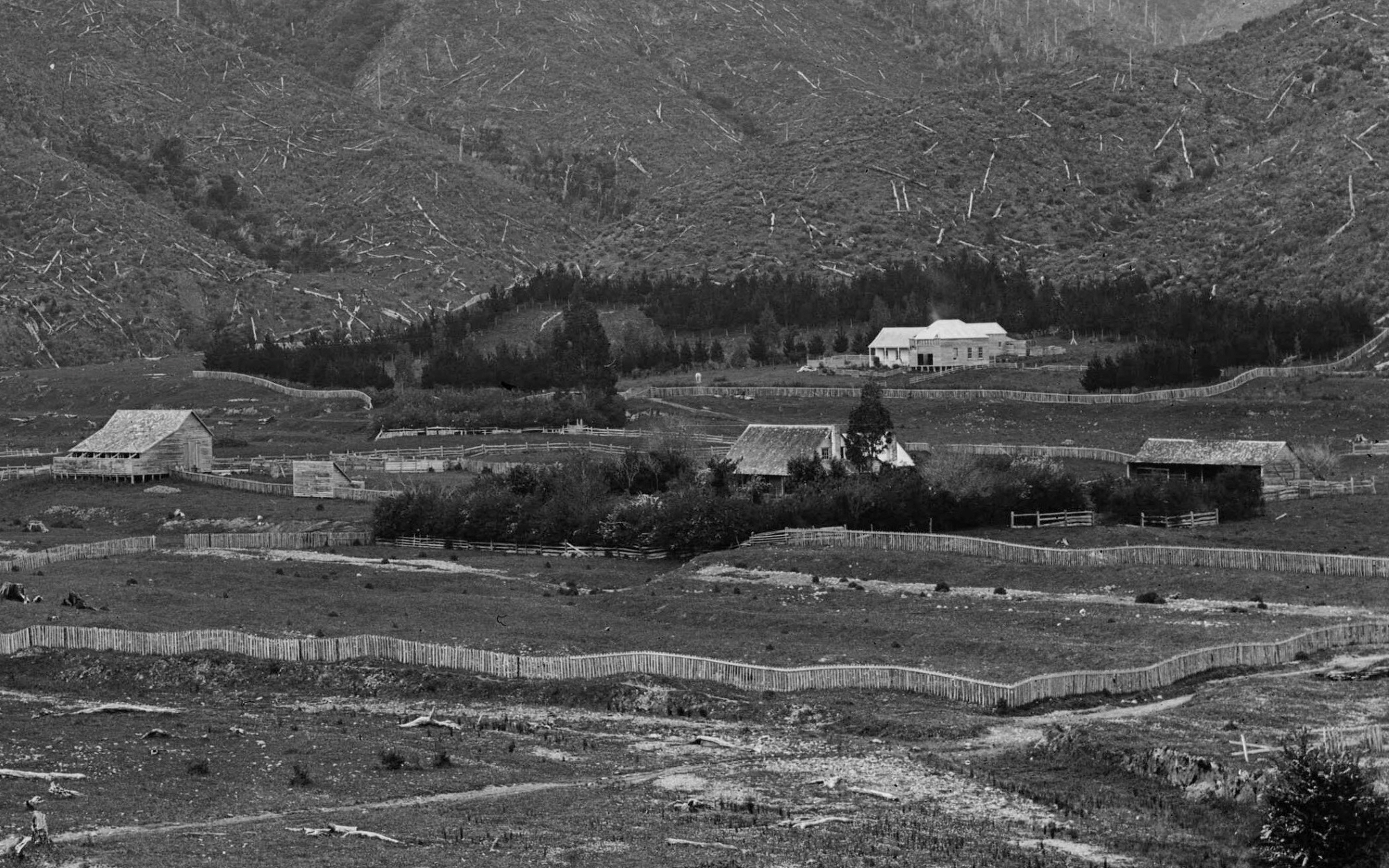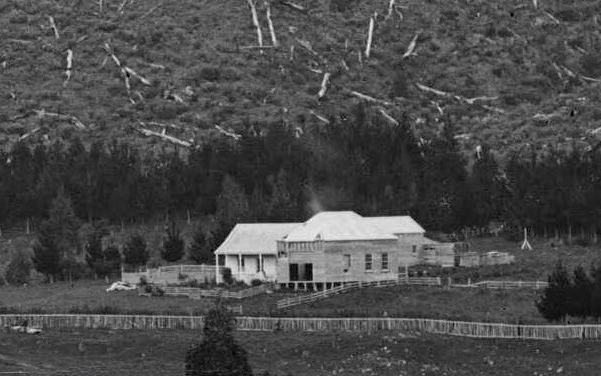
Pictured are buildings at Glenhill. You can see a larger house with a smaller cottage in front.
Glenhill was a house owned by John Sinclair. The smaller cottage in front still exists at 136 Hine Road. After the Sinclair family sold the property in 1883, it was renamed Riverlea. The house stood from the 1860s. It was close to another Sinclair home called Moness.
By early 1883, the property, along with other Sinclair holdings, was advertised for sale. Glenhill later passed to Arthur Russell, who sold it to John and Mary Wakeham in 1888. In the 1940s, the home was leased by Cephas John (Jack) Cullen (1891–1981). Cullens Bridge, situated at the end of what is now Hine Road, spanning the Wainuiomata River, provided access to the homestead from Reservoir Road.
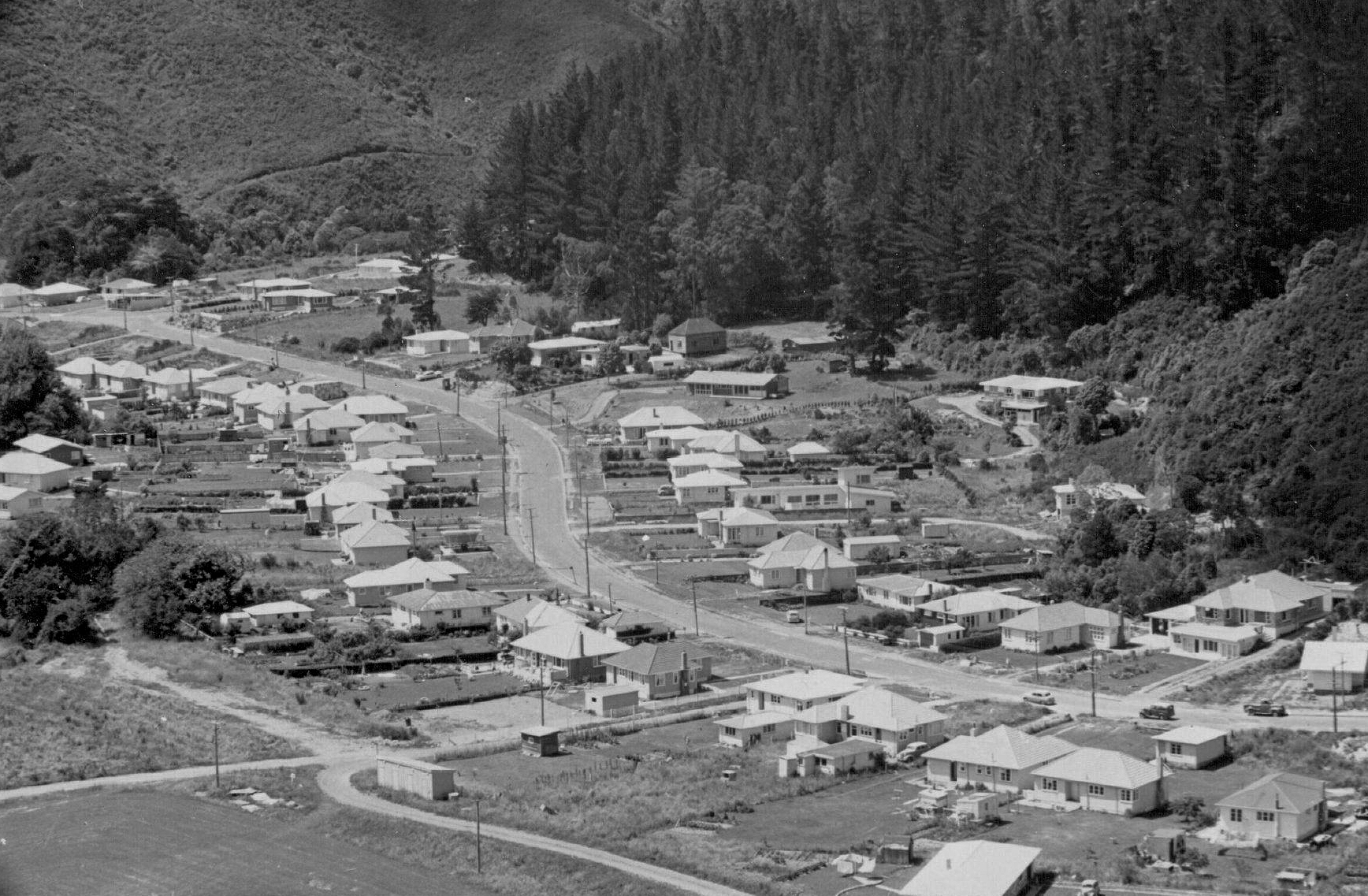
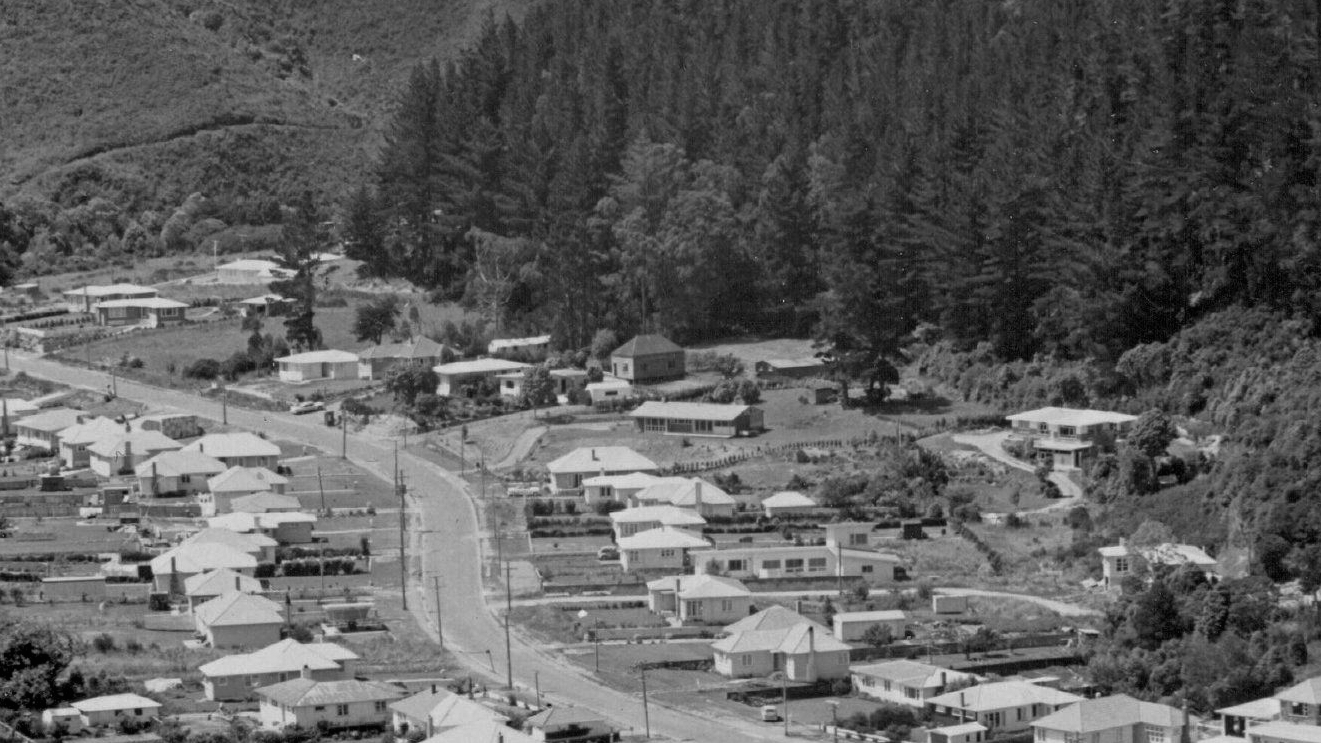 The exact location of Glenhill is visible in this photo dated around 1959. At the centre stands an old building that was a cottage surrounded by newly built homes, helping to pinpoint its position today. While the window layout differs, this is likely due to work done on the building over the years. Most notably, the building is clearly much older than the surrounding houses and it shares the same overall shape and roofline as the structure seen in the 1880s photograph at the top of the page.
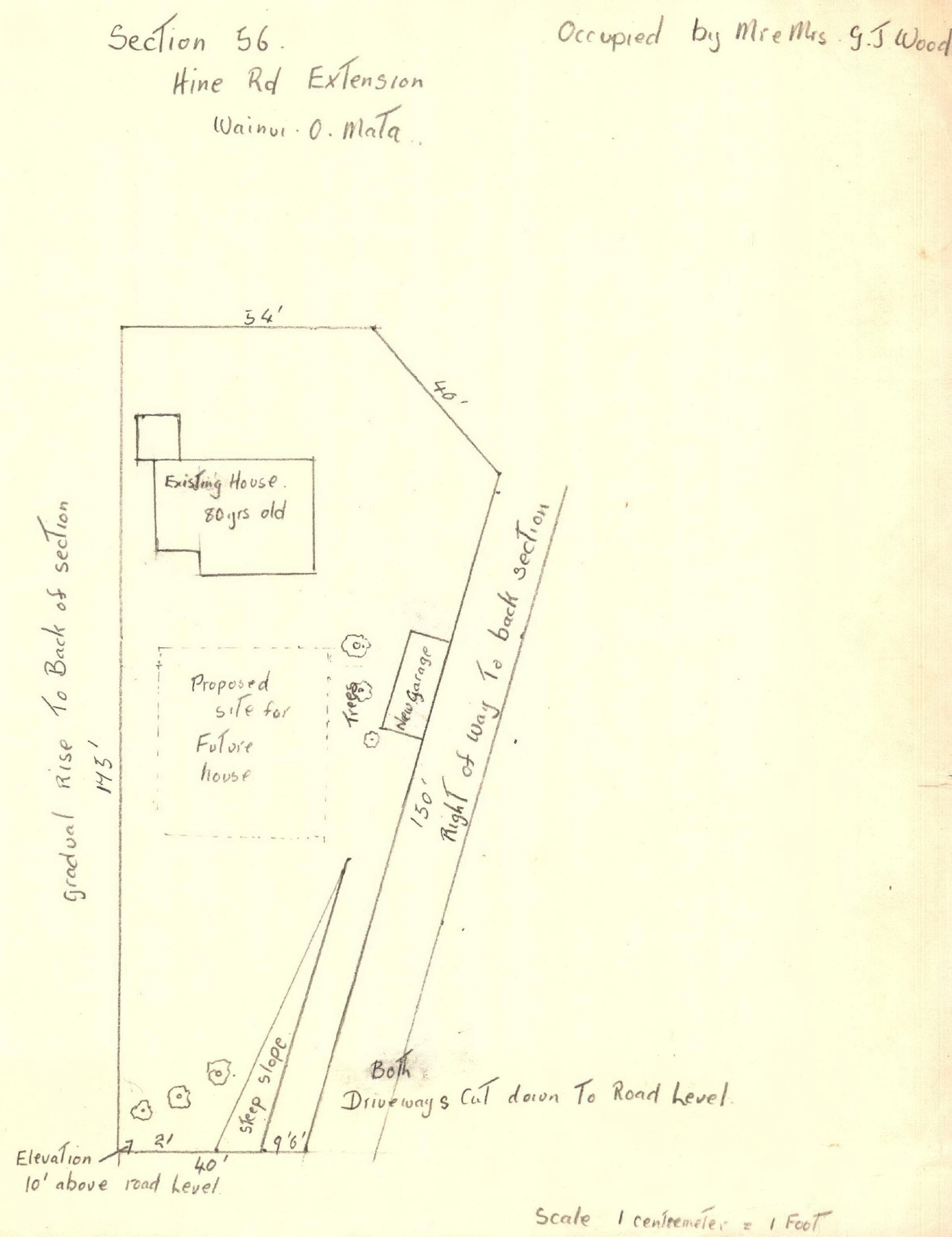 According to council records, when new houses were being built on Hine Road in the late 1950s, 136 Hine Road already had an existing dwelling. The record notes that the house was 80 years old, dating it to the era of Glenhill, and includes details showing the proposed location of a new house and garage which are now there. It also records that the property was occupied by Mr and Mrs G. J. Wood at the time, who may have been related to Wainuiomata’s pioneering Wood family.
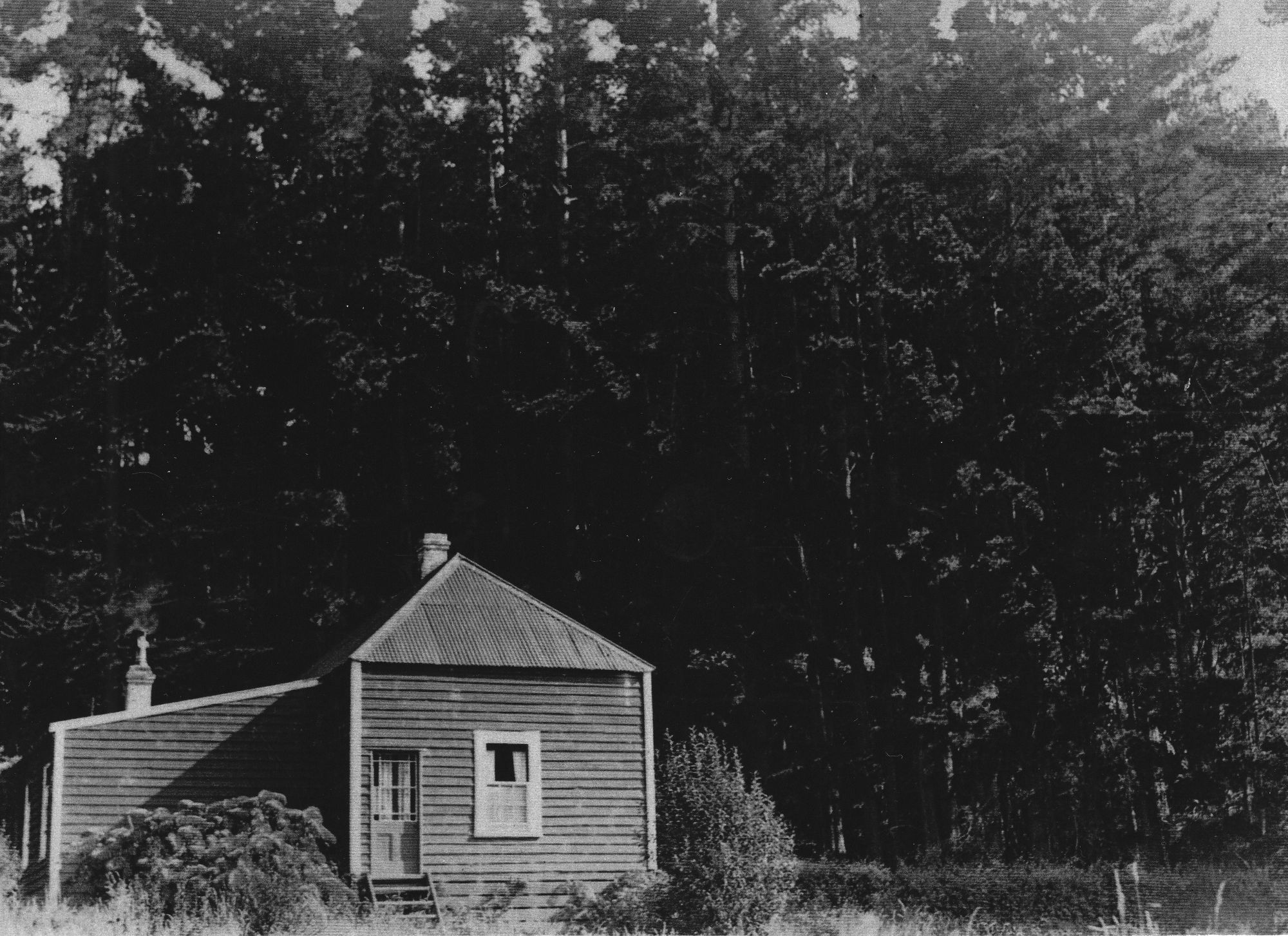
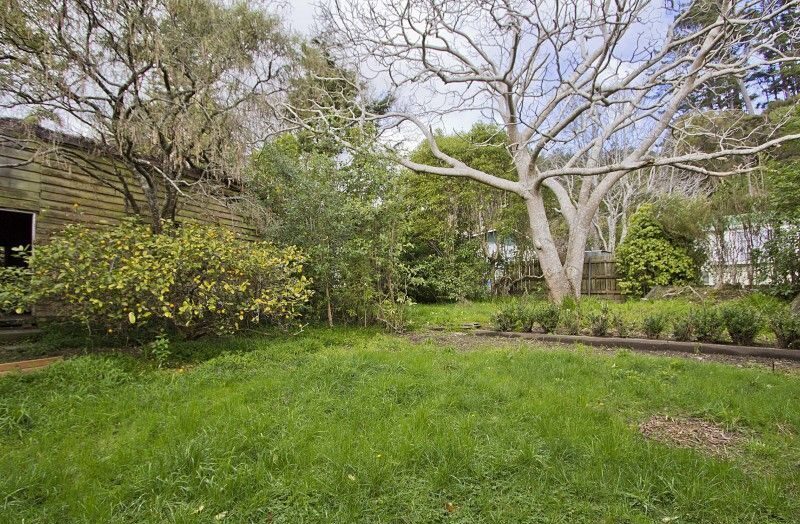
Today the old cottage still stands, visible in the photo to the right or in the gallery below. Its roof has been altered, suggesting it was replaced at some point. 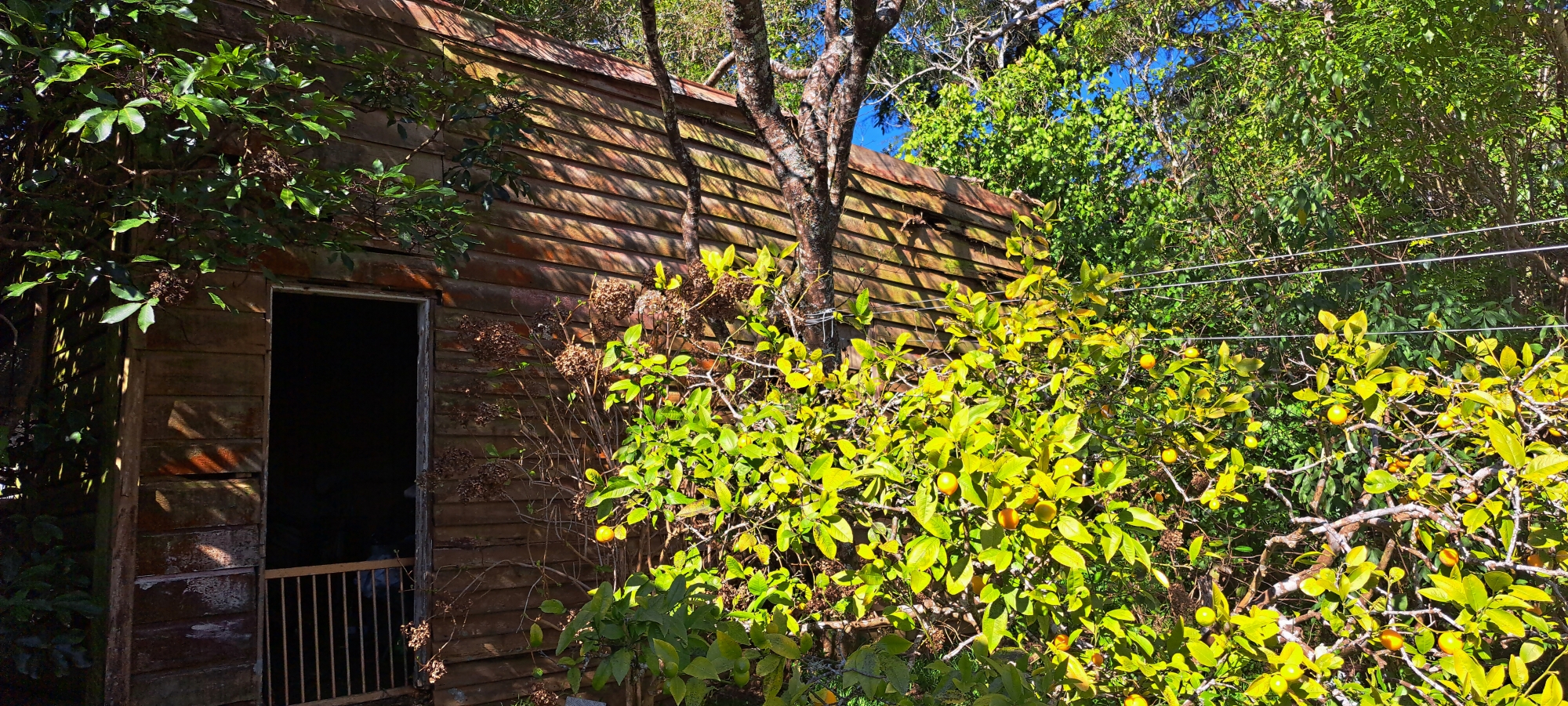 This detail is significant, as when the Sinclair family auctioned their properties one building was described as a three-roomed cottage, yet the existing structure appears to have only a single room. The earlier roofline, however, was higher, which may have allowed for two small rooms under the eaves. Over time, however, the roof was altered to a flat design, removing what may once have been two small upstairs rooms. This possibility is reinforced at John Hugh Sinclair’s inquest, the son of John Sinclair, in which considerable mention was made of a nurse going upstairs to pack.
As for the larger building that was behind the cottage in the photo. It either had 4 or 9 bedrooms according to the same news article that mentions the cottage. So what happened to this larger house? According to one older resident of Hine Road, the building was once used as an insanitary building and if true, then it was demolished upon recommendation of the Public Health Committee. It has yet to be proven however that Glenhill was used for this purpose.
 On the 1948 Norman Willis Subdivision Plan of Hine Road, the outline of the Glenhill property is clearly visible, along with two buildings on the site. One of these structures is the cottage, while the other is an old barn, which also appears in a 1959 photograph.