The Orongorongo-Karori Pipeline:
A Vital Water Supply for Wellington
Before the establishment of the Wainuiomata Water Treatment Plant in 1993, the Orongorongo Pipeline played a crucial role in supplying untreated water to Wellington. Constructed between 1921 and 1926, this engineering project was designed to meet the city’s growing water demands.
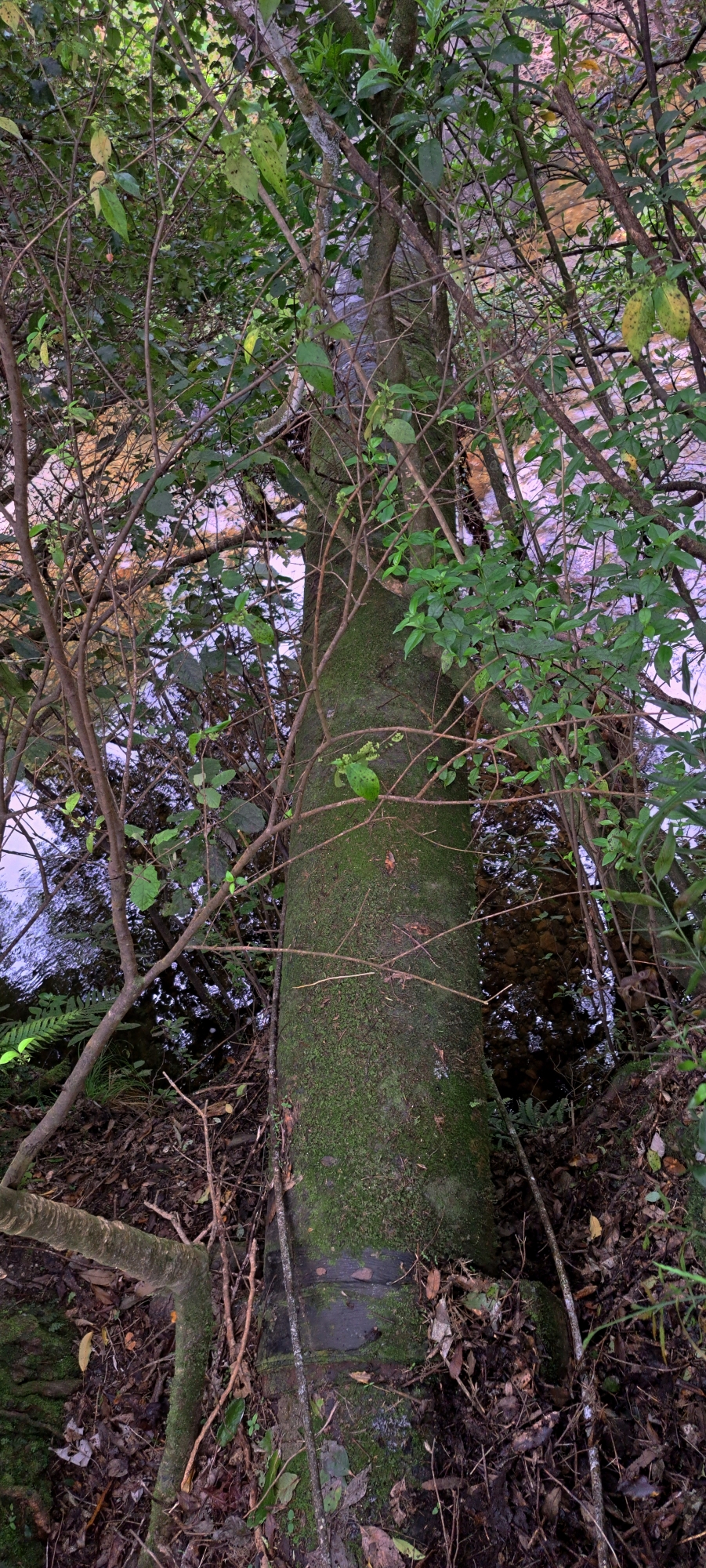
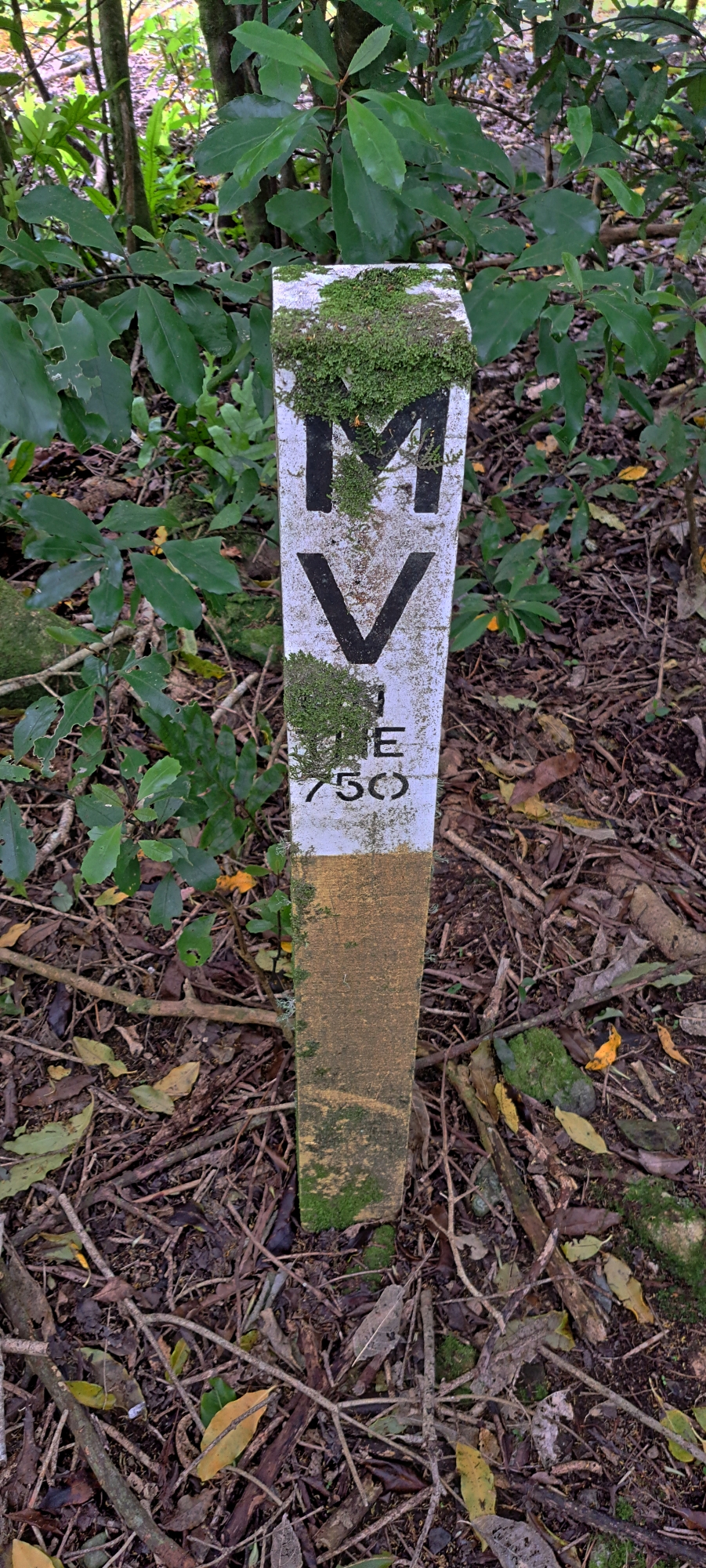
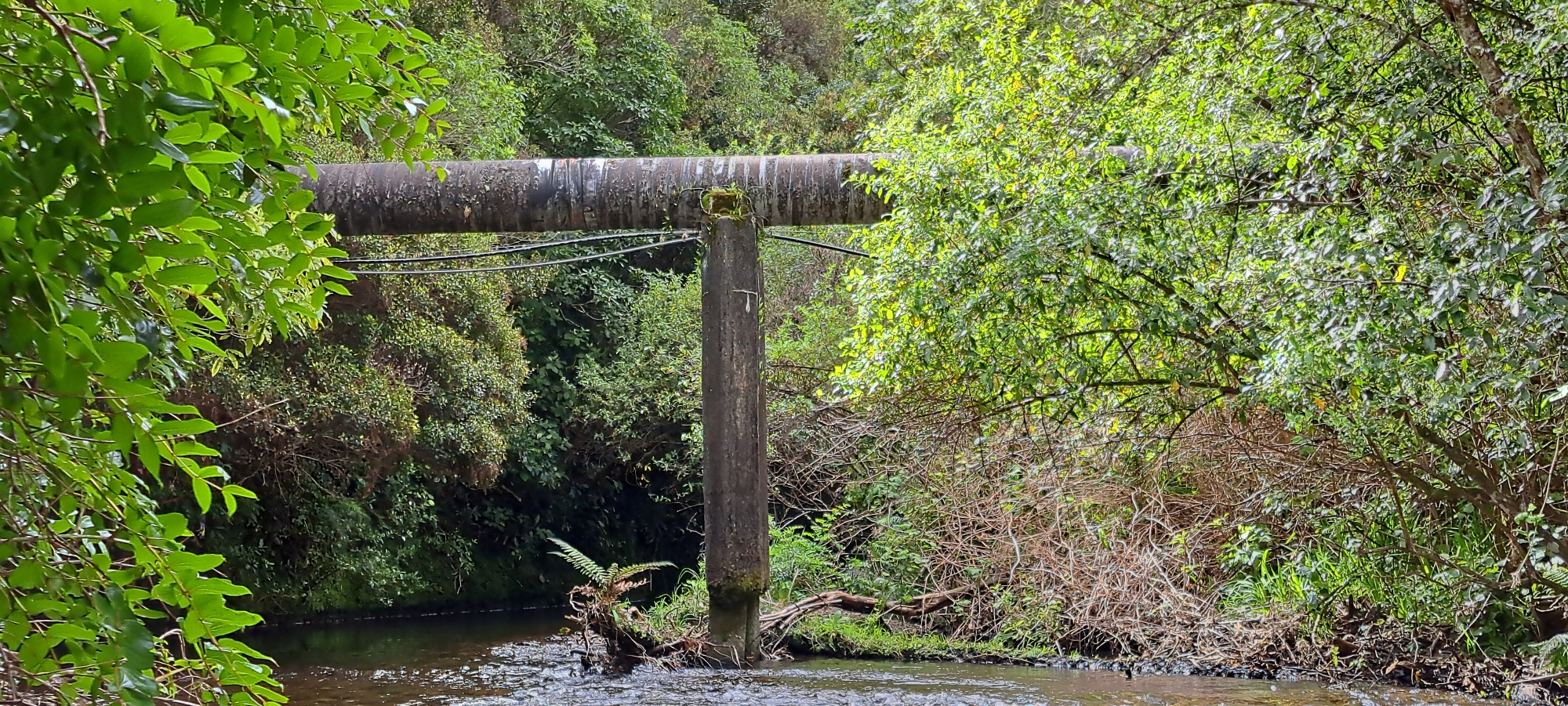
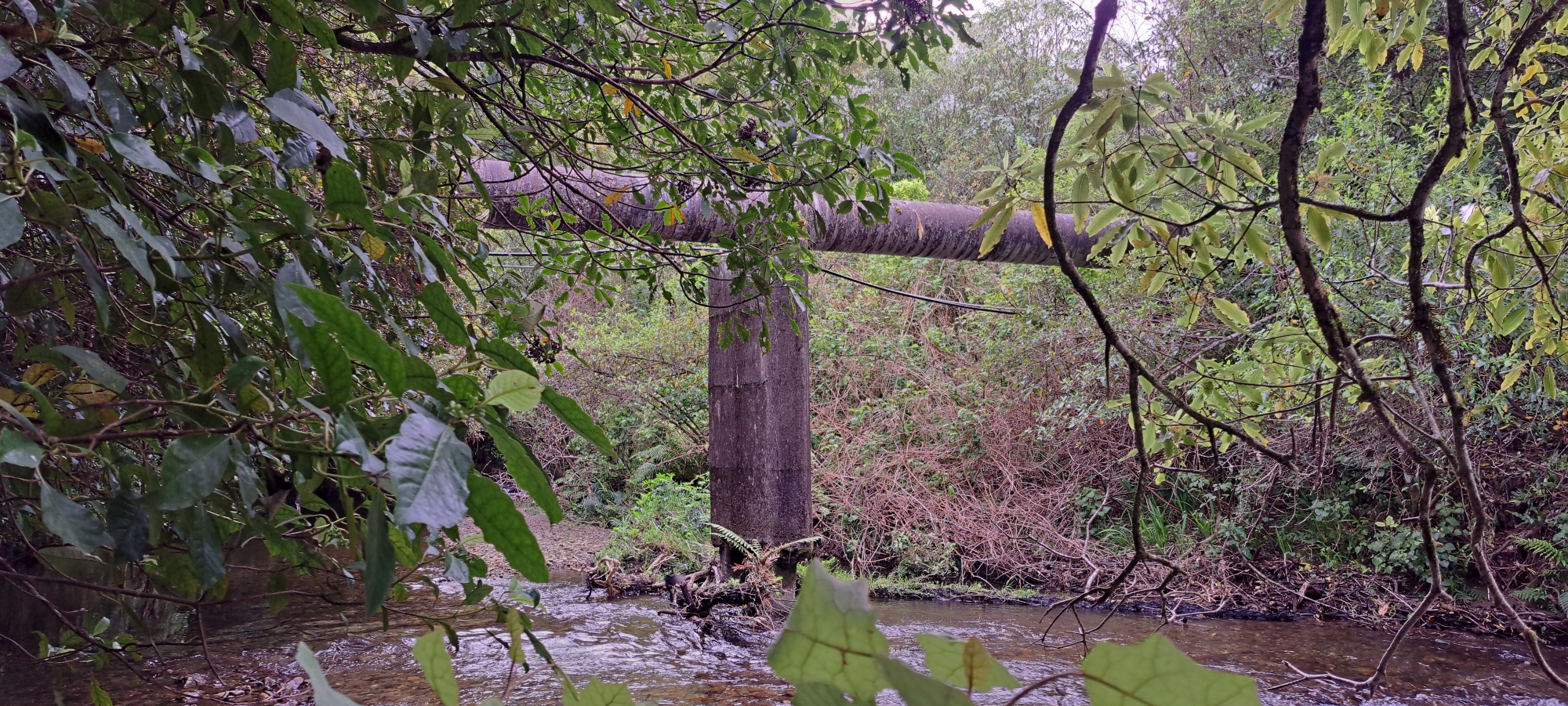
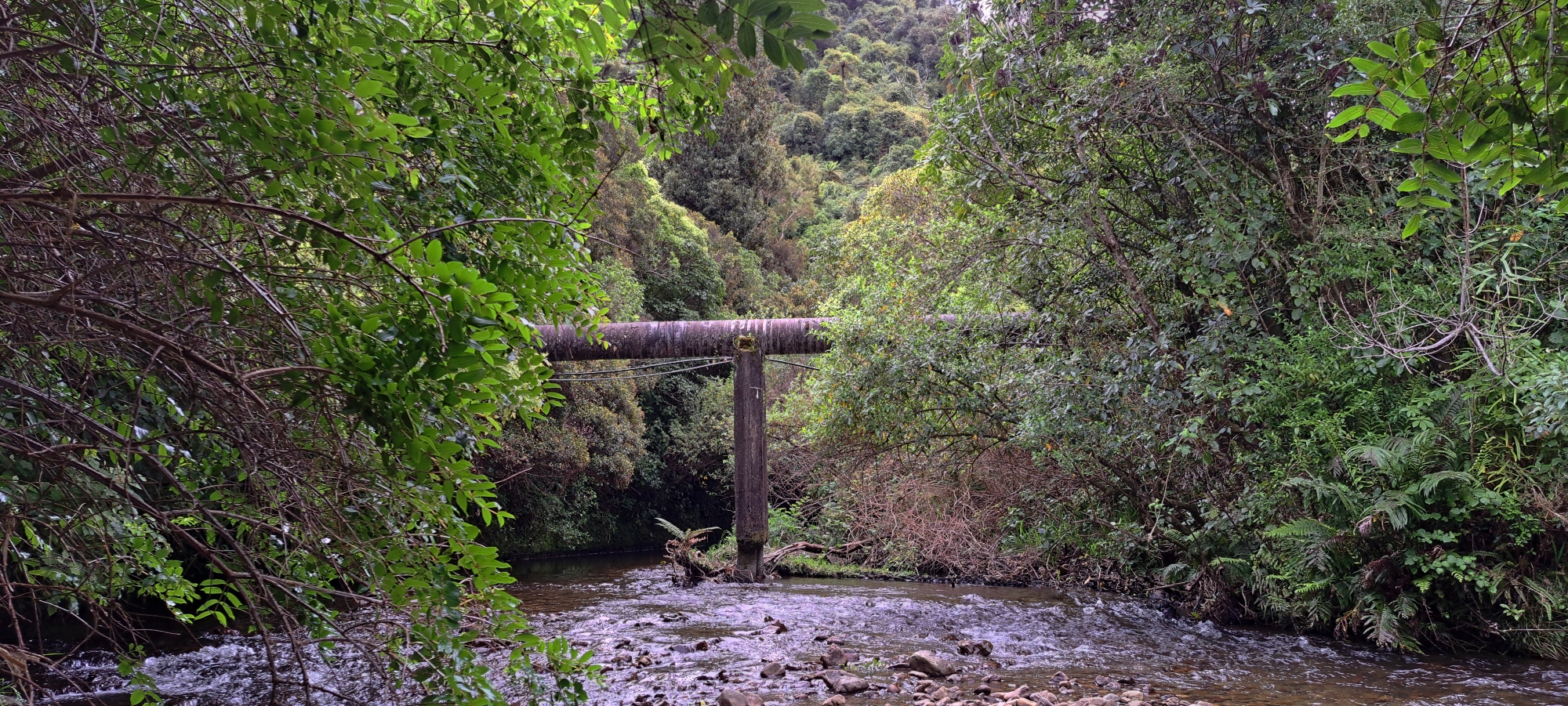
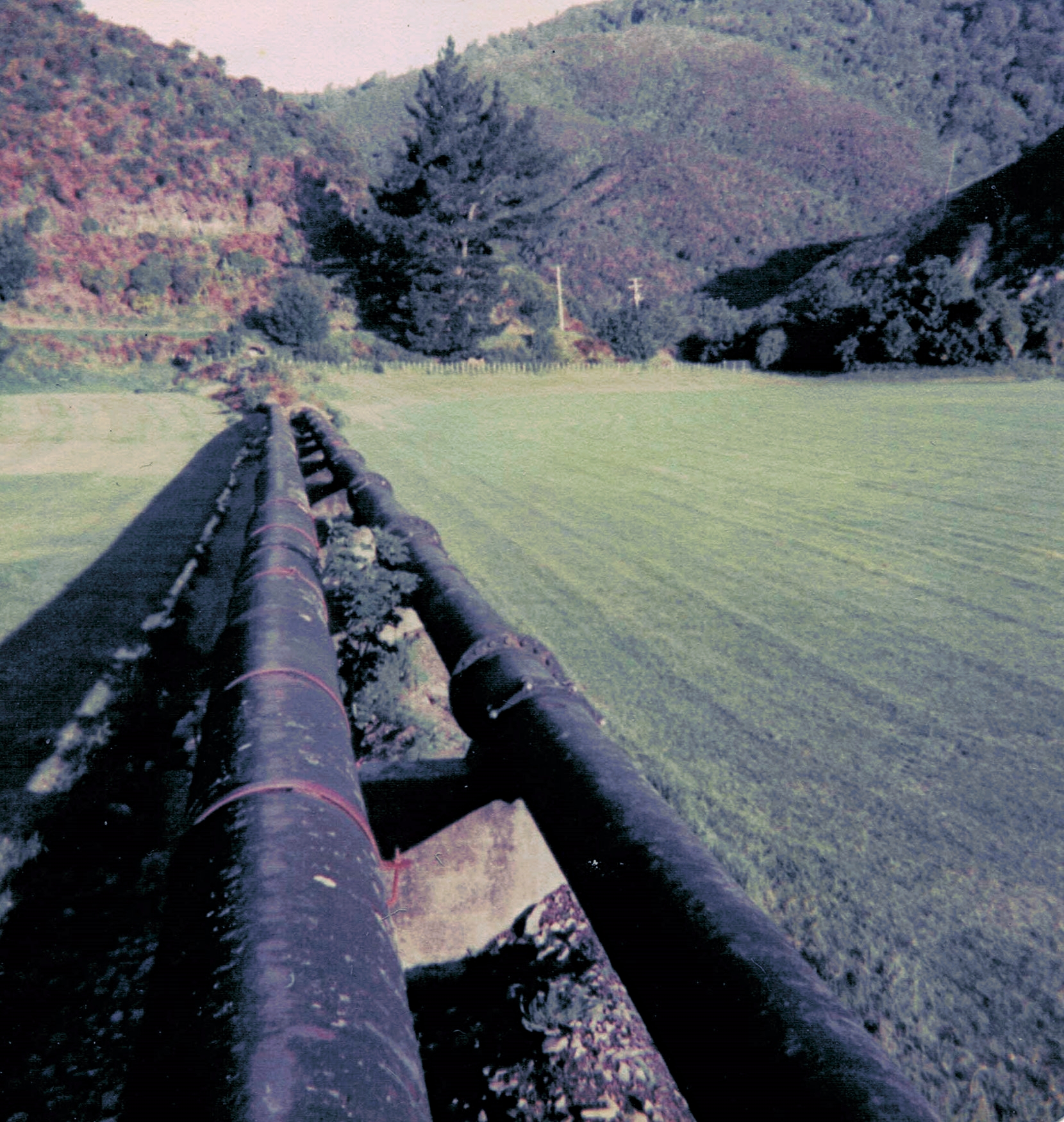
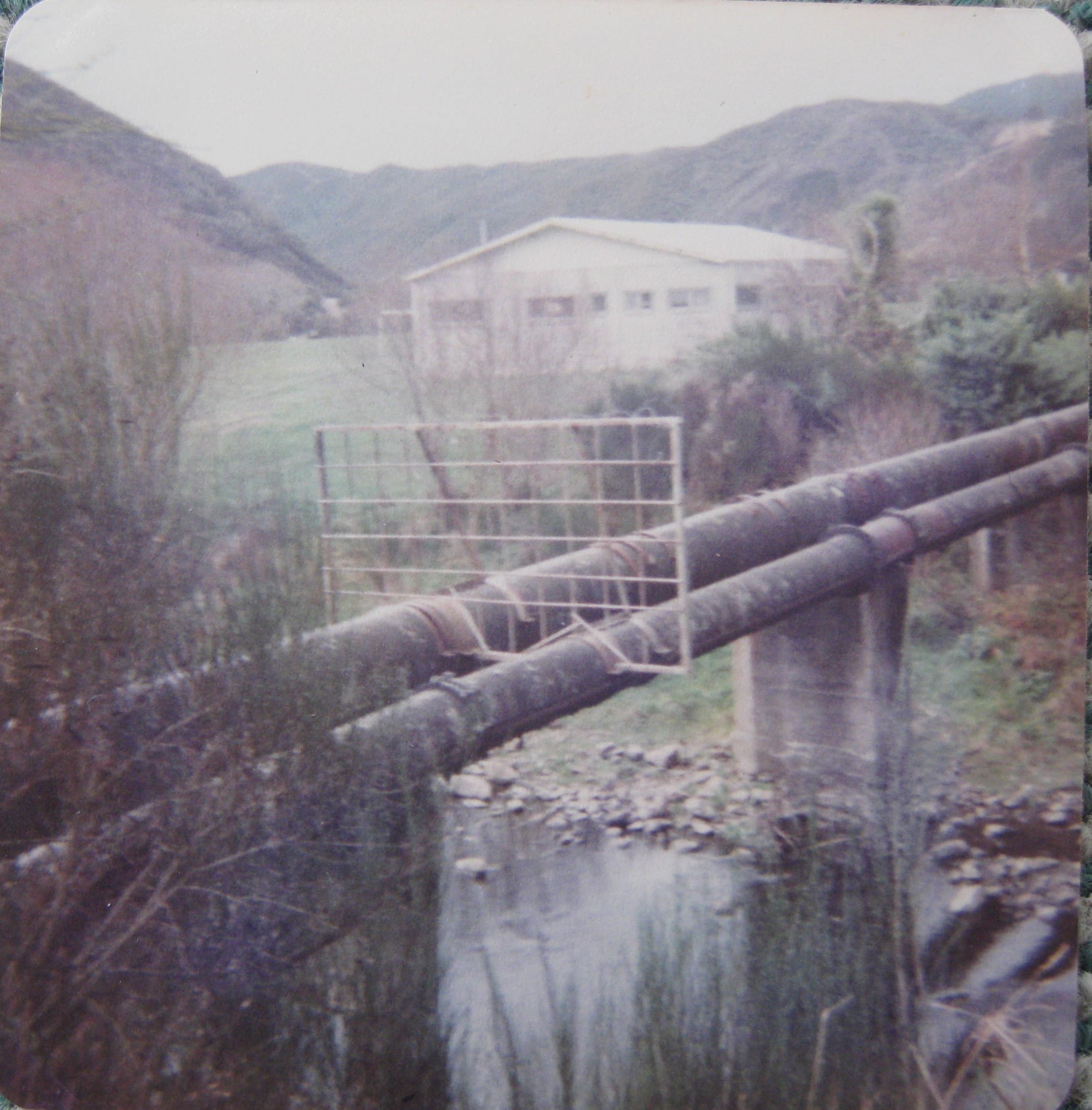
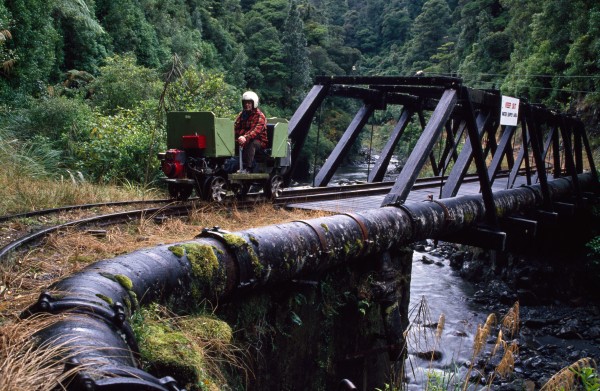
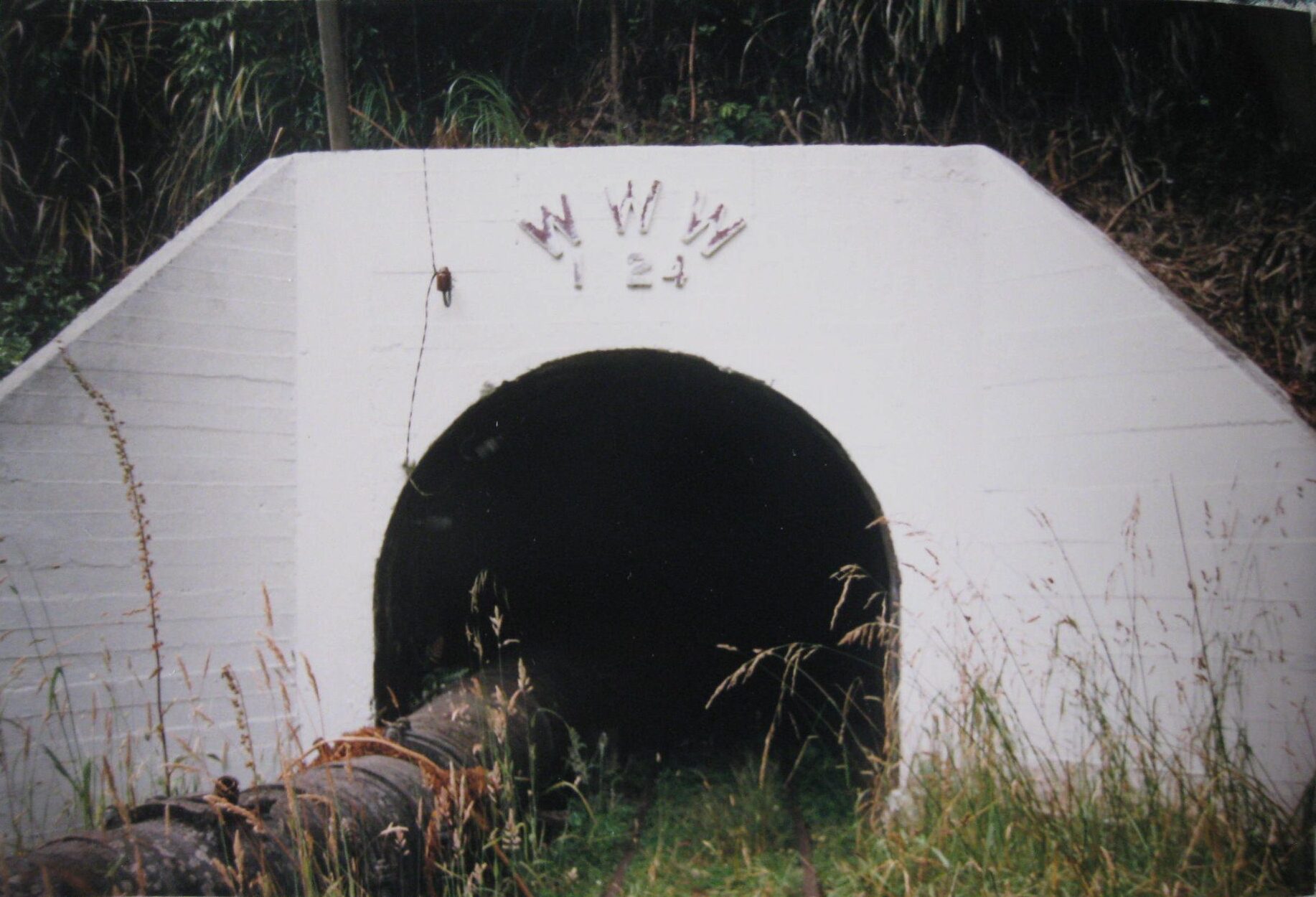
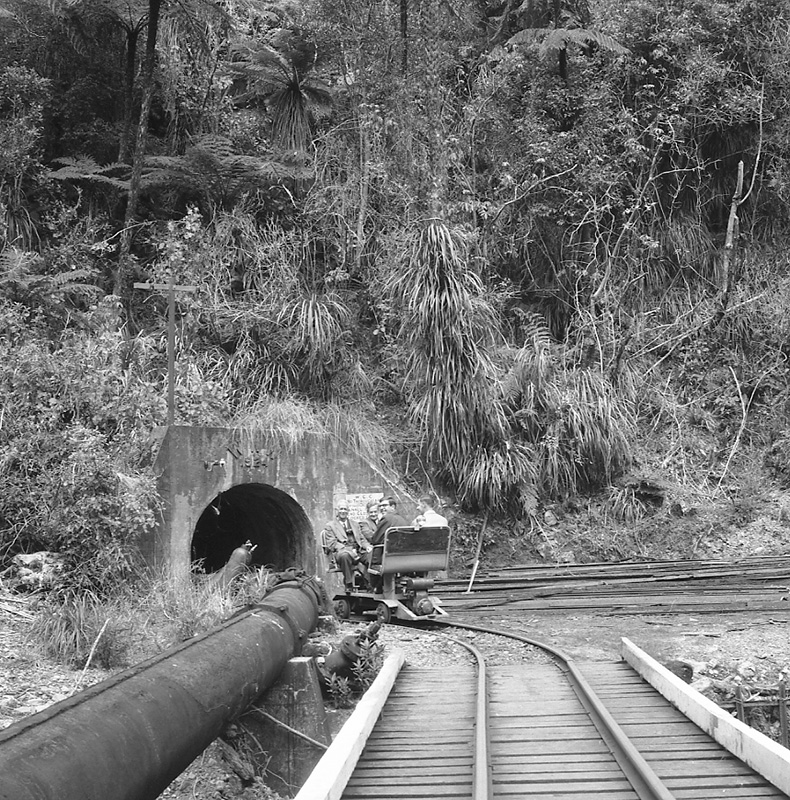
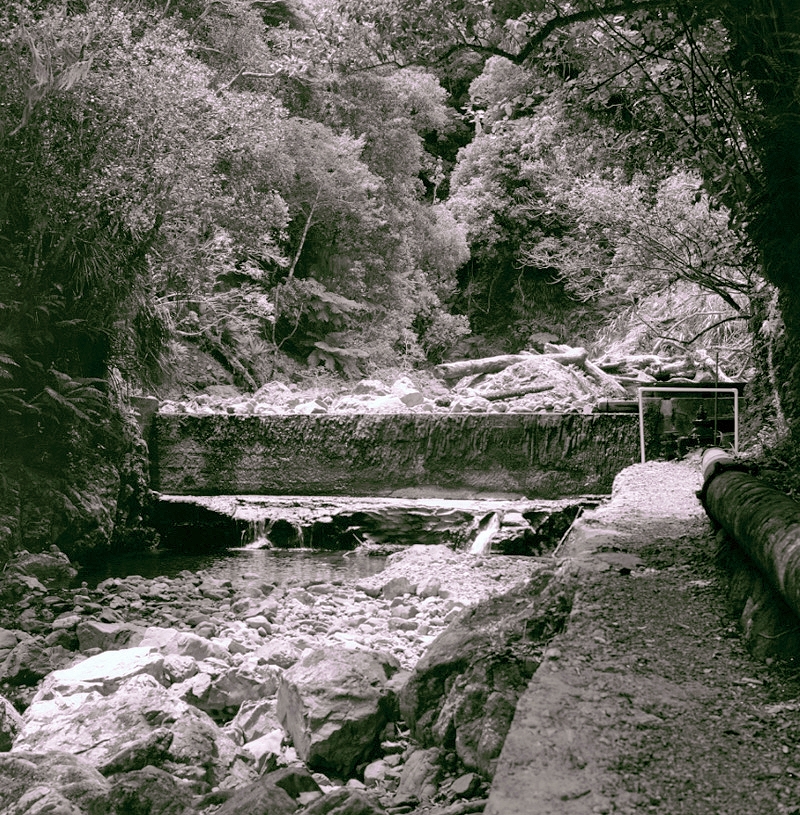
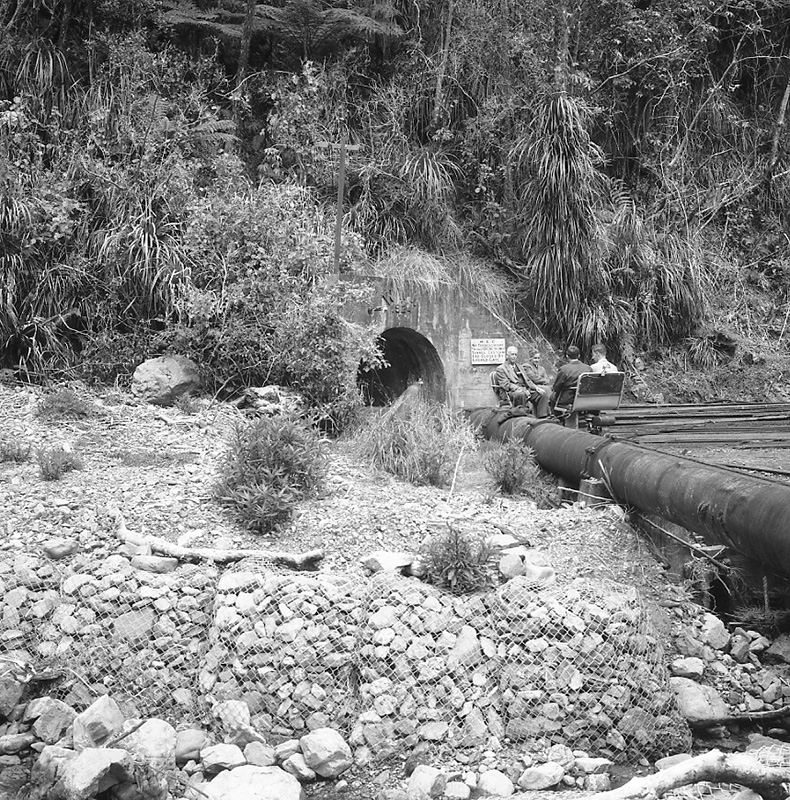
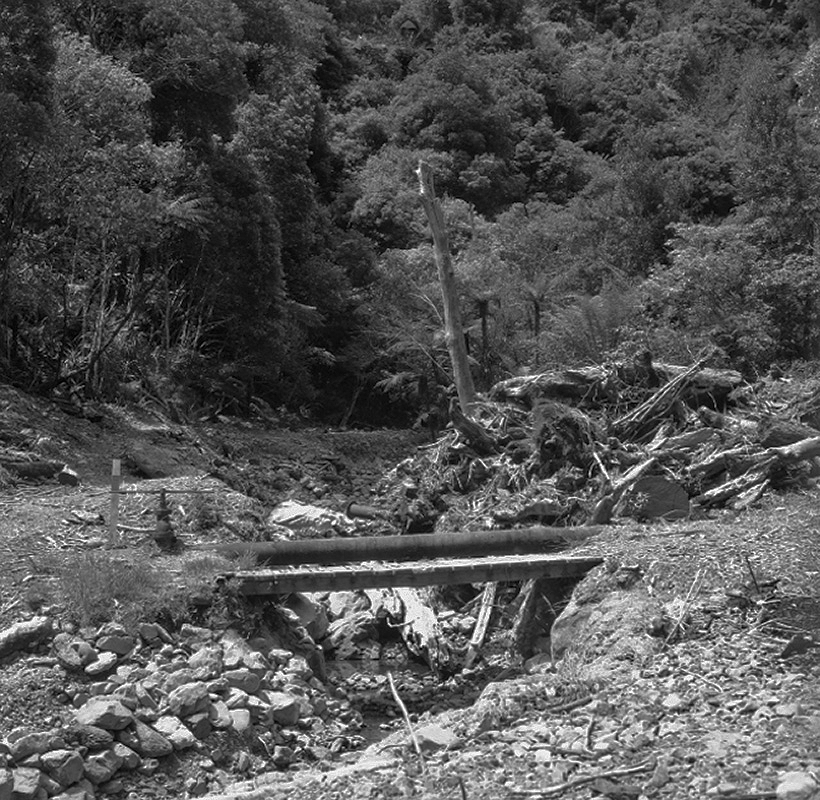
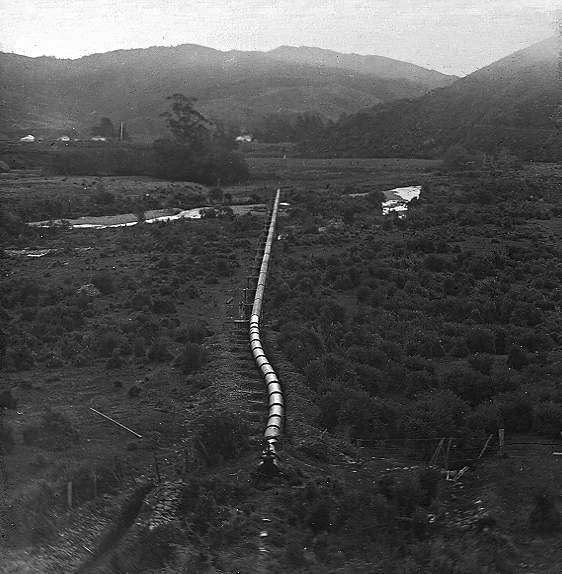
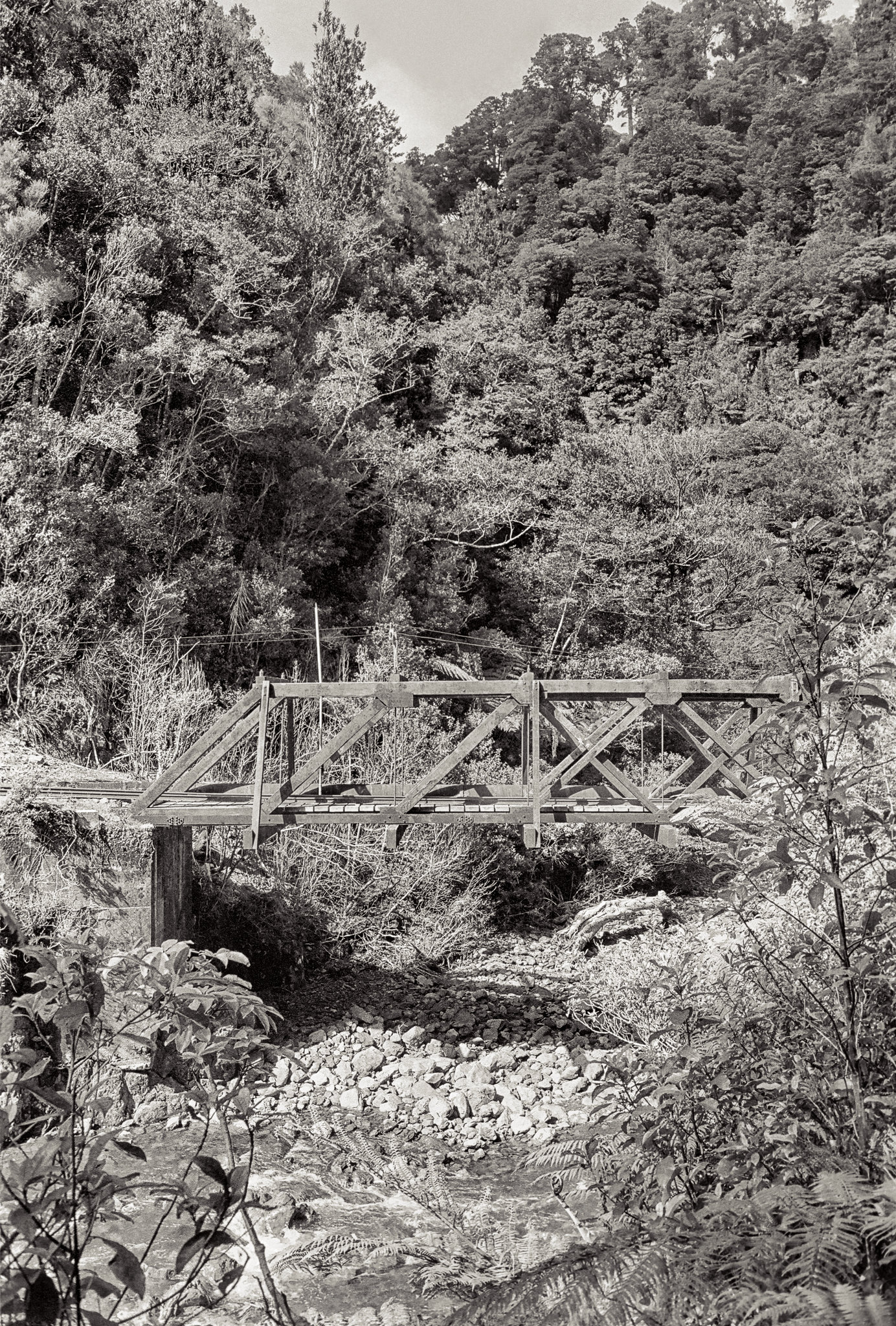
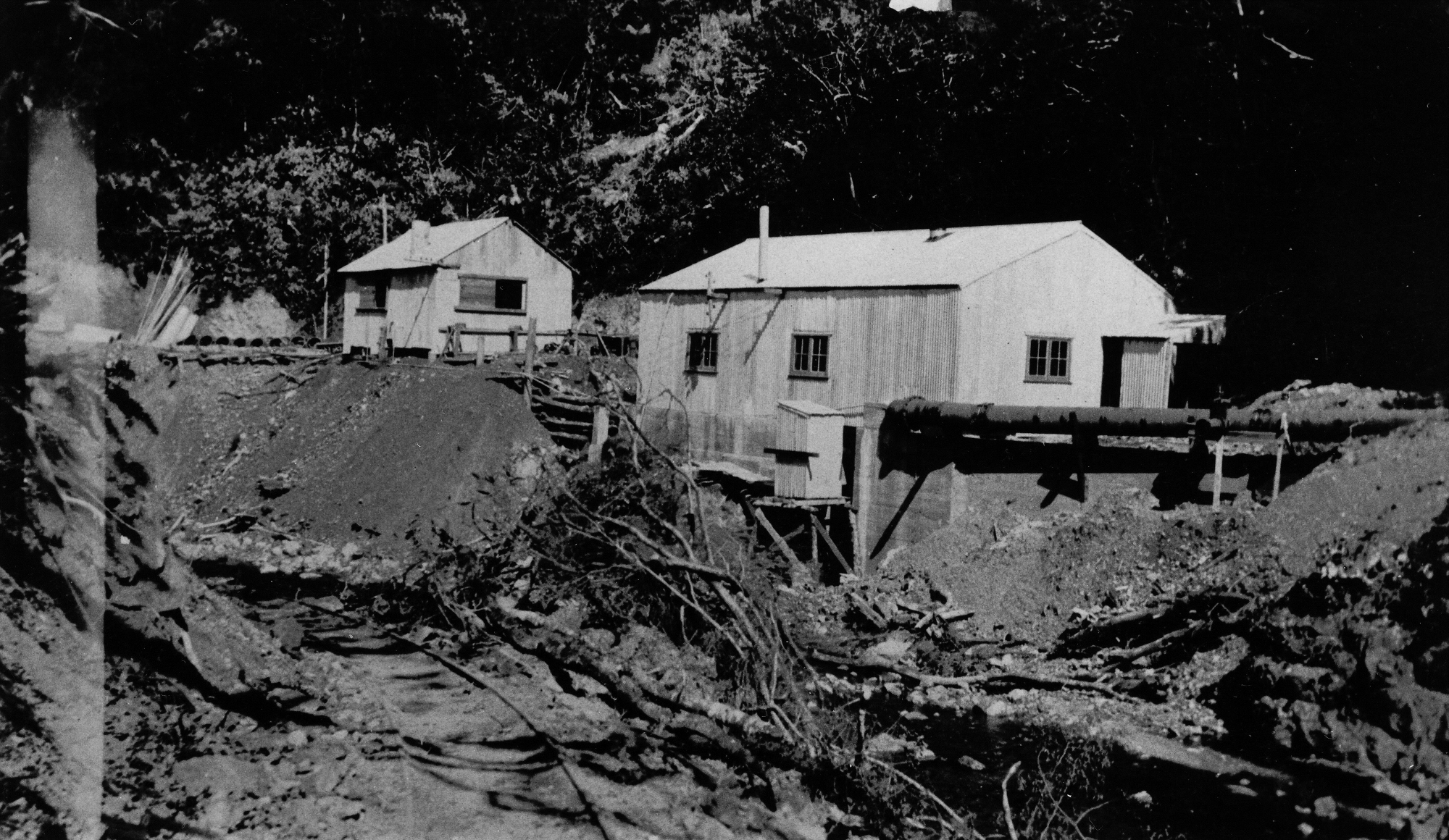
The project involved building weirs on the Orongorongo River and its tributaries, Big Huia and Little Huia Creeks, to collect water. This water was then channeled through both the Little Tunnel and Orongorongo Tunnel, via a pipeline to the reservoir at the lower dam in Karori. Stretching roughly 34 km (about 21 miles) from the Orongorongo intake to the Karori reservoir, it became known as the O-K main.
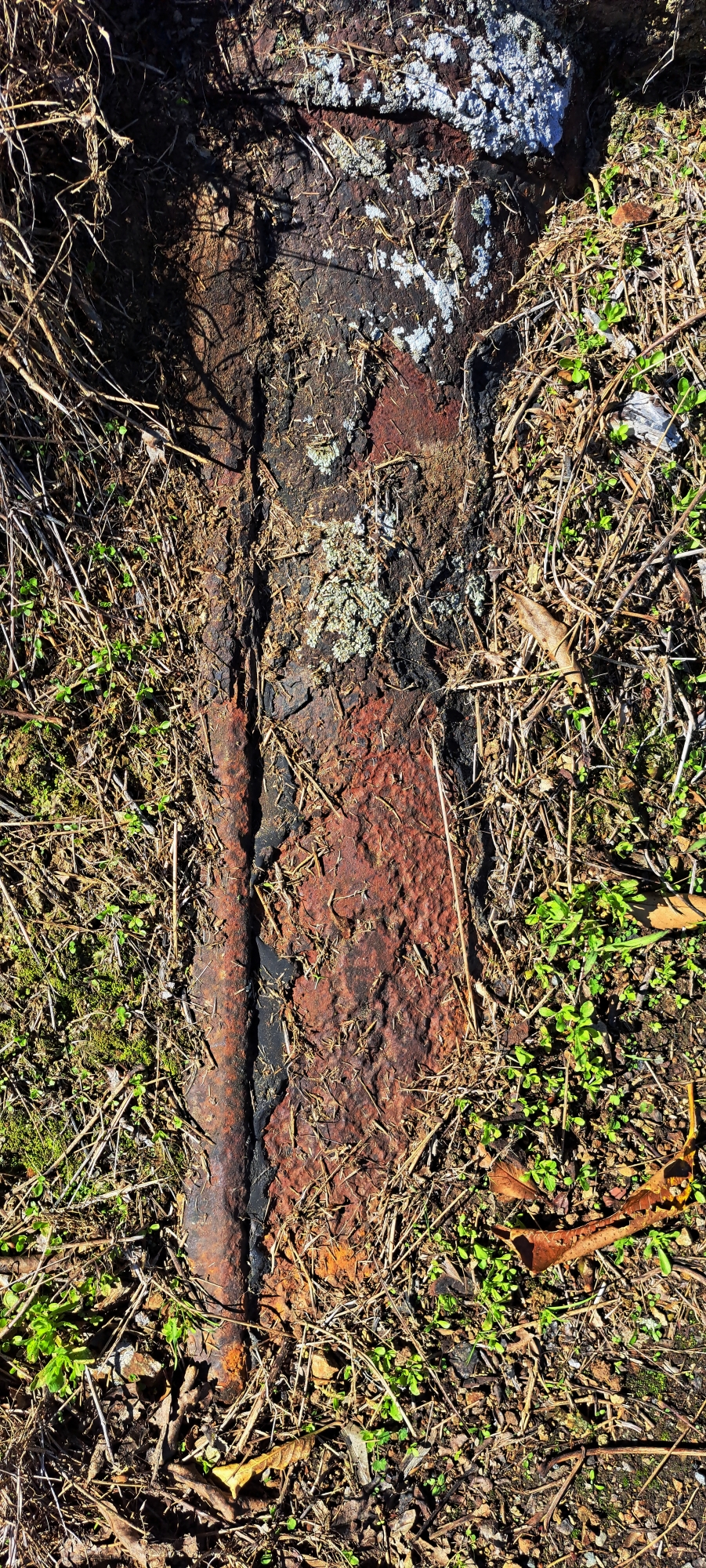
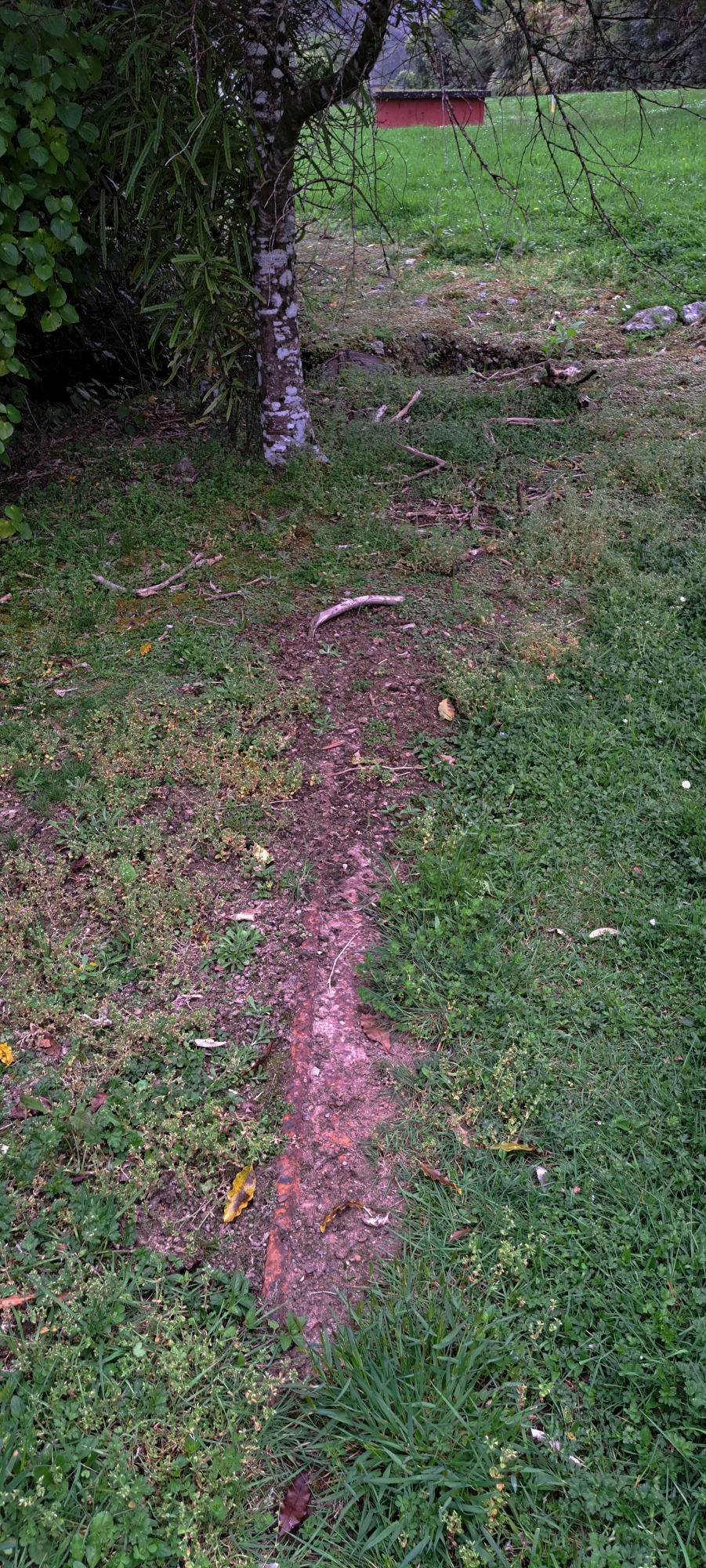
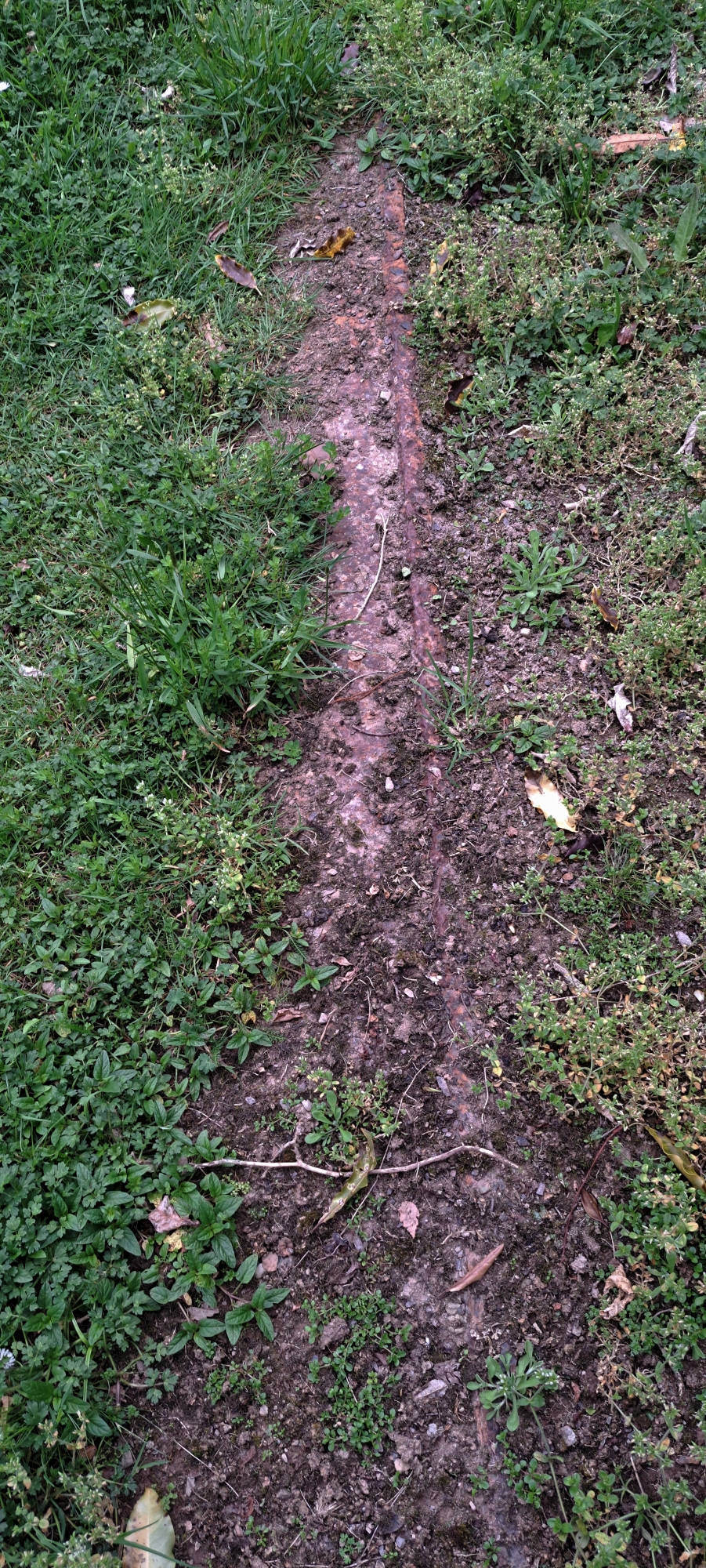
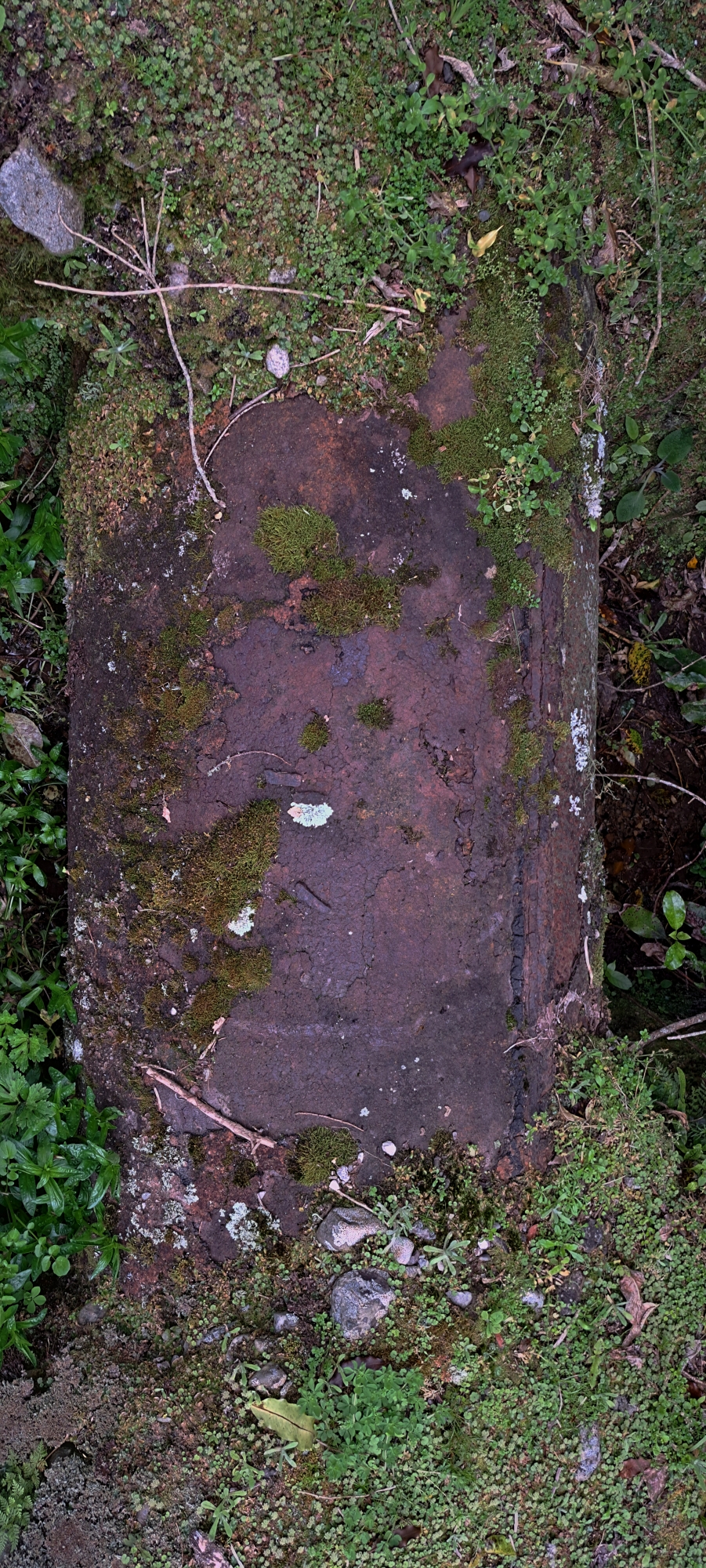
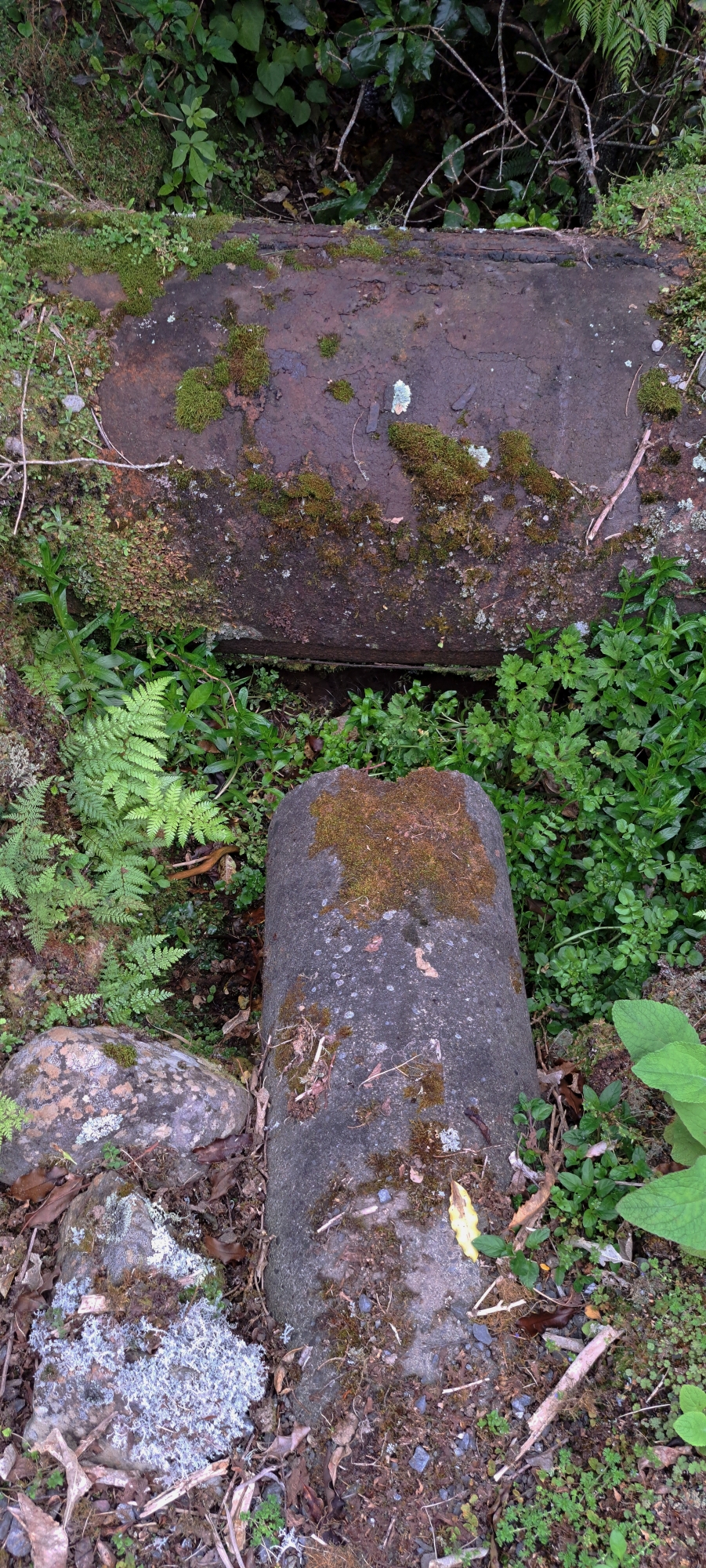
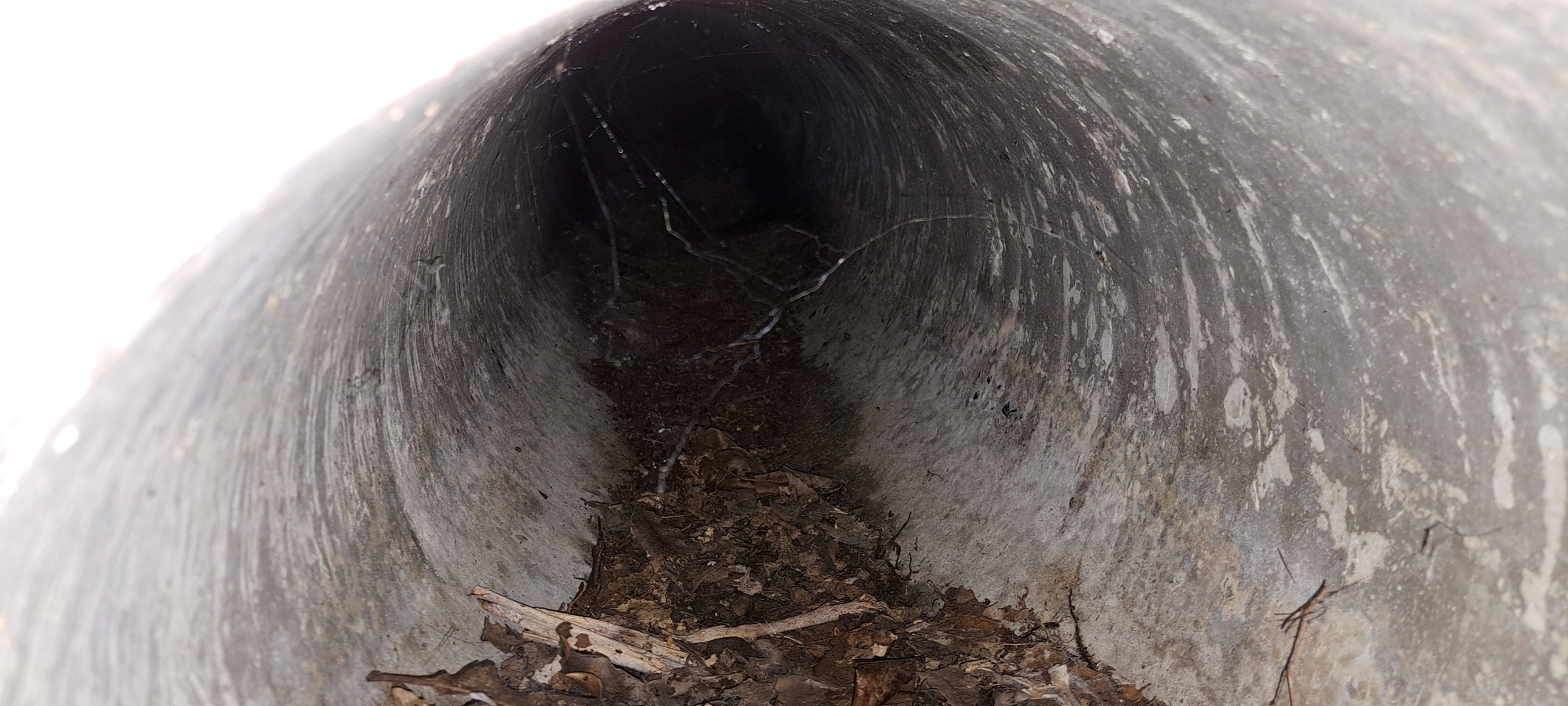
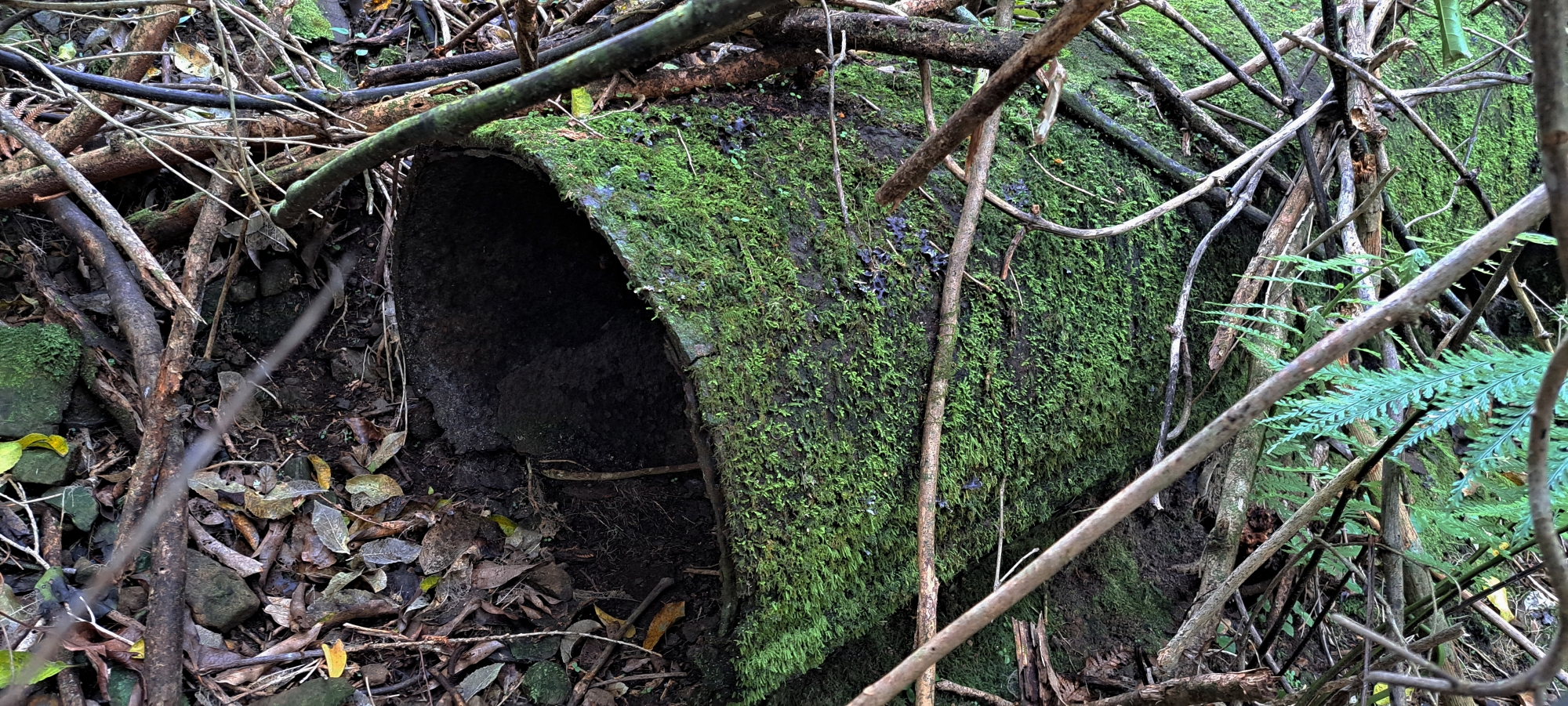
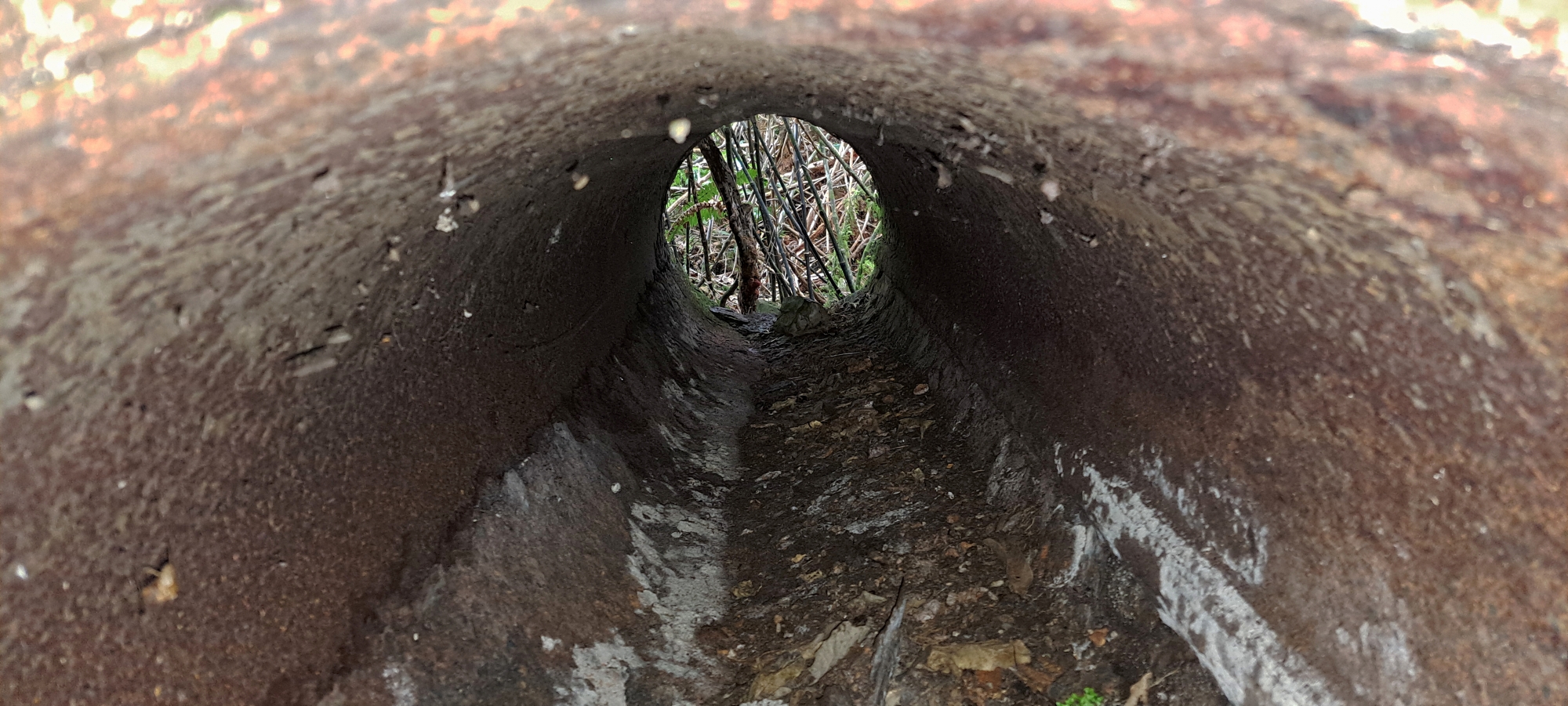
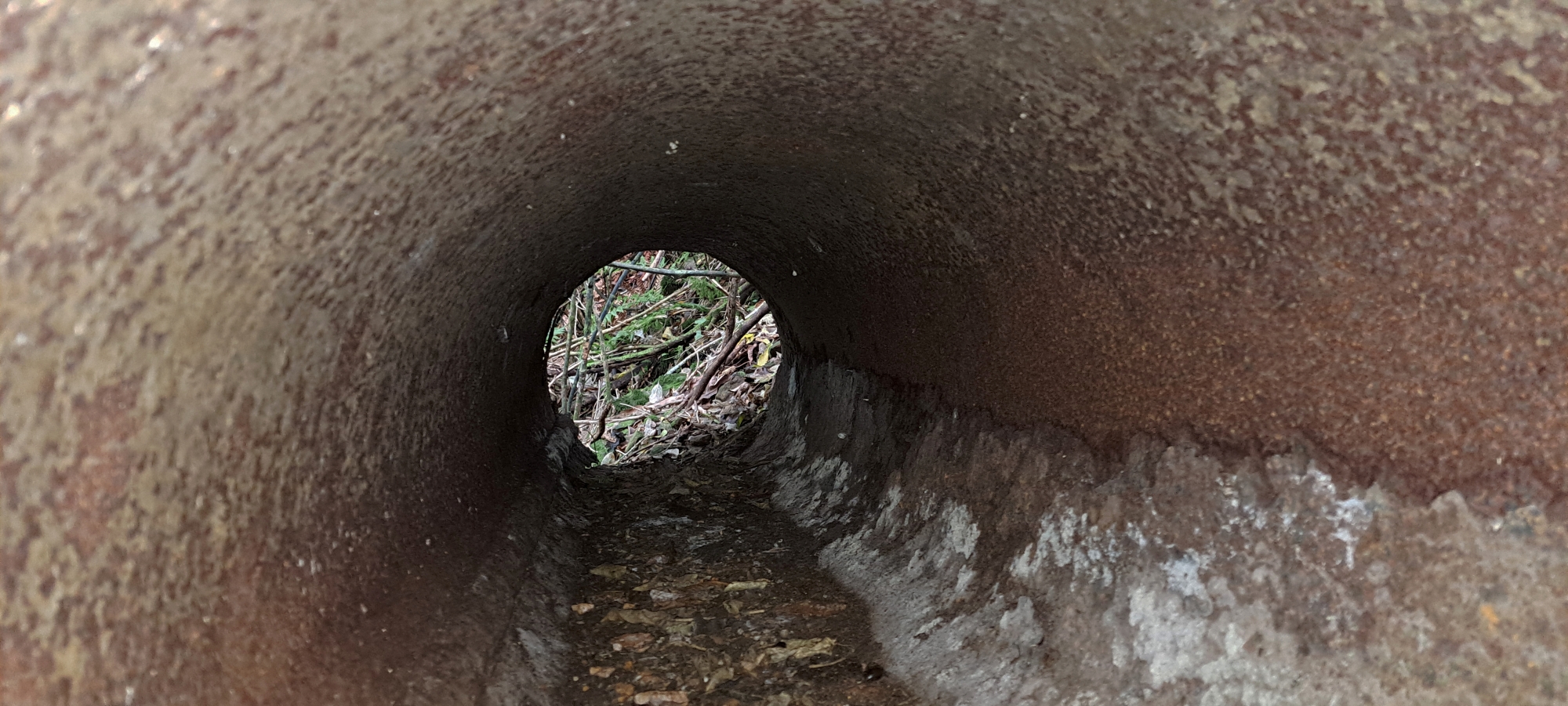
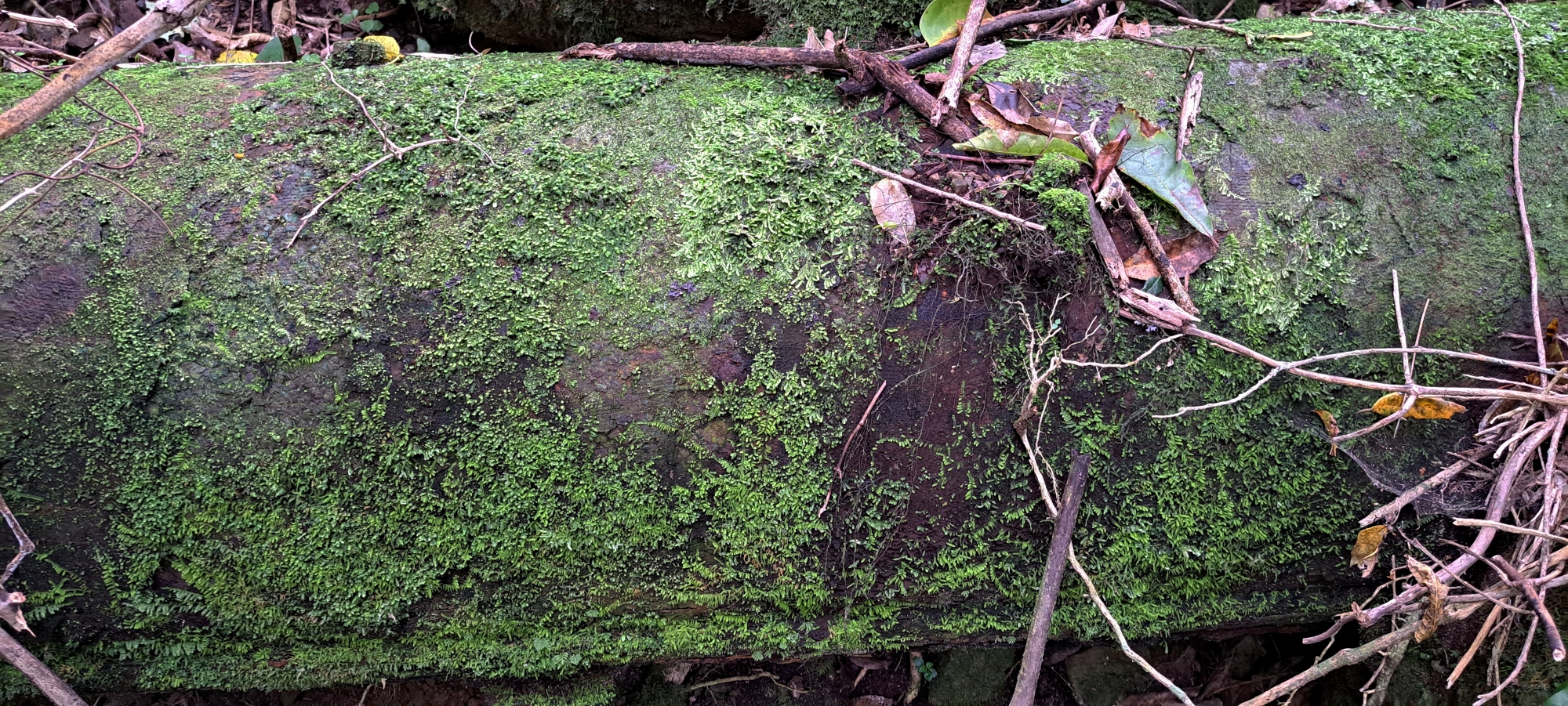
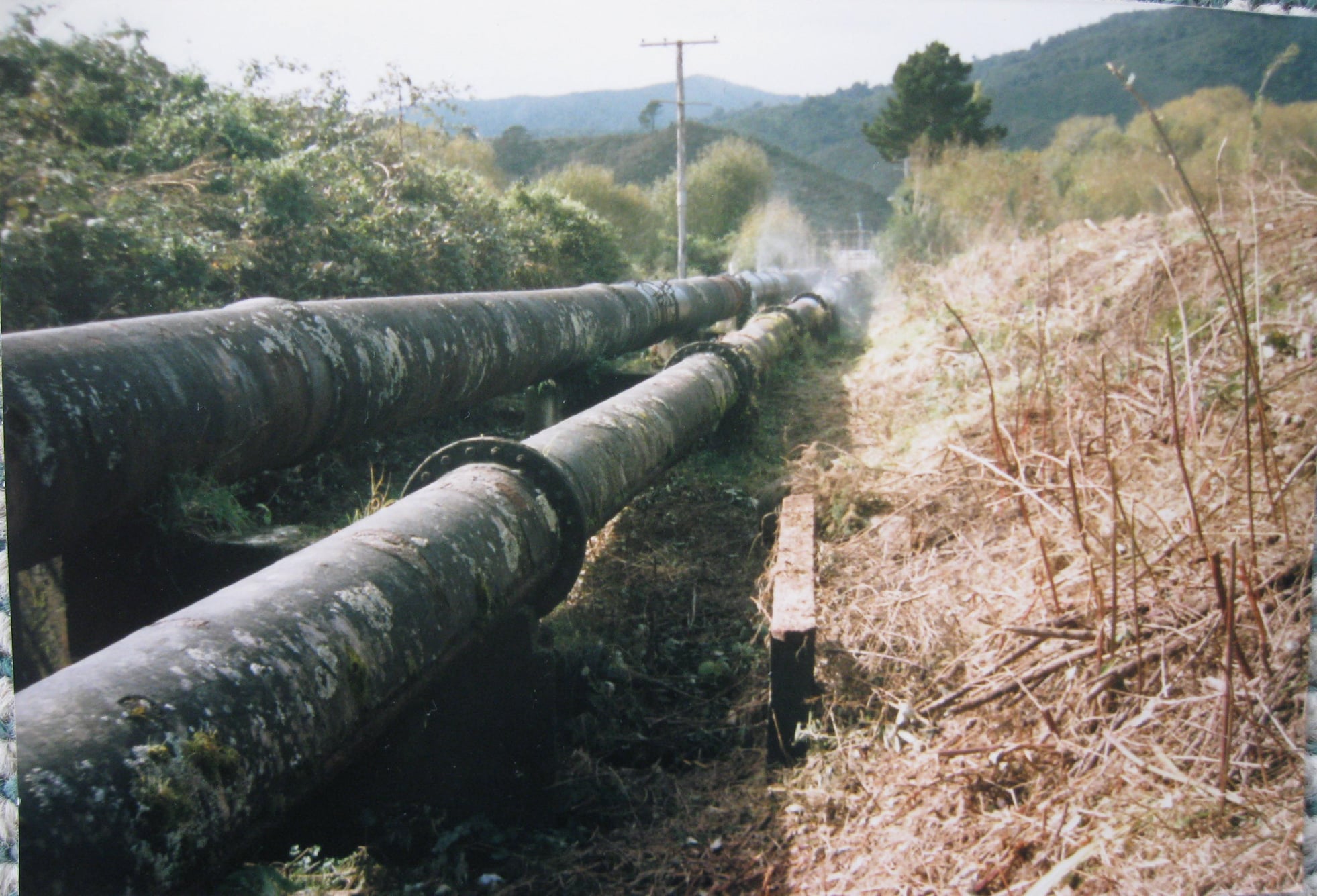
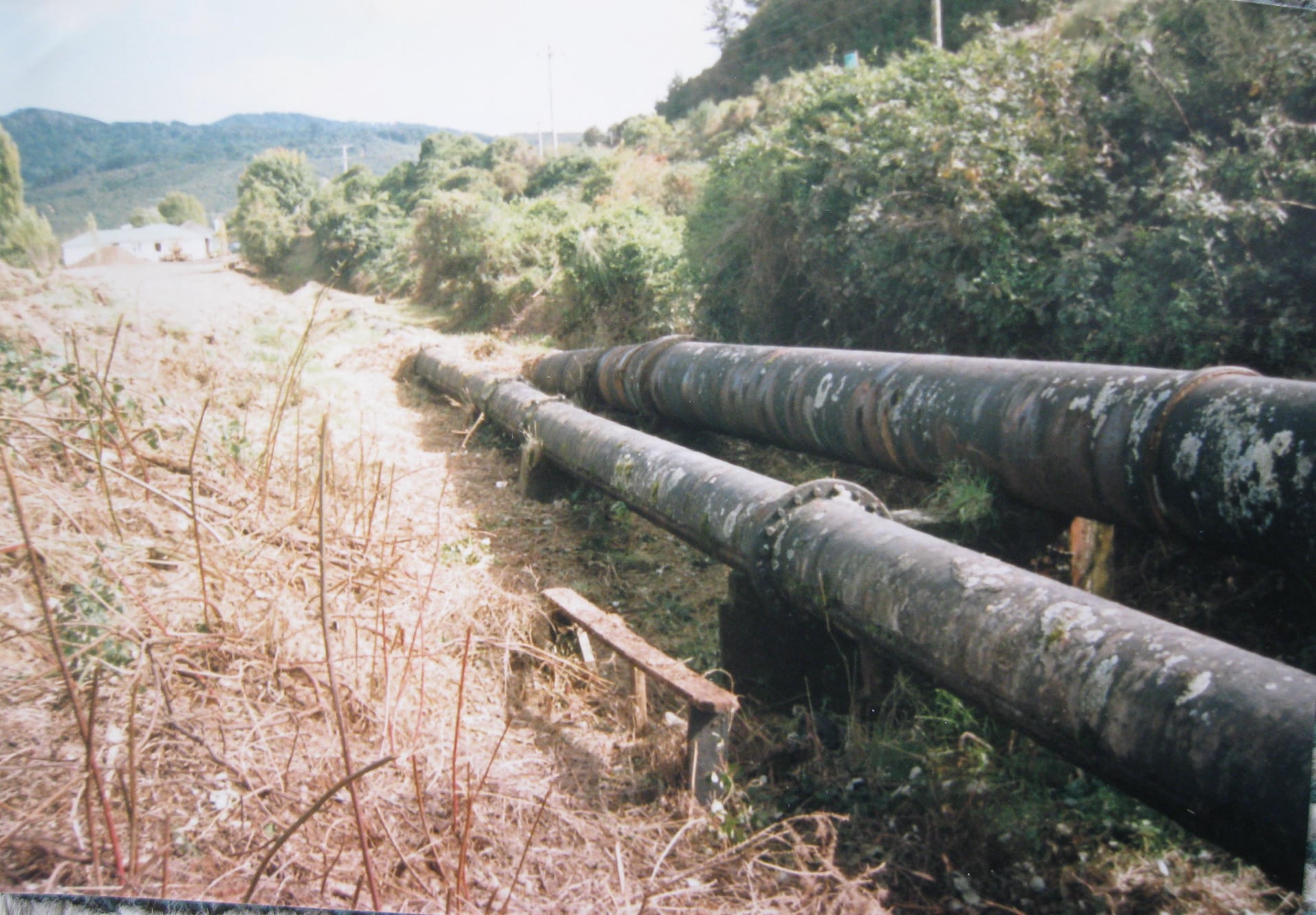
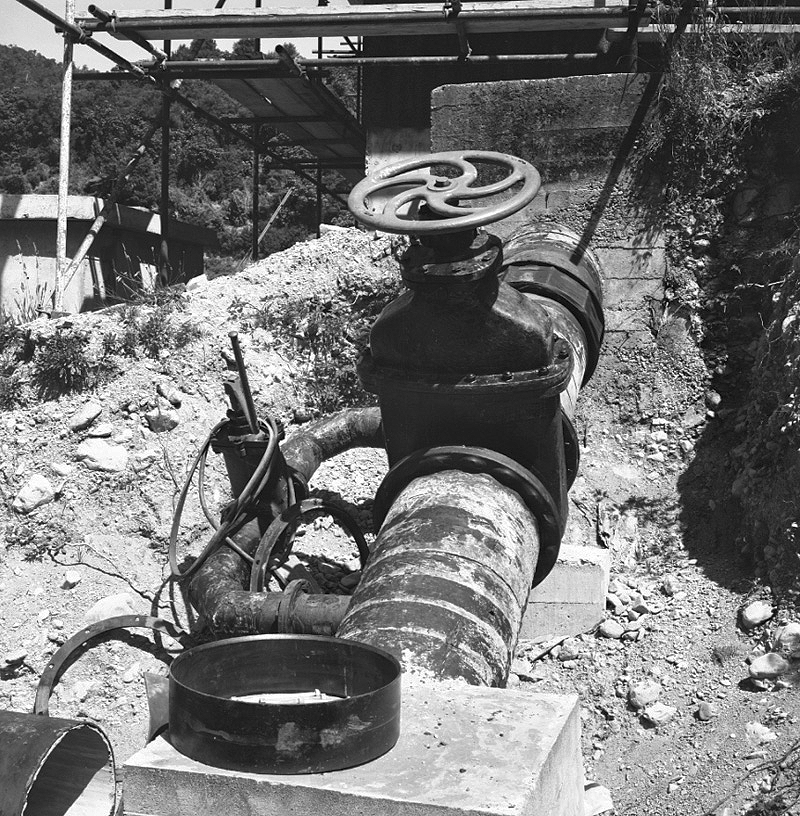
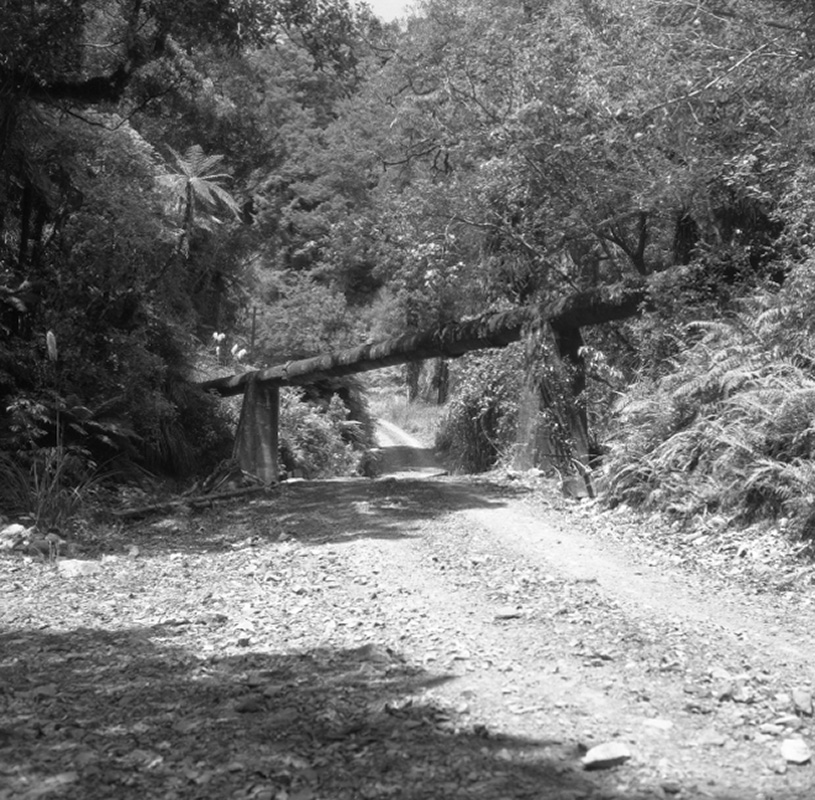
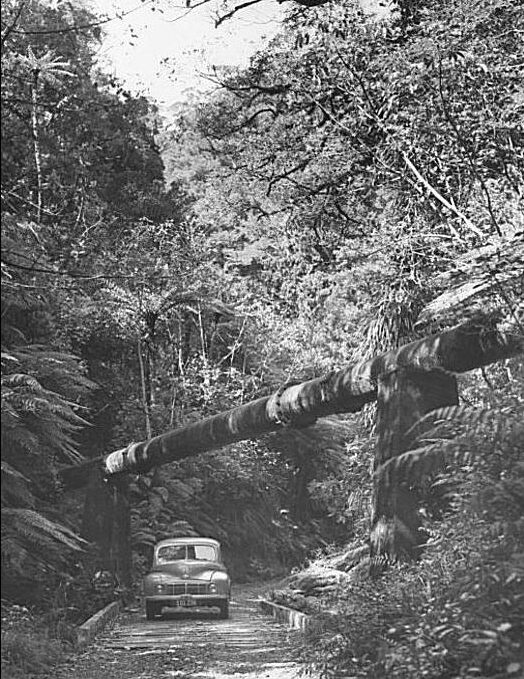
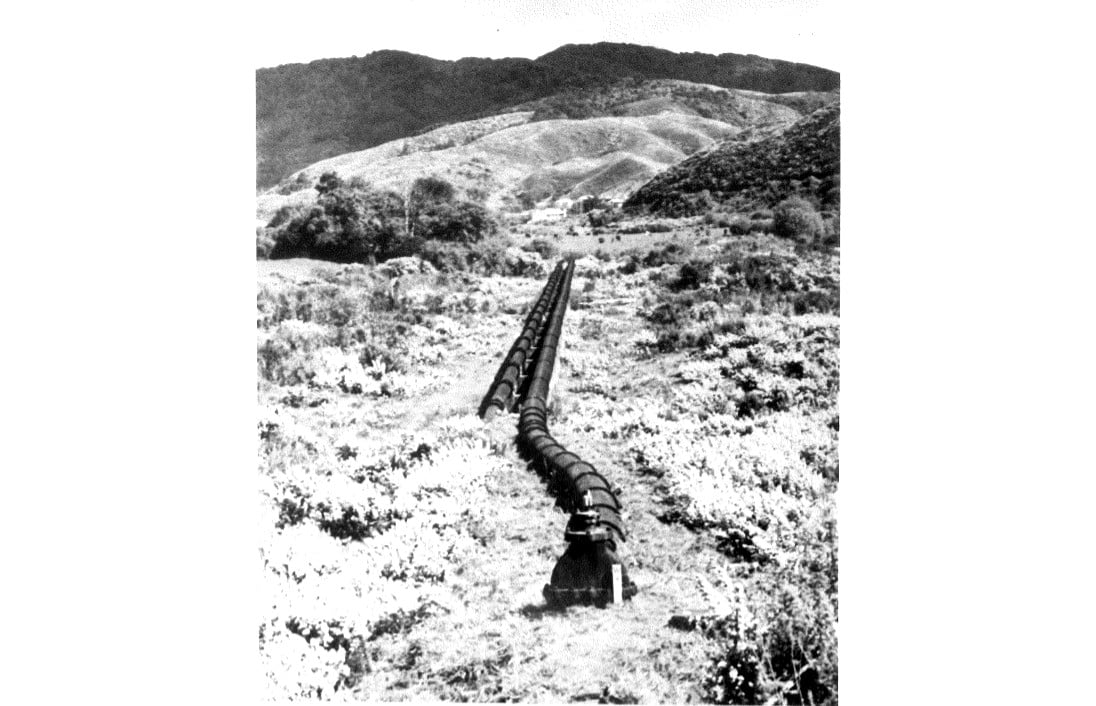
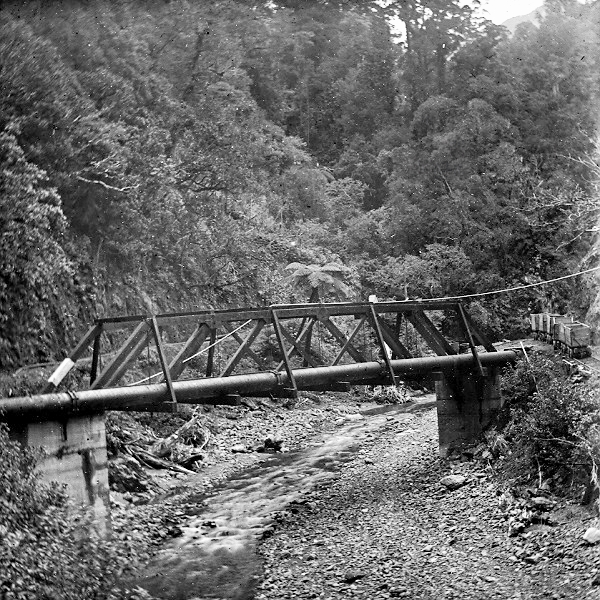
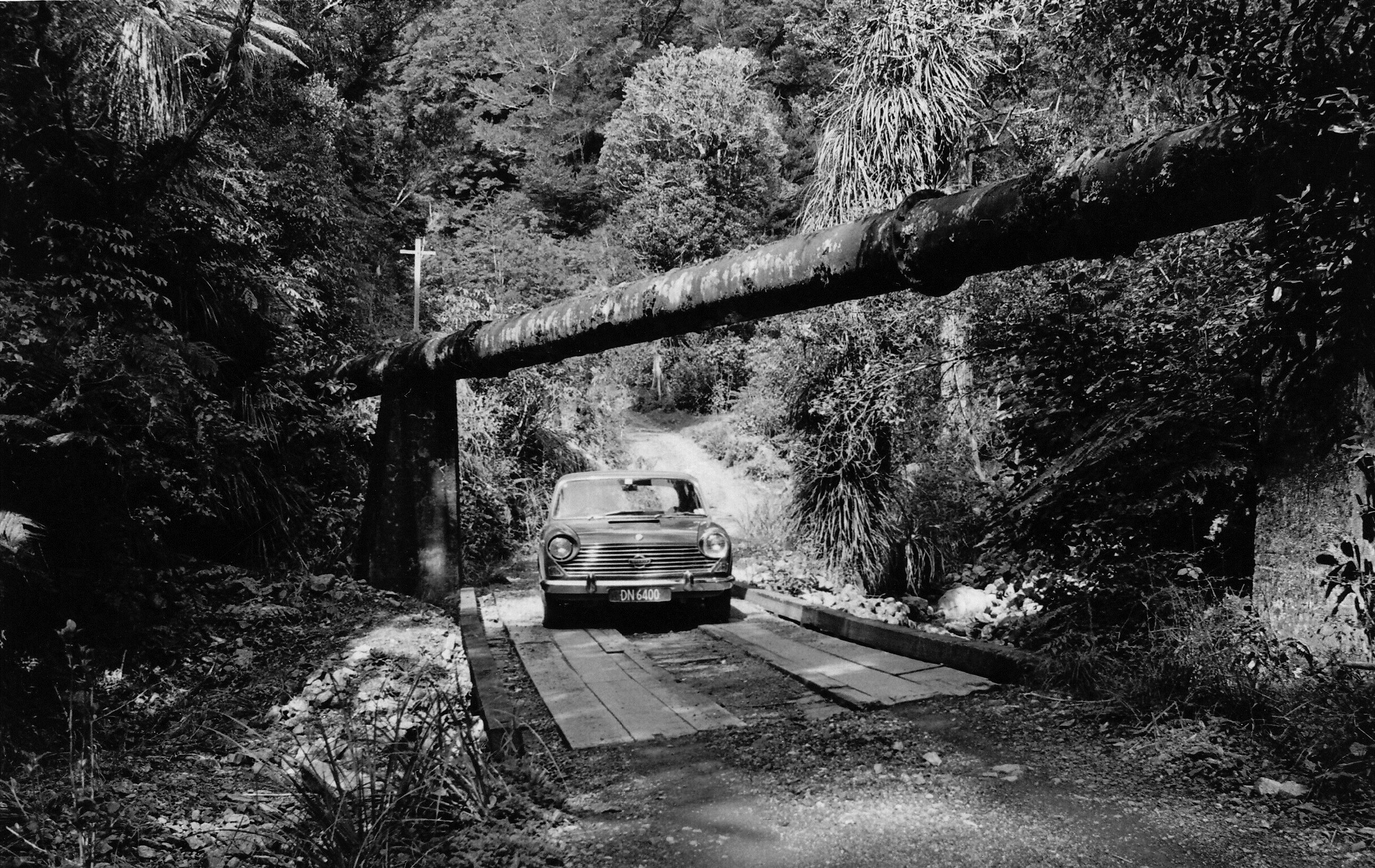
The steel pipeline was built to withstand high pressures of up to 346 pounds per square inch. Unlike older pipelines that used riveted joints, this one featured steel and rubber joint systems, where pipes were connected with rubber rings and heavy cast iron collars, bolted tightly to ensure a secure seal. The pipeline consists of 21-inch spiral-welded steel pipes manufactured in Wanganui. Although the steel walls are just one-eighth of an inch thick, each pipe is reinforced with a protective layer of bitumen-coated canvas. At the time, the pipes were priced at 22 shillings and 6 pence per foot when delivered to Petone Station, with transportation costs averaging £8 per ton.
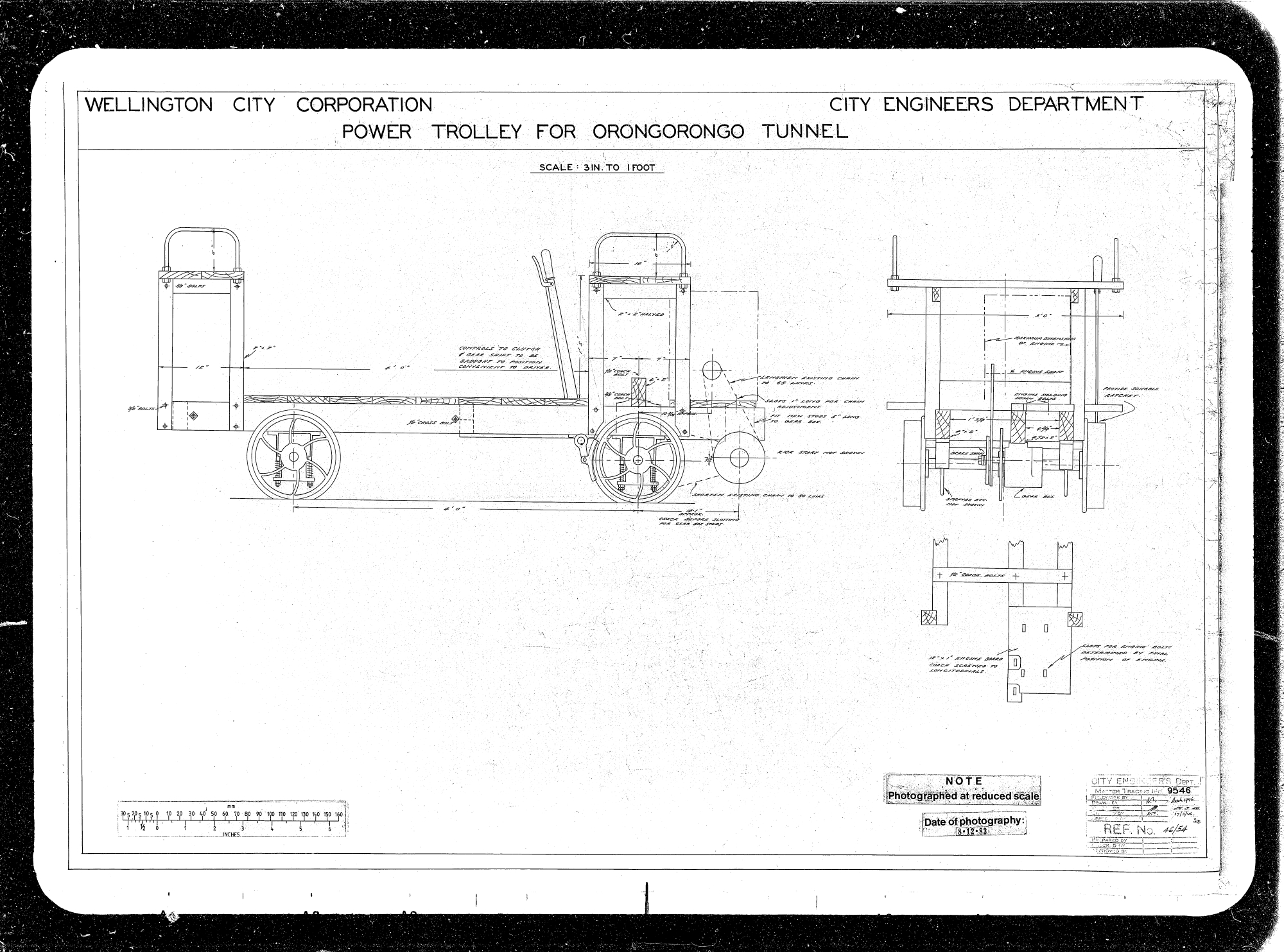
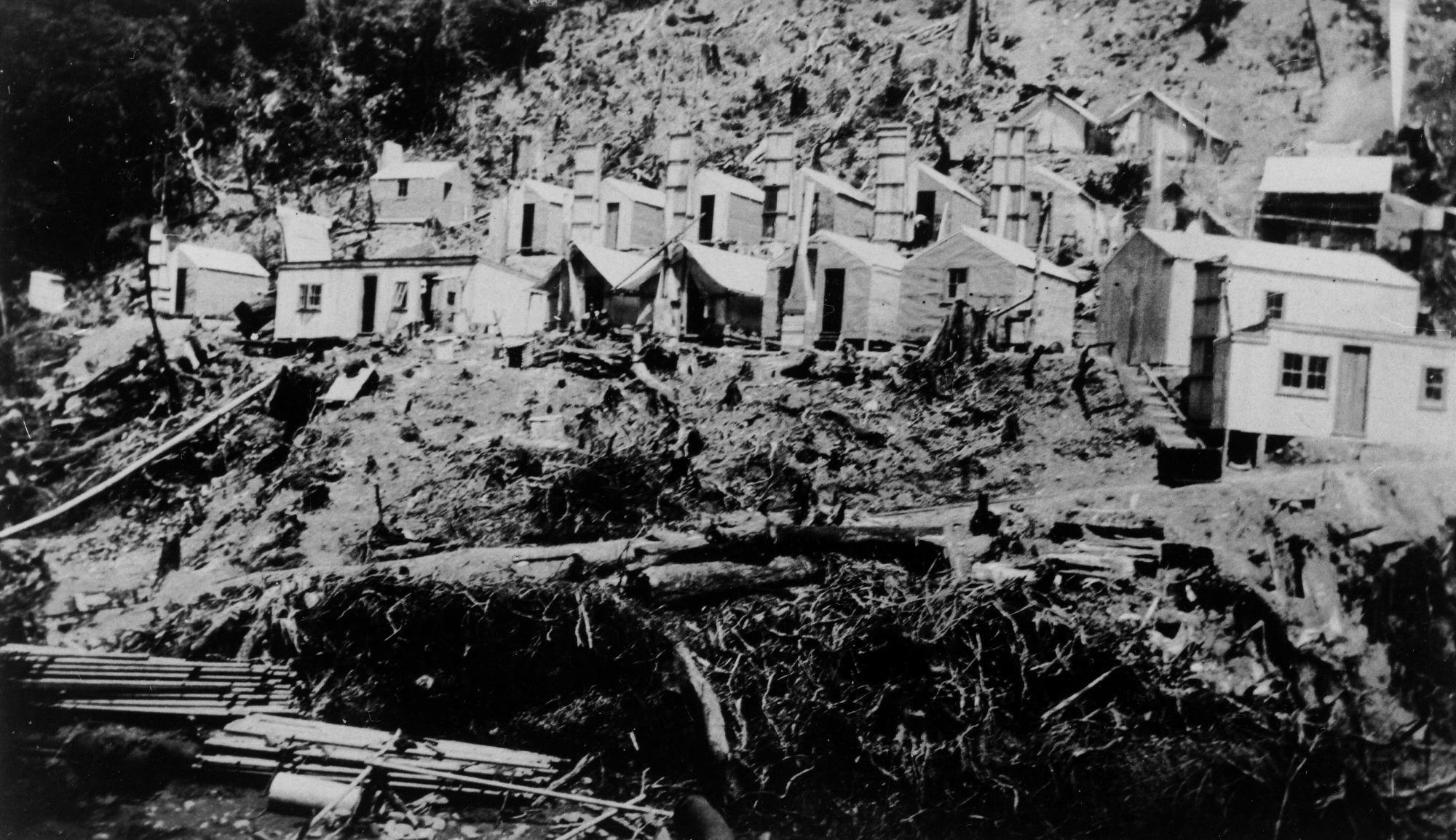
Constructing the pipeline was a significant engineering challenge, with materials needing to be transported across steep and rugged terrain. Lighter supplies were carried along a 6.5-kilometre pack track that climbed 300 metres in elevation, while heavier components, including the steel pipes, were hauled by horse teams through riverbeds to reach the tunnel entrance. A newspaper article from May 1925 highlights the fate of the first three pipes.
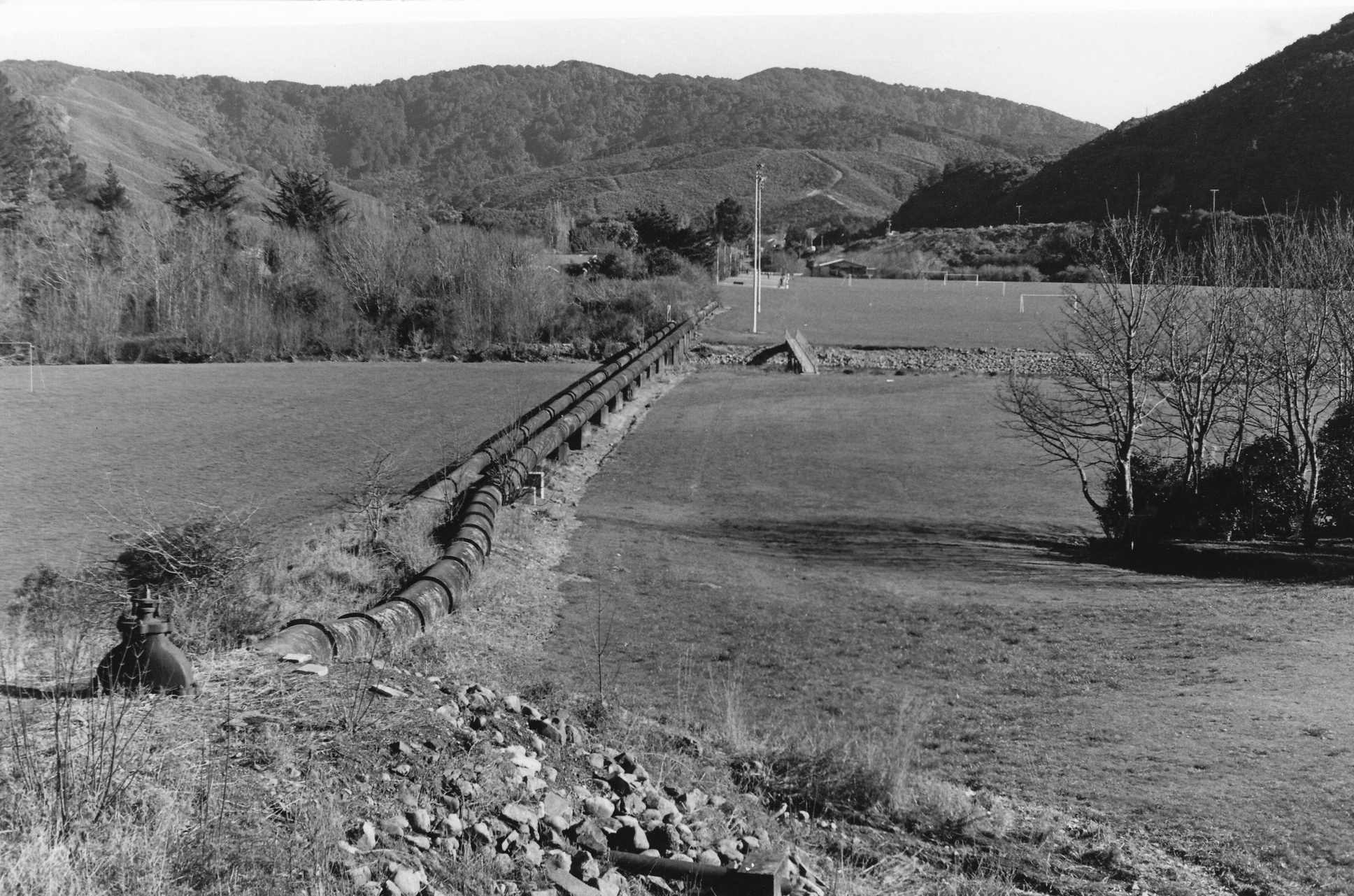
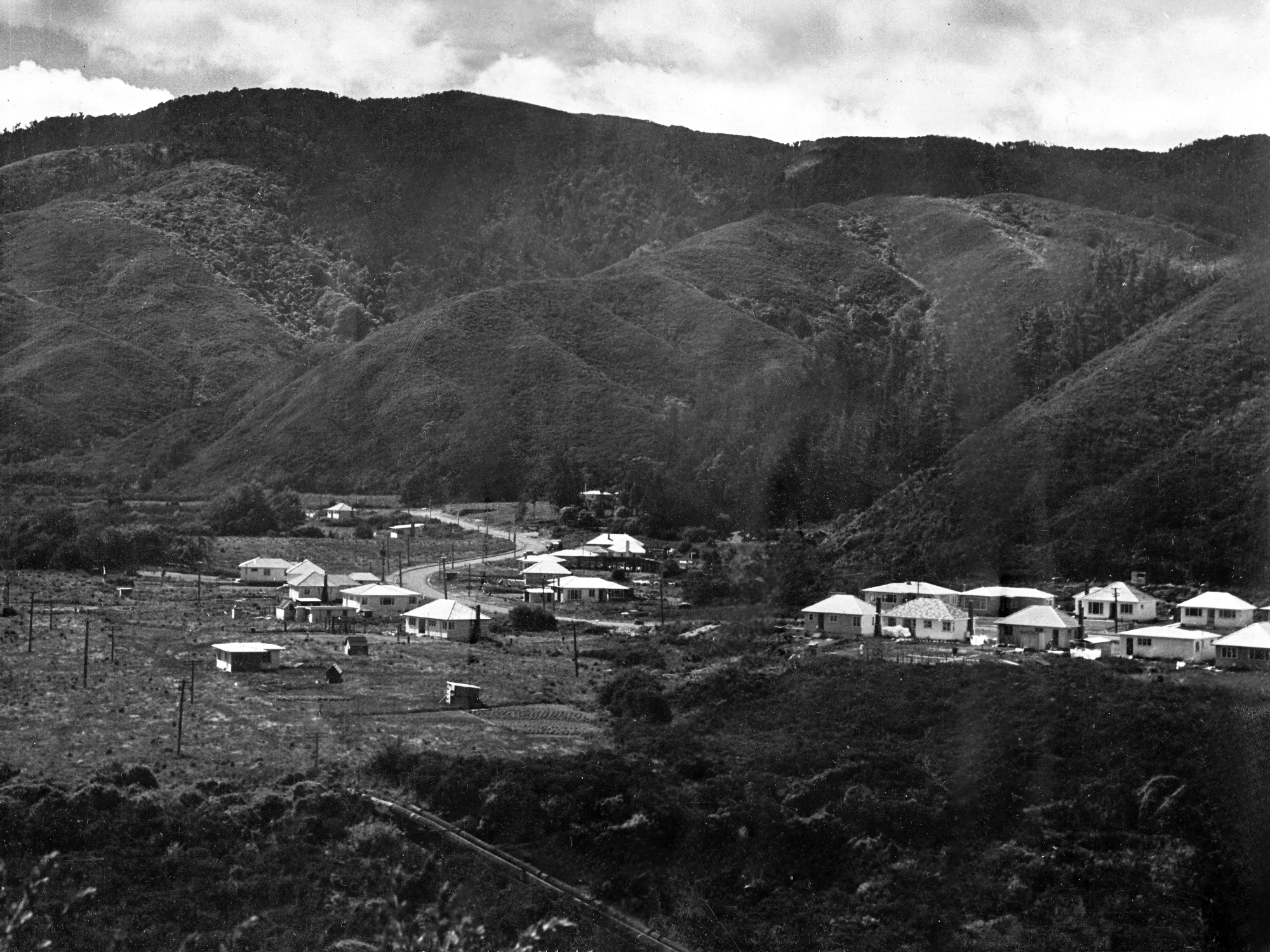
The pipeline was rigorously tested under extreme pressure, sometimes exceeding five times its expected working load. In one test, a joint remained intact even when the pressure gauge failed at 2000 pounds per square inch. After exiting the Orongorongo Tunnel, the water continued through the Orongorongo pipeline, through the valley, and over the Wainuiomata Hill then to the Lower Karori Reservoir in Wellington, where it was distributed to the city.
For decades, this system provided untreated but filtered water to Wellington, undergoing basic filtration and chlorination before delivery. It wasn’t until the Wainuiomata Water Treatment Plant began operations in 1993 that more advanced water treatment, including coagulation and fine filtration, was introduced.
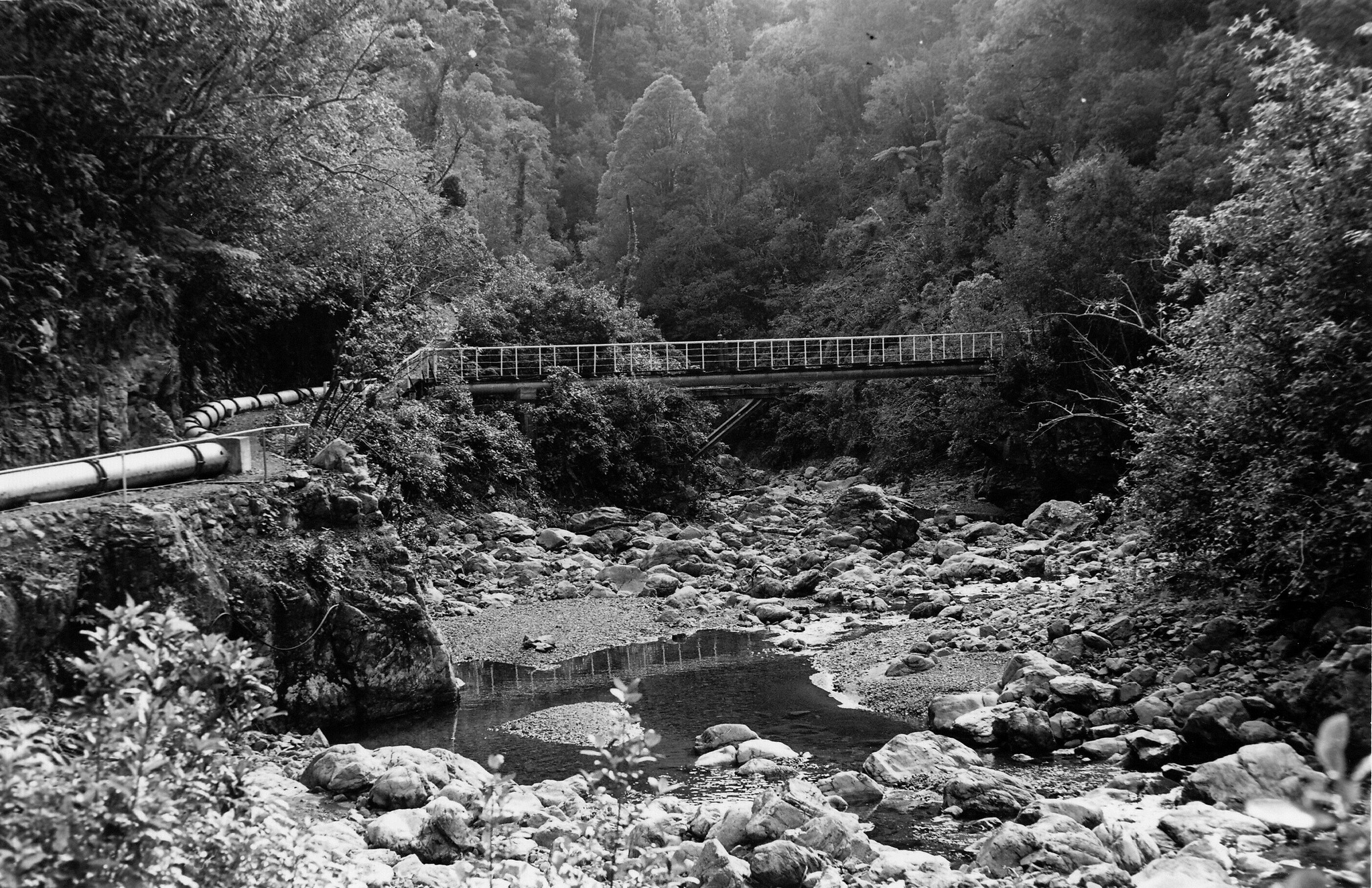
The Orongorongo pipeline was progressively upgraded between 1997 and 2004. The first stage focused on the 3.2-kilometre tunnel section, where parts of the tunnel wall were shaved back to allow space for both a new pipeline and replacement rail tracks. This was followed by the replacement of the section running from the Orongorongo weir to the tunnel’s Orongorongo portal, where lightweight pipes and materials were flown in by helicopter due to the remote and rugged terrain. The final stage, extending from the tunnel’s Wainuiomata portal to the Wainuiomata Water Treatment Plant, was completed in 2004. From there, water from the Orongorongo and Wainuiomata River catchments are transported via the Green Pipe.