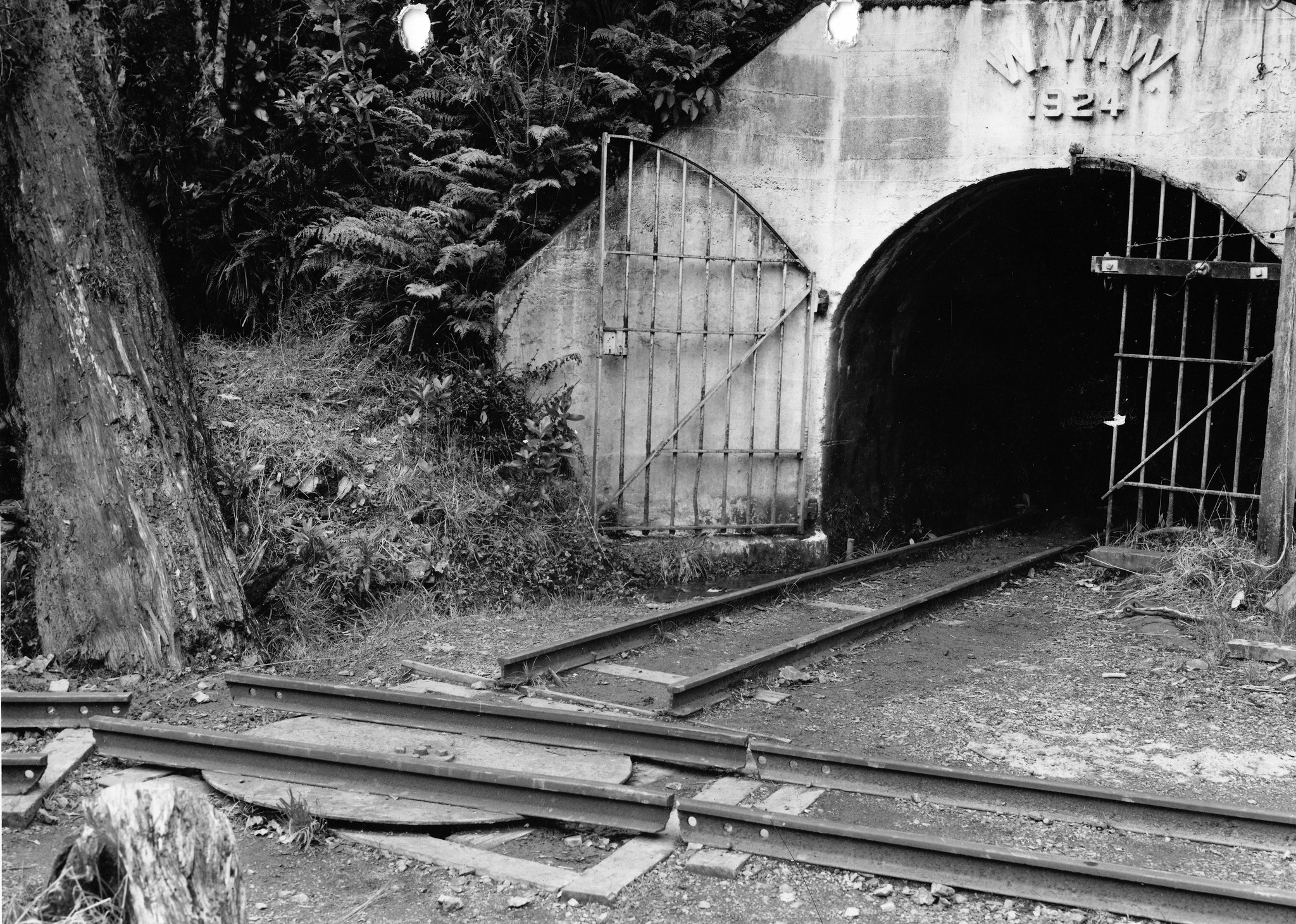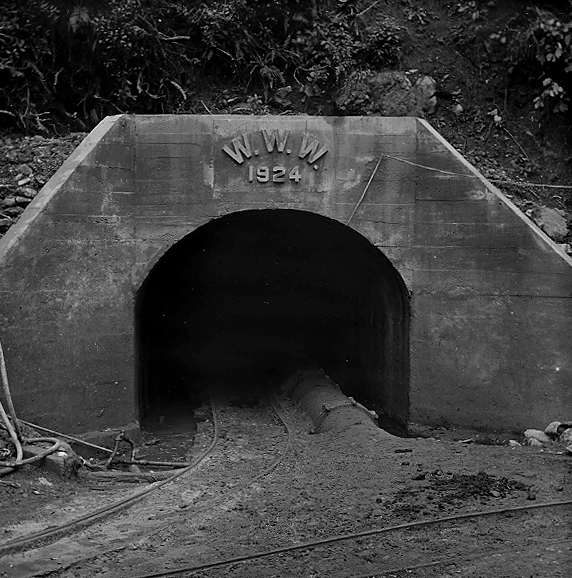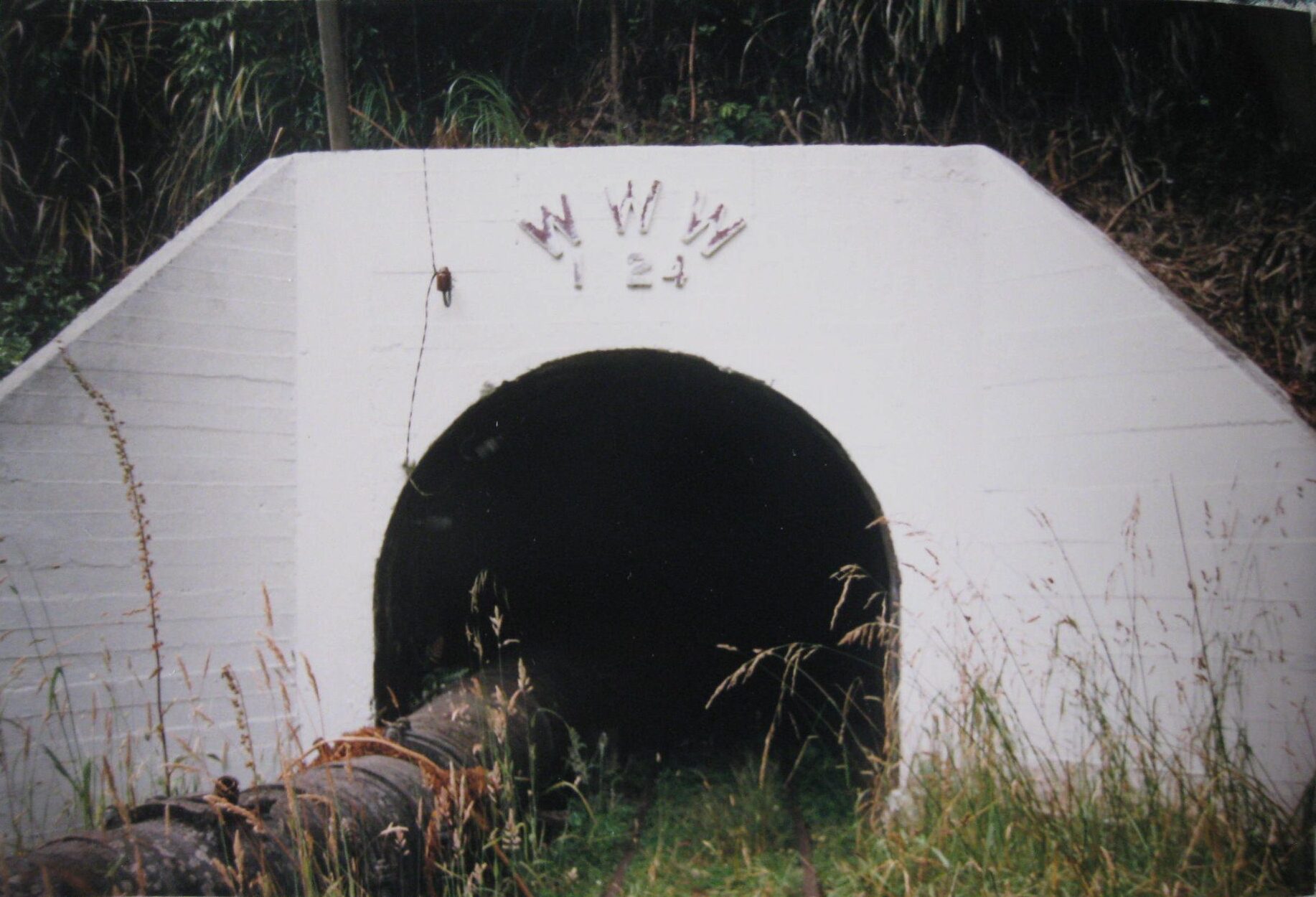
Orongorongo Tunnel Wainuiomata Entrance – © Jeremy Foster
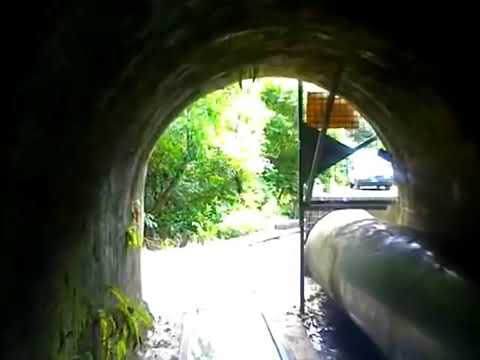
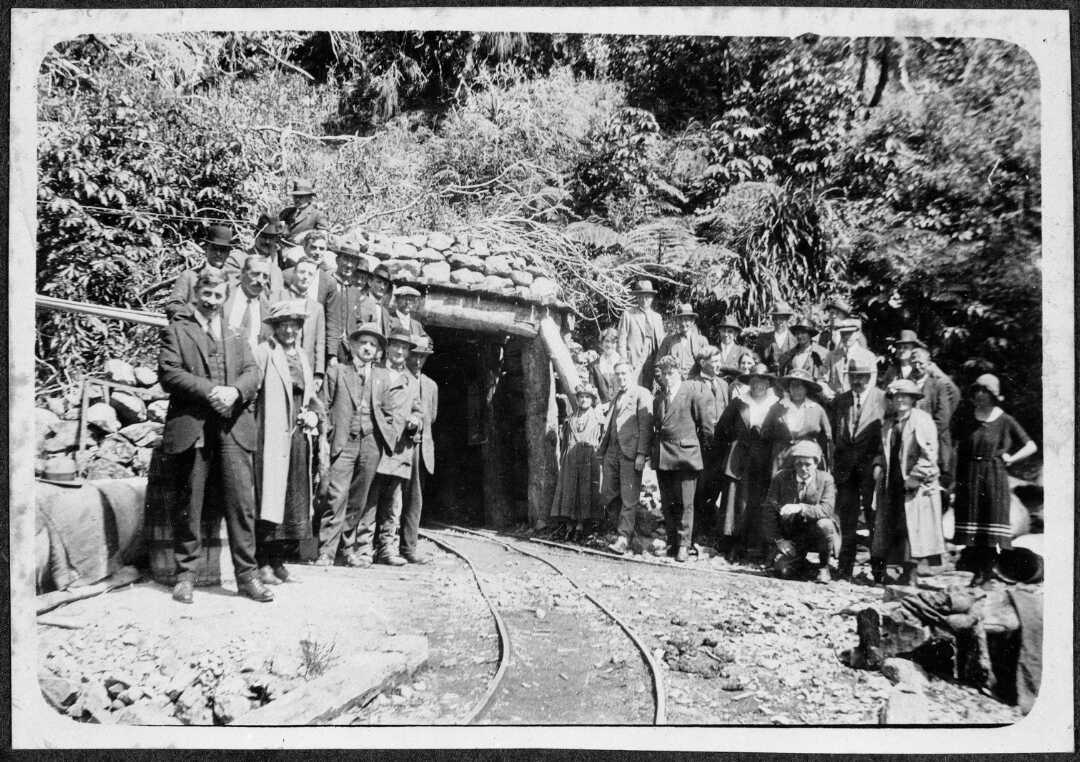
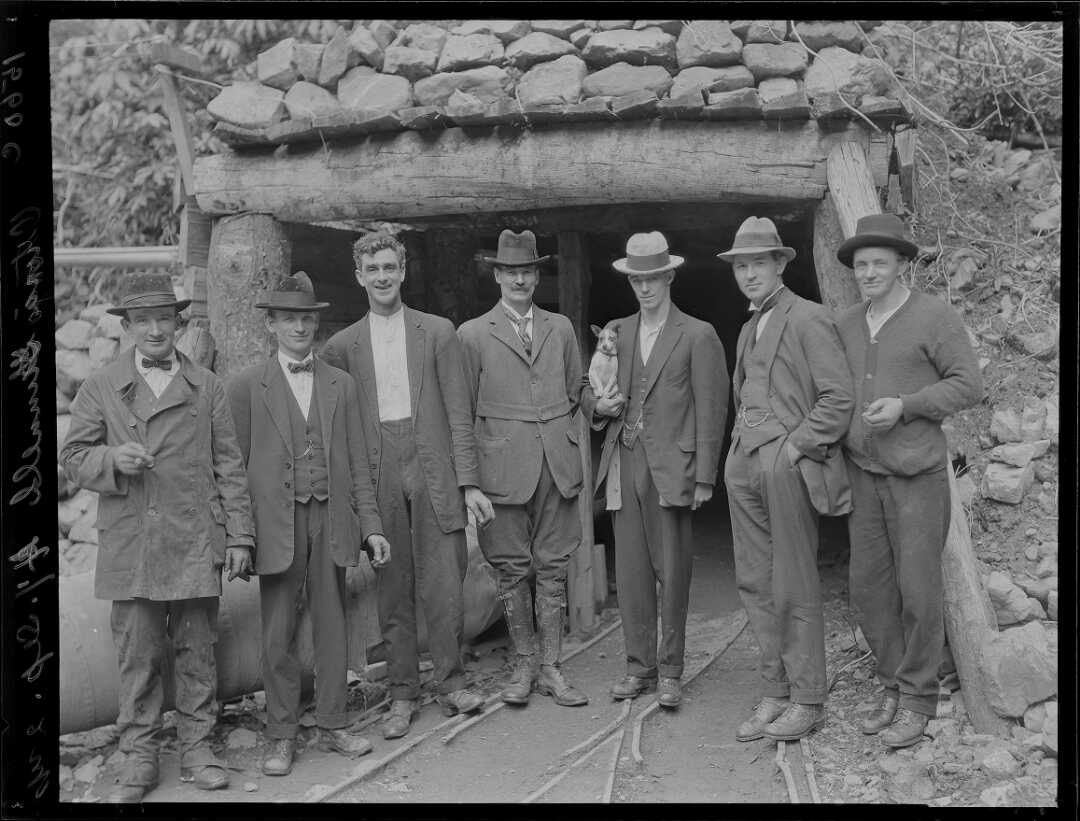
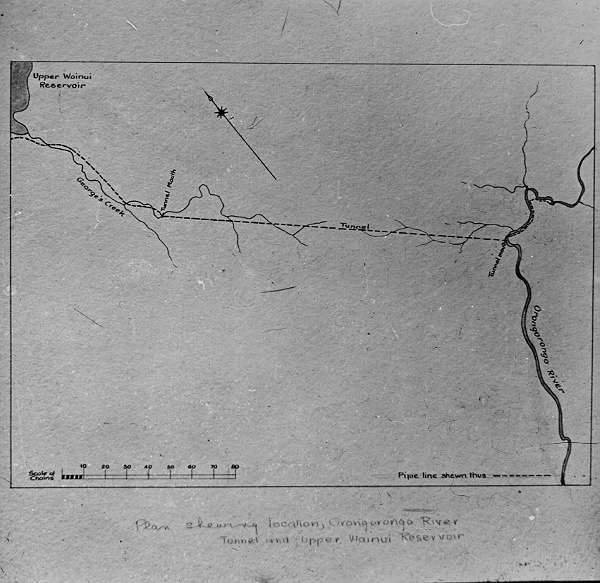
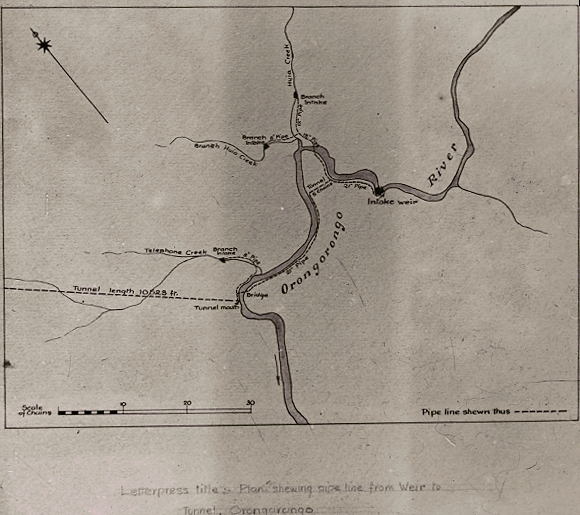
The Orongorongo Tunnel, also known as Semple’s Tunnel, is a landmark in New Zealand’s water infrastructure history. Constructed between 1921 and 1926, the tunnel stretches 10,494 feet (3.2 km) through a mountain range rising 2,500 feet above sea level. It was engineered with a high point at the centre, featuring a gentle gradient of 1 in 500 on the Orongorongo side and a steeper grade of 1 in 160 on the Wainuiomata side to aid drainage.
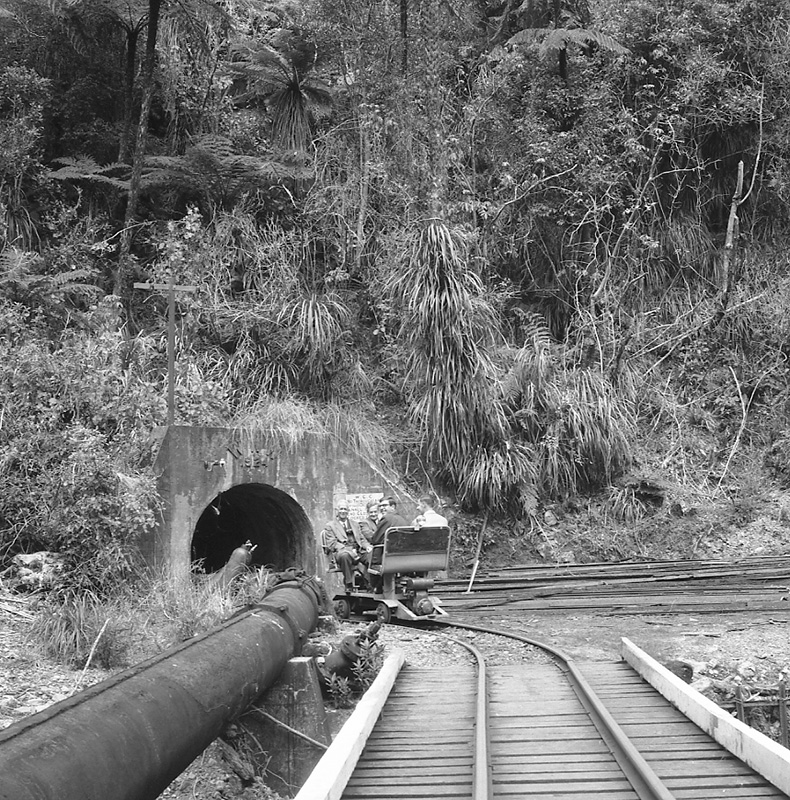
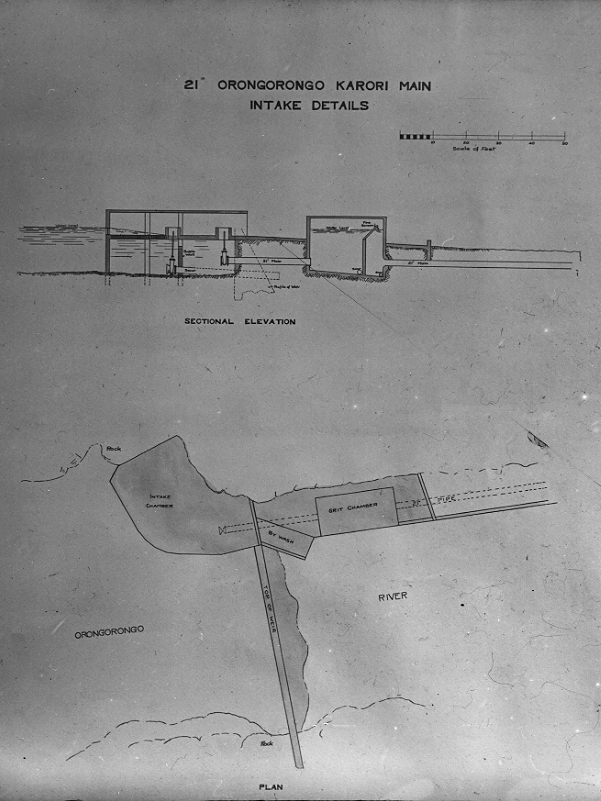
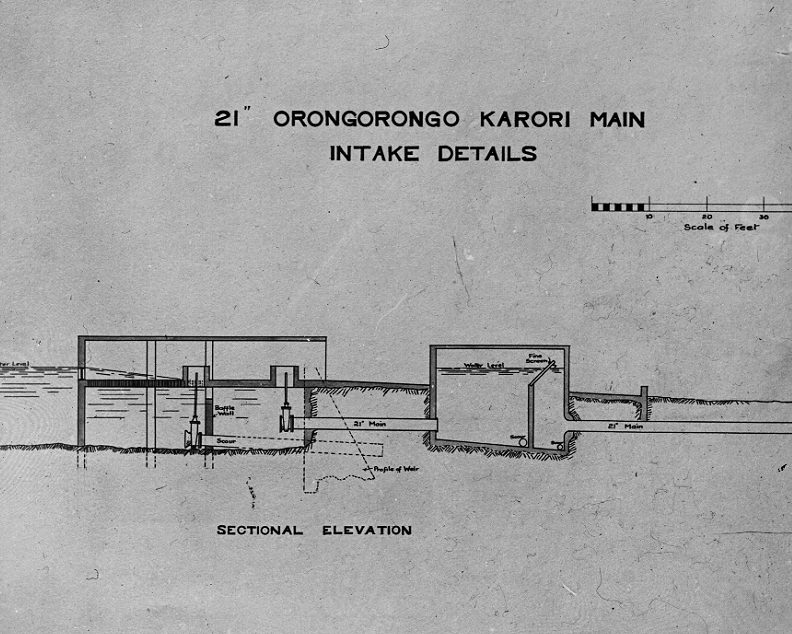
The tunnel was built to connect the Orongorongo Valley to the Wainuiomata Valley by means of a pipeline. Its core purpose was to supplement Wellington’s water supply by diverting water from the Orongorongo catchment to the reservoir at the lower dam at Karori. This route, from Orongorongo to Karori, earned the pipeline the nickname ‘O-K main‘.
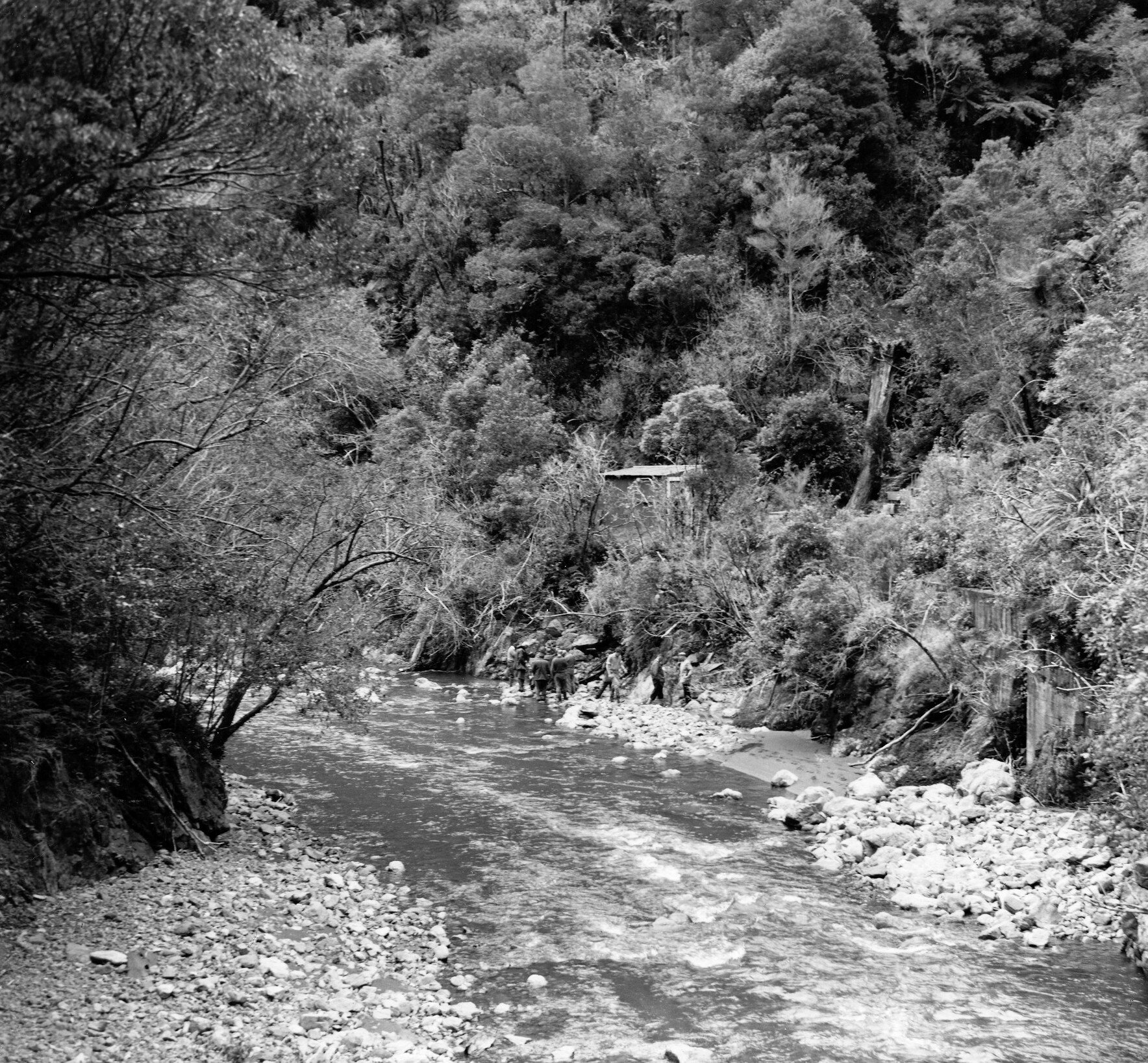
Construction posed significant logistical challenges, particularly in accessing the remote site. A 6.5-kilometre pack track climbing 300 metres into the Orongorongo Valley was created to transport lighter materials. Heavier equipment and supplies were first trucked 45 kilometres to the mouth of the Orongorongo Stream, then hauled 22 kilometres upriver by horse teams to the tunnel portal. This demanding route enabled the delivery of roughly 600 tonnes of steel piping, cement, timber, and air-compression equipment.
When completed in 1926, the tunnel boosted Wellington’s water supply by an additional 27 million litres per day. Impressively, the system still operates today, supplying approximately 5% of the region’s water.
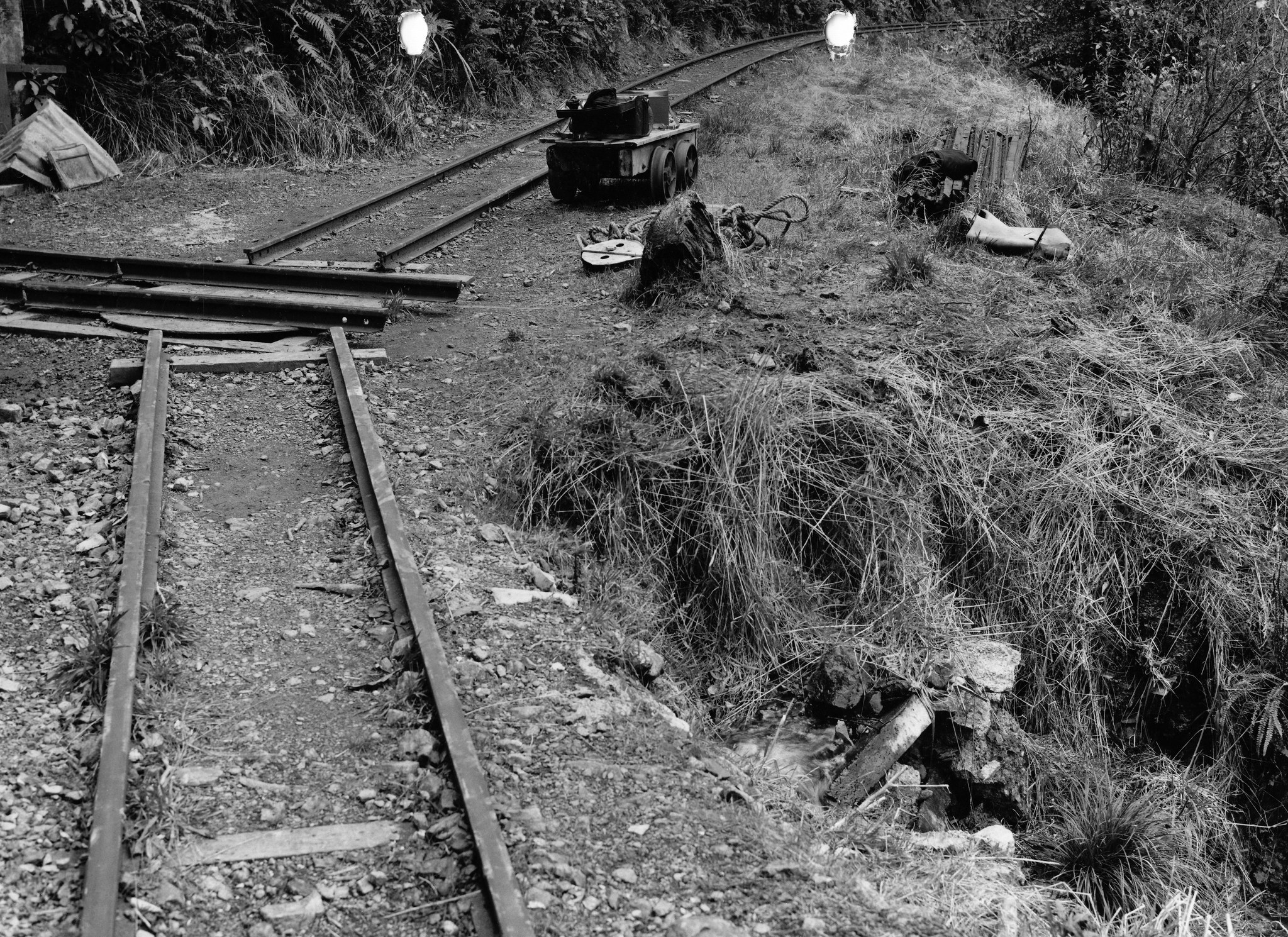
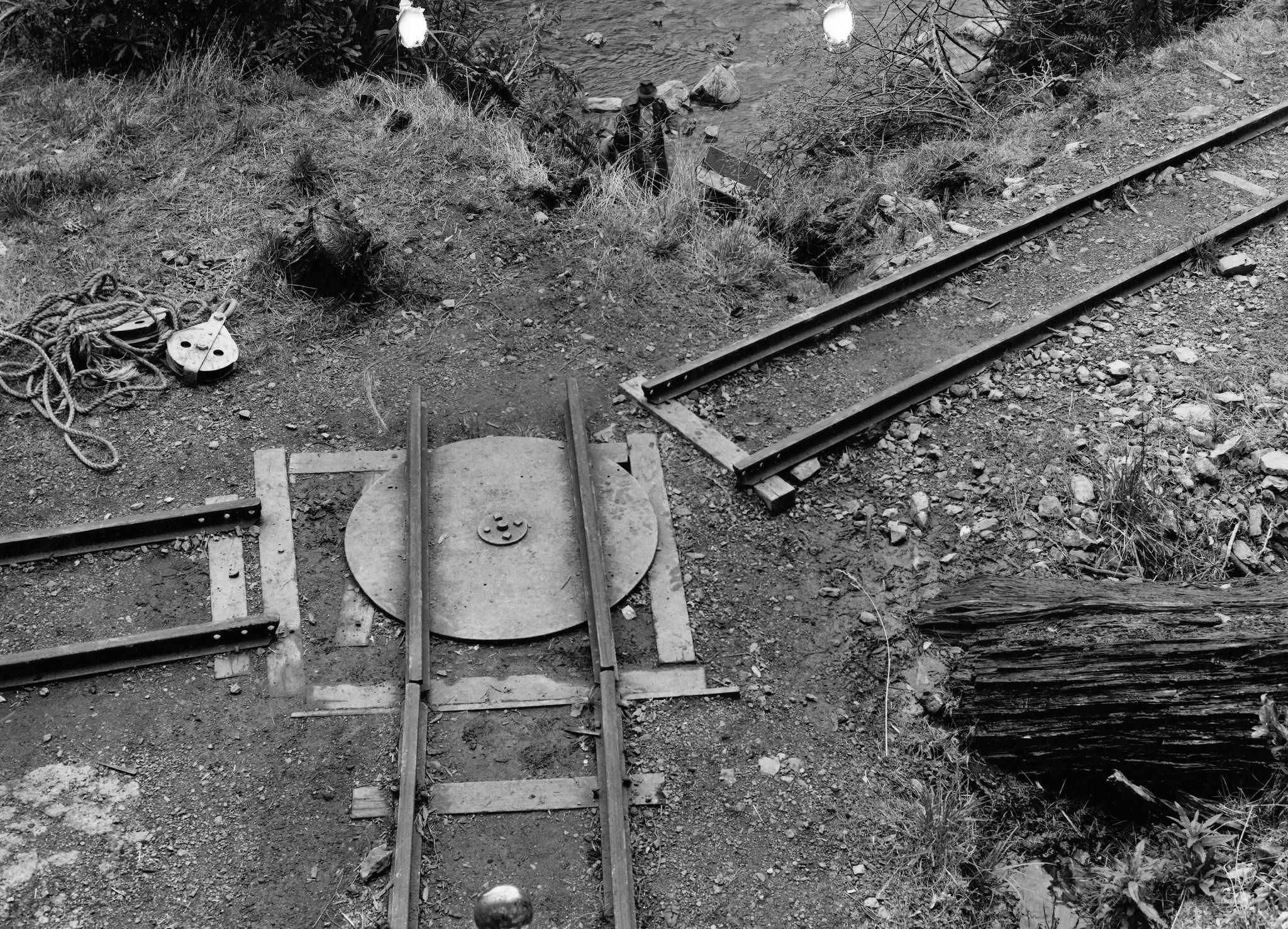
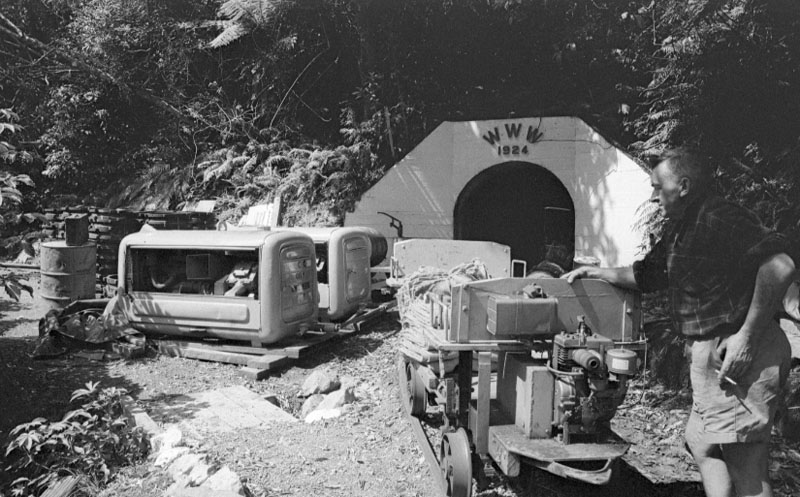
A narrow-gauge railway runs through the tunnel, enabling maintenance crews to service the pipeline and reach the upstream catchment. Regular inspections help identify and manage geotechnical risks, ensuring the tunnel remains a reliable part of Wellington’s water infrastructure.
According to those who have travelled through the 3.5-kilometre tunnel, its rock-lined walls and ceiling come alive with glow-worms when the lights are turned off, creating a striking natural display in the darkness.