A Model Camp
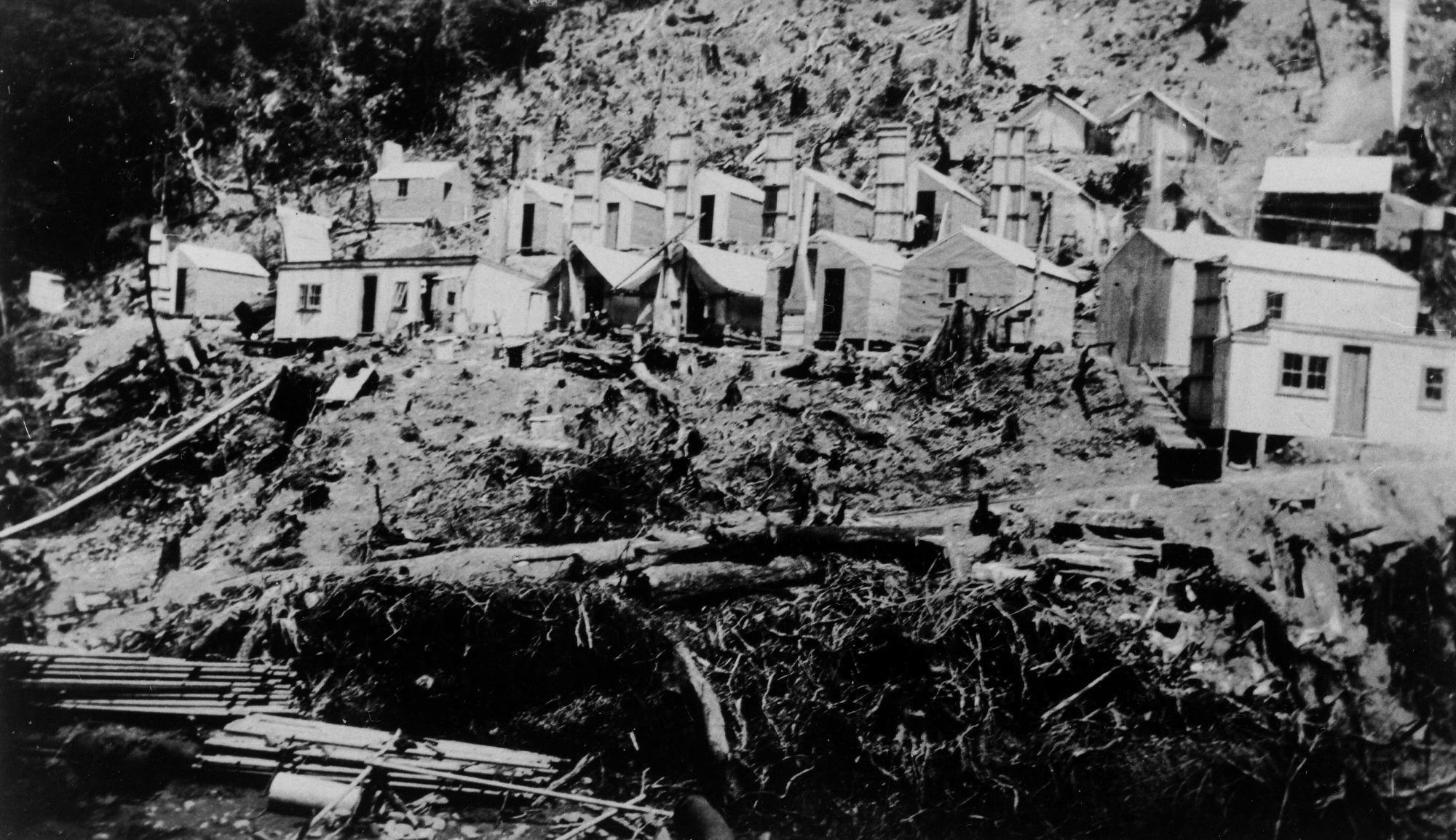
Tucked away in a gully two miles from the Morton Dam in Wainui-o-mata, Semple’s Camp served as the central base of operations for the co-operative tunnelling effort through the Orongorongo Range in the early 1920s. Established and led by Mr. Robert Semple, the camp housed the initial group of 15 men, a nucleus of a larger workforce of 40 to 60 people. These workers undertook the ambitious Orongorongo tunnel project under a co-operative contract with the Wellington City Council.
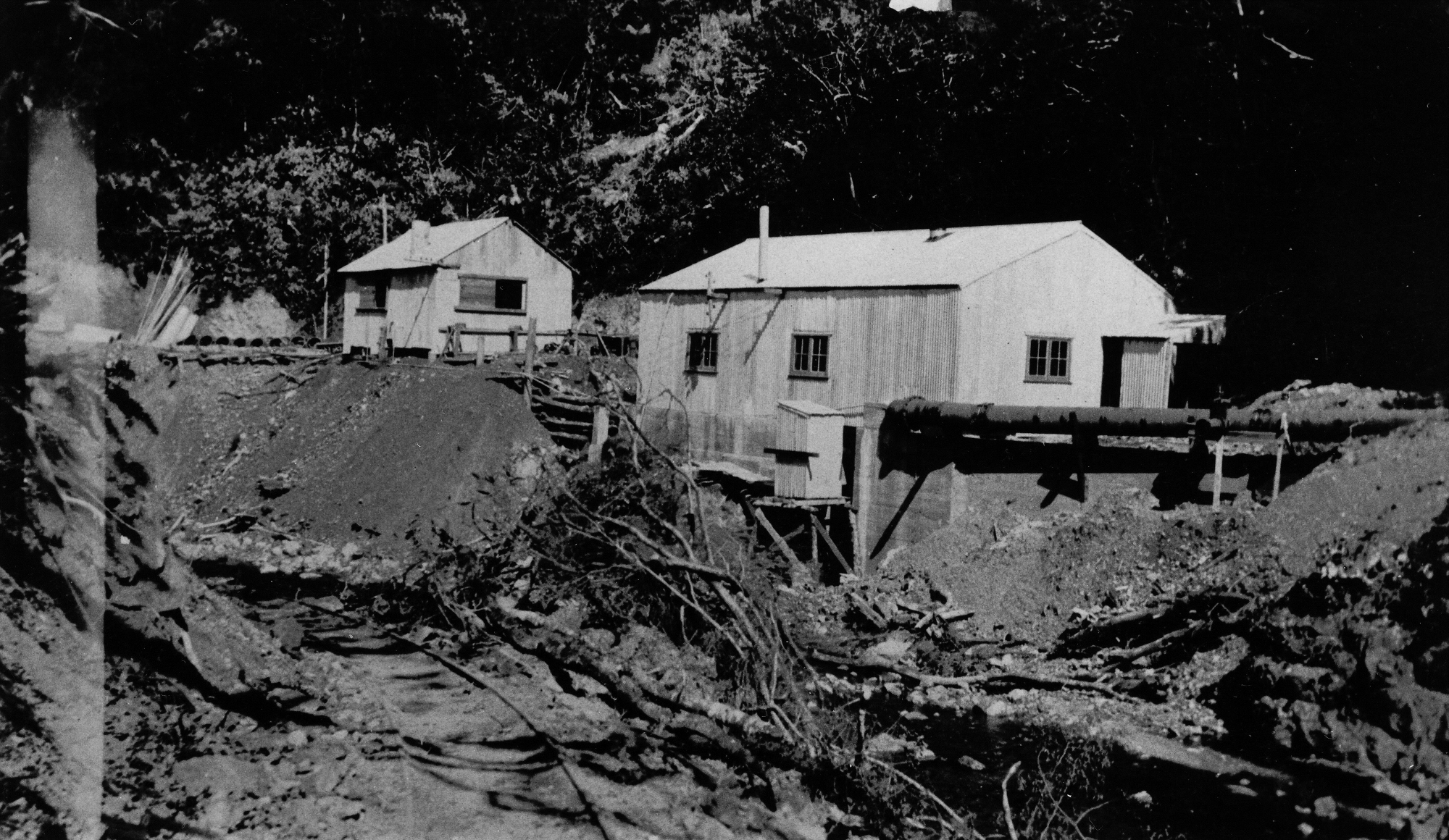
The camp was carefully planned and constructed in a clearing carved from dense native bush. It initially comprised eight huts, along with a kitchen and a dining room. Each hut featured an open fireplace and sleeping quarters for two men. Cleanliness and order were emphasised throughout the site, earning praise from visiting city councillors. The only woman in the camp was the cook, whose meals left a lasting impression on visitors, with a menu consisting of offerings like roast mutton and beef, baked vegetables, and homemade pies and puddings.
The co-operative principle guided every aspect of camp life. Mr. Semple emphasised discipline, teamwork, and an unwavering commitment to progress, vowing to push forward without strikes, go-slows, or other disruptions that had plagued similar public works in the past.
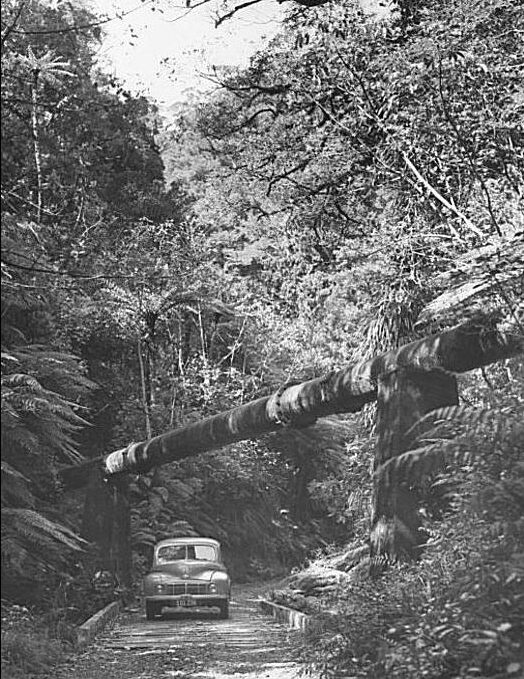
Aside from living quarters, the camp also included facilities for vital logistical support. The first major task assigned to the workers in this camp was the construction of a road linking the camp to the Morton Dam. This involved clearing large native trees and metalling the surface with shingle and material excavated from the tunnel. The resulting track remained solid despite challenging weather conditions and minimal sunlight.
To support tunnelling from both ends, Semple’s team also cut a zig-zag bridle track through thick bush up to the Orongorongo side. This track rose 2,500 feet above sea level and stretched over three miles, enabling supply lines and medical access to future work crews.
Semple’s Camp was not only a base of operations but also a symbol of a successful co-operative model in public infrastructure. Visitors praised the conditions and morale at the camp, with one describing it as cleaner than many hotels and more efficient than conventional contract setups.
Semple's Camp Gallery
Credits
Special thanks to Lance Stewart for supplying 2 photos from the Wainuiomata Museum.