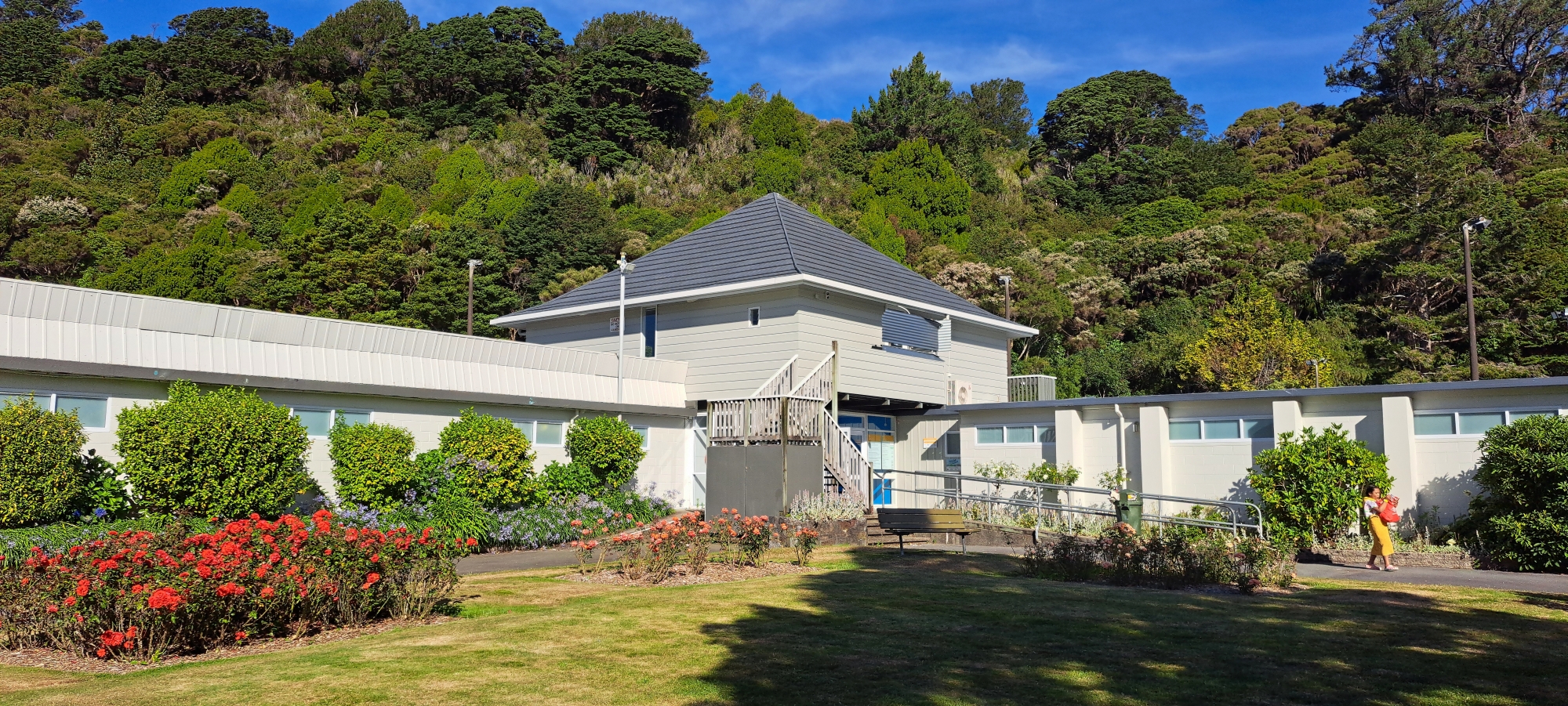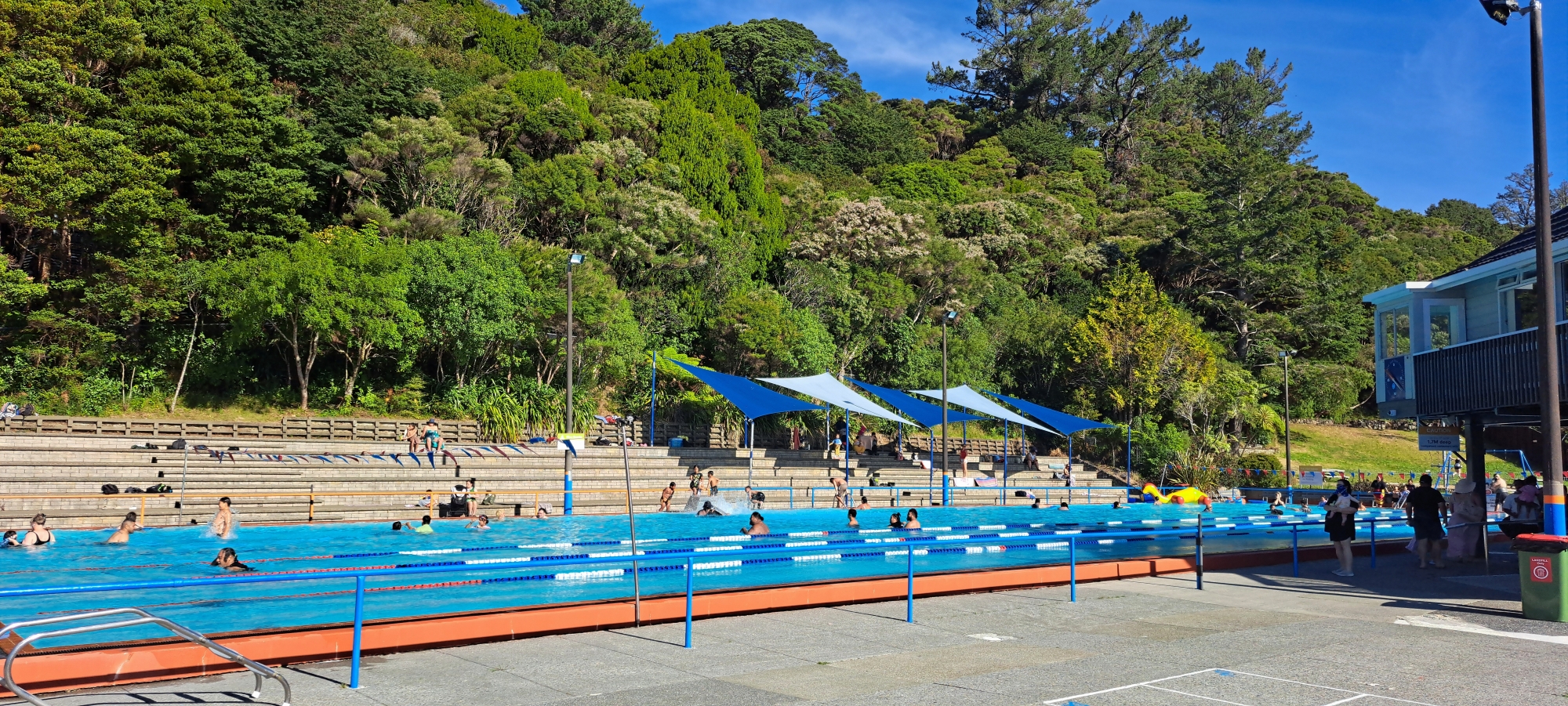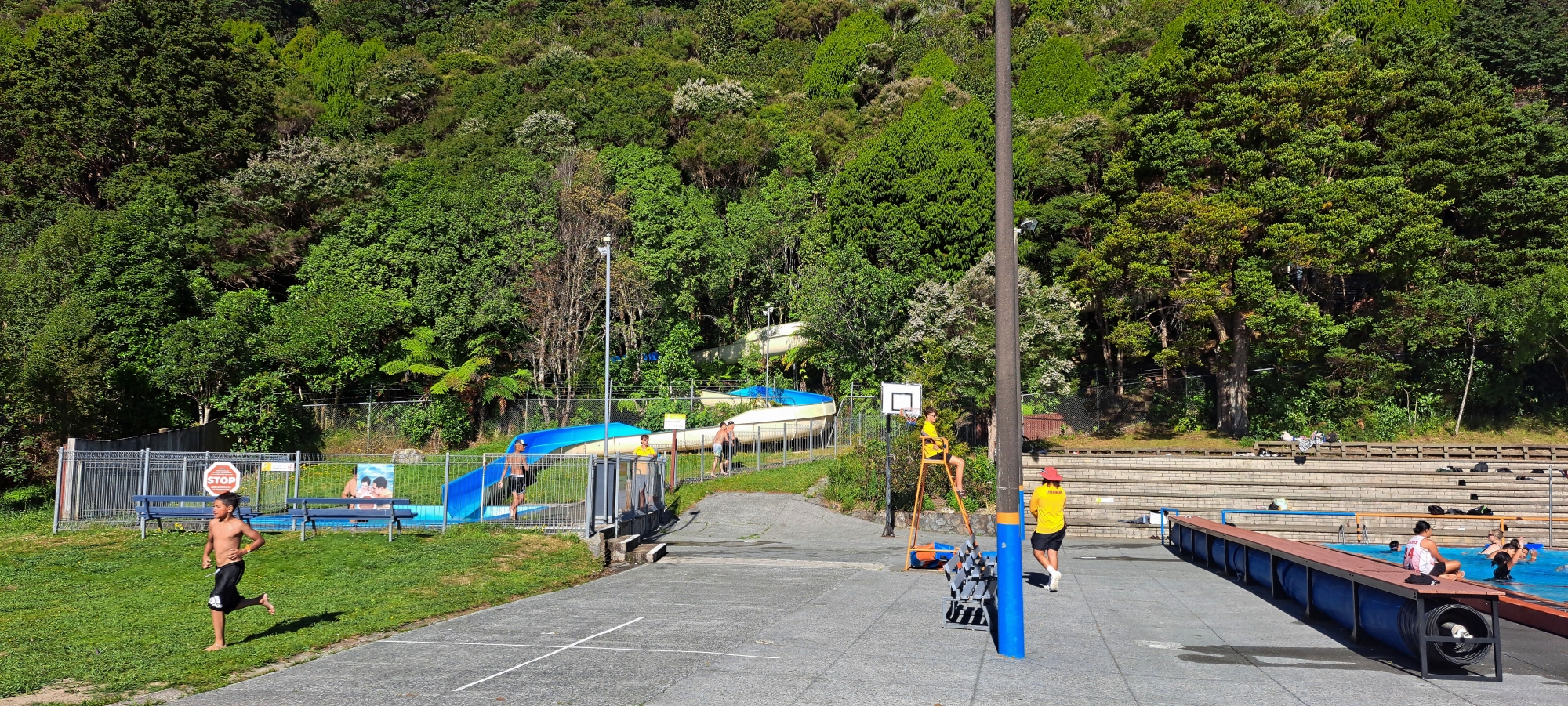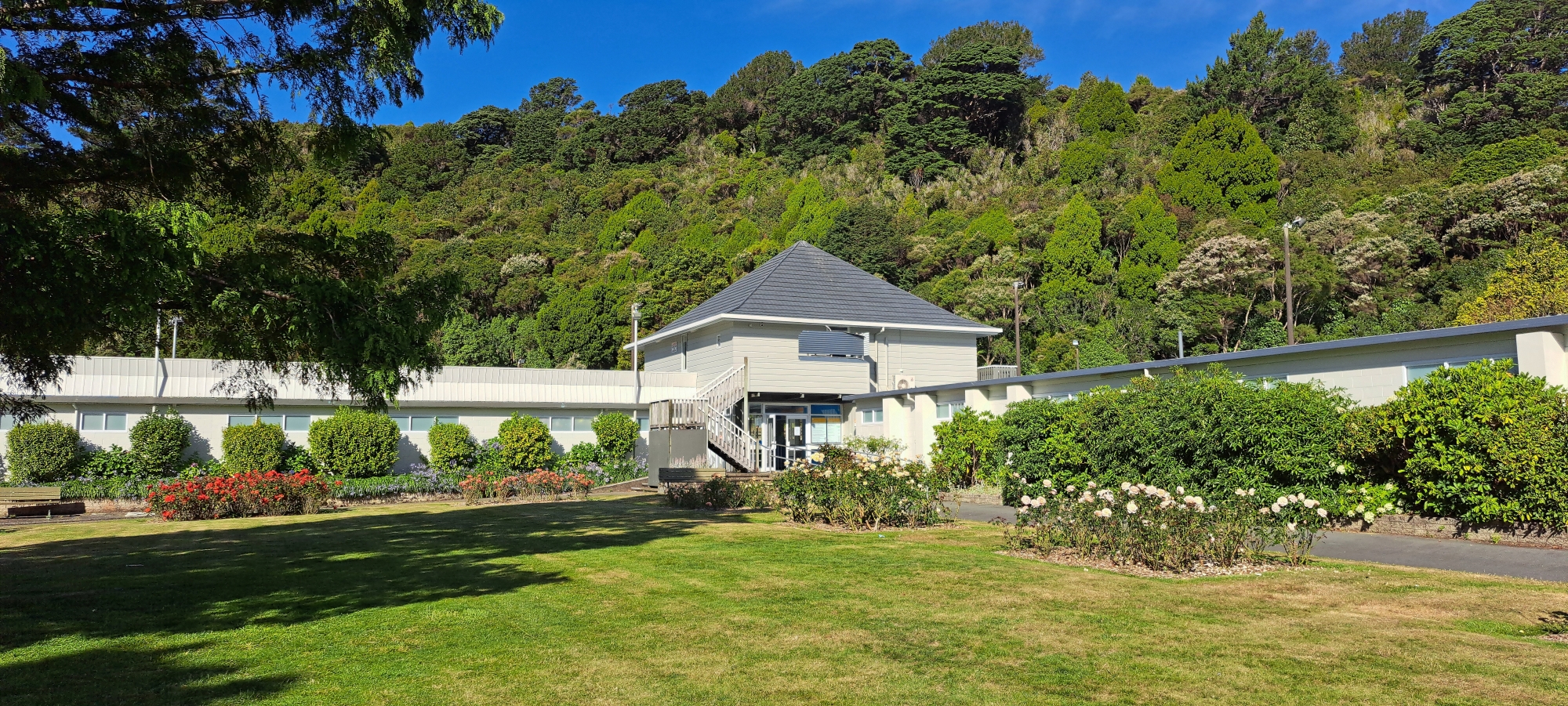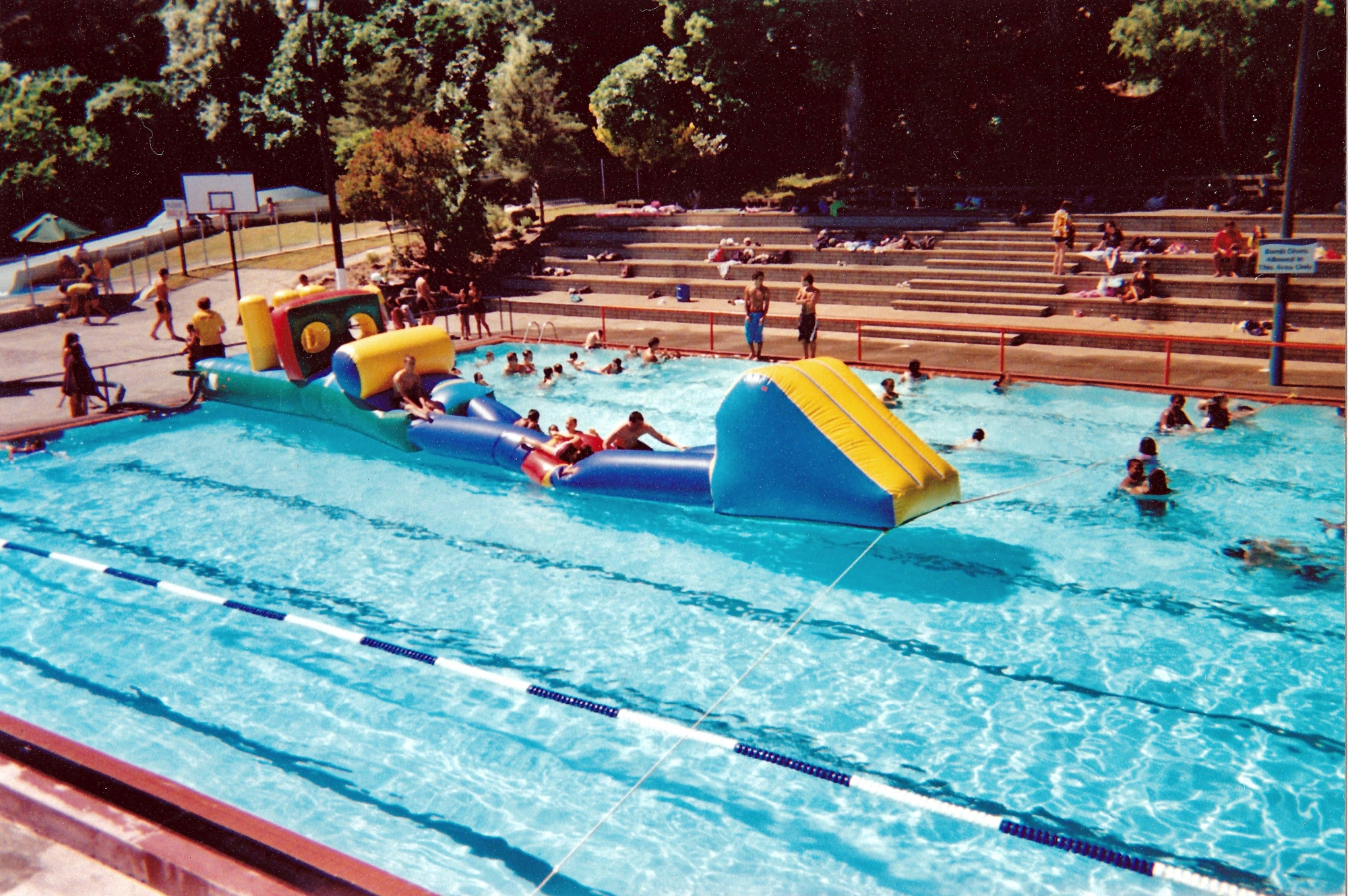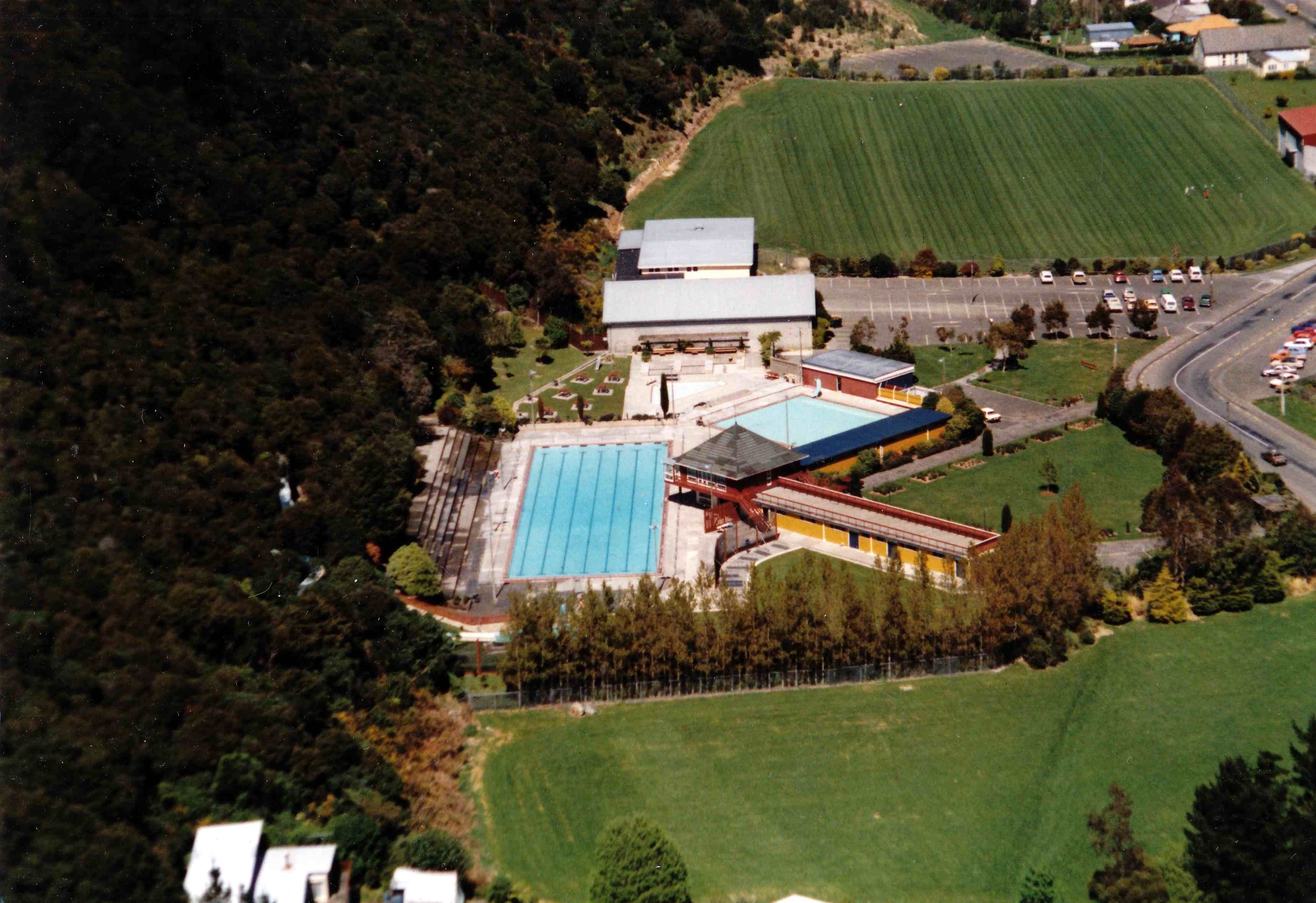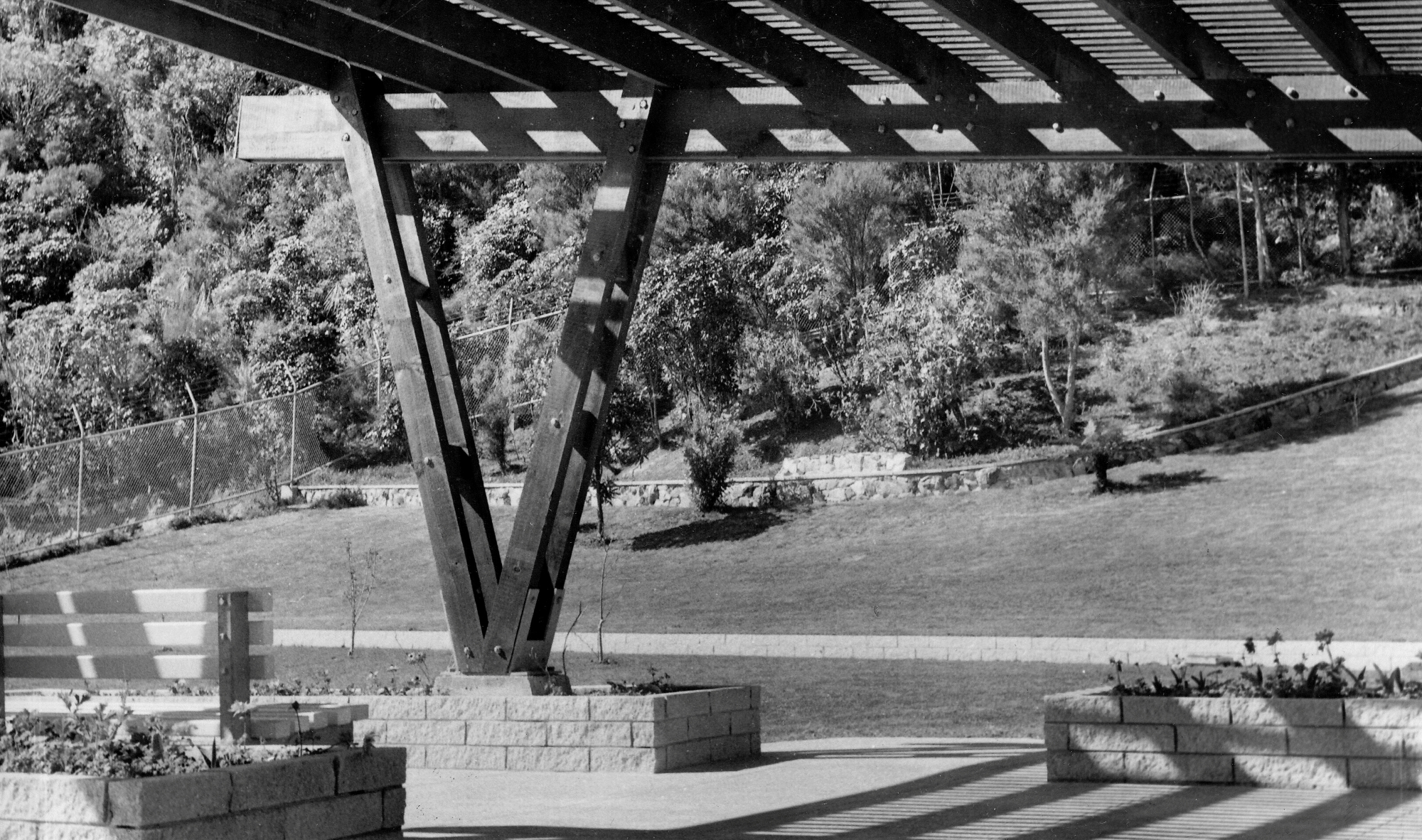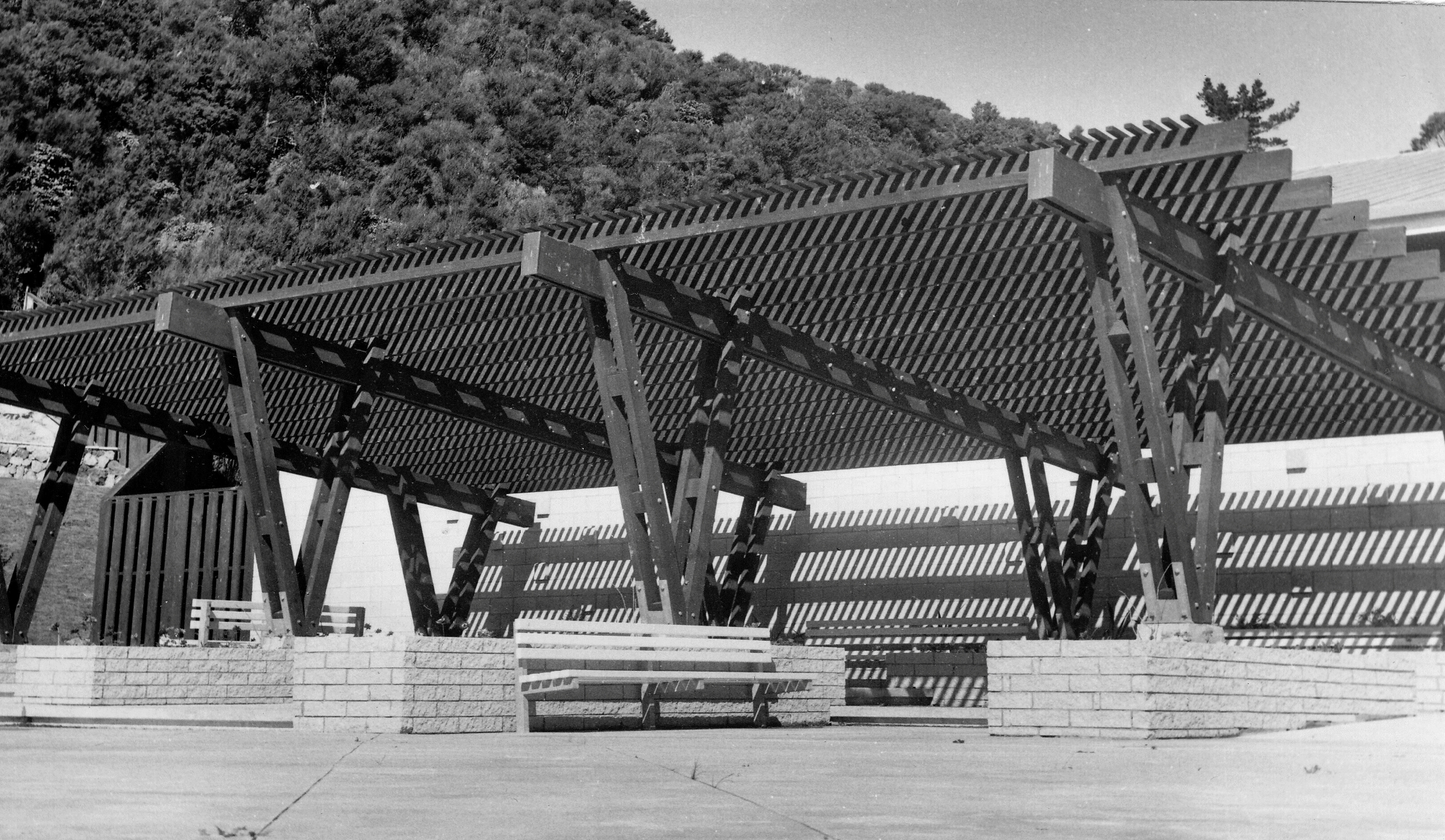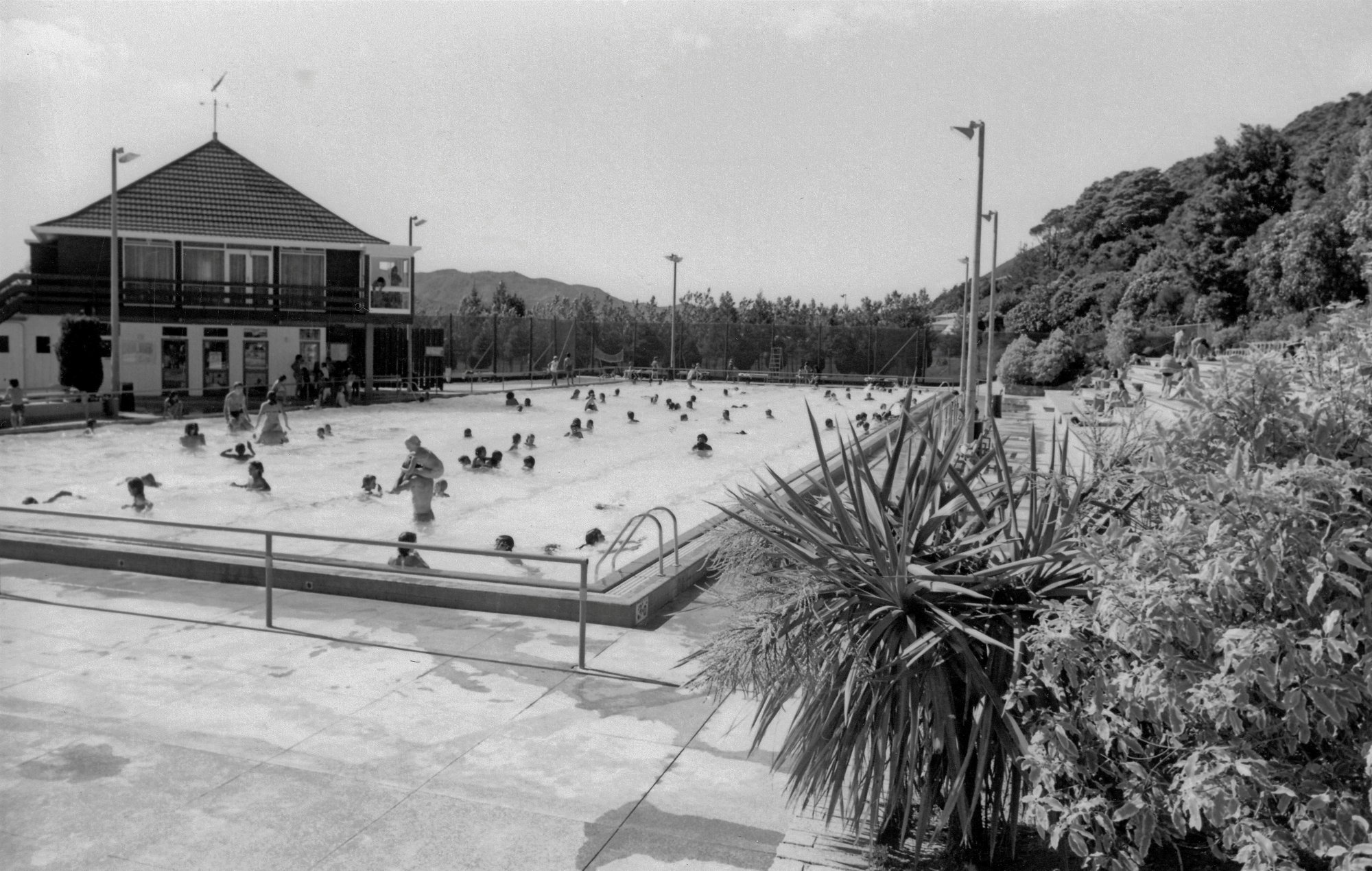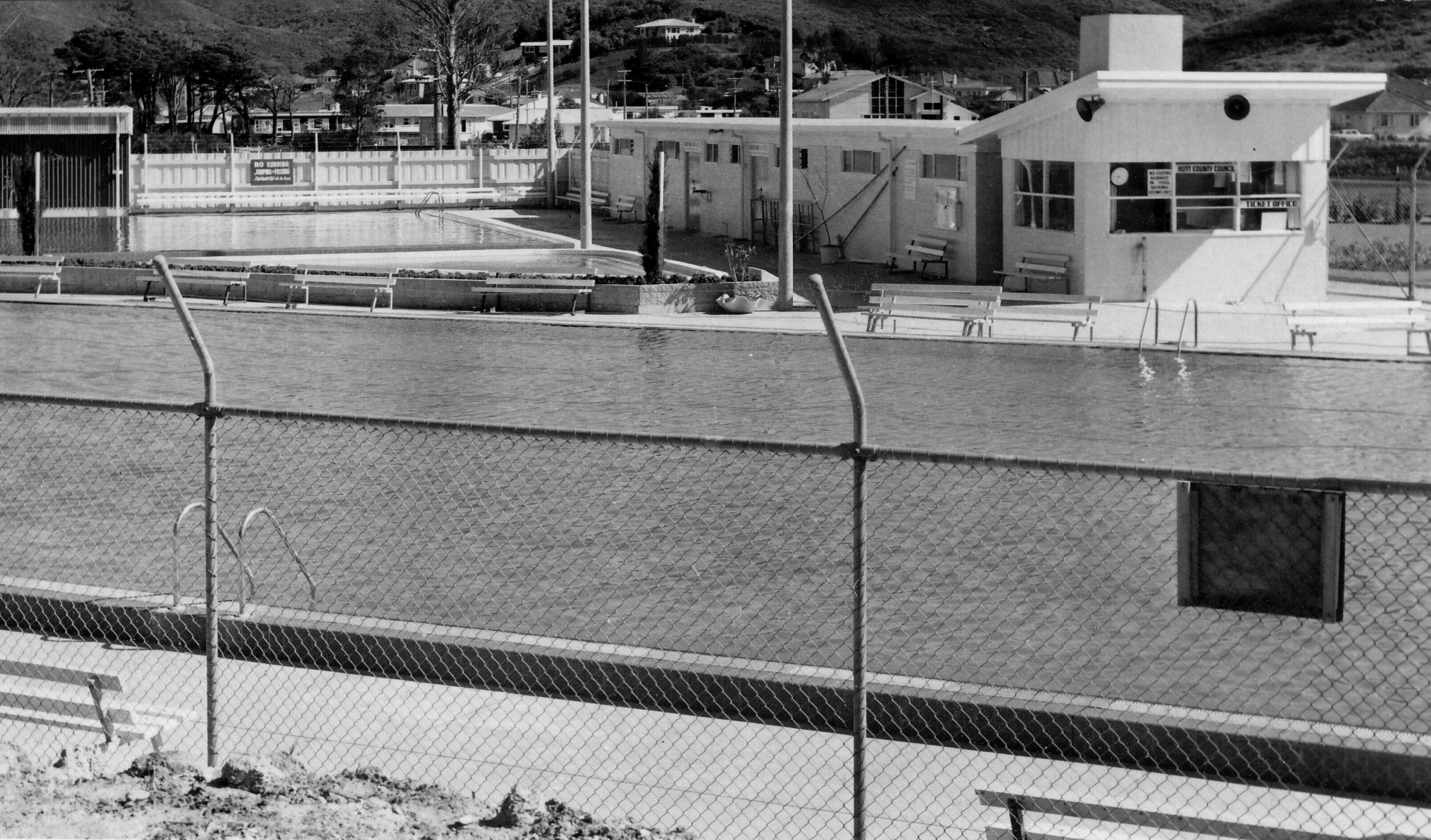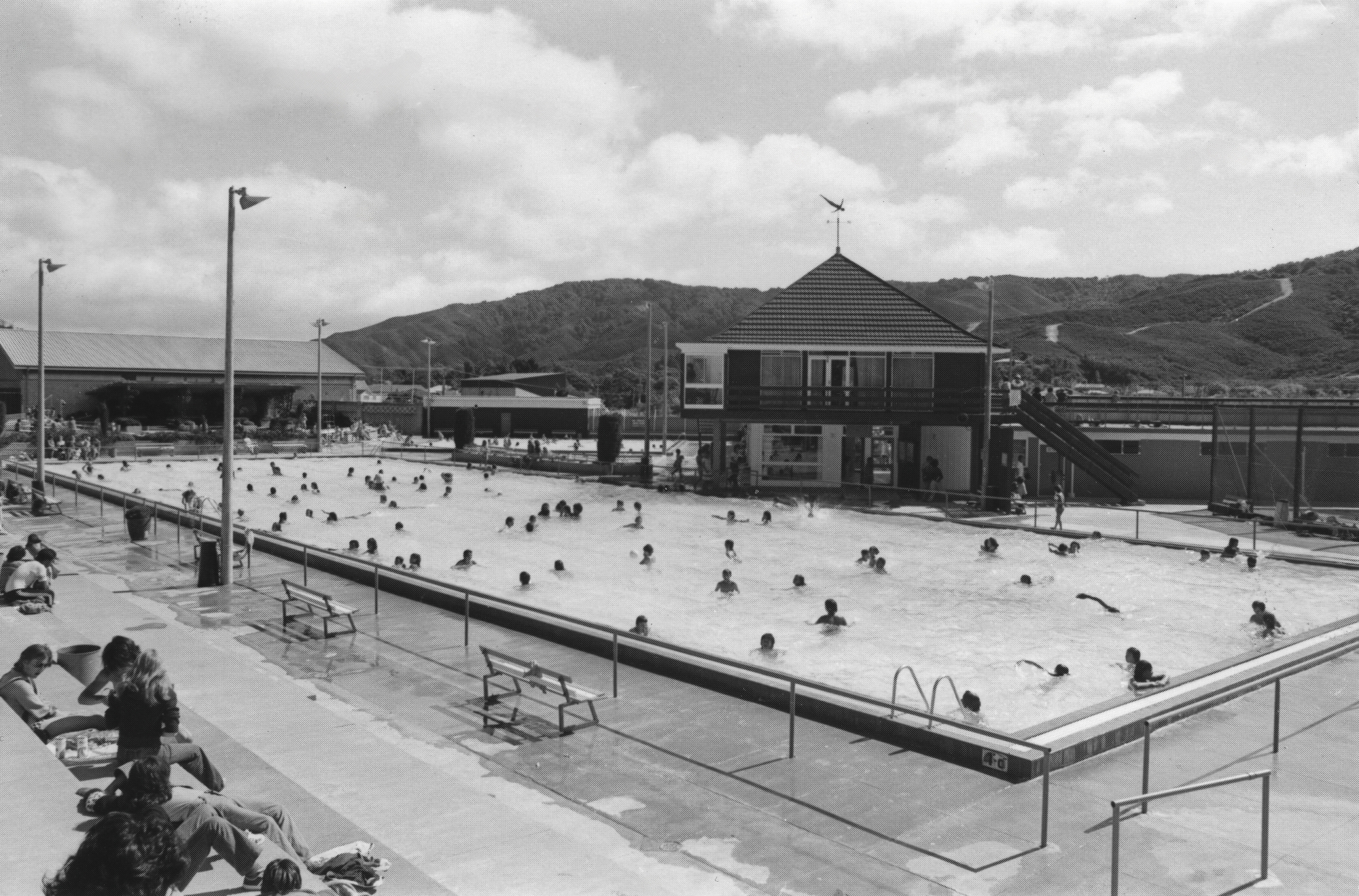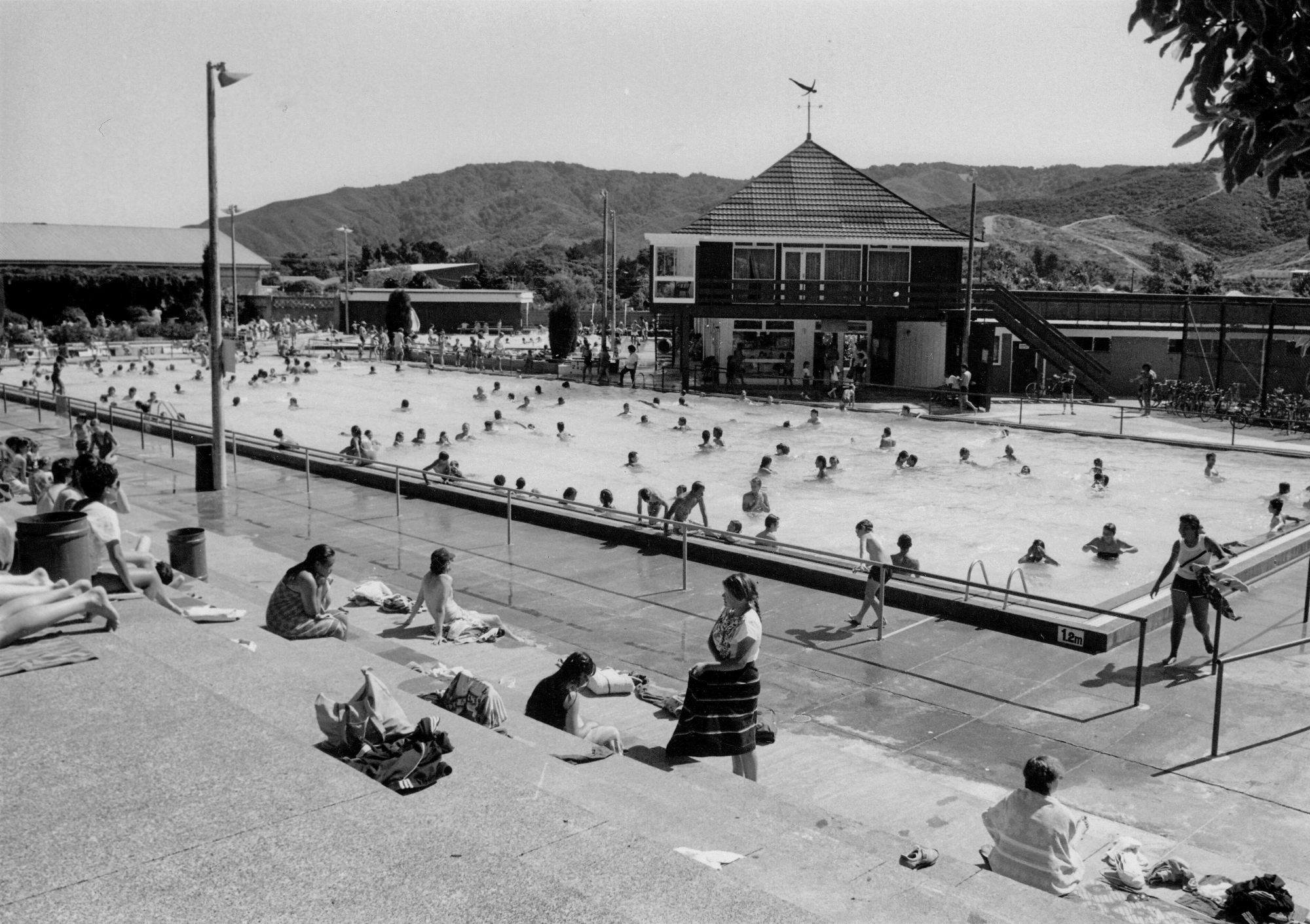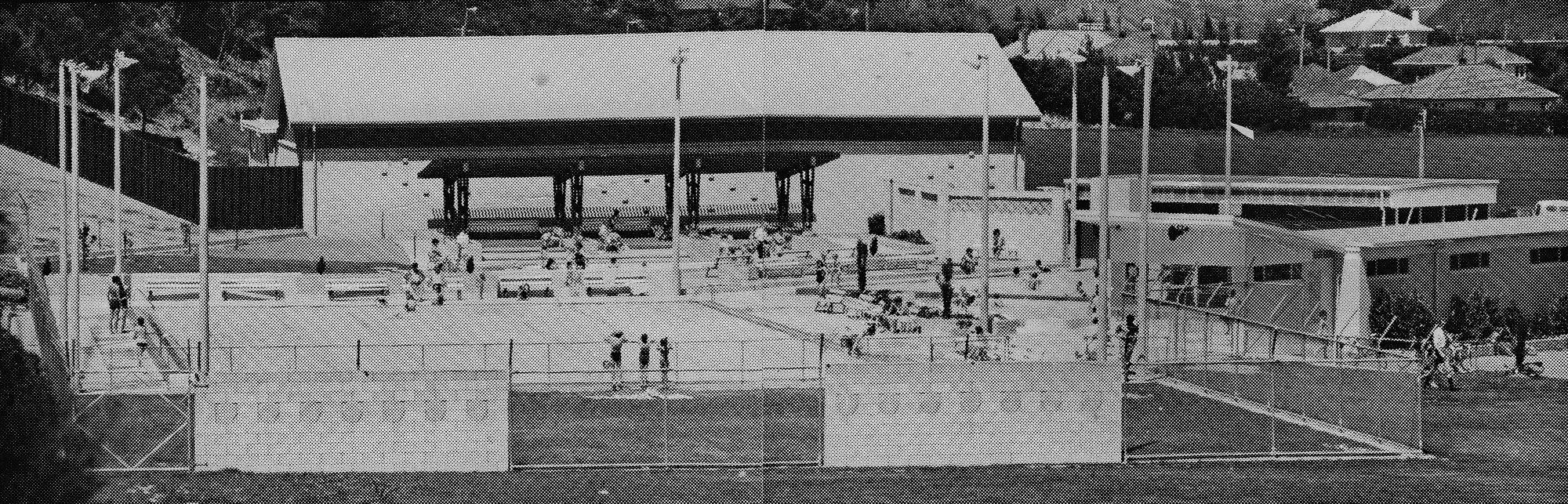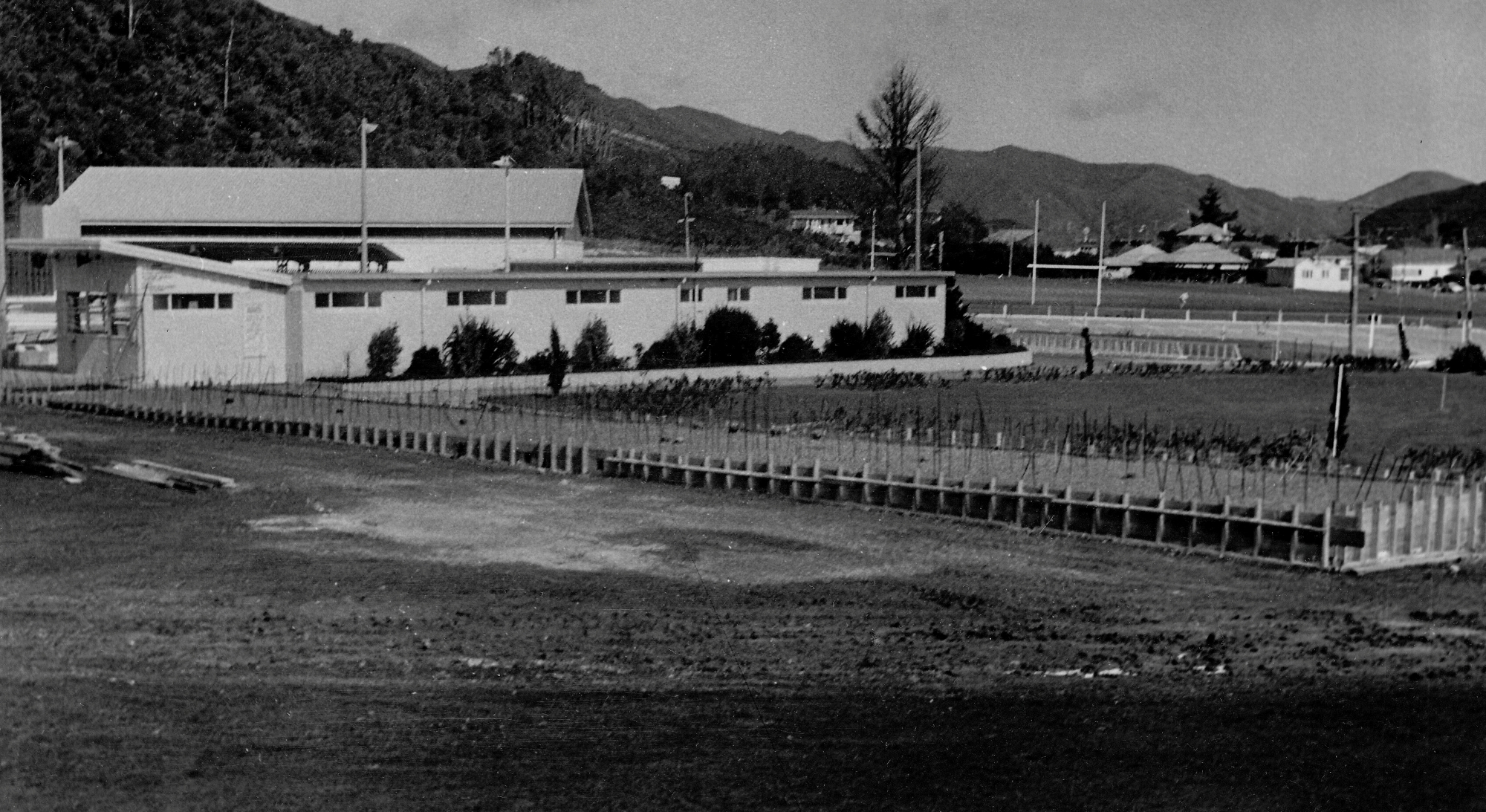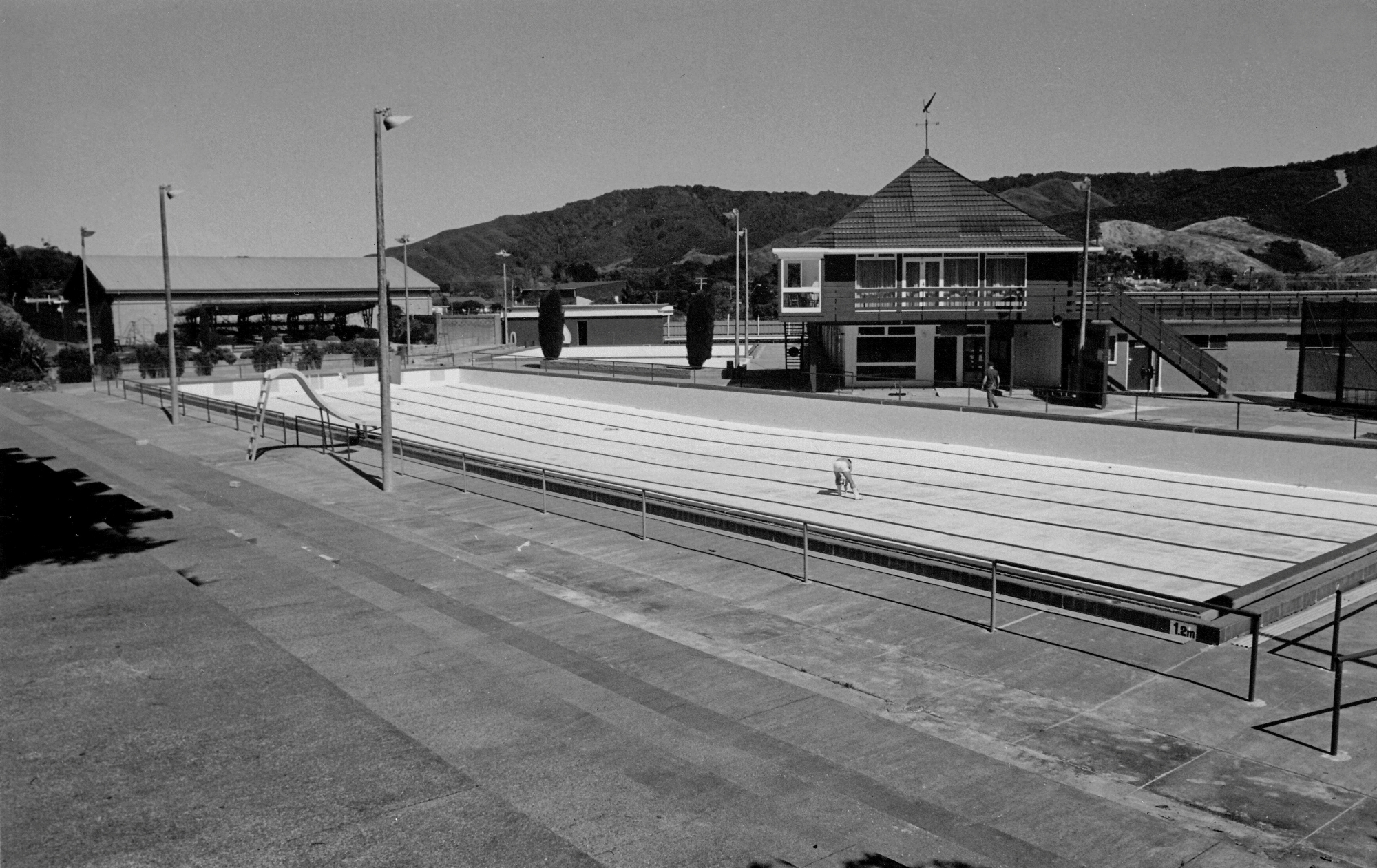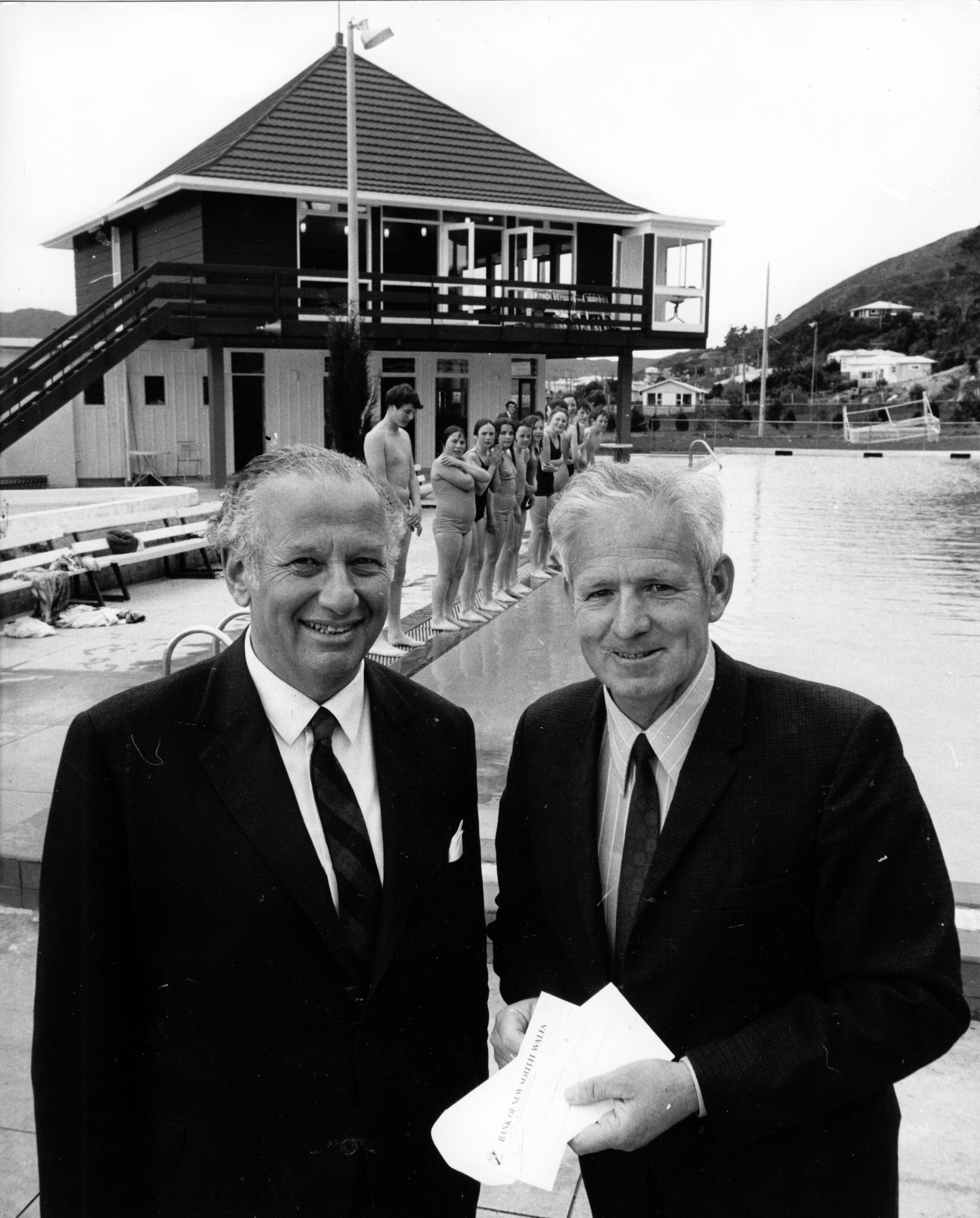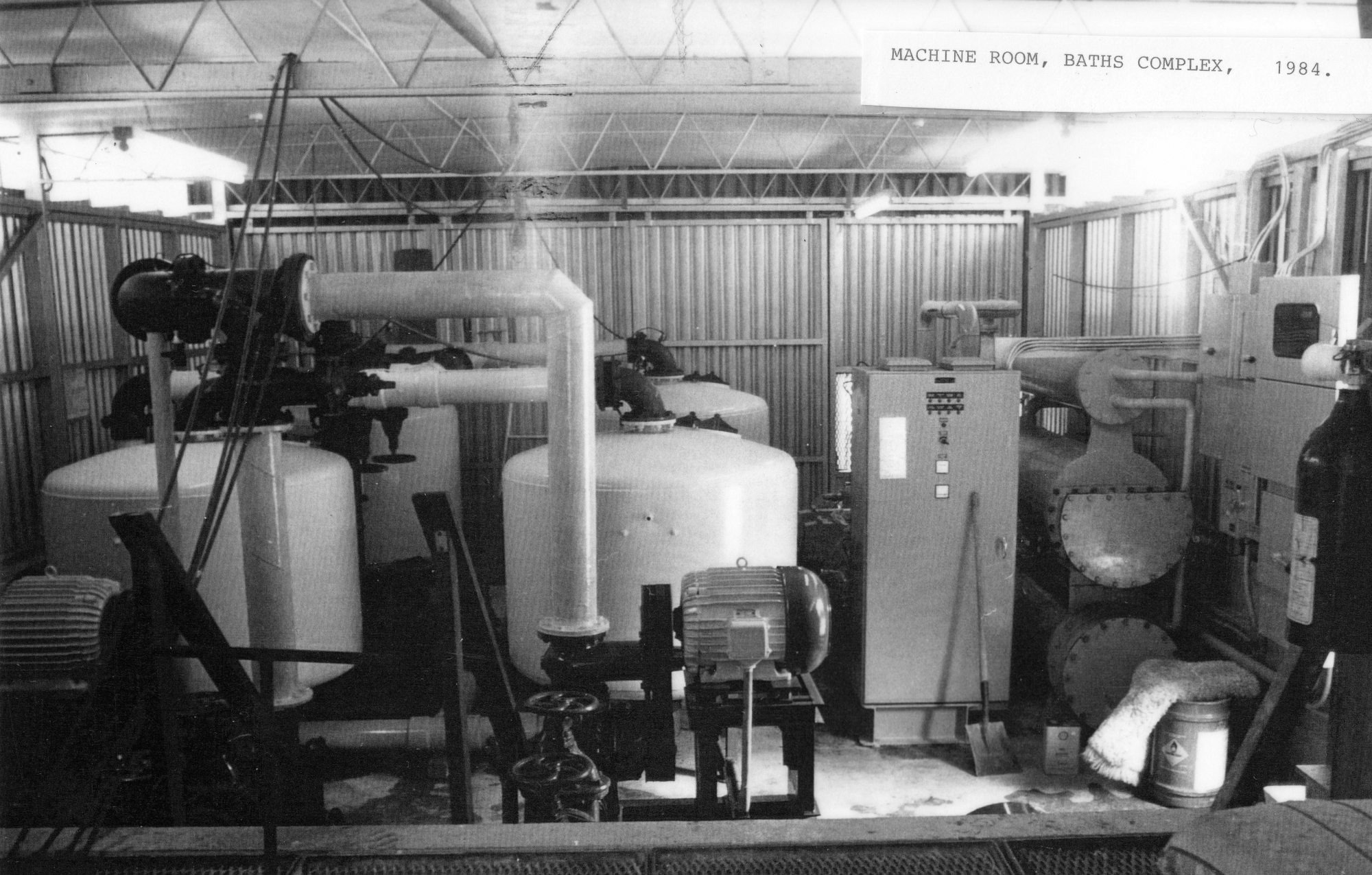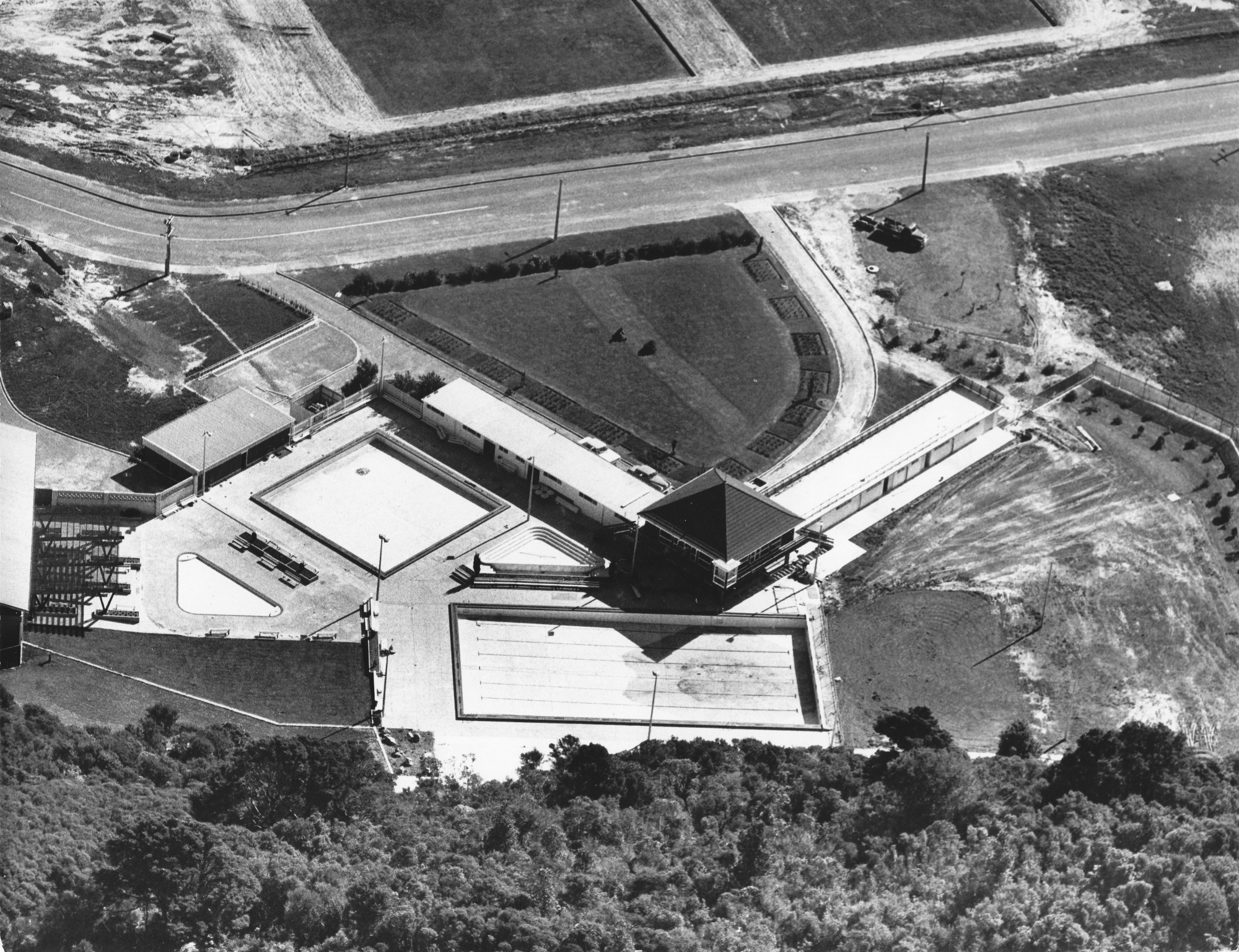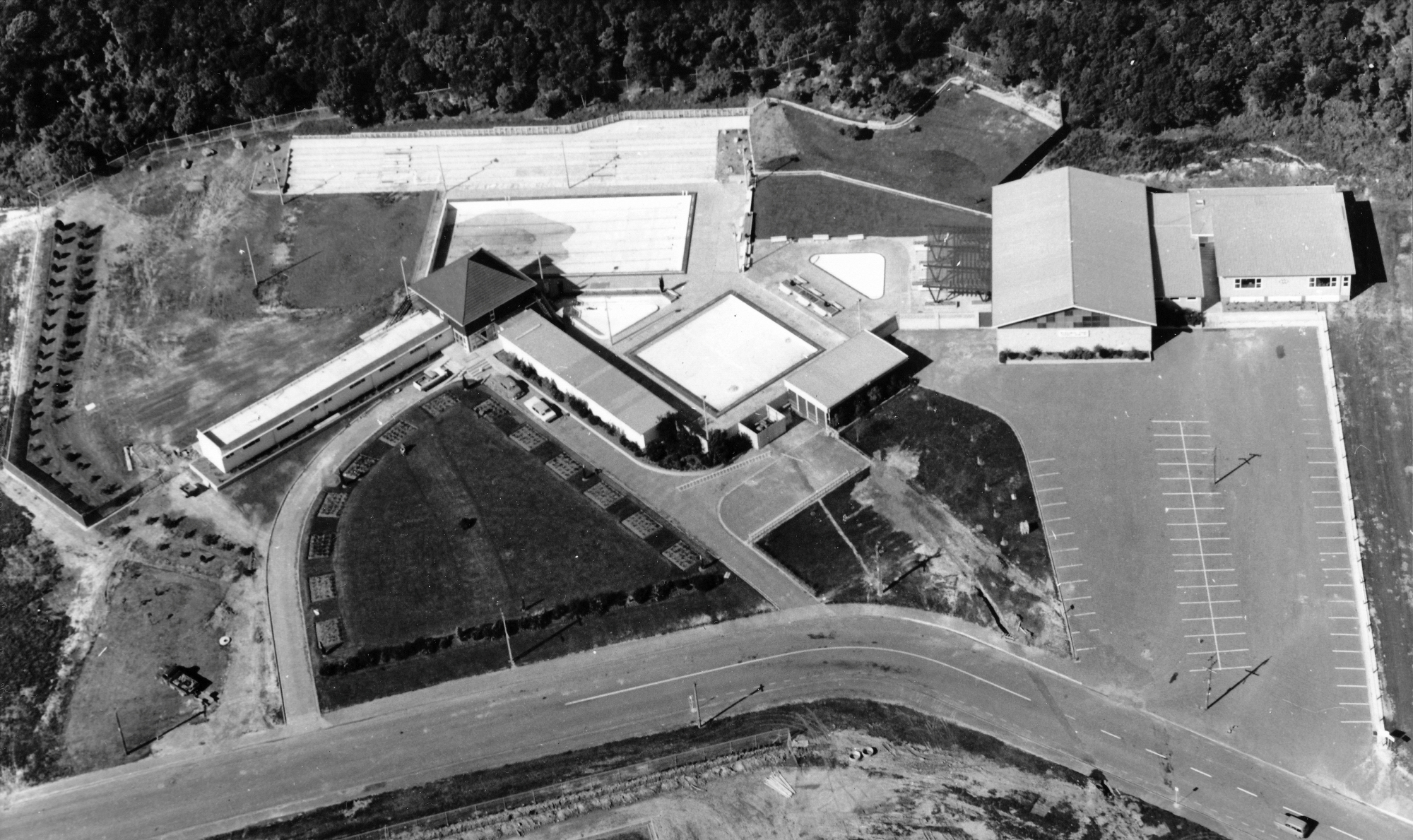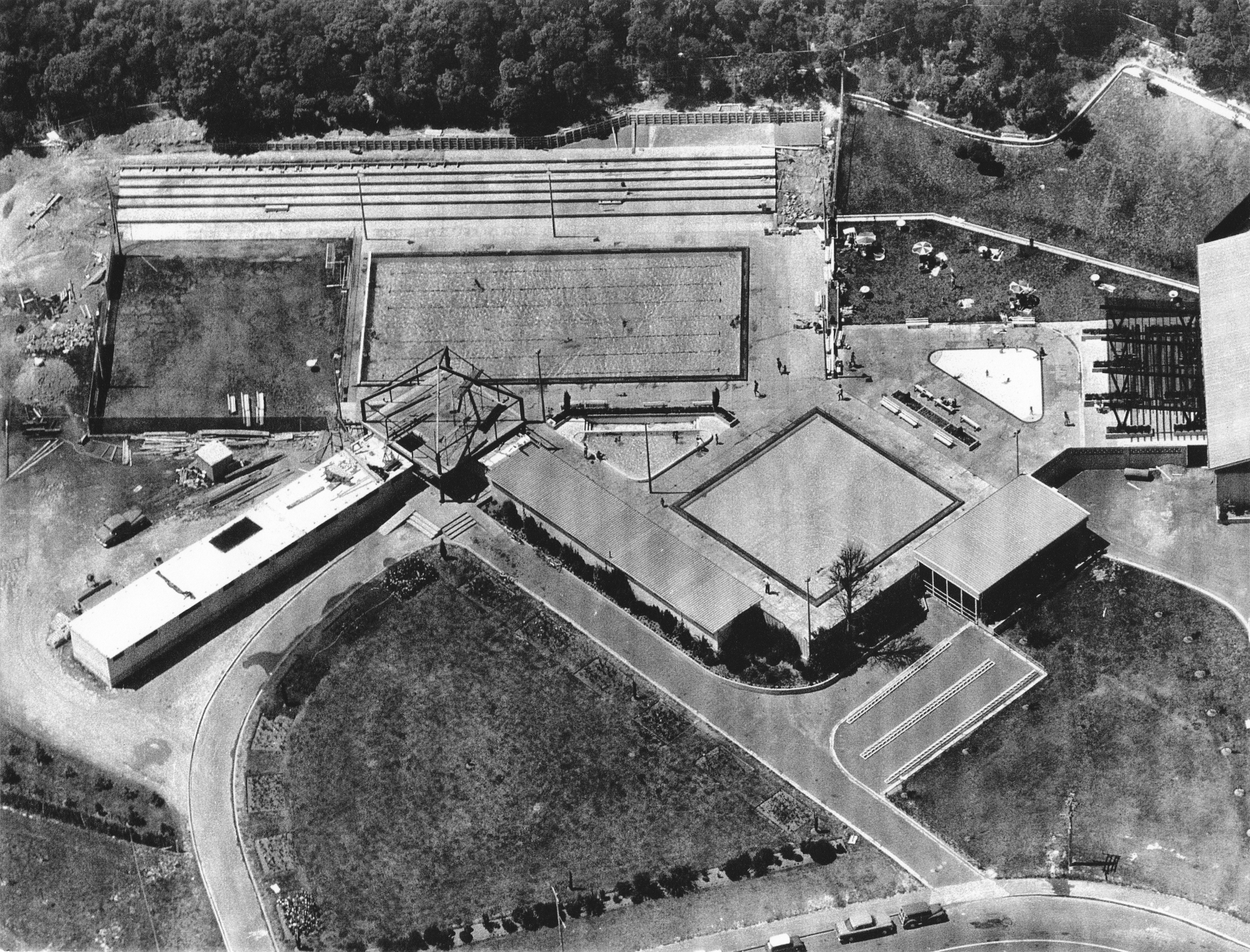
The Wainuiomata Baths, also known as the Wainuiomata Swimming Baths or the Wainuiomata Summer Pool, are one of the valley’s most enduring community facilities and have played a central role in local summer life for more than half a century.
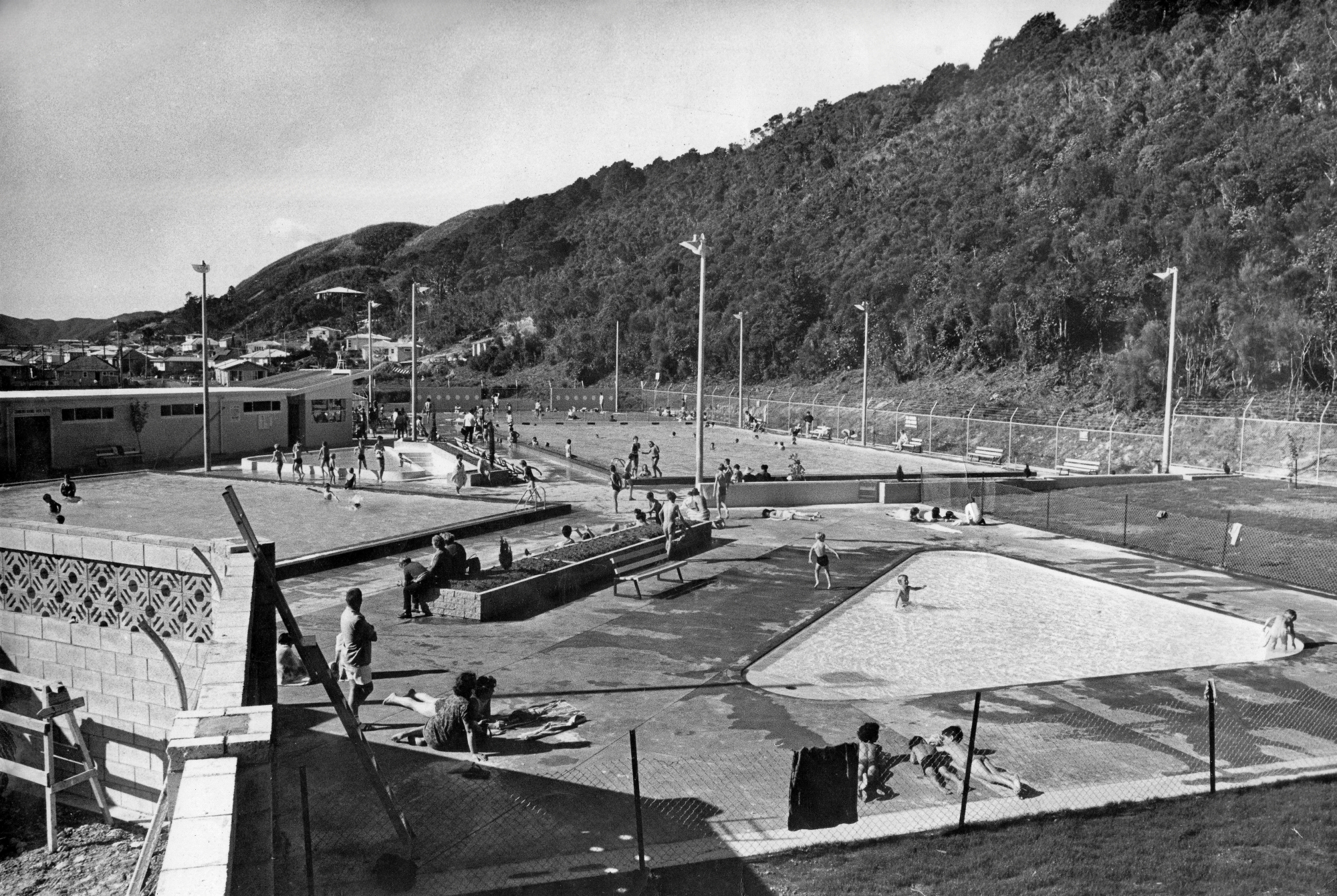
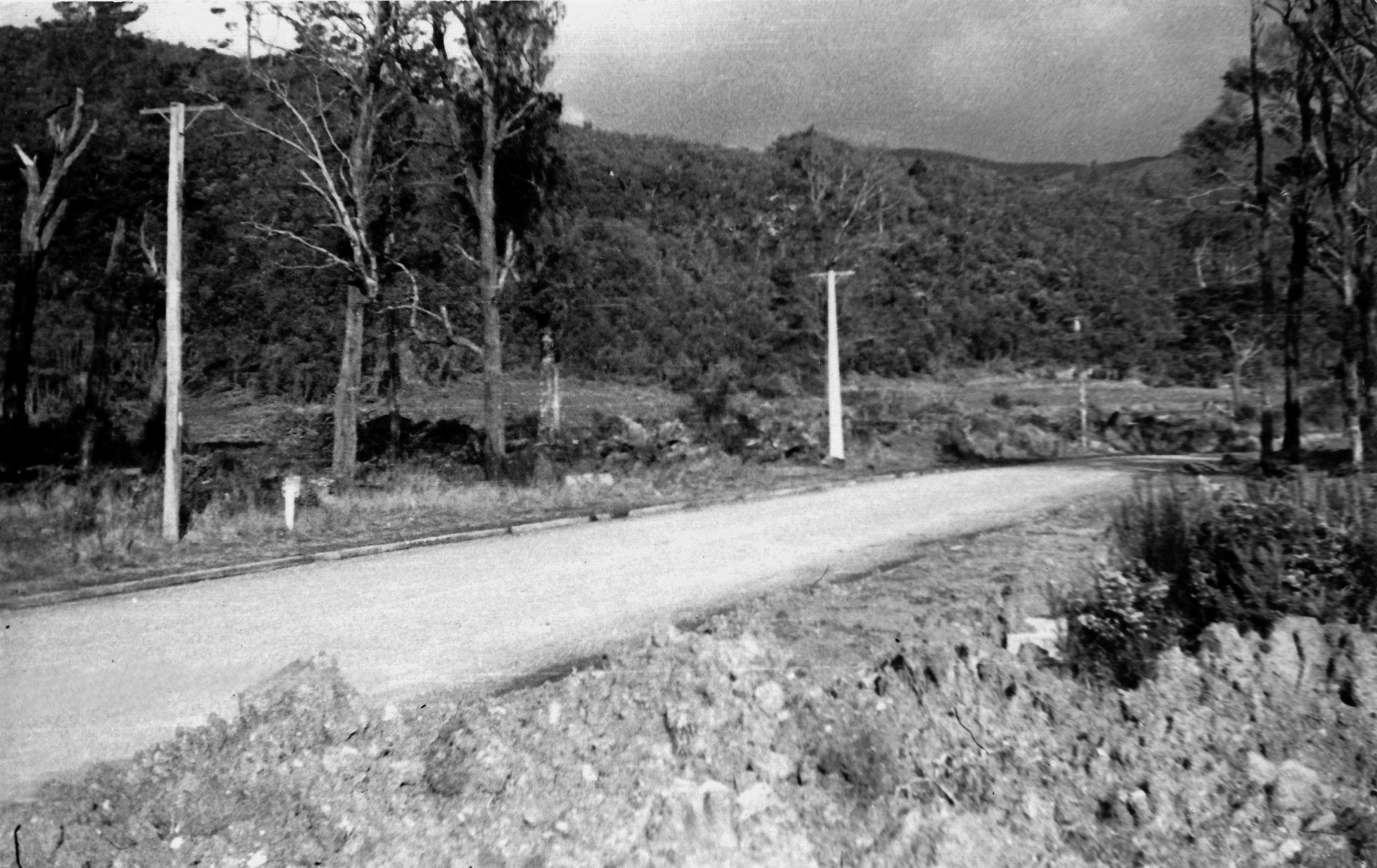
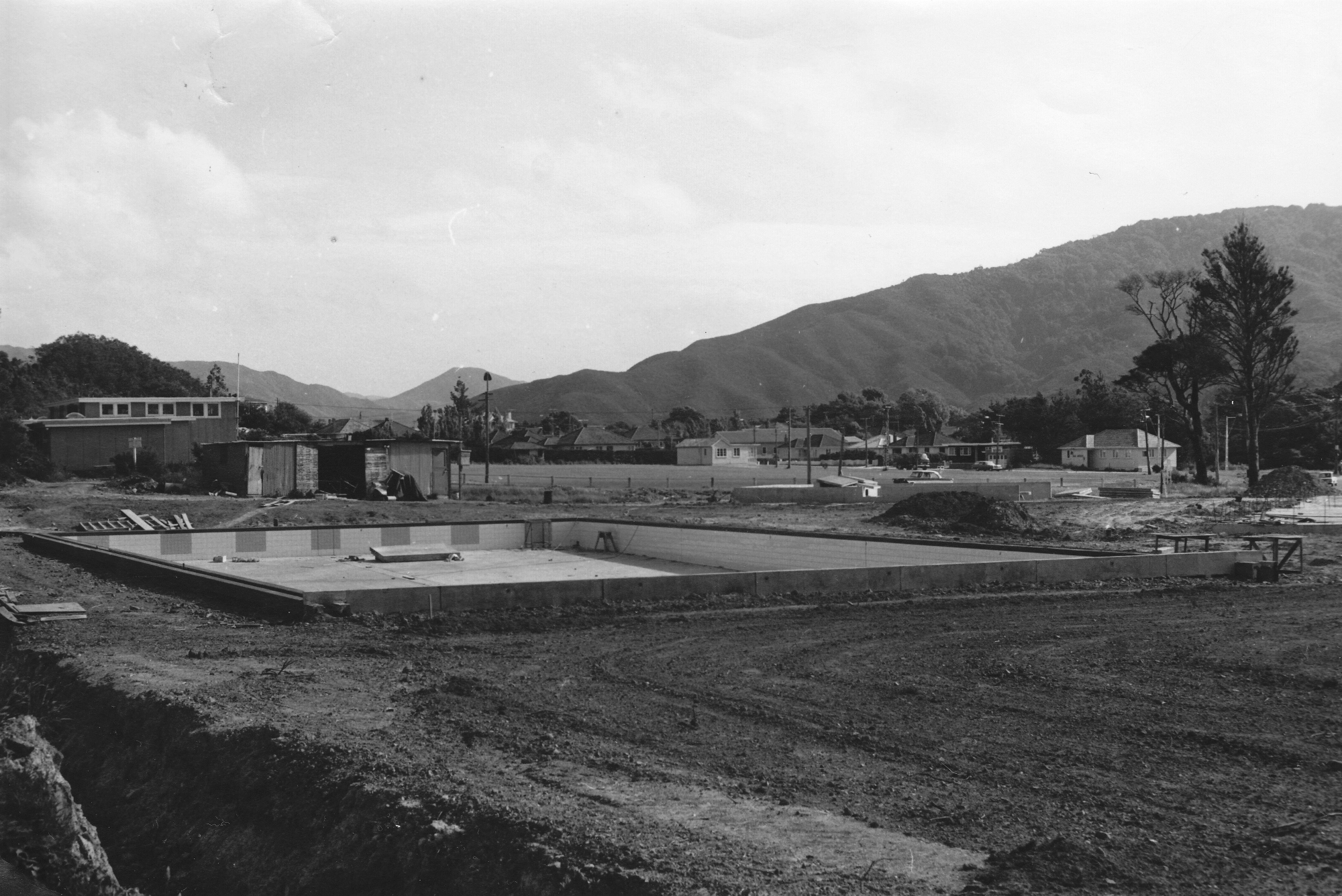
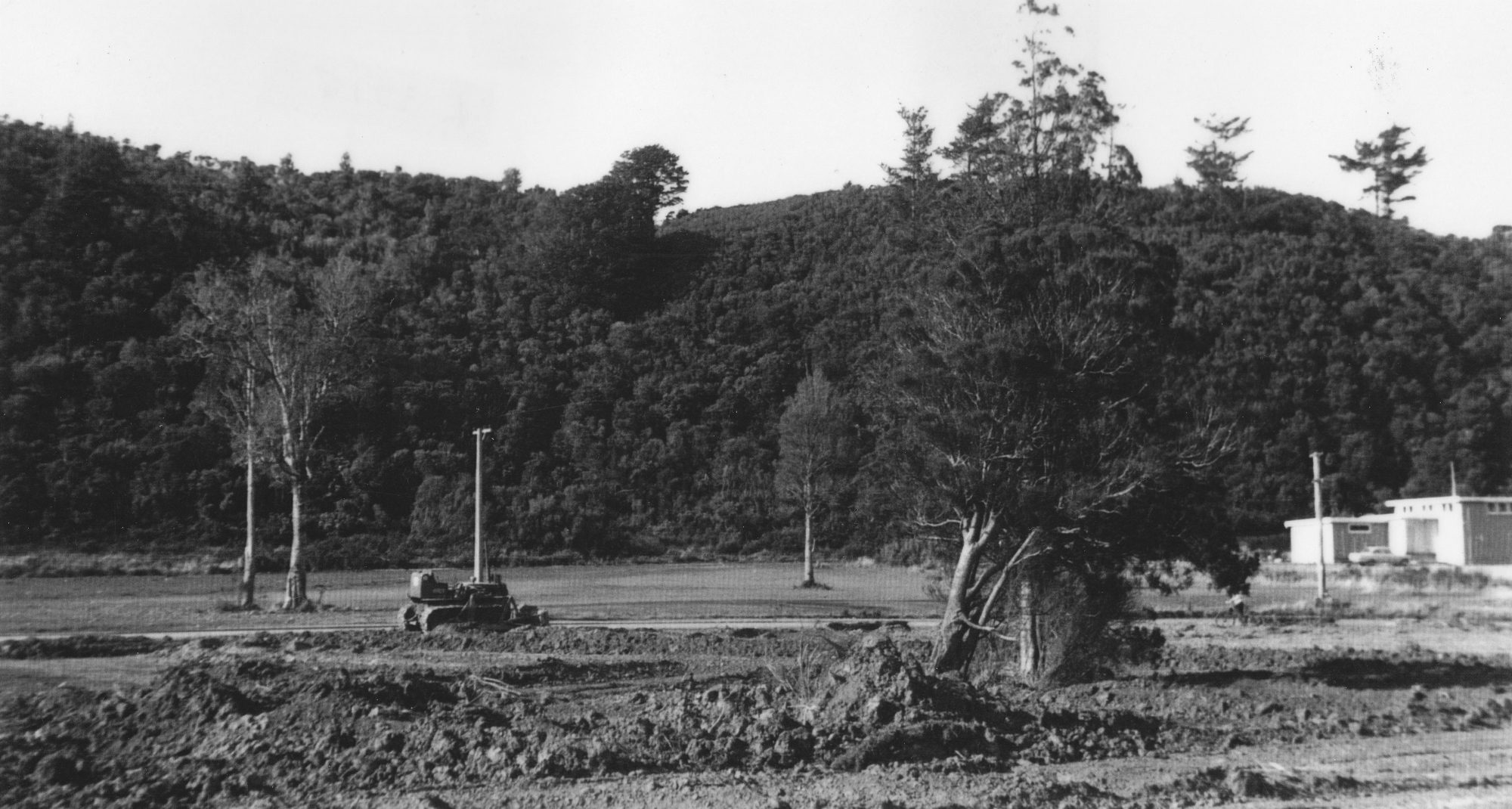
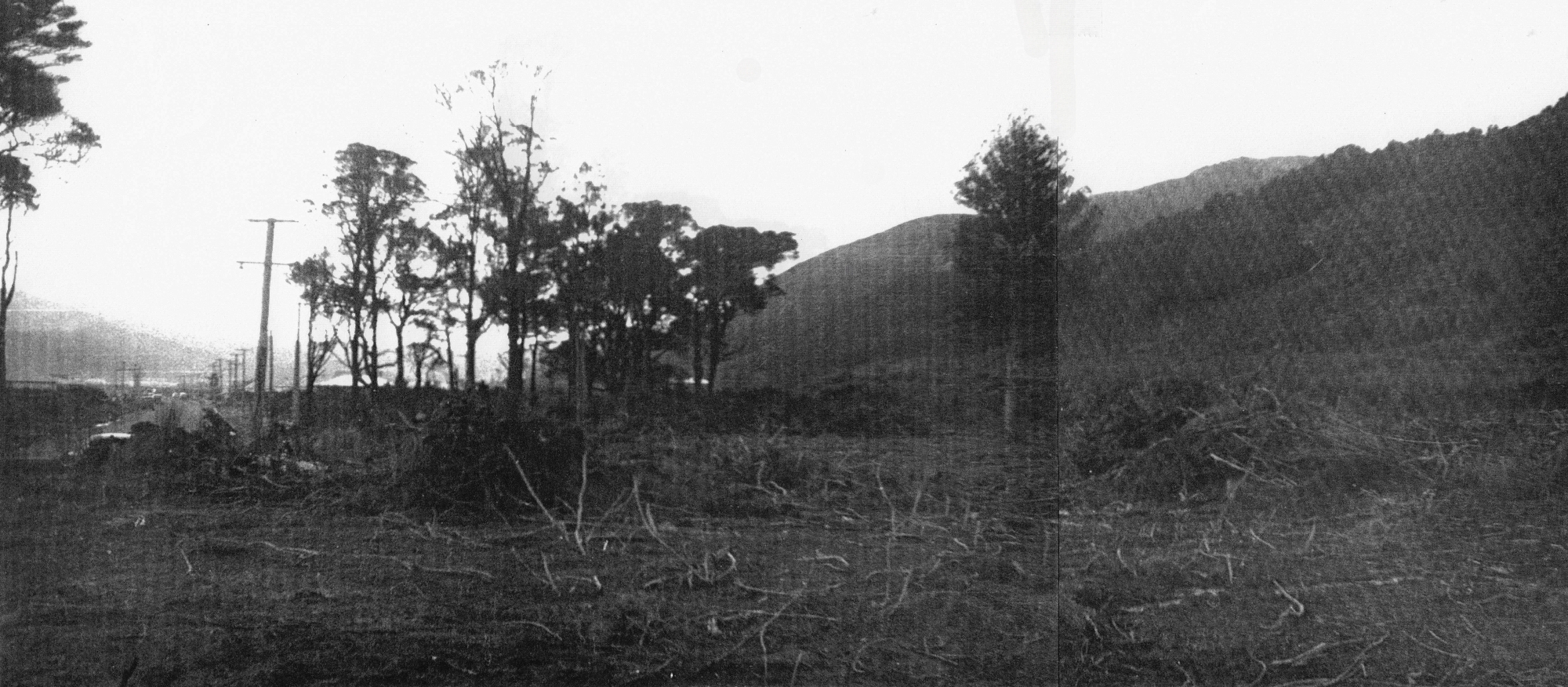
The baths officially opened on 25 November 1967 at a time when Wainuiomata was rapidly expanding from a semi rural settlement into a fully developed suburban valley. Their construction was driven largely by community demand and local fundraising efforts, including raffles, parades, and events organised by residents who wanted a dedicated swimming facility close to home rather than relying on pools in Lower Hutt or Wellington. From the outset, the baths were conceived as a family focused amenity rather than a purely competitive swimming venue.
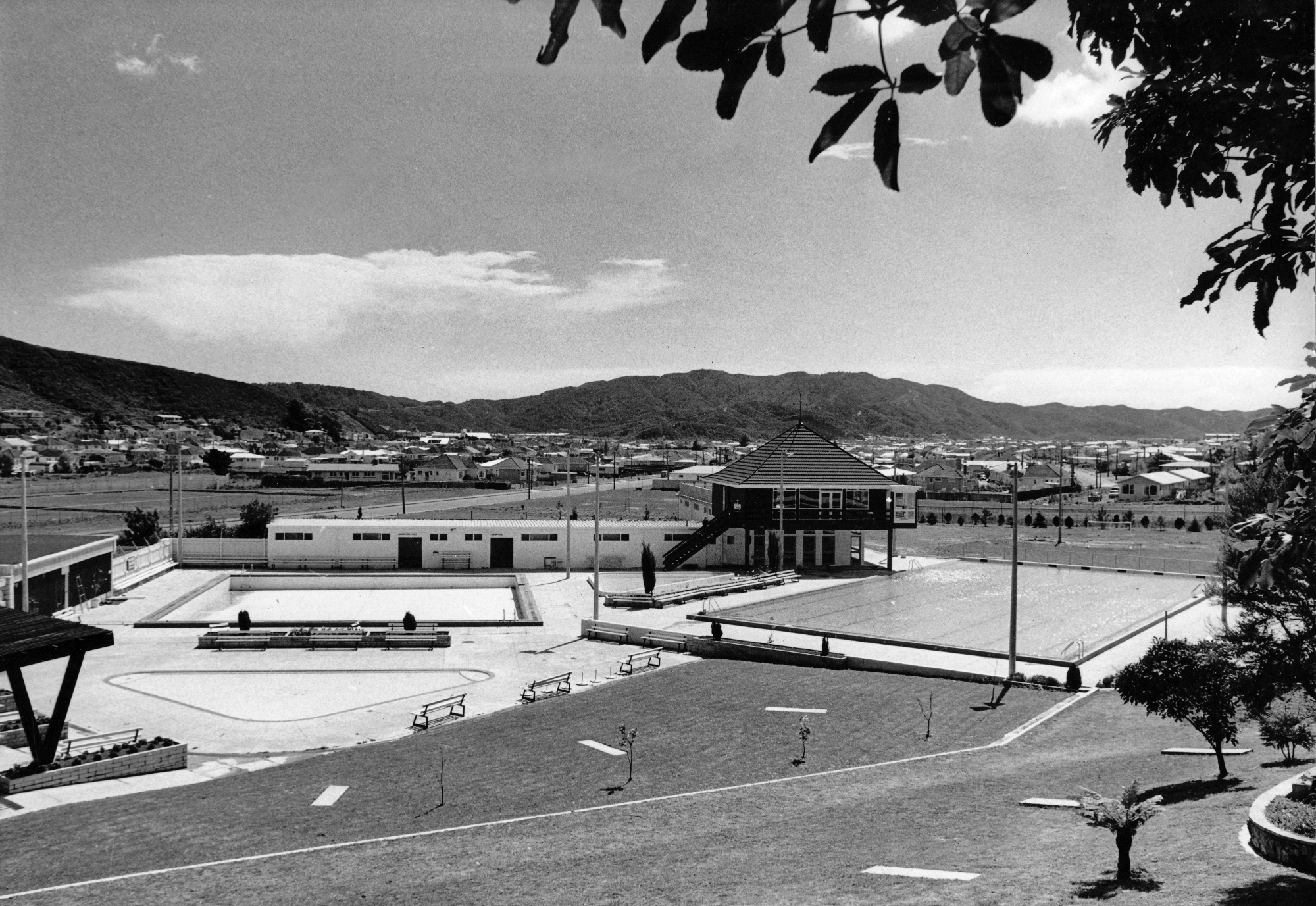
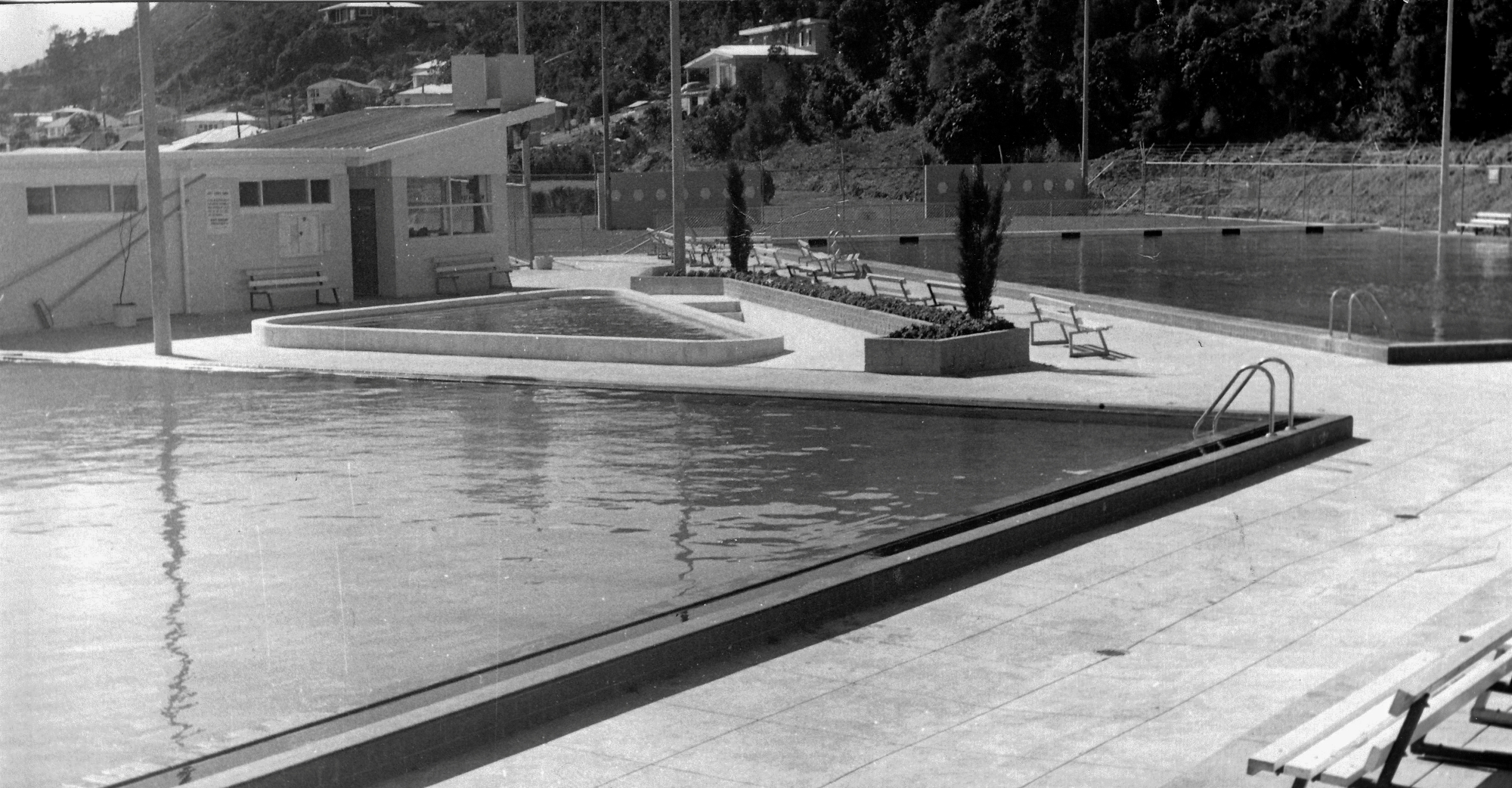
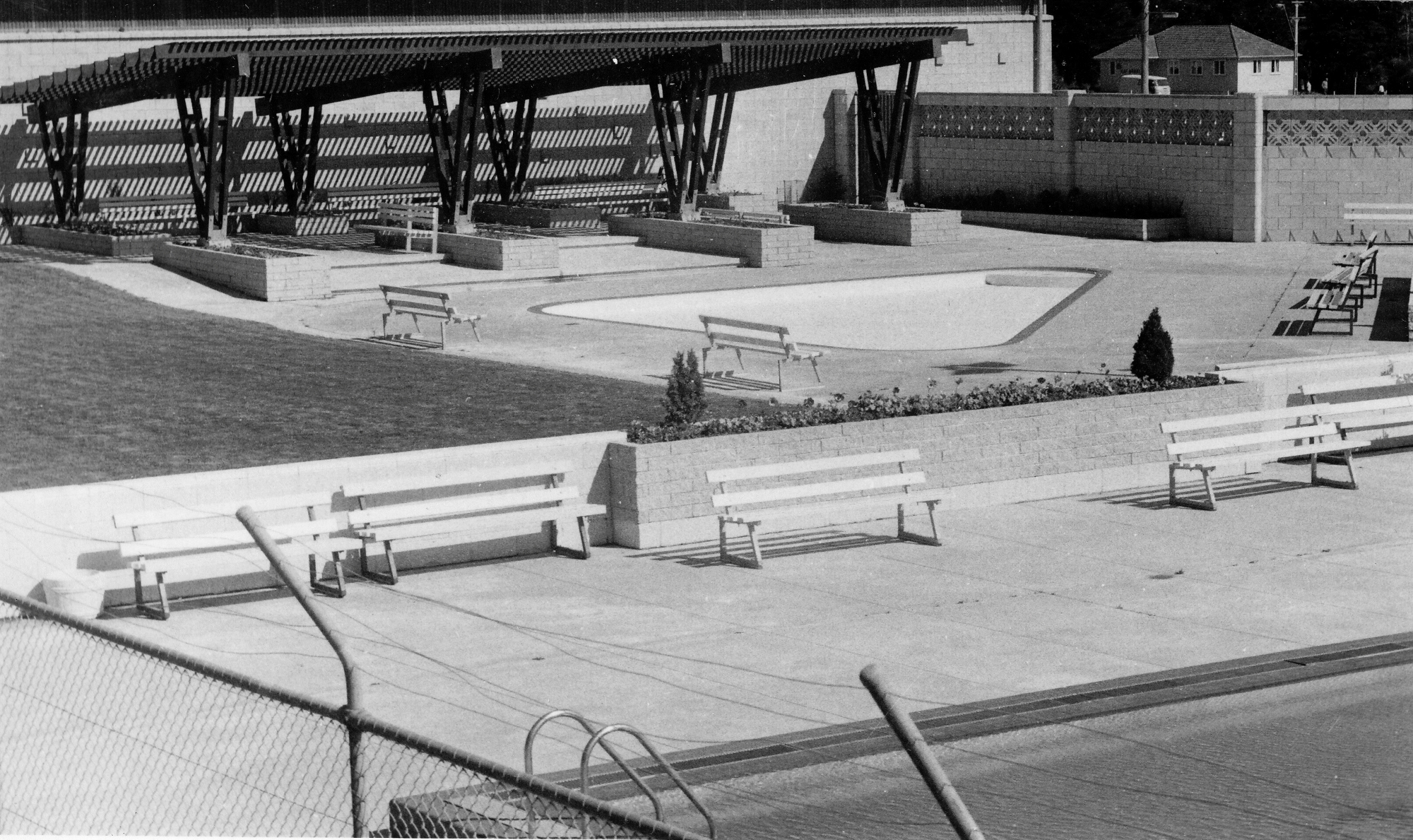
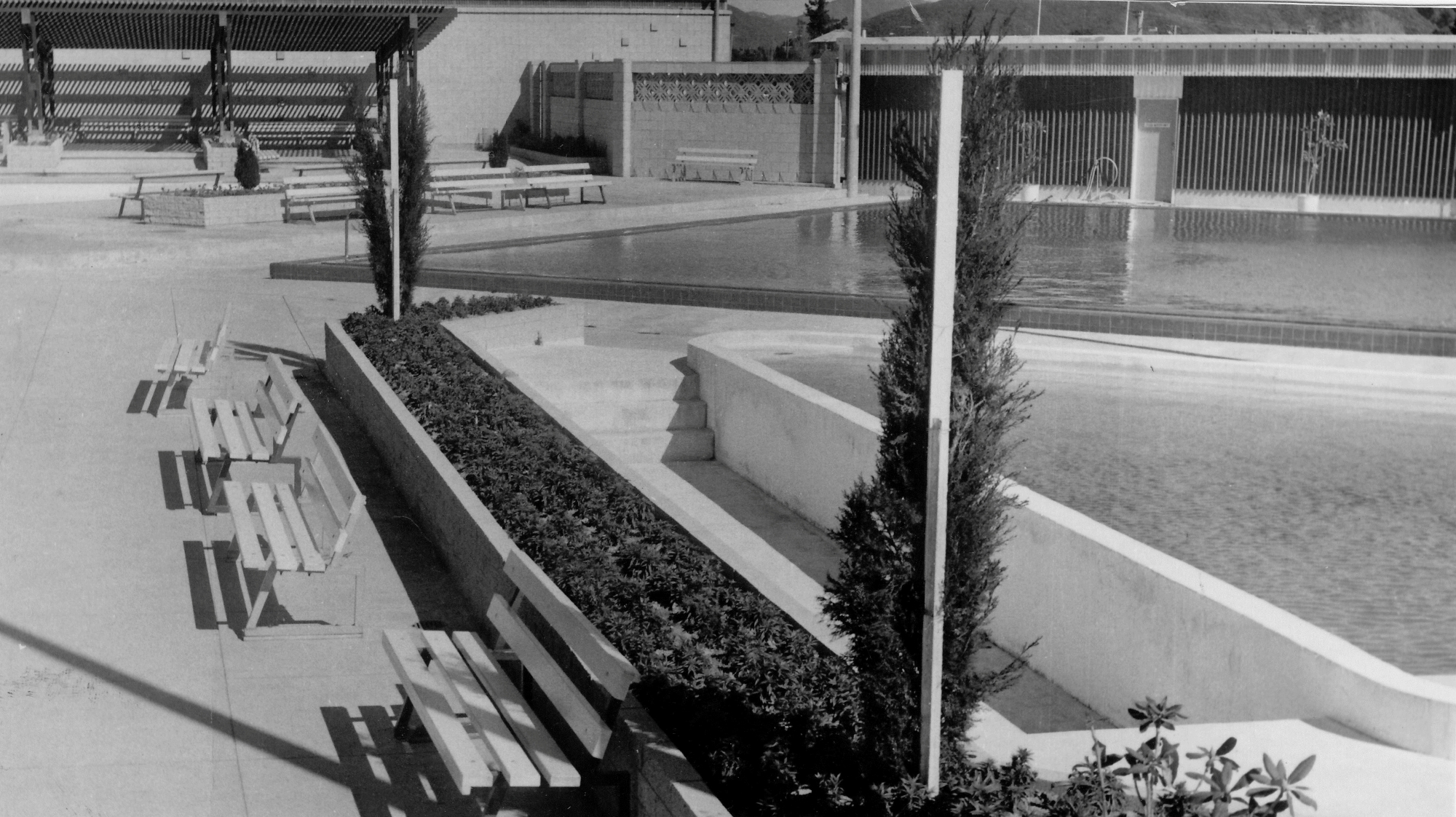
In their original form, the pools were more modest than what exists today, but they quickly became a focal point of summer activity. As Wainuiomata’s population continued to grow through the late 1960s and early 1970s, the baths were expanded, with the main pool extended to Olympic length. This upgrade reflected both the popularity of the facility and the increasing use of the pool for organised swimming, school programmes and community events.
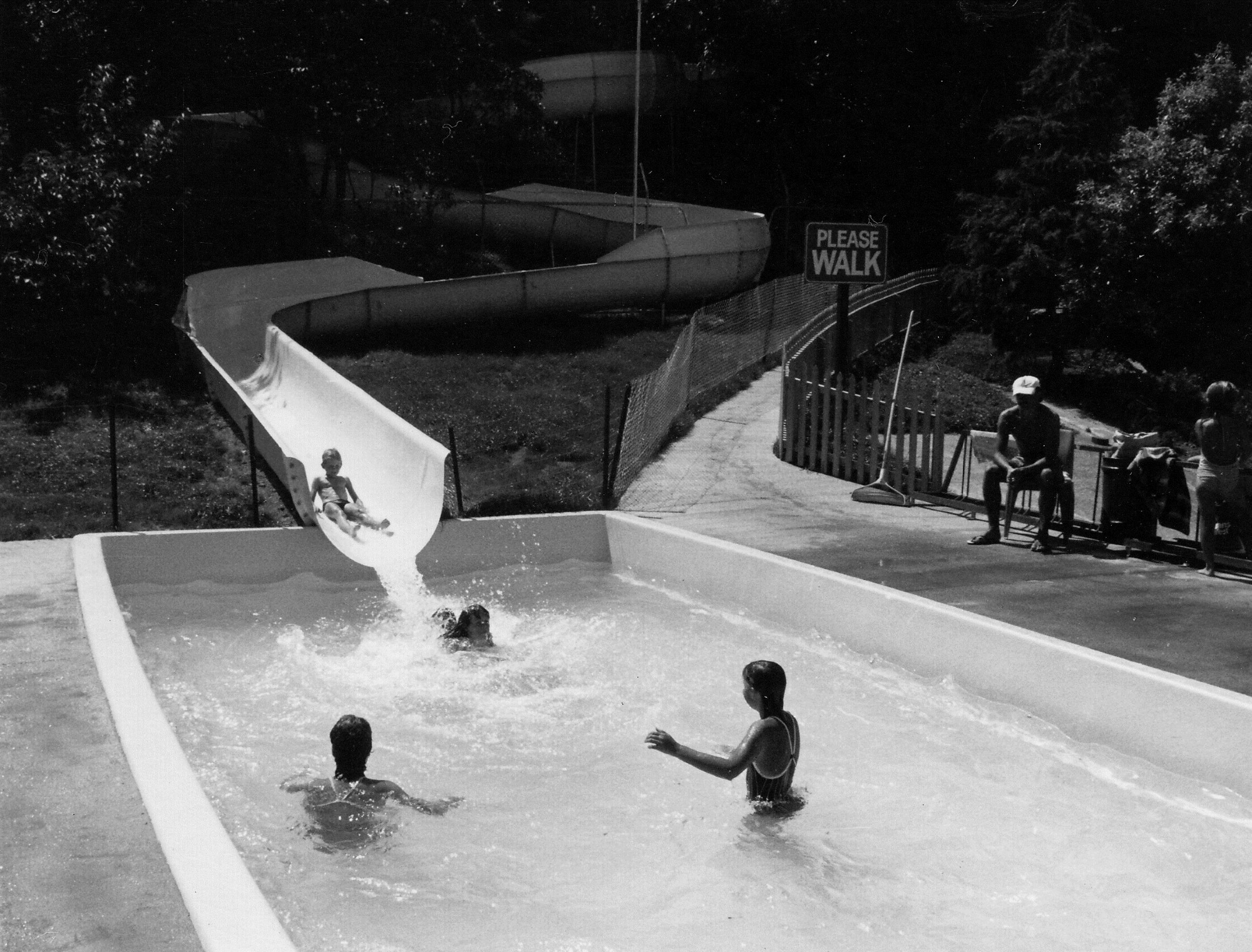
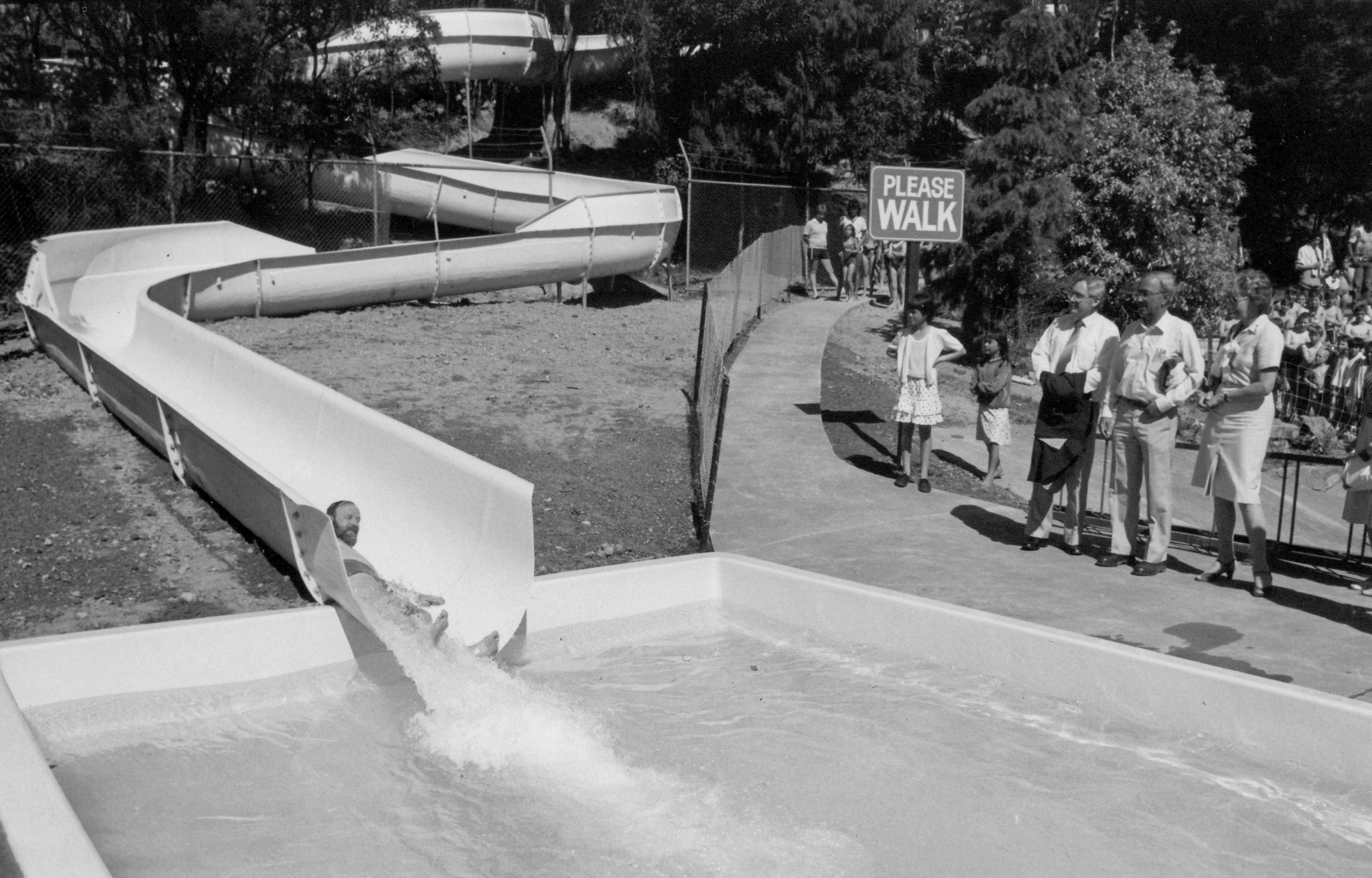
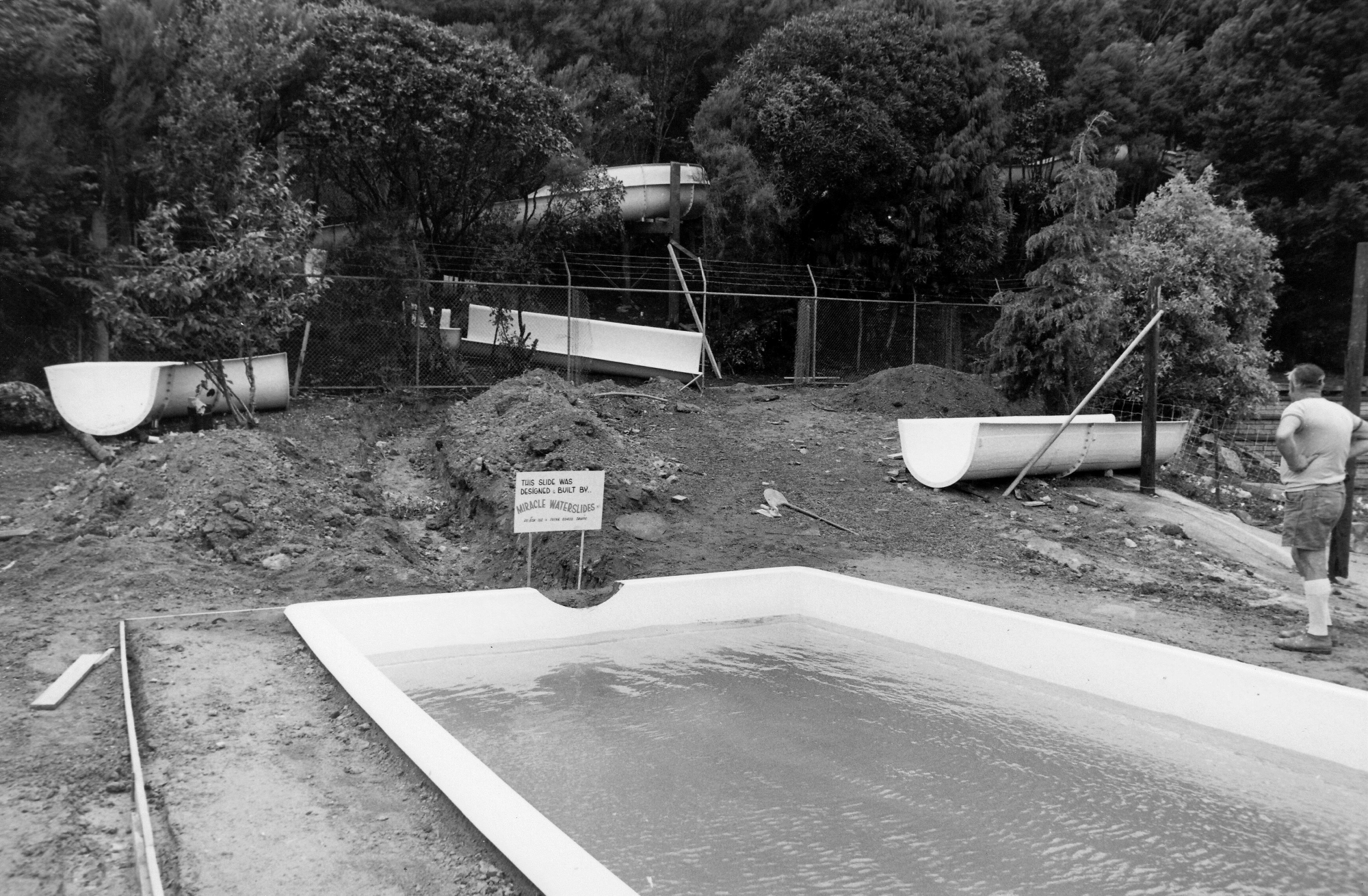
One of the most memorable additions came in 1984 with the installation of a large hydroslide, which cemented the baths’ reputation as a destination for children and teenagers during the summer months. For many locals, memories of long hot days at the baths, queueing for the slide, and spending entire afternoons at the pool are an integral part of growing up in Wainuiomata.
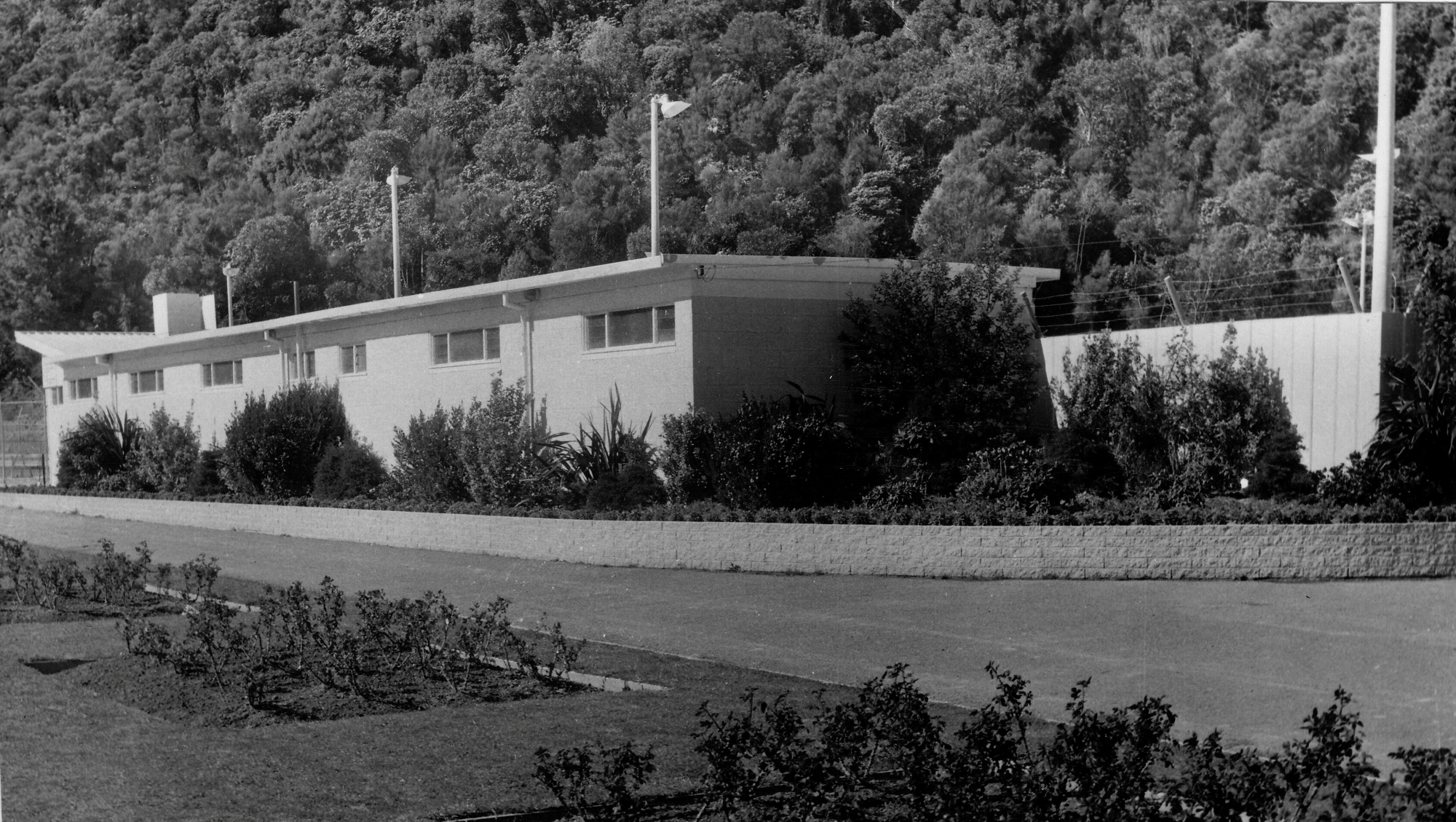
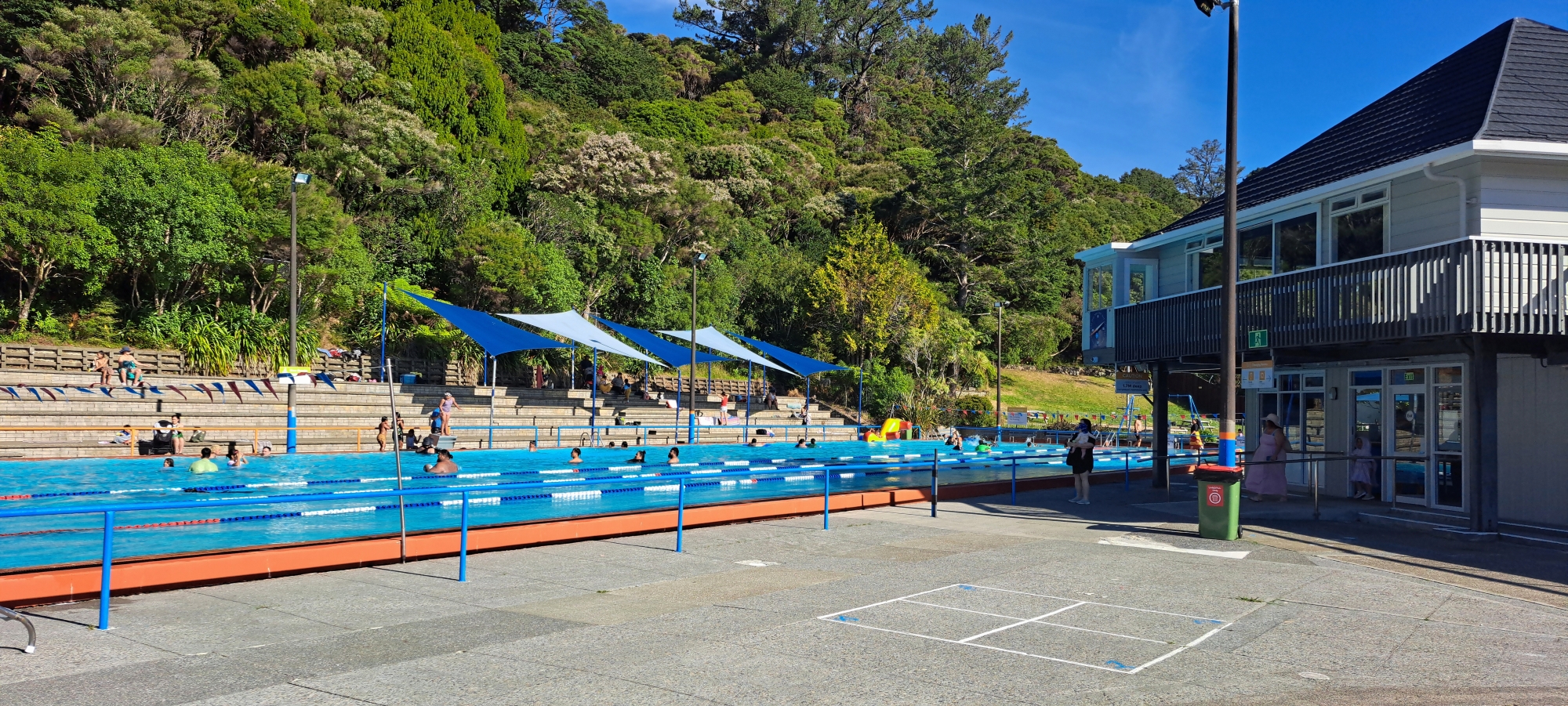
Today, the Wainuiomata Baths operate as a seasonal outdoor complex managed by Hutt City Council. The facility typically opens from mid November through to early autumn and includes a large outdoor main pool, smaller pools suitable for younger children, and areas designed for casual swimming, lane swimming and family use. While the core purpose of the baths remains recreation, they also continue to support swim education and structured activities during designated times.
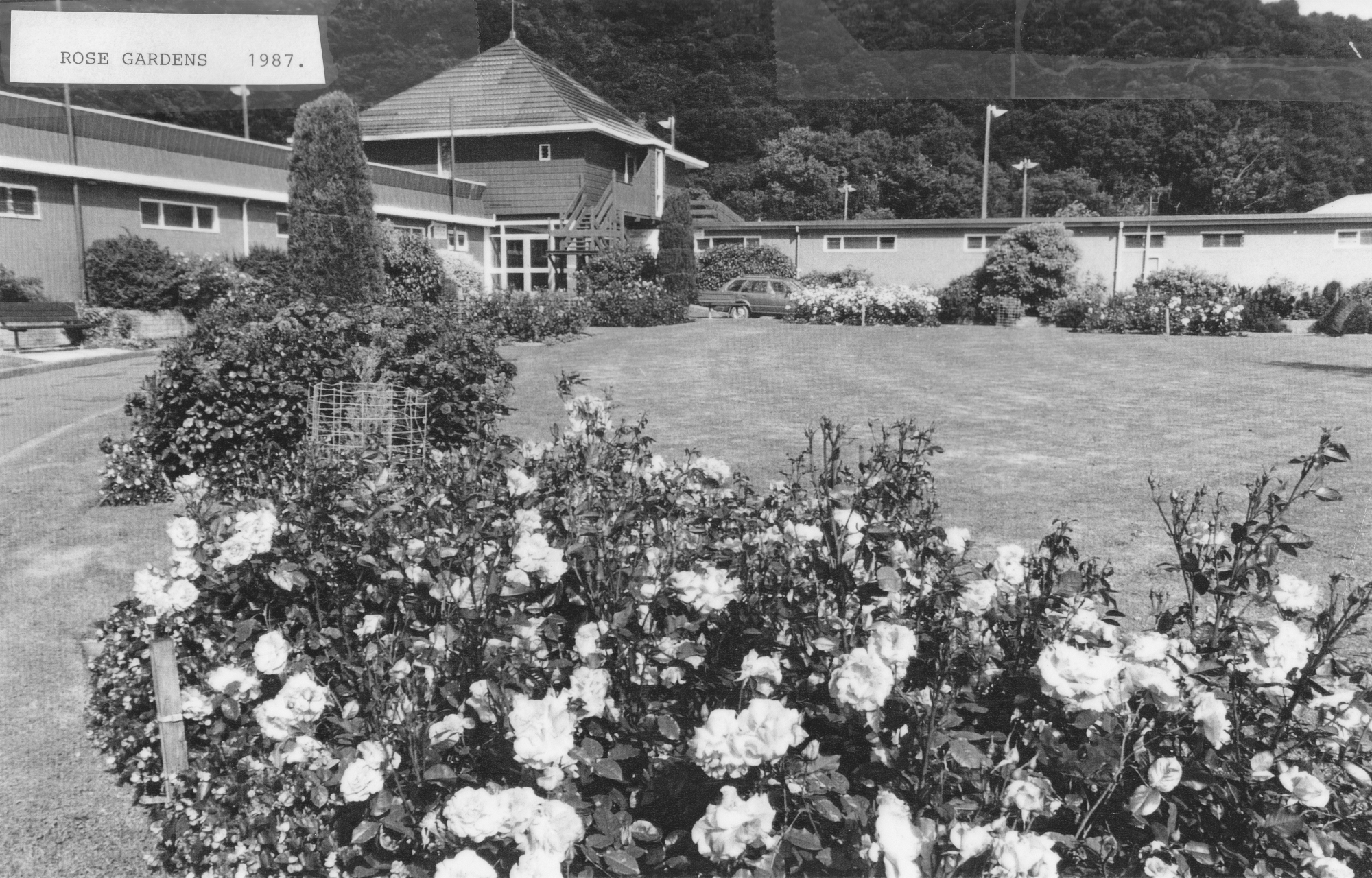
Beyond their physical features, the baths hold cultural significance as a shared social space. They reflect an era when major community infrastructure in Wainuiomata was shaped by local initiative and collective effort. Even as facilities elsewhere have modernised or moved indoors, the Wainuiomata Baths retain the character of a traditional summer pool, closely tied to the rhythms of the season and the life of the valley.