The Greater Wellington Regional Council is moving ahead with plans to fence off thousands of hectares of native forest east of Wainuiomata to protect it from deer, goats, and pigs.
The 7,400-hectare area, preserved for more than a century due to its role in protecting Wellington’s water supply, remains one of the largest intact lowland forests in the region. Although home to ancient rātā and rimu, the understorey has been heavily depleted as introduced animals have consumed seedlings and shrubs.
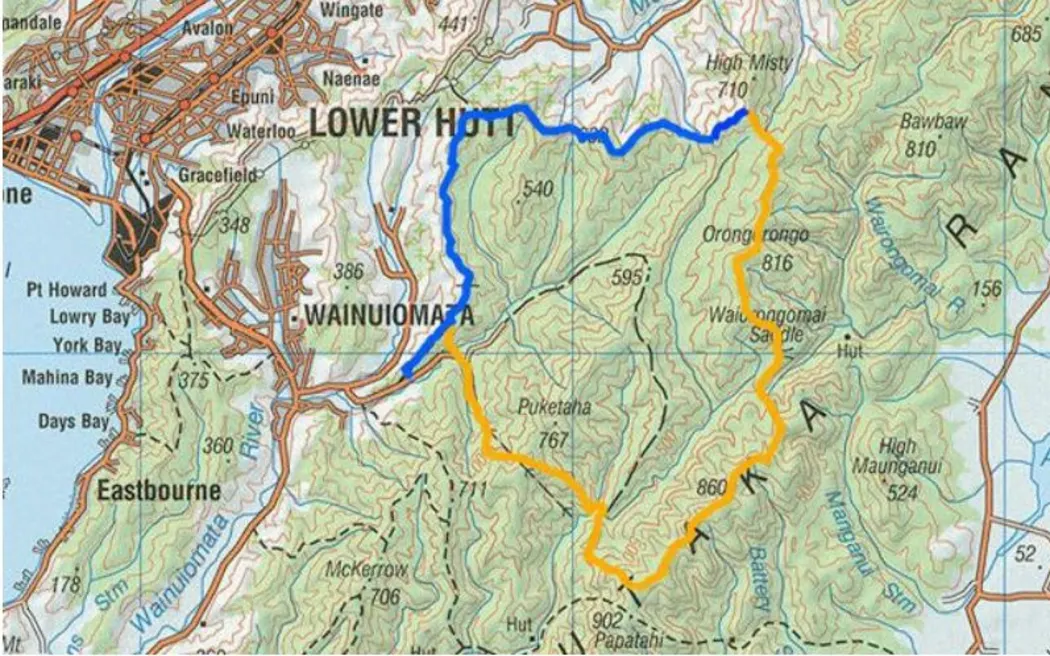
Photo: Supplied/GWRC
To address the problem, a steel mesh predator fence will be built around the forest’s perimeter. The project will also expand trapping efforts and increase the use of monitoring cameras to track pest activity and ecological recovery.
During the construction phase, hunters will be brought in to eradicate pest animals inside the fenced area. The aim is to restore the forest’s undergrowth within about five years, creating stronger biodiversity and greater resilience against storms and climate change.
The initiative, costing $5.9 million over a ten-year period, will be completed by 2034. The forest, which has also been considered for a future bird sanctuary known as Puketaha, remains closed to the public because of its status as a drinking water supply catchment.