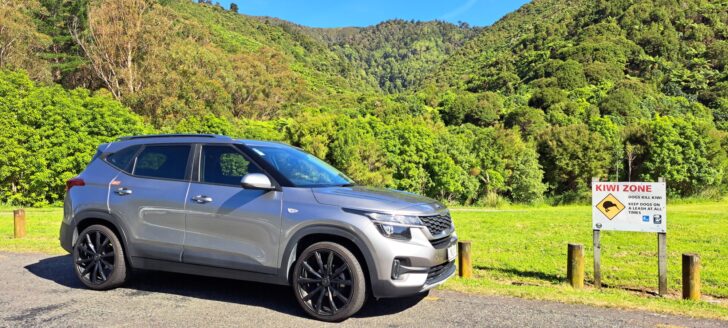
The regional council is undertaking a long term project, spanning more than a decade, to construct an extensive perimeter fence designed to protect a large expanse of native bush from pests.
The forest is already known as a home for North Island brown kiwi, with numbers increasing. Workers have also recently uncovered rare species such as Dactylanthus and short tailed bats, showing that even after more than a century of human activity, new discoveries are still being made.
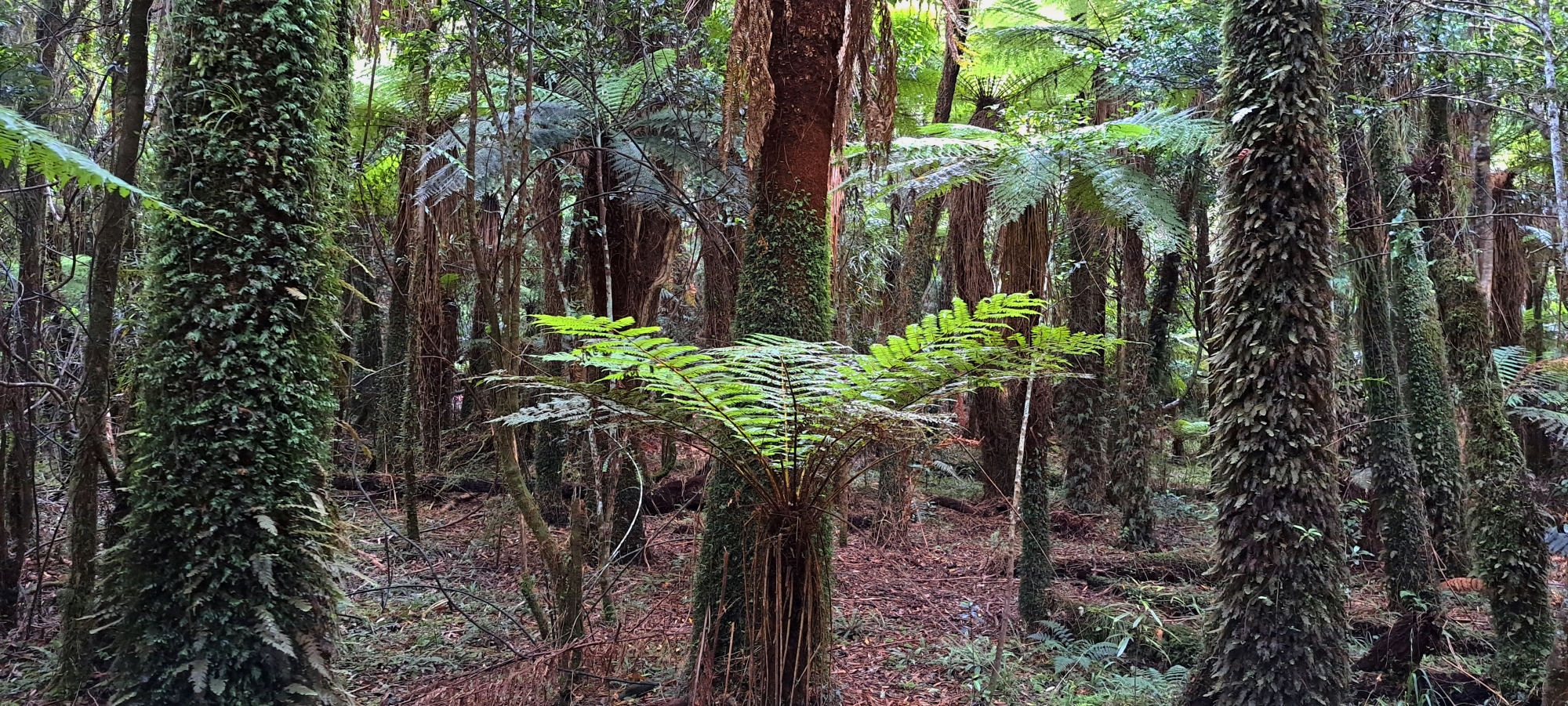
However, much of the forest floor has been heavily damaged. Under towering rātā trees that are hundreds of years old, most of the natural undergrowth has been eaten away, leaving only plants that animals avoid. Pigs, goats and deer have stripped the bush so badly that young trees struggle to grow and replace older ones as they die.
To deal with this, the regional council is planning a large fence around the valley to block larger pests. The project will cost about $5.9 million, take 10 years, and protect roughly 7400 hectares of native forest.
The fence will not keep out predators like stoats or cats, but it is designed to stop the animals that cause the greatest physical damage to vegetation. A full predator proof fence would be much more expensive and would need central government funding.
The fencing project is expected to be completed by 2034.
An older conservation effort included a plan to create a Zealandia style sanctuary called Puketaha. A 2022 study commissioned by the Wellington Regional Council and led by Zealandia founder Jim Lynch confirmed that this was technically and practically possible. However, that plan was later put on hold after a major review of long term water supply needs beyond the next decade. One of the options in that review involves bringing Morton Dam back into use to support a growing population in the Wellington region.
Because the future of the dam is still uncertain, and lack of funding from the government for the sanctuary, this latest plan for a large pest proof fence is now being built as a compromise, allowing significant protection of the forest while keeping options open for future water supply decisions.