Recent aerial pest control in the Wainuiomata and Orongorongo Water Collection Area was so effective it briefly reduced possum numbers to zero, the lowest level recorded there in 20 years.
Greater Wellington carries out these operations about every five years to protect both water quality and forest health. Monitoring using wax tags showed a 0 percent possum detection rate, beating the previous record of 0.1 percent set after an operation in 2005.
The operation was carefully planned and carried out by the council’s Pest Animals team. While numbers will eventually recover through reinvasion, repeated control gives native forest and birdlife time to recover. Water testing also confirmed there was no trace of 1080 in local waterways.
New trail cameras installed as part of the zero ungulate programme provided more detailed data than in past operations and showed that stoats and feral cats were also reduced.
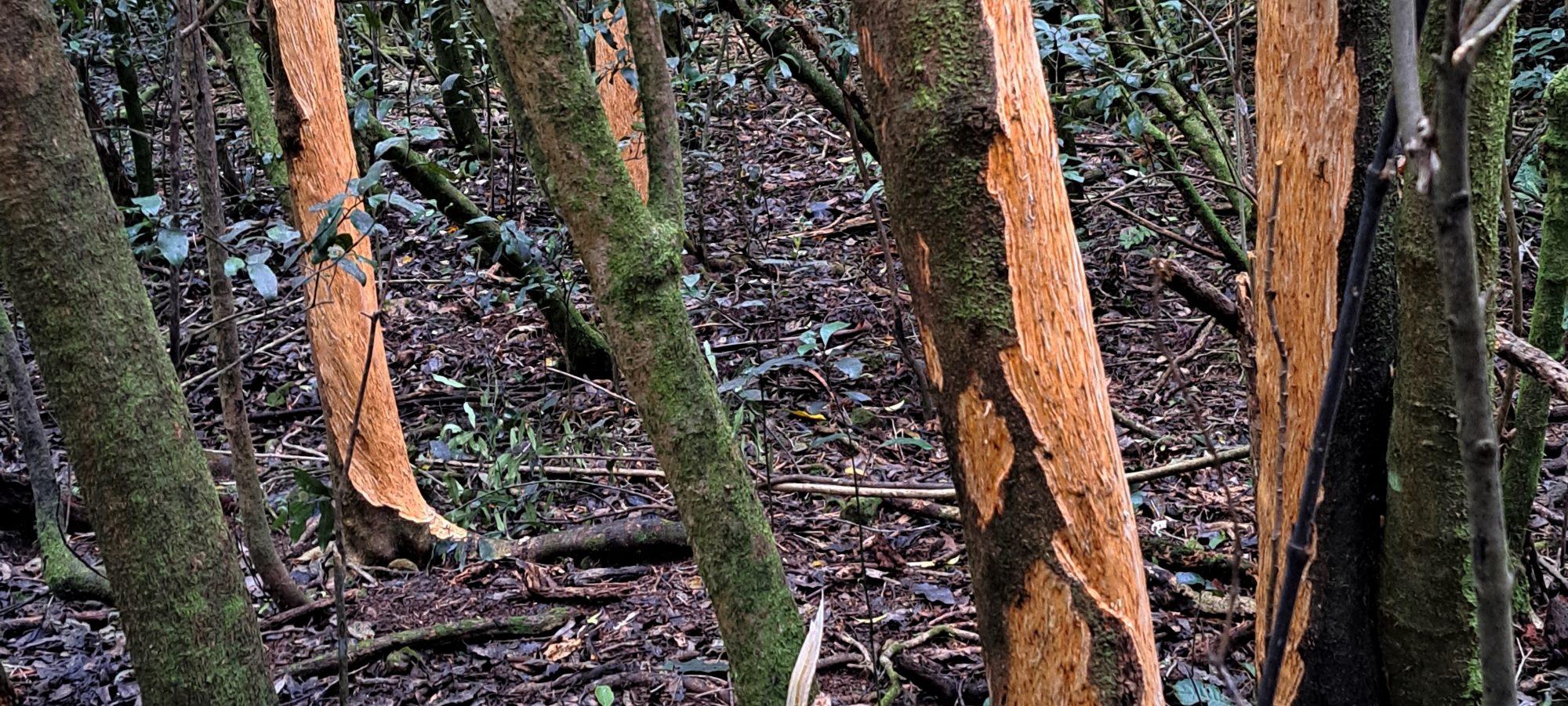
While predators are regularly controlled, growing numbers of deer, goats and pigs are causing serious damage by stripping ground cover and understory. The zero ungulate programme aims to remove these animals, increase control efforts and extend fencing to prevent reinvasion.
The area is home to ancient northern rātā and rimu trees that escaped logging, making it one of the lower North Island’s most valuable forests. Protecting it is a long-term responsibility.