From early development and local industry to the homes, workshops and riverbank reserve of today
History
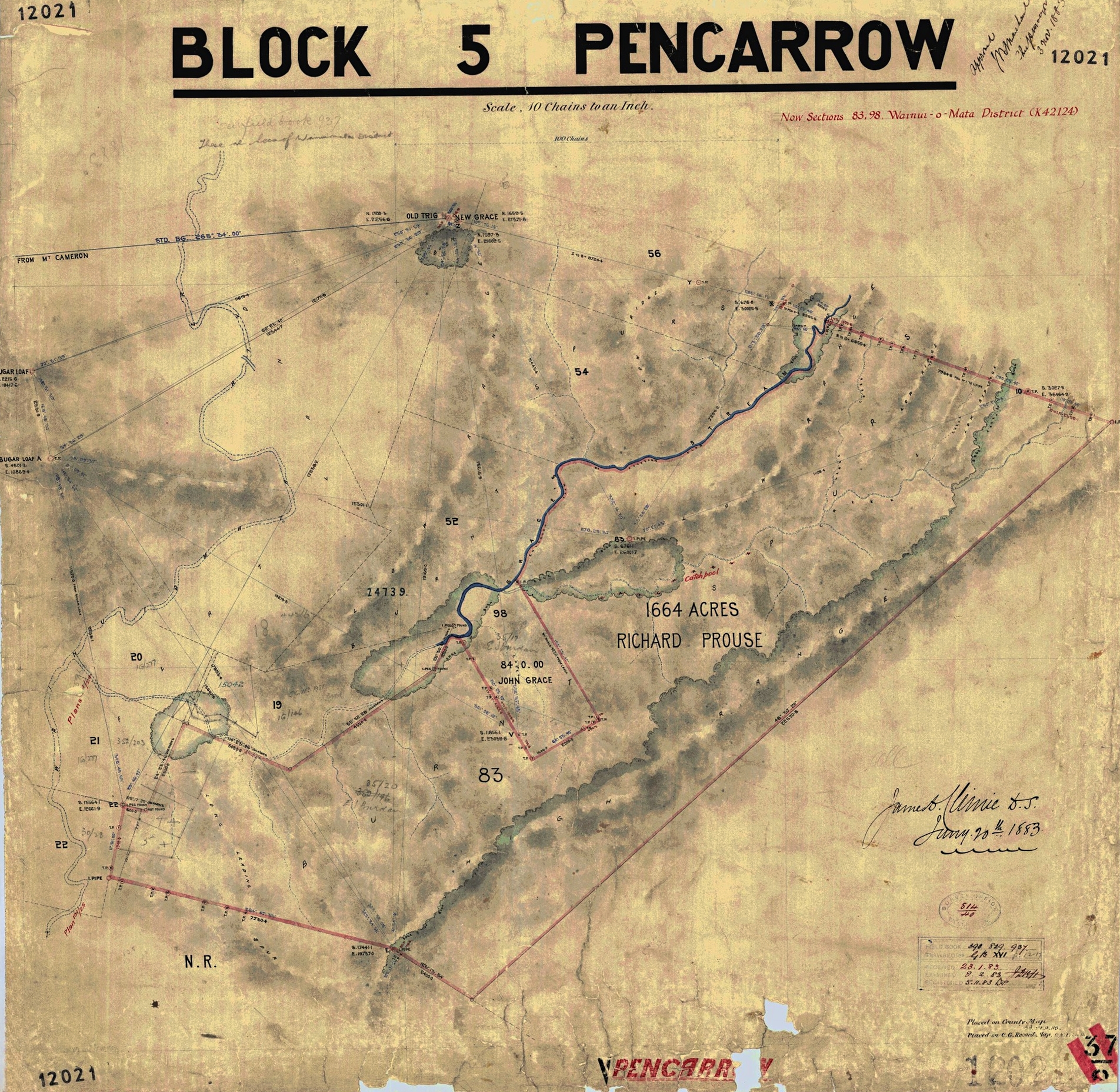
Burden Avenue is one of the older streets in southern Wainuiomata. It dates from around 1942 and was named after Henry Edward Burden, a bondholder, chairman and director of the Wainuiomata Development Company. On the company’s original plans, it was called Burden Street.
Despite the similarity in spelling, the street was not named after the Burdan family, who farmed along Coast Road.
Historical photographs show Burden Avenue being formed during the mid-1940s, around 1946 or 1947. Before the surrounding area was fully developed, much of the land was still rural.
In 1946, local property owner Tom Faulke reportedly allowed a rubbish pit to be dug on his Burden Avenue property. Jack Dryden and other Scouts collected household rubbish by horse and cart, charging sixpence a tin. The money helped finance Dryden’s trip to the 1947 World Scout Jamboree in France.
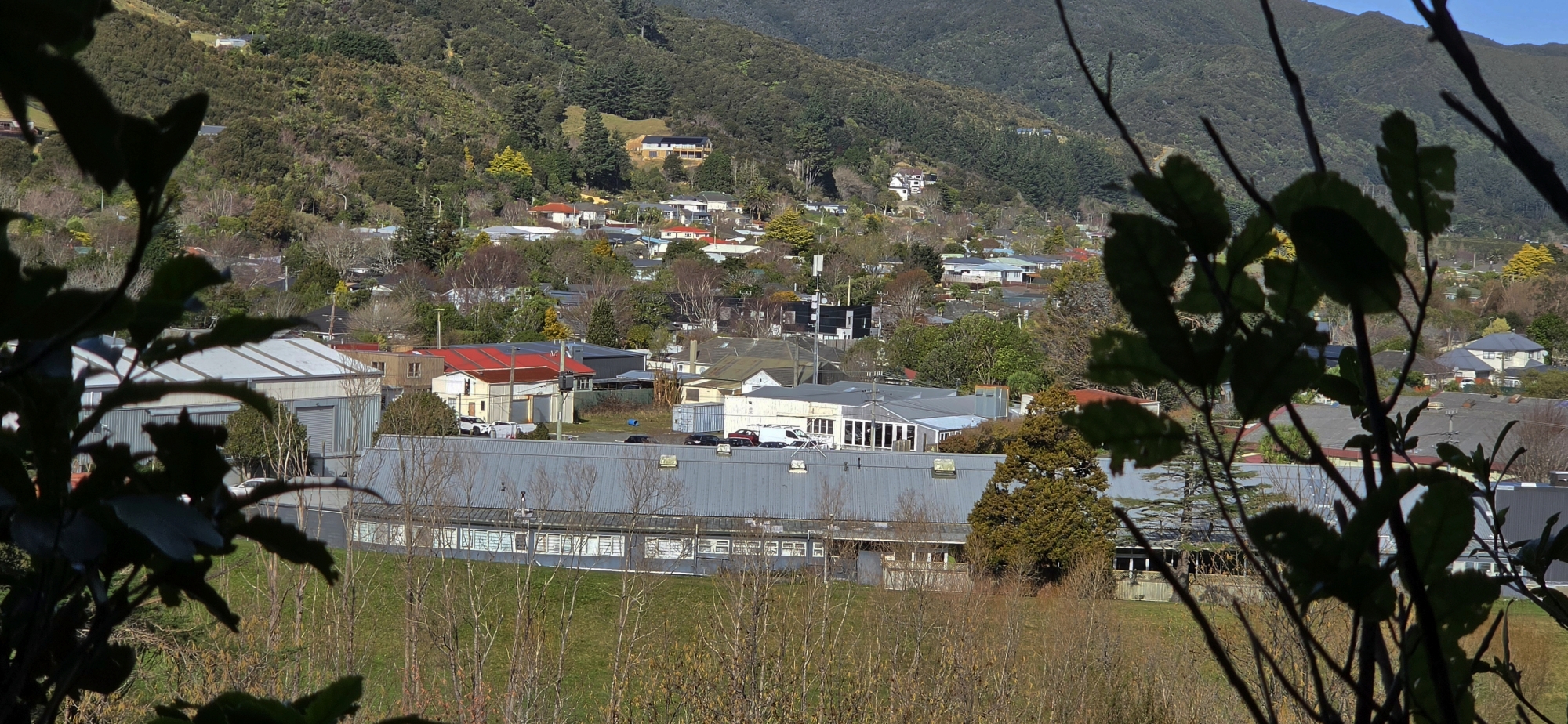
As Wainuiomata expanded, Burden Avenue developed an unusual mixture of residential properties and light industry. One of its best-known businesses was the Tatra Leather Goods factory, which operated in Wainuiomata from the 1960s until the 1980s.
By 1976, Tatra reportedly employed around 200 people and had become one of Wainuiomata’s largest employers.
Today
Burden Avenue begins near the junction of Main Road, Hine Road and Coast Road, then runs westwards towards the Wainuiomata River. At the end of the street is the Burden Avenue Riverbank Reserve, which can also be accessed from nearby Faulke Avenue and Peel Place.
The street continues to contain a mixture of family homes, workshops, tradespeople and small industrial businesses. This combination gives Burden Avenue a different character from many purely residential streets in Wainuiomata.
Although it may appear to be an ordinary suburban street today, Burden Avenue reflects several important stages in Wainuiomata’s development, including its early rural landscape, post-war housing growth, the rise of local manufacturing and the later transition to smaller workshops and businesses.