
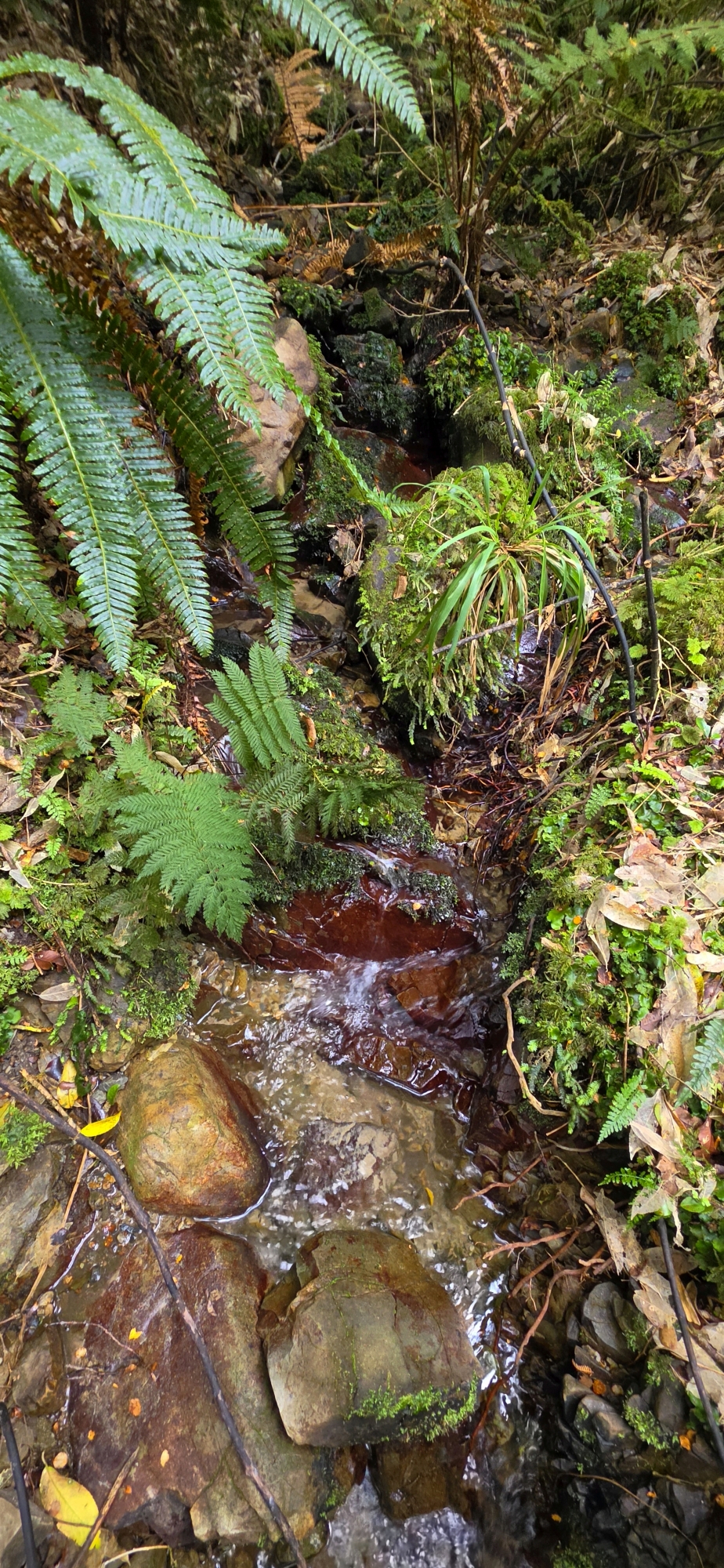
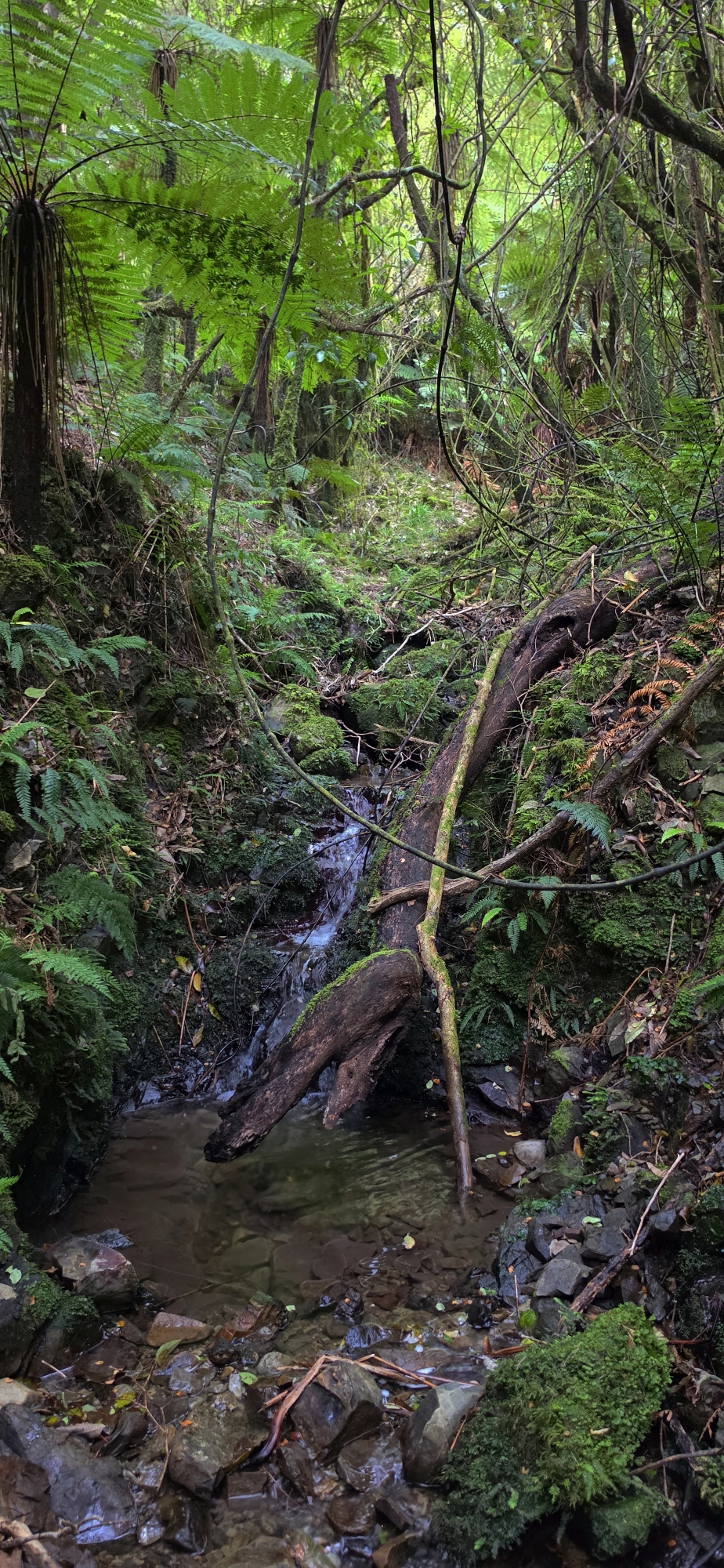
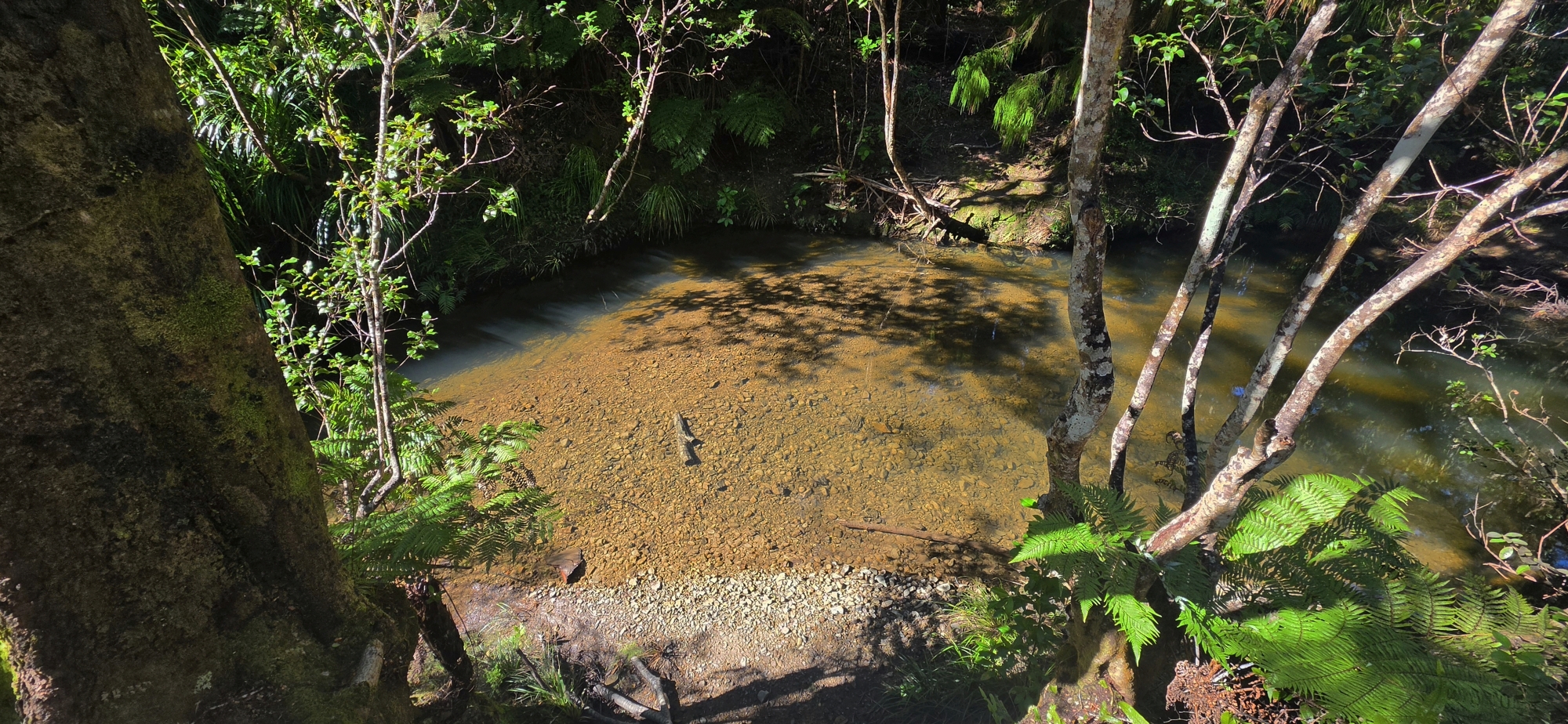
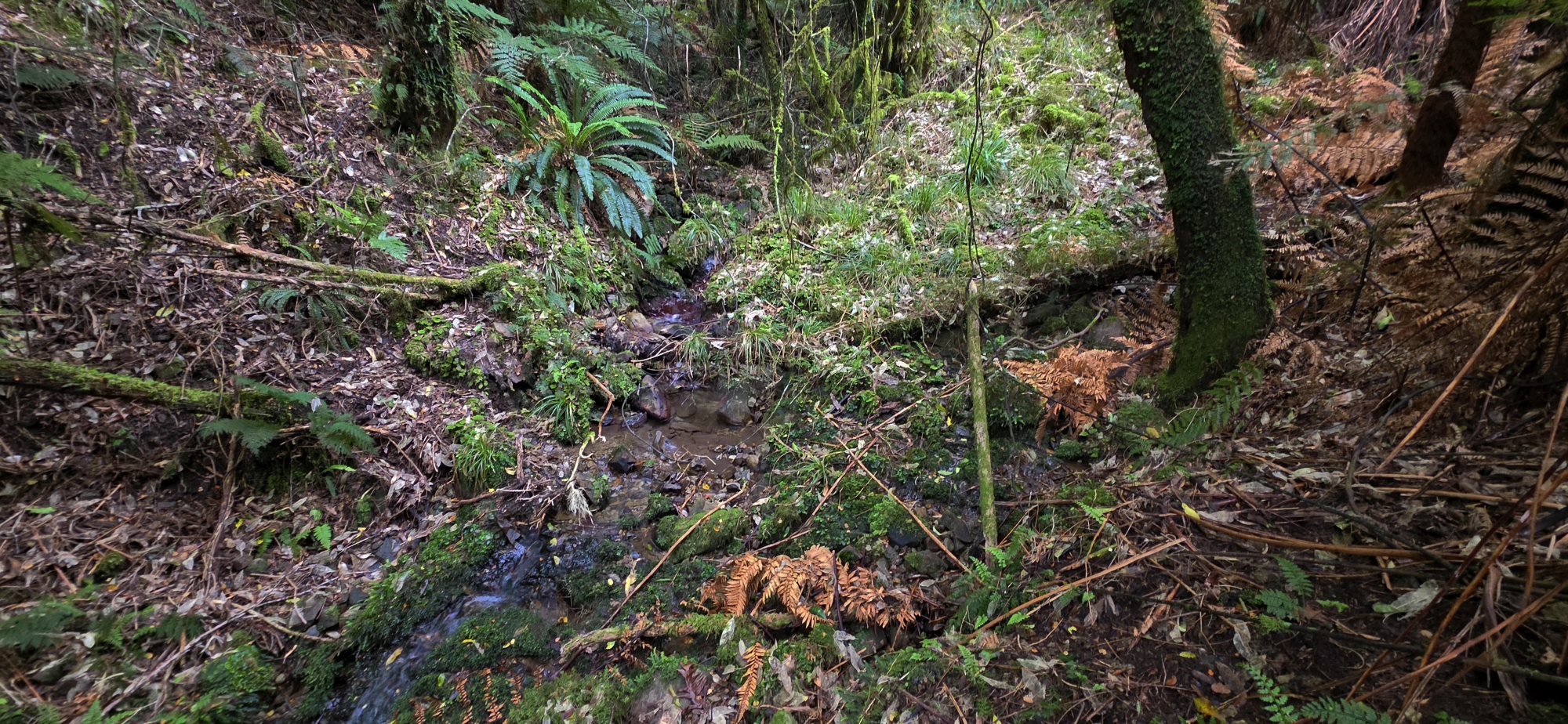
A forest stream flowing from the hills east of Wainuiomata through Gollans Valley to Lake Kohangatera.
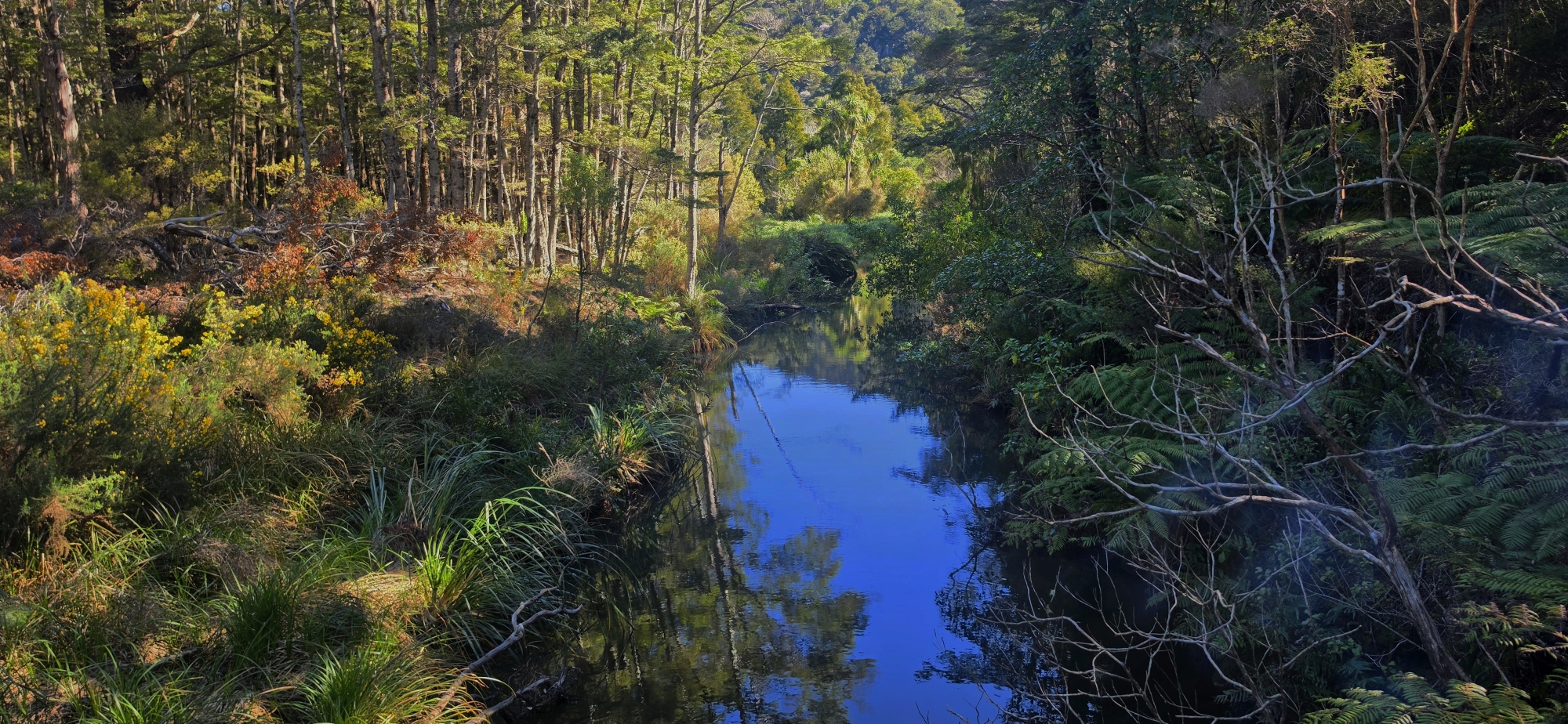
Gollans Stream is one of the main waterways draining the hills east of Wainuiomata. Its headwaters begin in the forested country around Mt Lowry and the Northern Forest before the stream flows south through Gollans Valley and eventually into Lake Kohangatera, one of the Parangarēhu Lakes.
Although closely associated with Wainuiomata, Gollans Stream is not part of the Wainuiomata River catchment. Its headwaters lie just beyond the eastern watershed of the Wainuiomata basin, with the stream flowing south towards the coast rather than west into the Wainuiomata River.
Geography
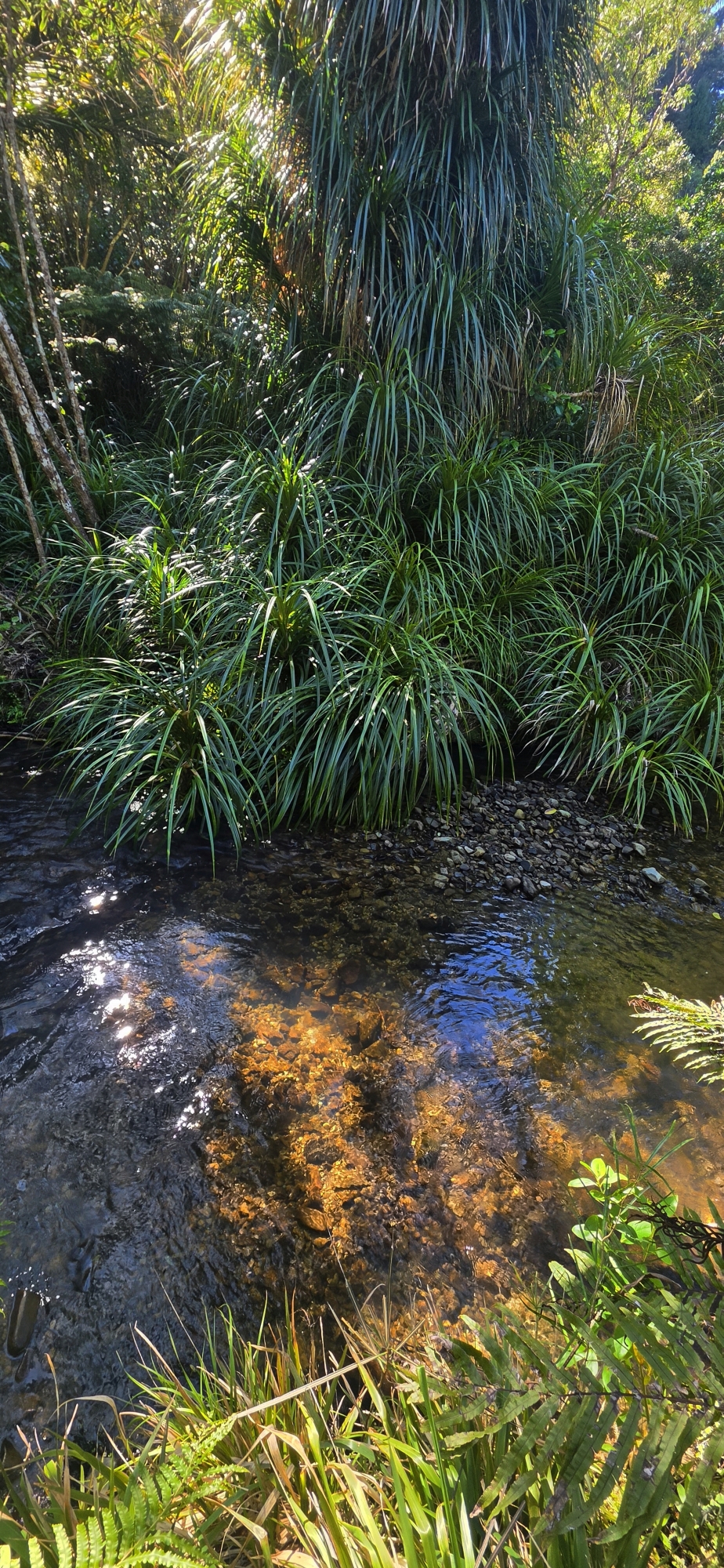
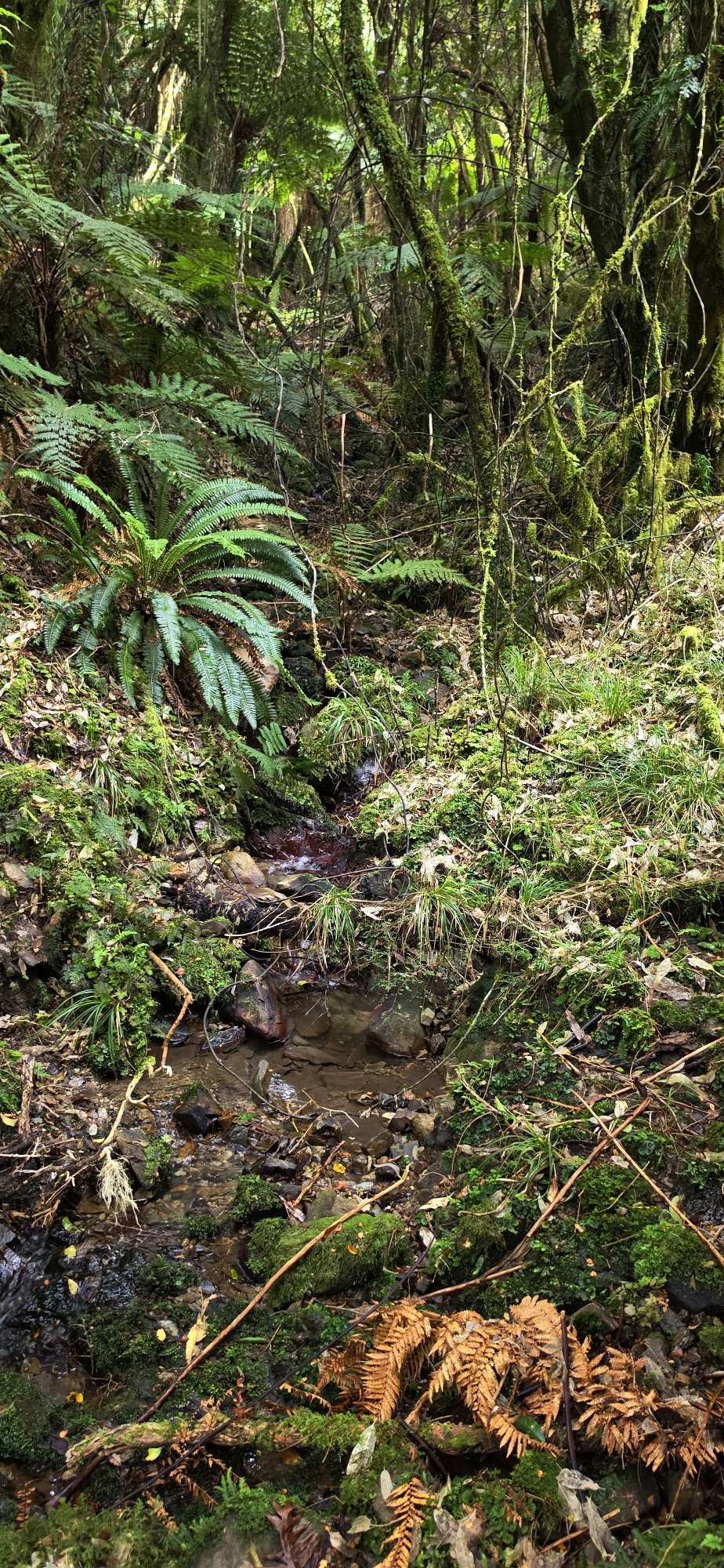
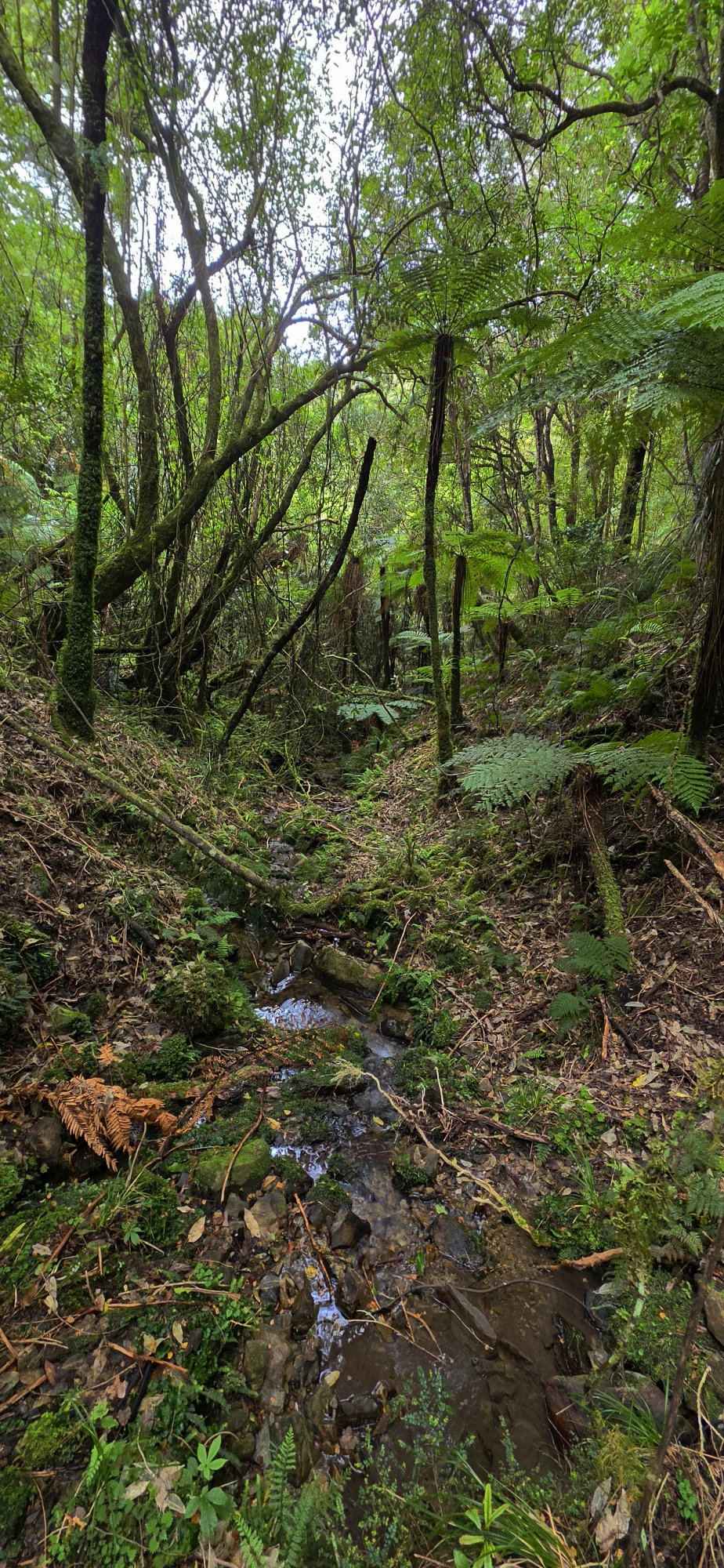
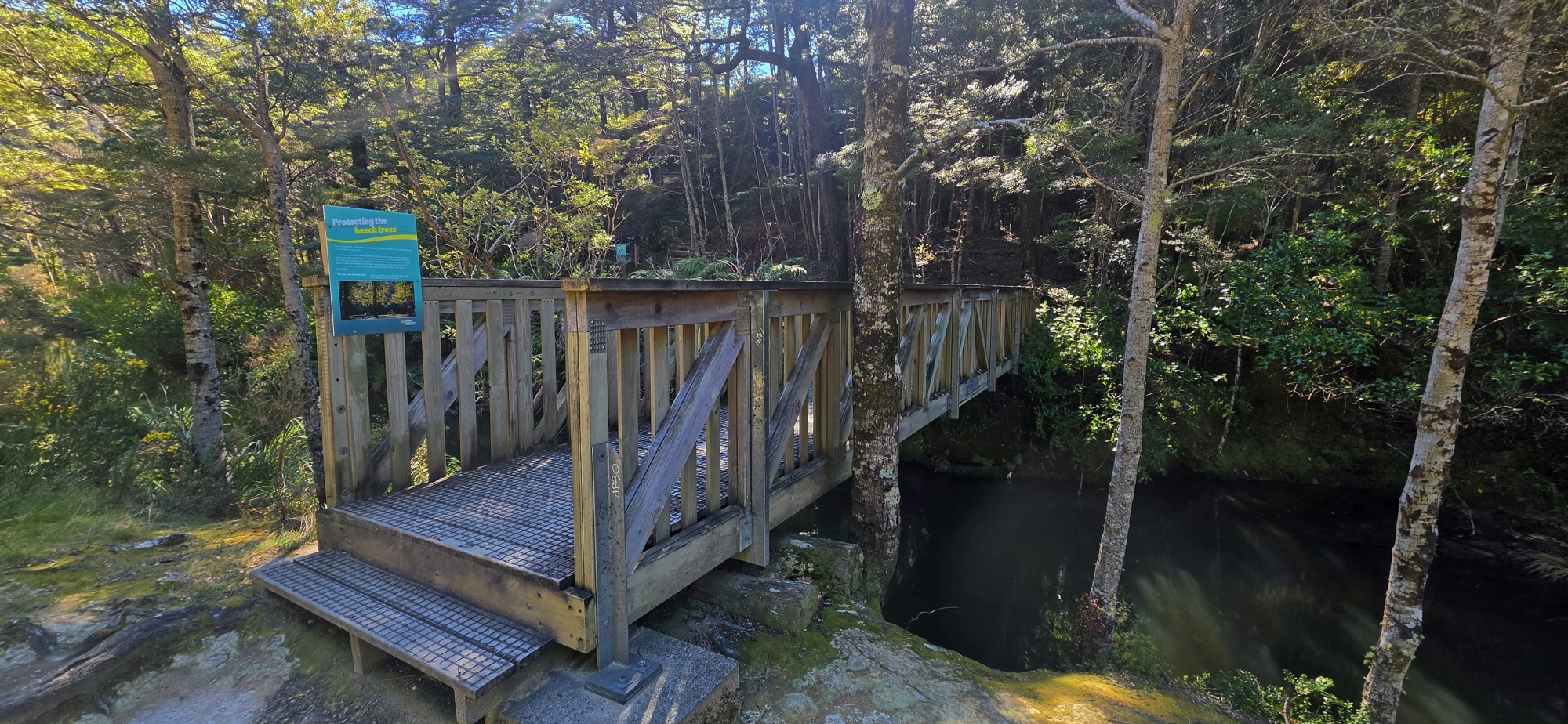
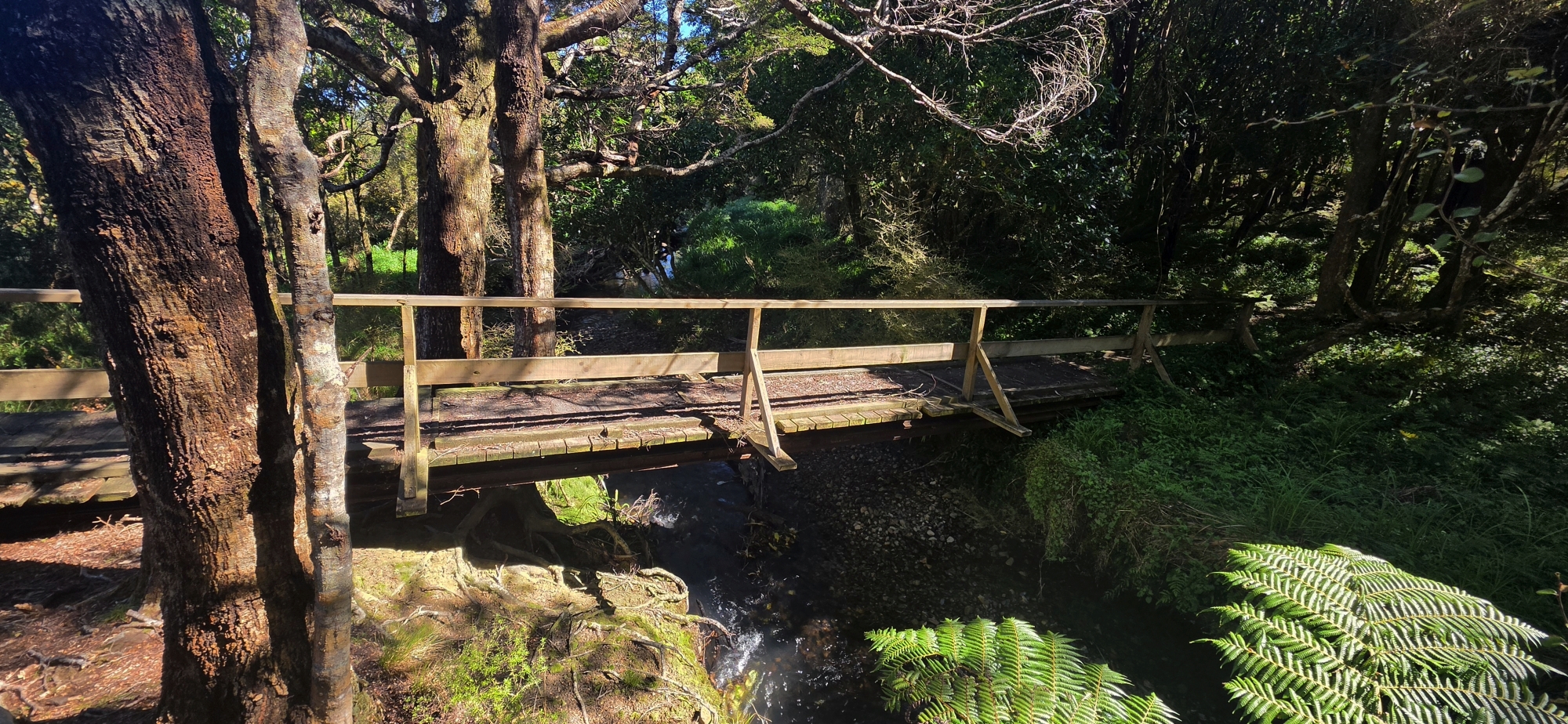
The upper reaches of Gollans Stream flow through steep, heavily forested country. Numerous small gullies and feeder streams descend from the surrounding ridges before joining the main stream.
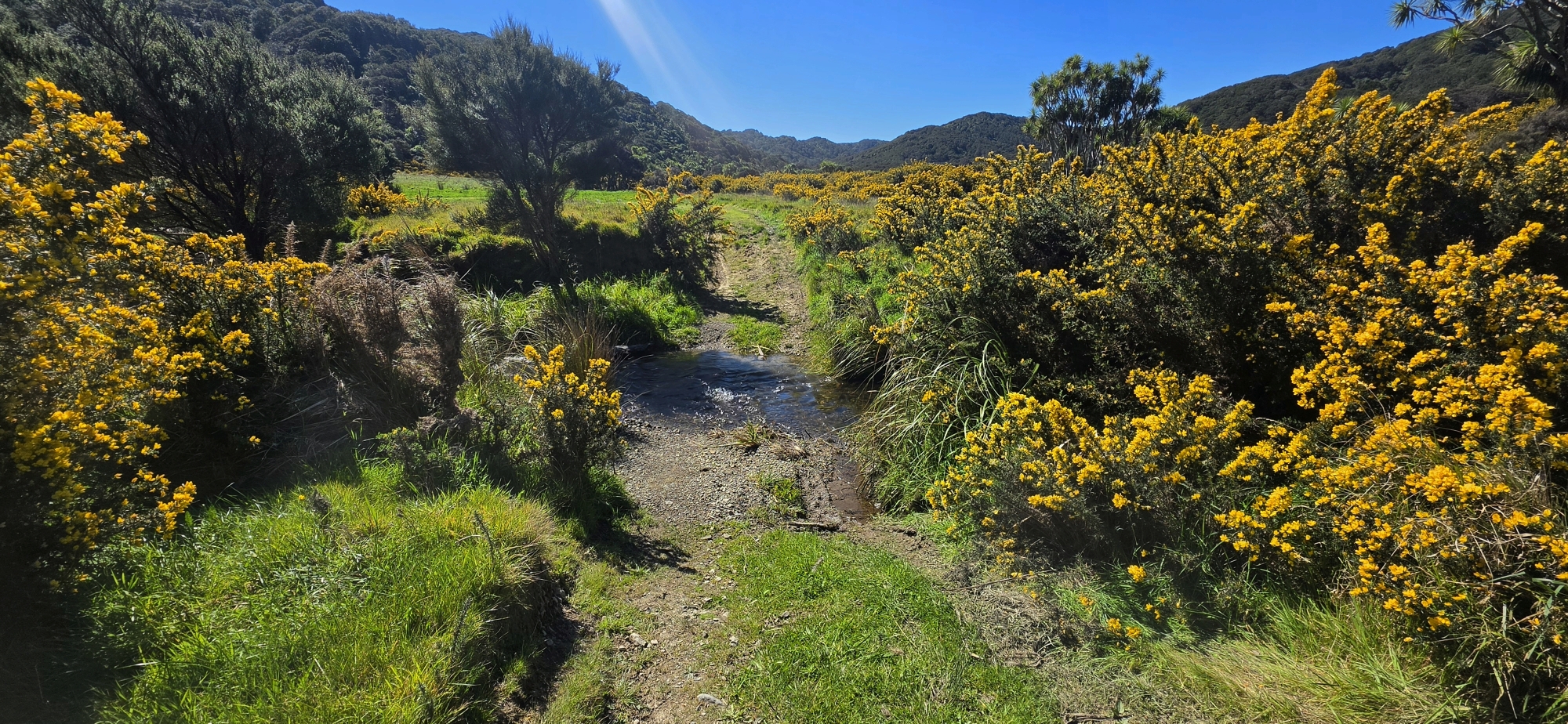
Farther downstream, the valley becomes broader and more open. Butterfly Creek is one of the principal tributaries of Gollans Stream, joining it within the wider Gollans Valley catchment.
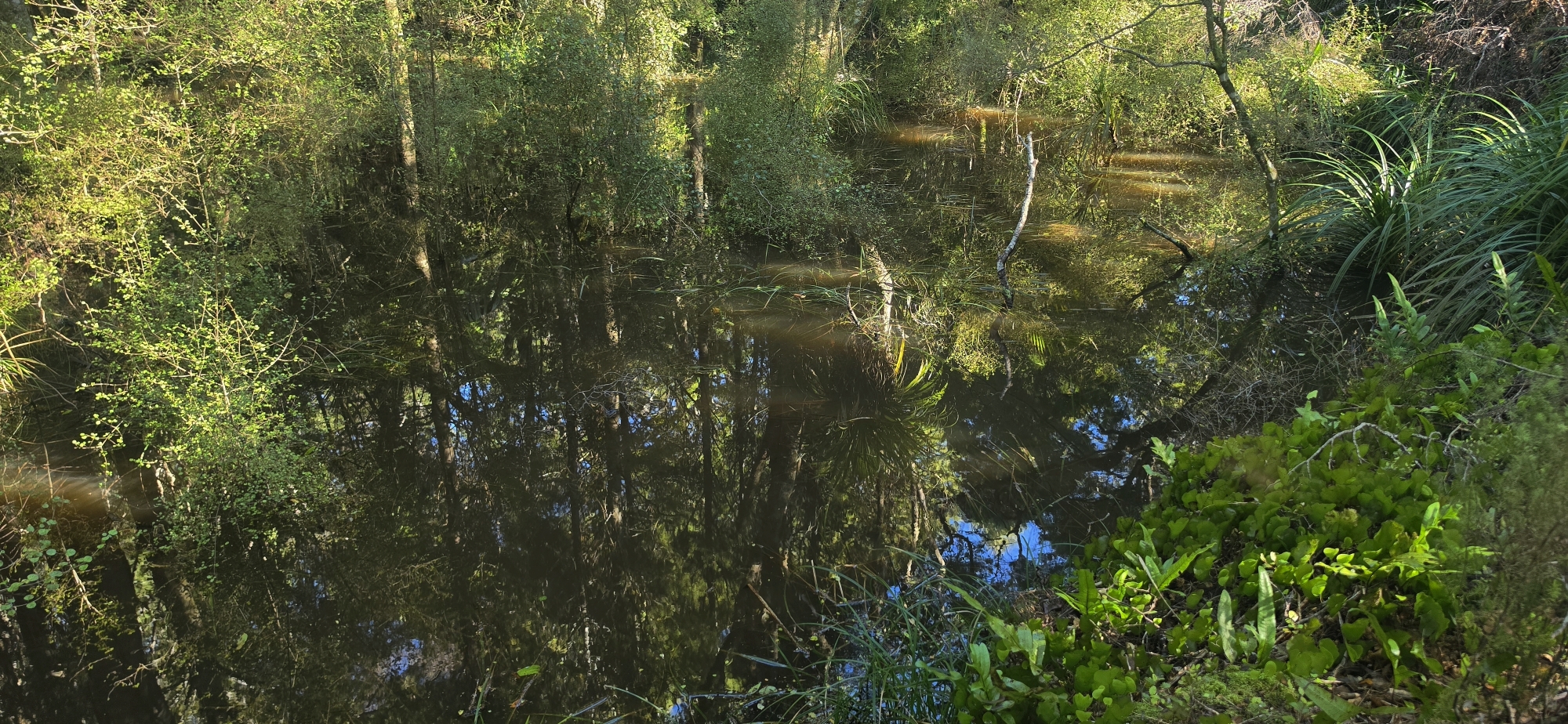
The stream then continues south through the former Gollans Valley Station before entering the wetlands surrounding Lake Kohangatera.
Gollans Valley
Gollans Stream gives its name to the long valley through which it flows. The catchment stretches from the forested hills near Wainuiomata south towards the Parangarēhu Lakes and the coast.
The upper catchment includes native forest dominated by beech and northern rātā, while wetter parts of the lower valley contain species such as kahikatea, pukatea and nīkau.
Gollans Stream and its tributaries can rise quickly after heavy rain because much of the catchment consists of steep hillsides and narrow gullies.
Origin of the name
The name Gollans is associated with Donald Matheson Gollan, an early New Zealand Company official who held land in the area during the nineteenth century.
His surname became attached to several local features, including Gollans Valley, Gollans Stream and Gollans Track.
Gollans Track was one of the early routes through the hills between the eastern bays and the Gollans Valley area.
Butterfly Creek
Butterfly Creek is one of the best-known tributaries of Gollans Stream.
The junction of Butterfly Creek and Gollans Stream has been a popular destination for walkers and trampers for many decades. Historic huts and recreational facilities were once located in the area, including a tea kiosk or log cabin that operated during the twentieth century.
Tracks through this part of the valley also provided an important recreational link between Eastbourne, the eastern hills and Wainuiomata.
Gold prospecting
The Gollans Stream catchment is also connected with the nineteenth-century search for gold in the hills around Wainuiomata.
Quartz reefs were investigated in several parts of the surrounding ranges, and prospectors explored the ridges, gullies and streams looking for signs of mineralisation.
In 1901, Henry Savage reportedly guided a party into Gollans Valley to inspect a quartz reef and an old winze approximately 10 feet deep.
The exact location of this working has not been confirmed, and no commercially successful gold mine was established in the valley. However, the reports show that serious prospecting took place within the wider Gollans catchment.
The upper reaches of Gollans Stream and its many feeder gullies remain particularly interesting because they lie below ridges and hillsides associated with historic prospecting activity.
Proposed water supply
Gollans Stream was once considered as a possible source of water for Eastbourne.
In the early twentieth century, investigations were carried out into whether water from the stream could be used for the borough’s supply. The proposal was never developed into a permanent water-supply system.
Ecology
Gollans Stream supports a range of native freshwater species.
The wider catchment provides habitat for indigenous fish including longfin eels, giant kōkopu and lamprey. The combination of forest, wetlands and relatively undeveloped waterways makes the stream an important ecological corridor between the hills and Lake Kohangatera.
Conservation
Much of the Gollans Stream catchment is now protected within or alongside East Harbour Regional Park.
The purchase of Gollans Valley Station by Greater Wellington further increased the amount of protected land surrounding the stream, linking the Northern Forest with the Parangarēhu Lakes area.
Today, Gollans Stream remains one of the most important natural waterways on the eastern side of the Wainuiomata hills, combining native forest, freshwater habitat, early transport routes, farming history and the lingering mystery of Wainuiomata’s nineteenth-century search for gold.




DISCUSSION