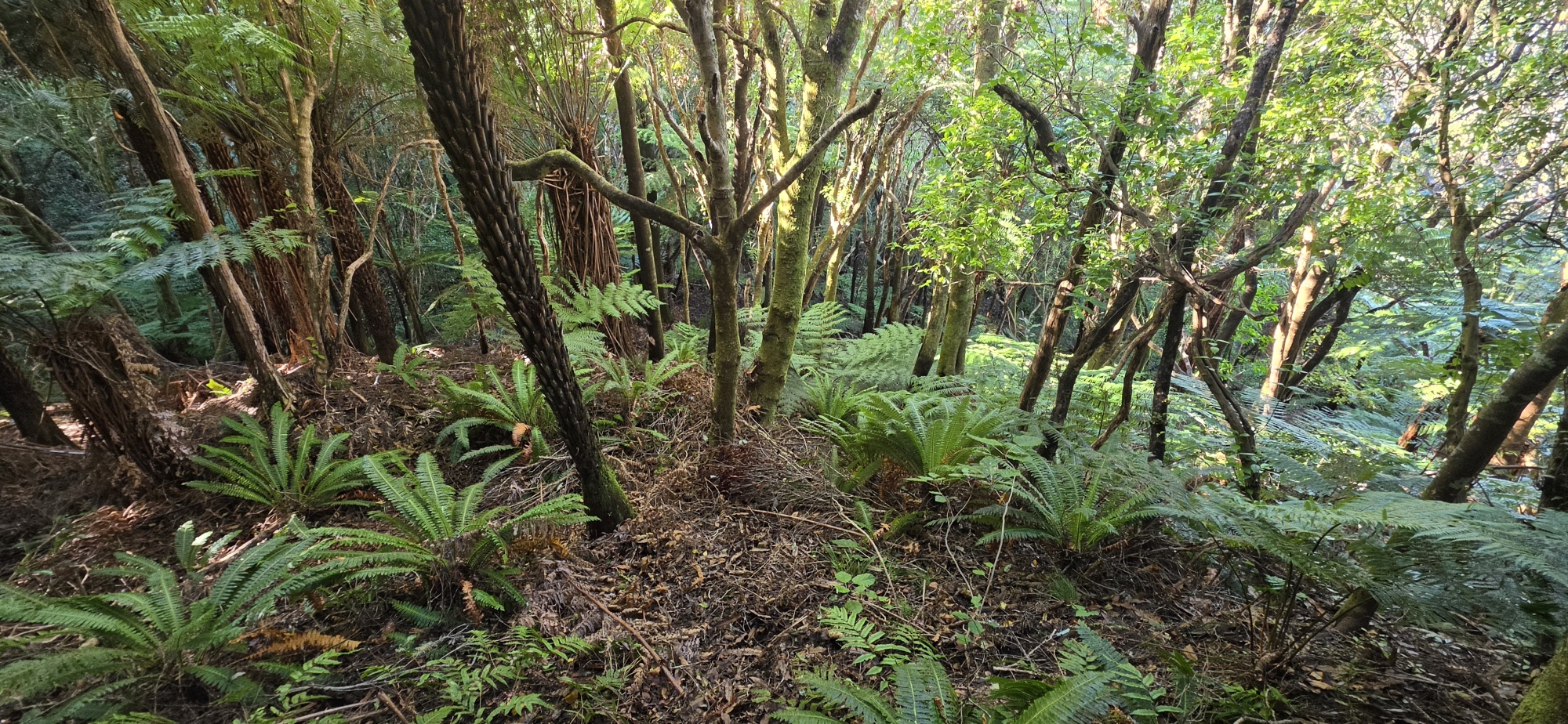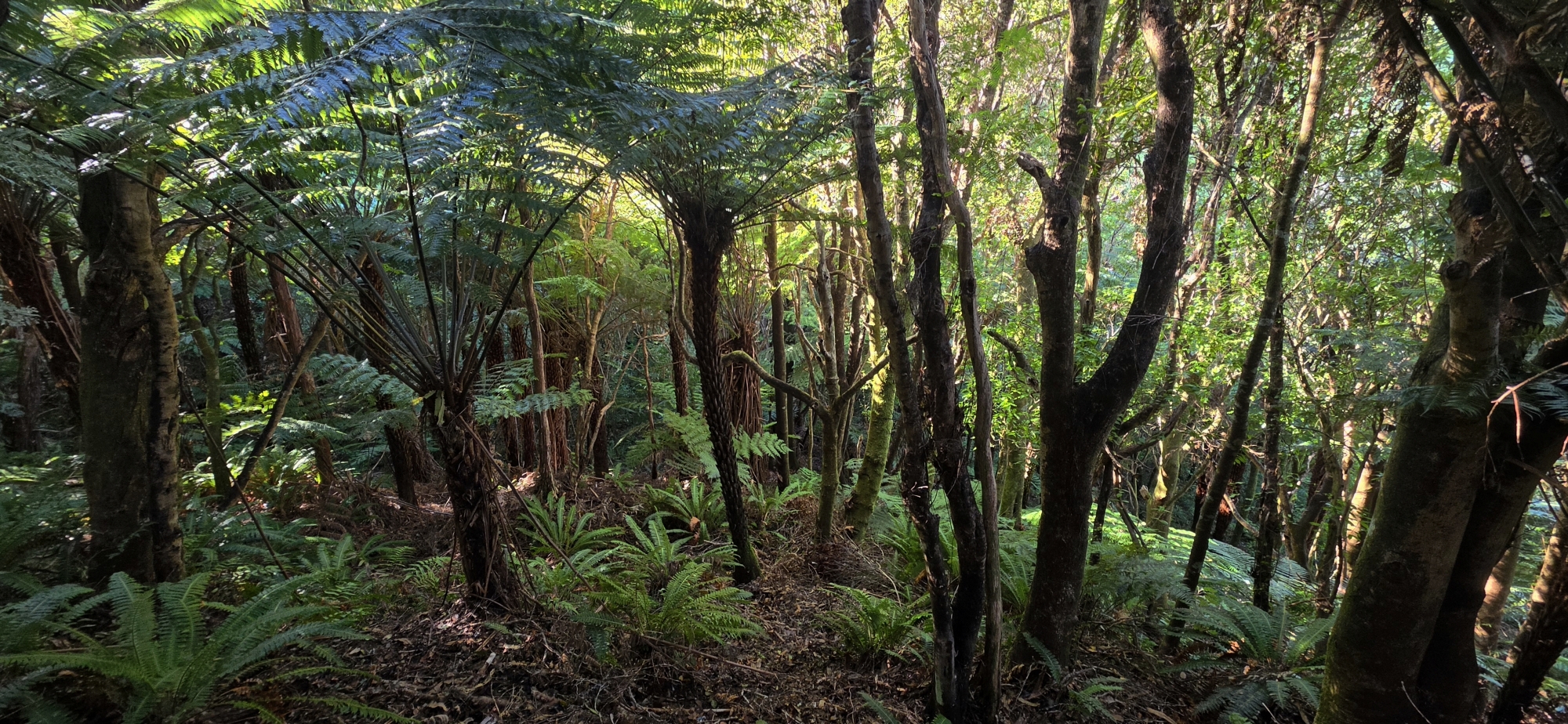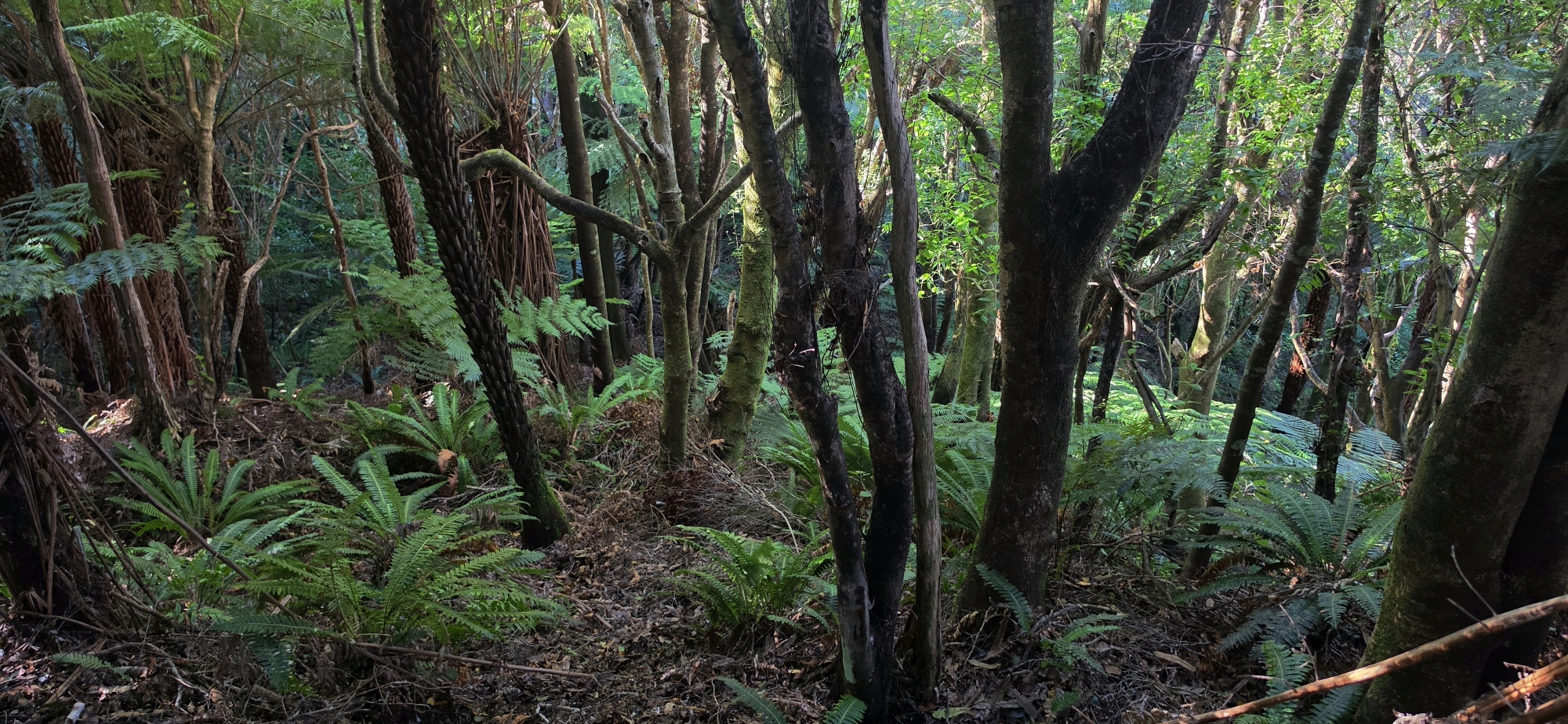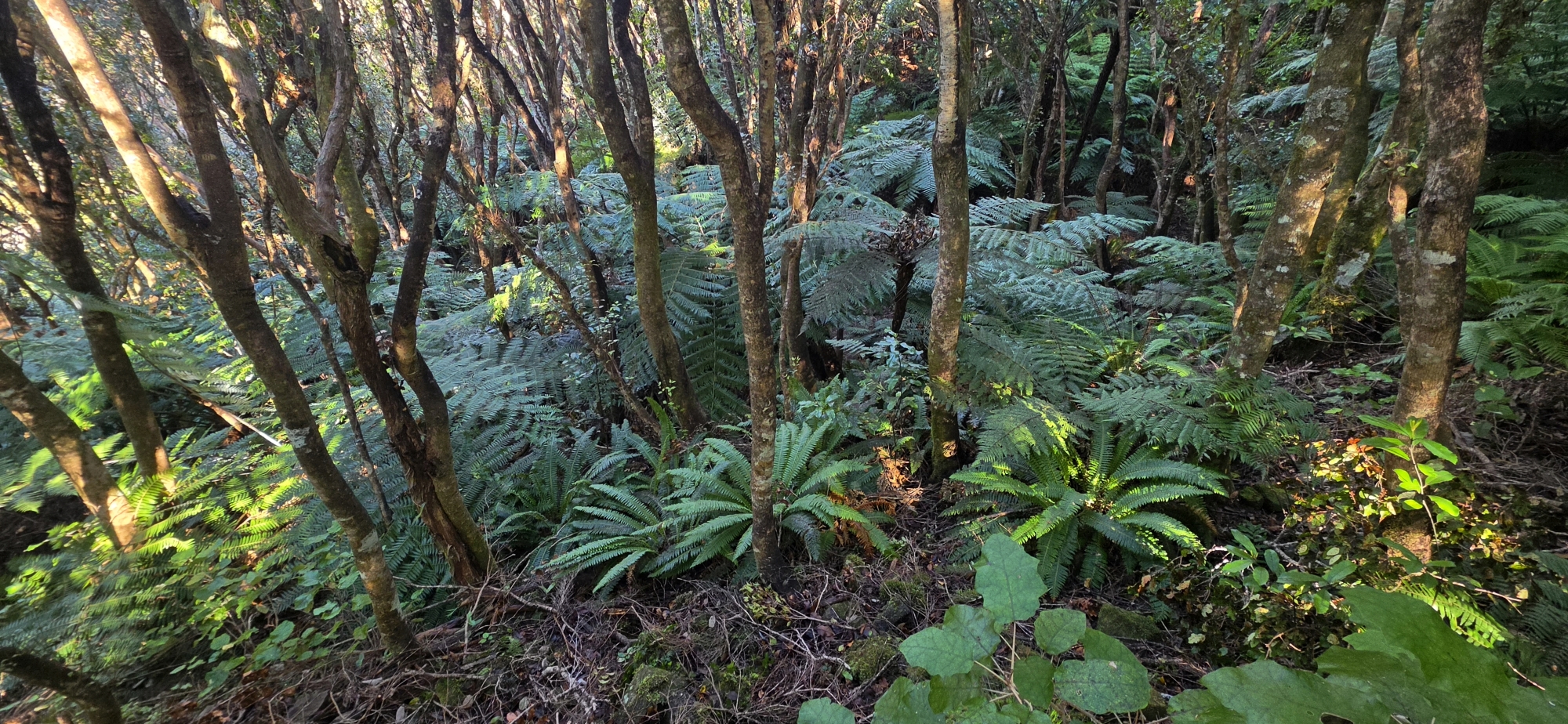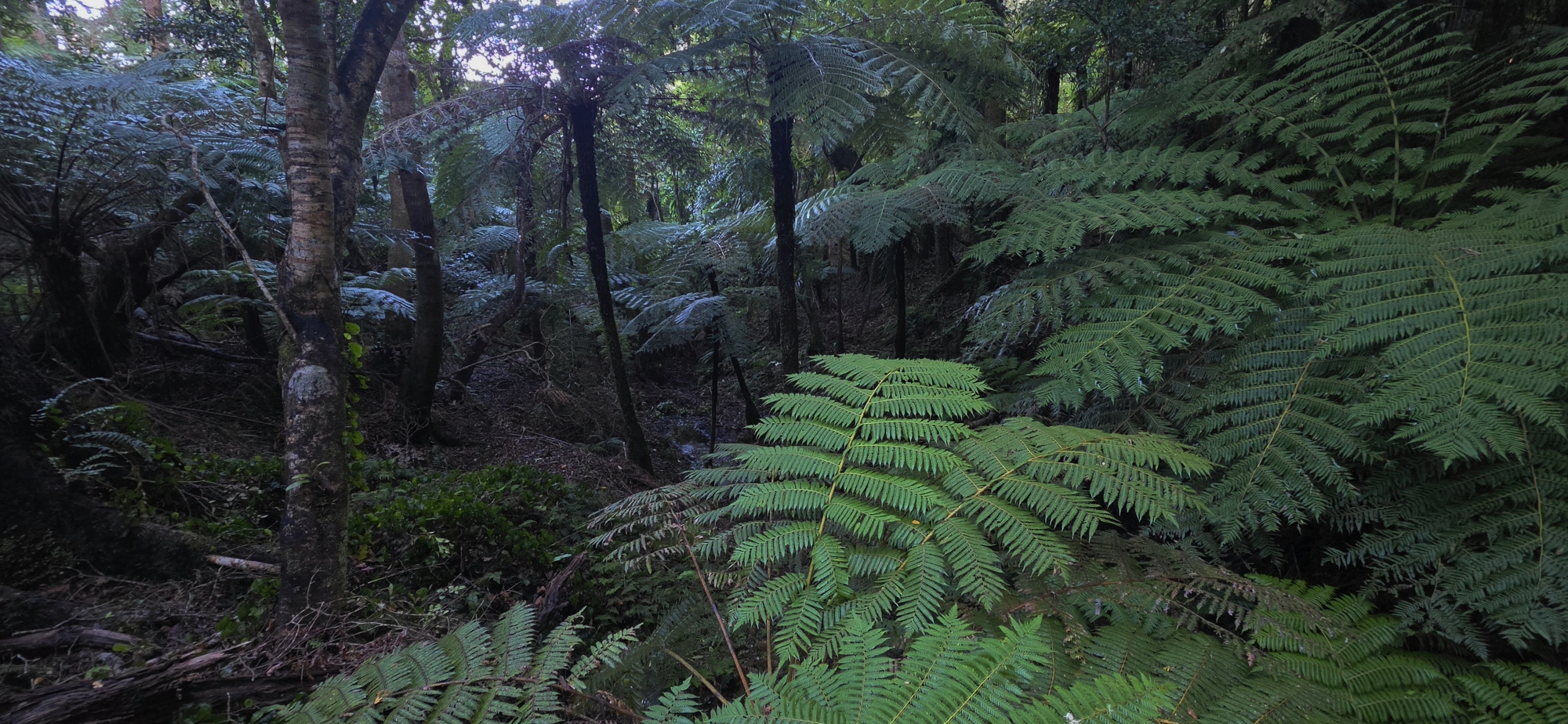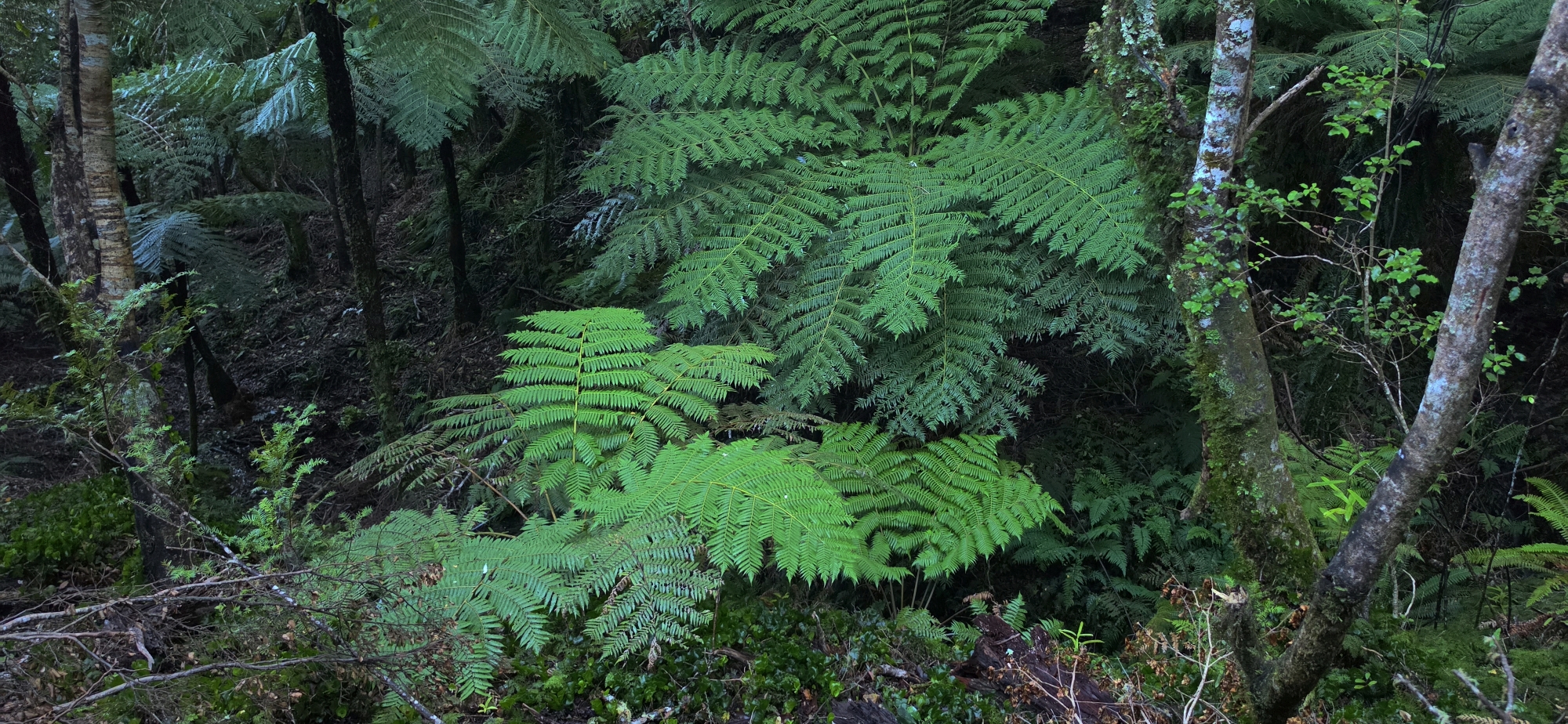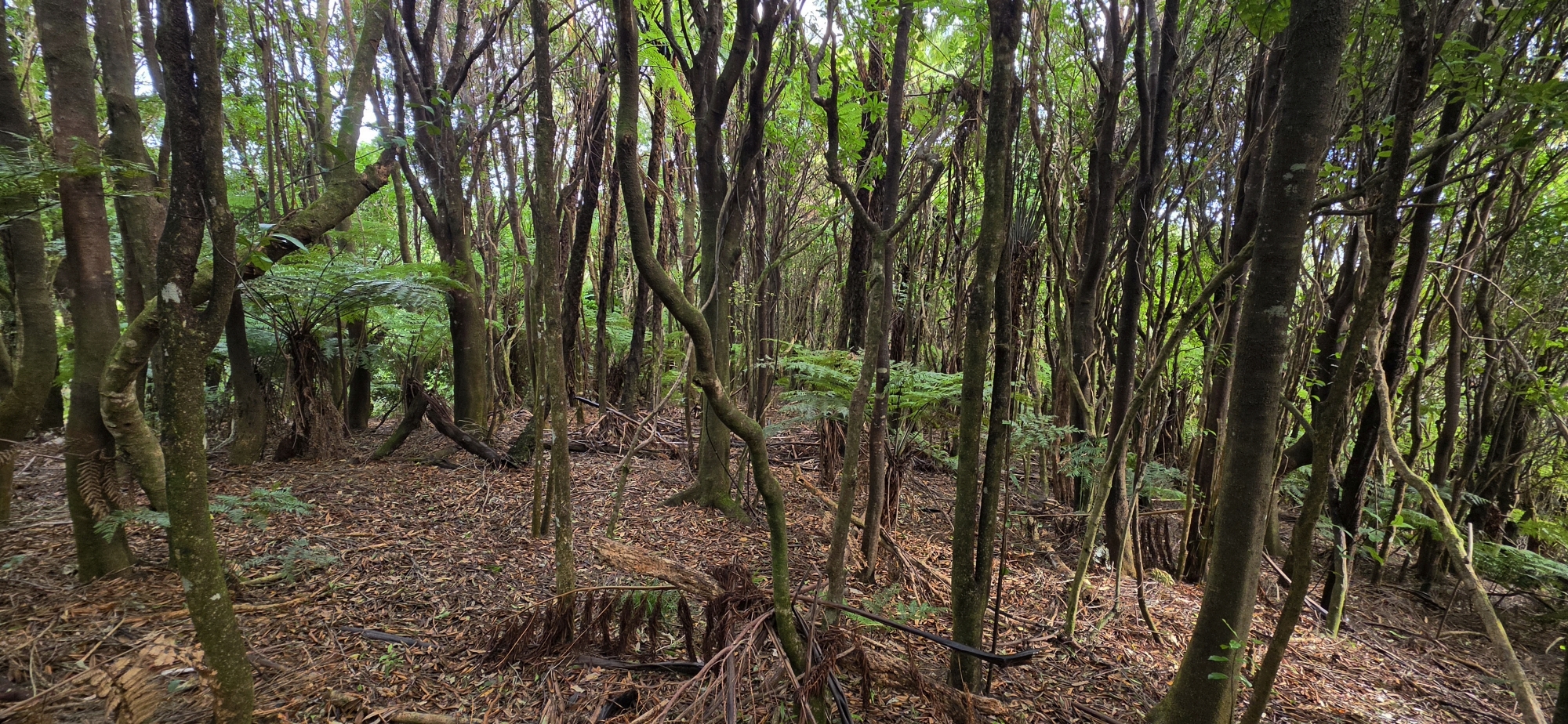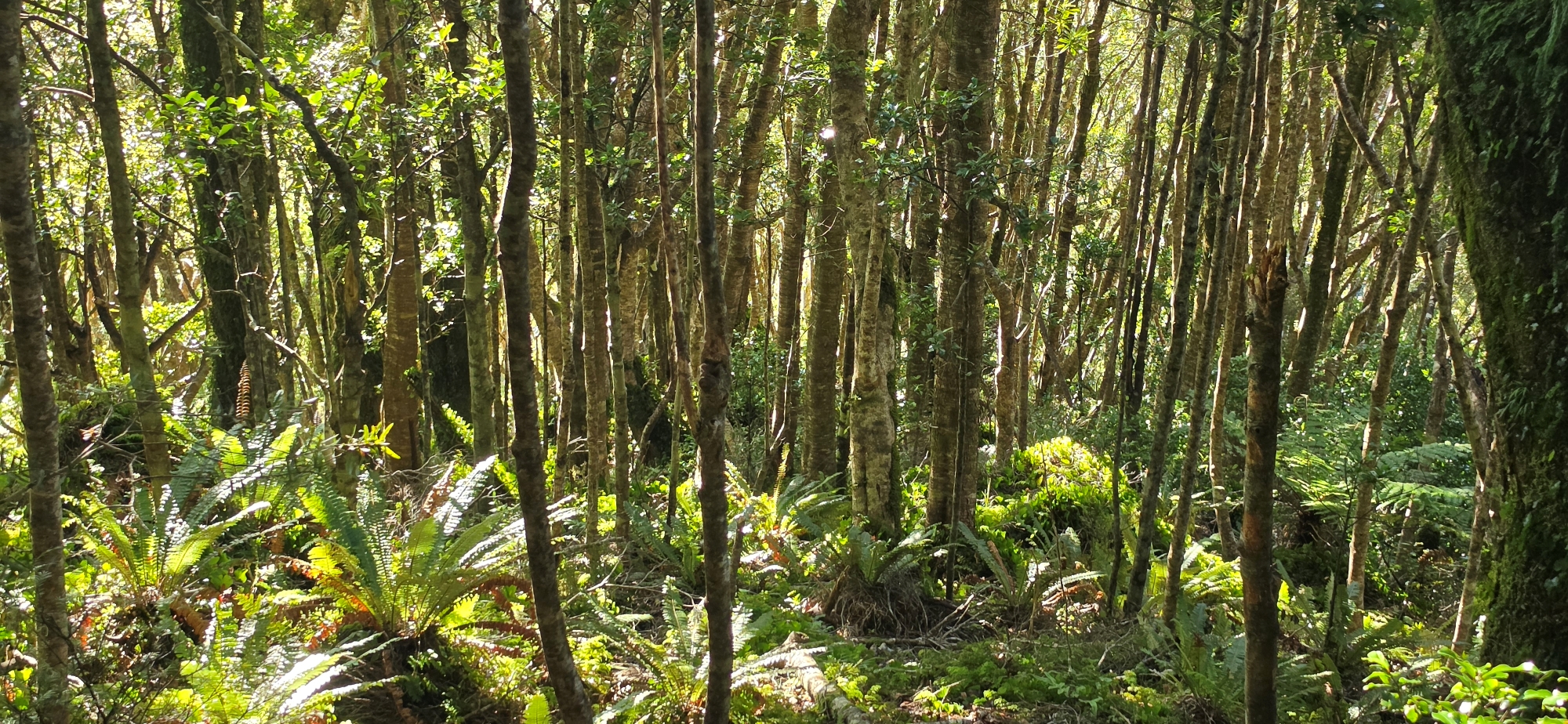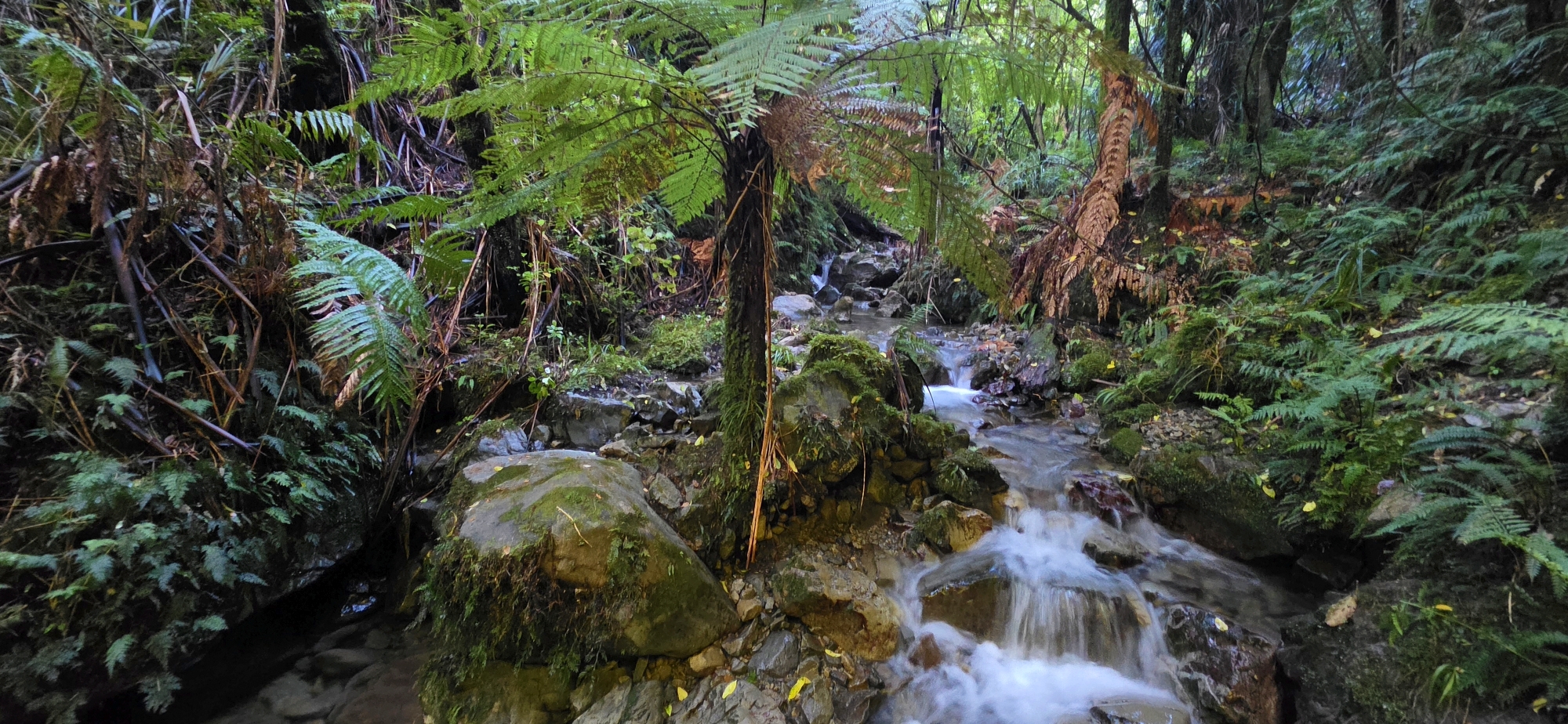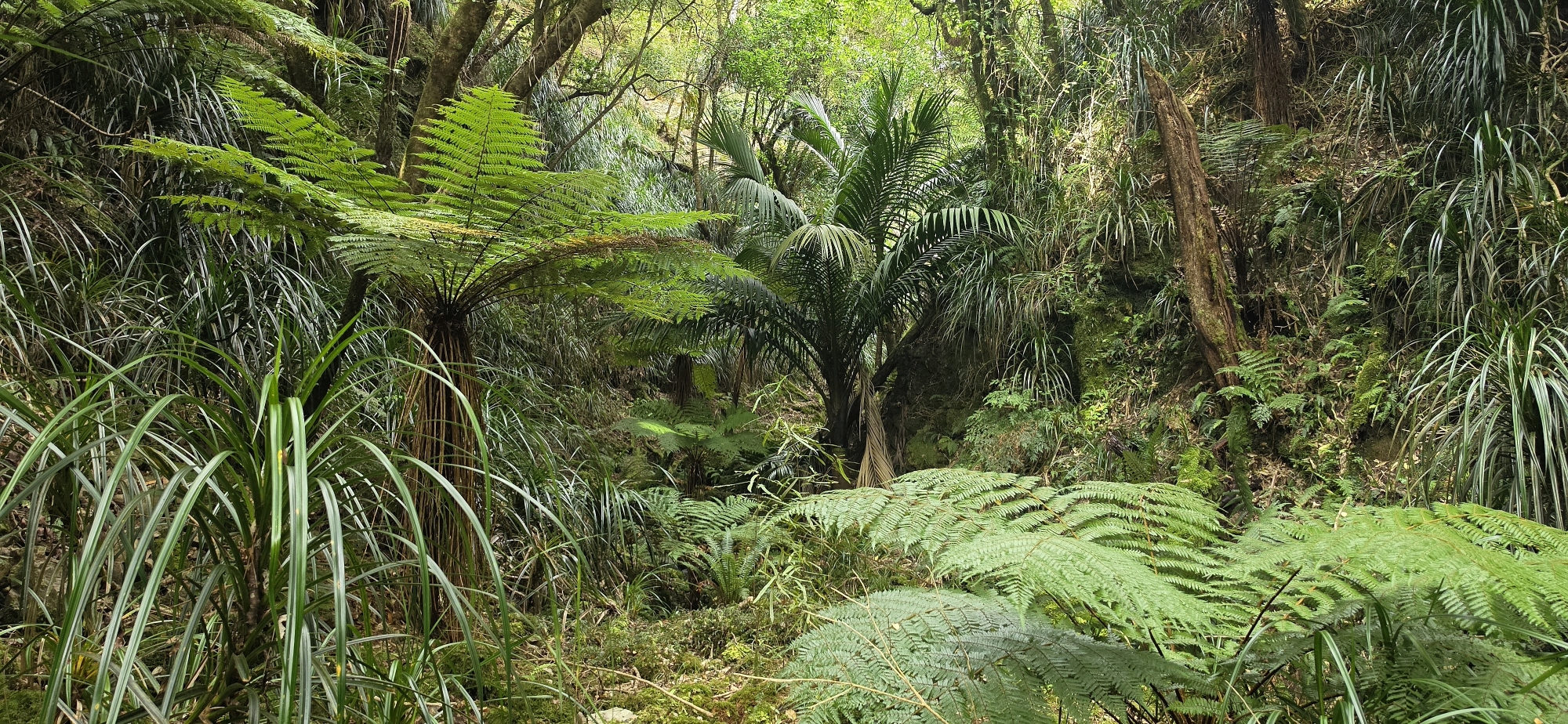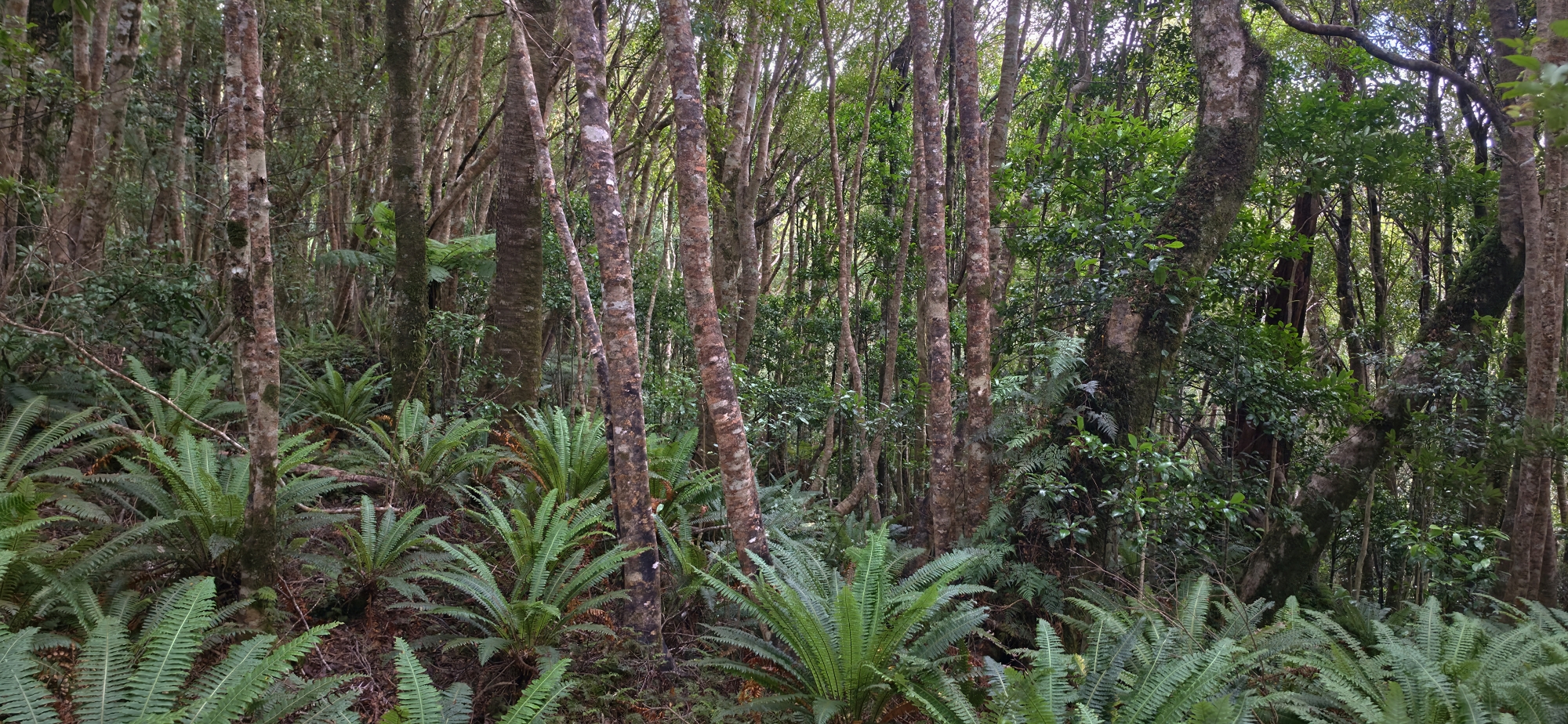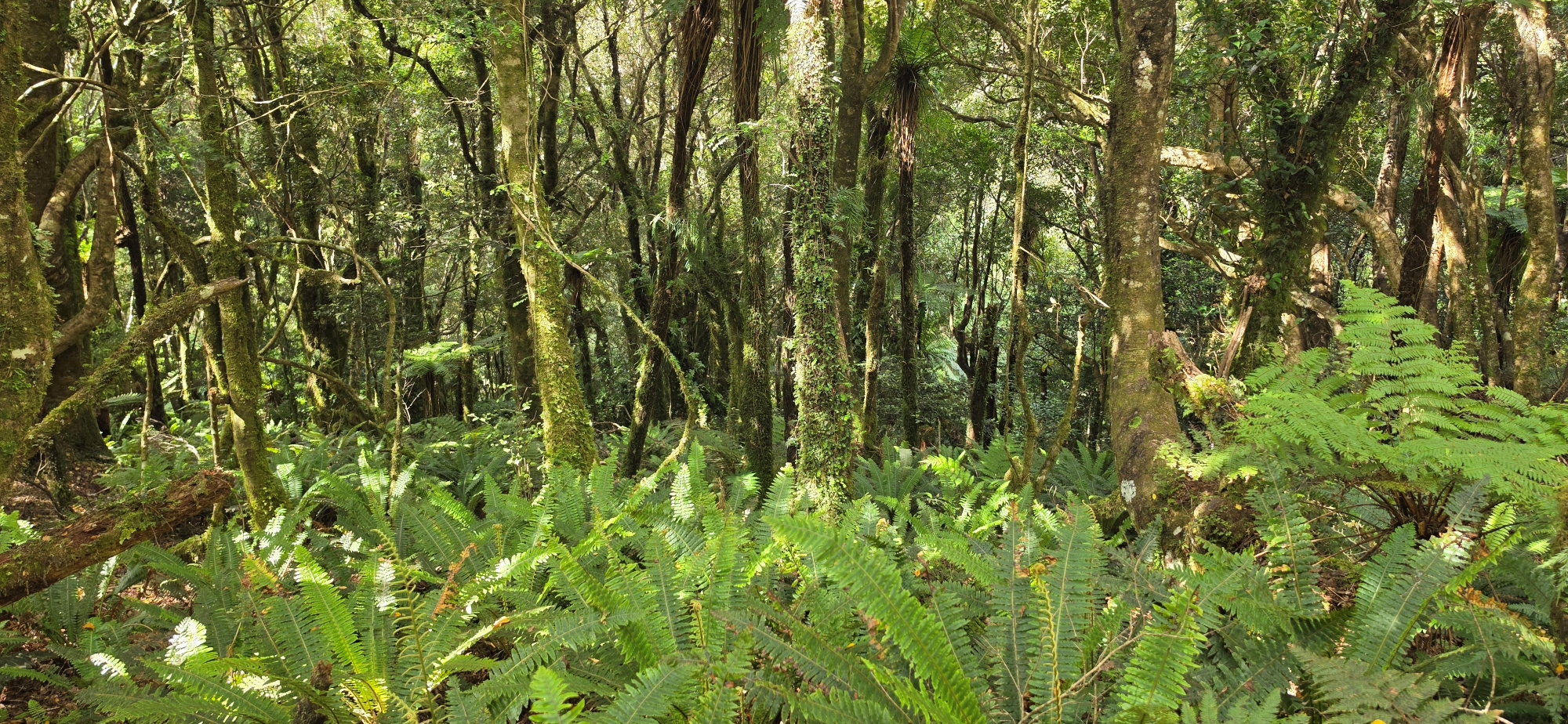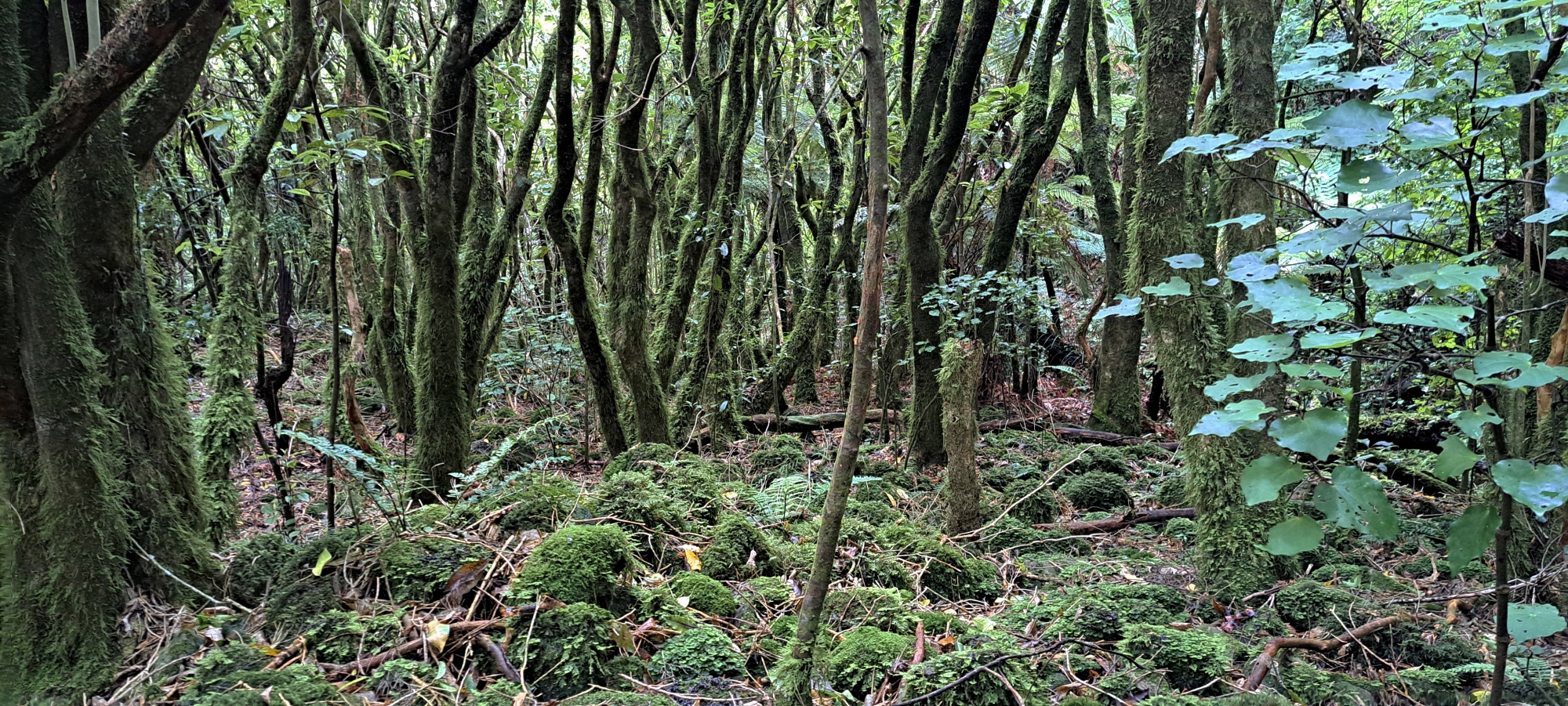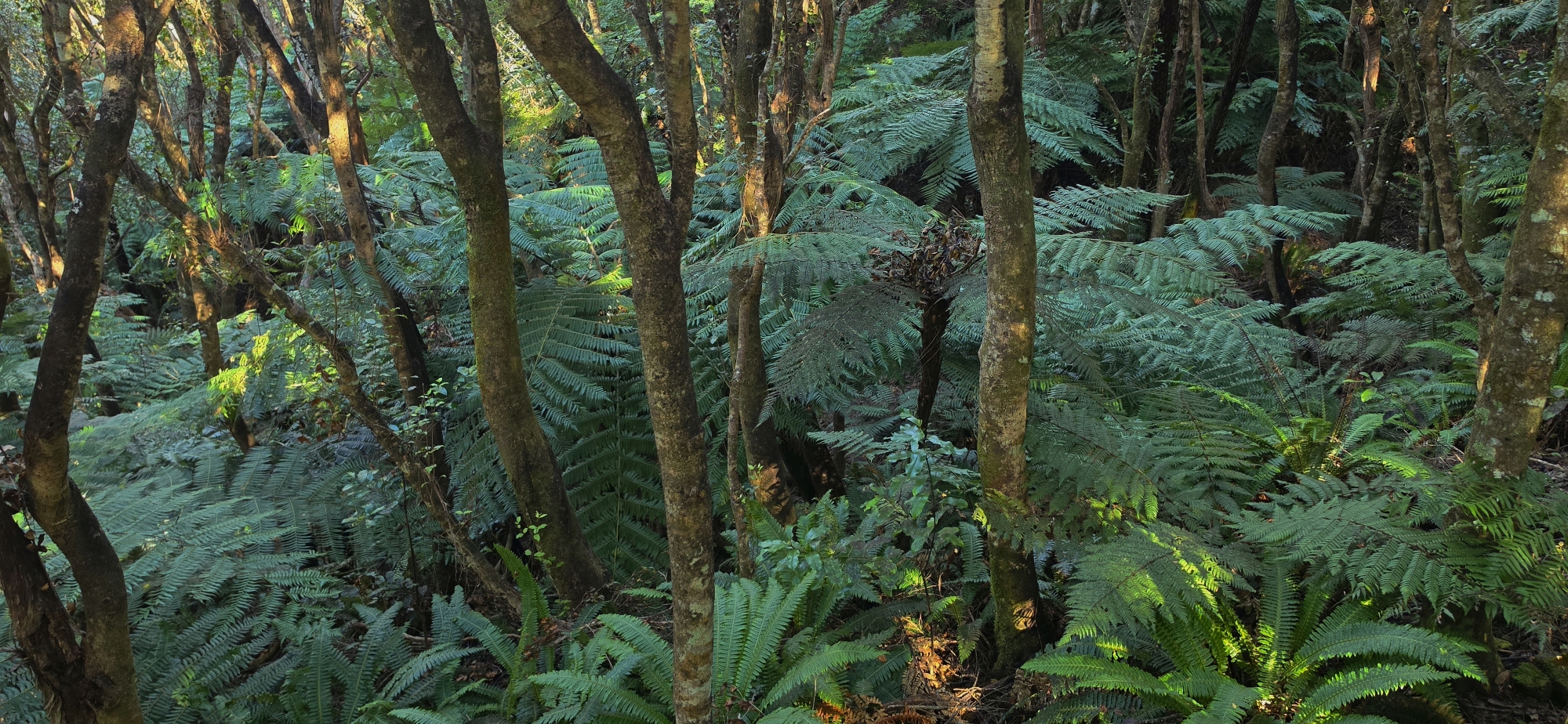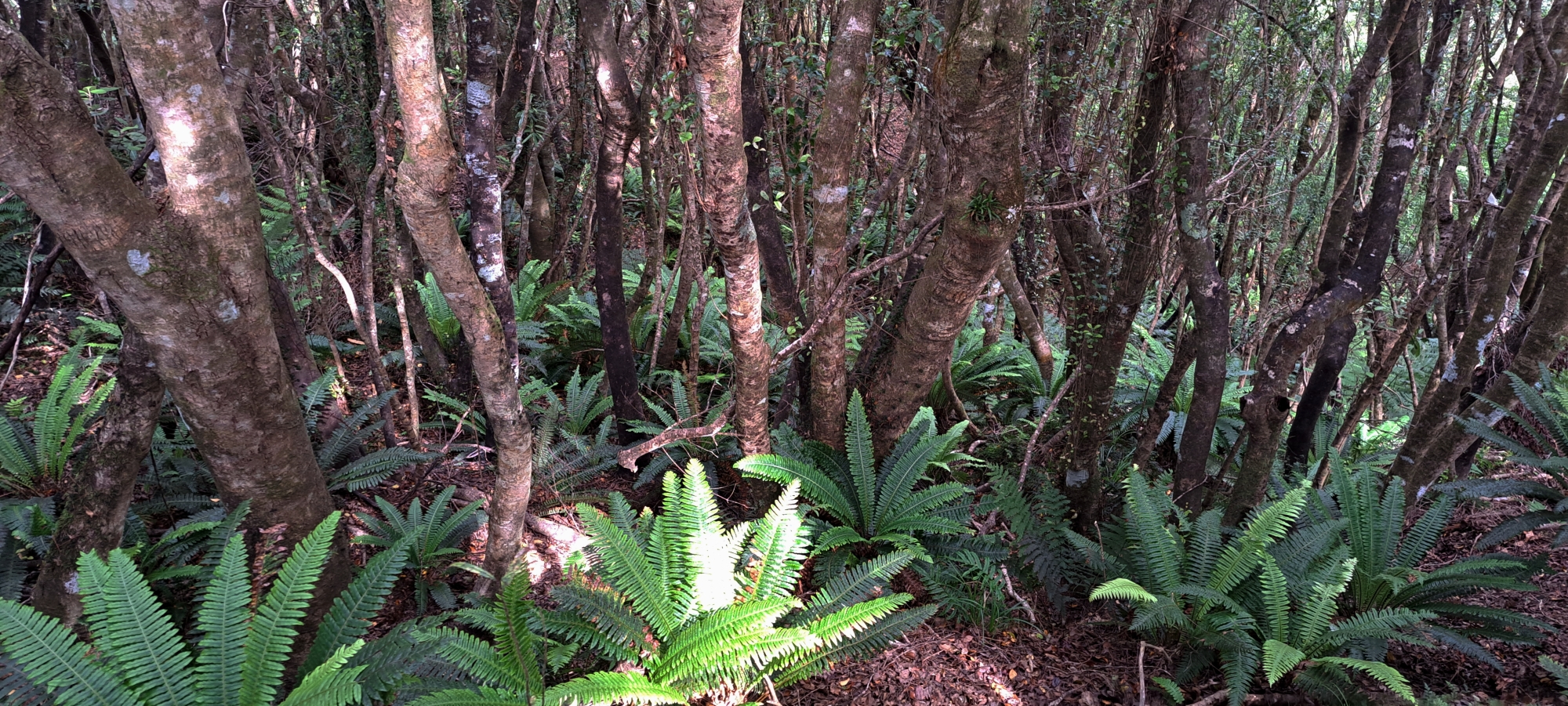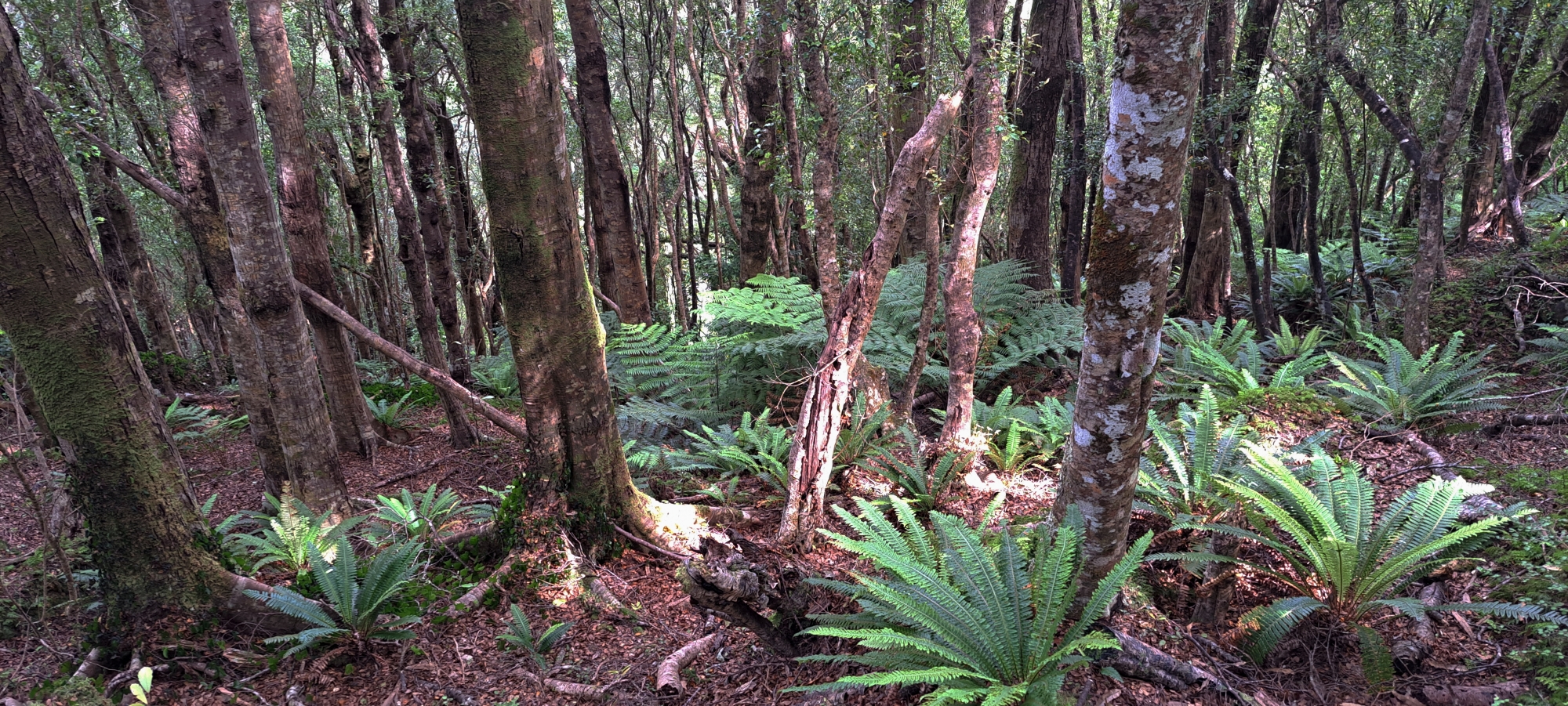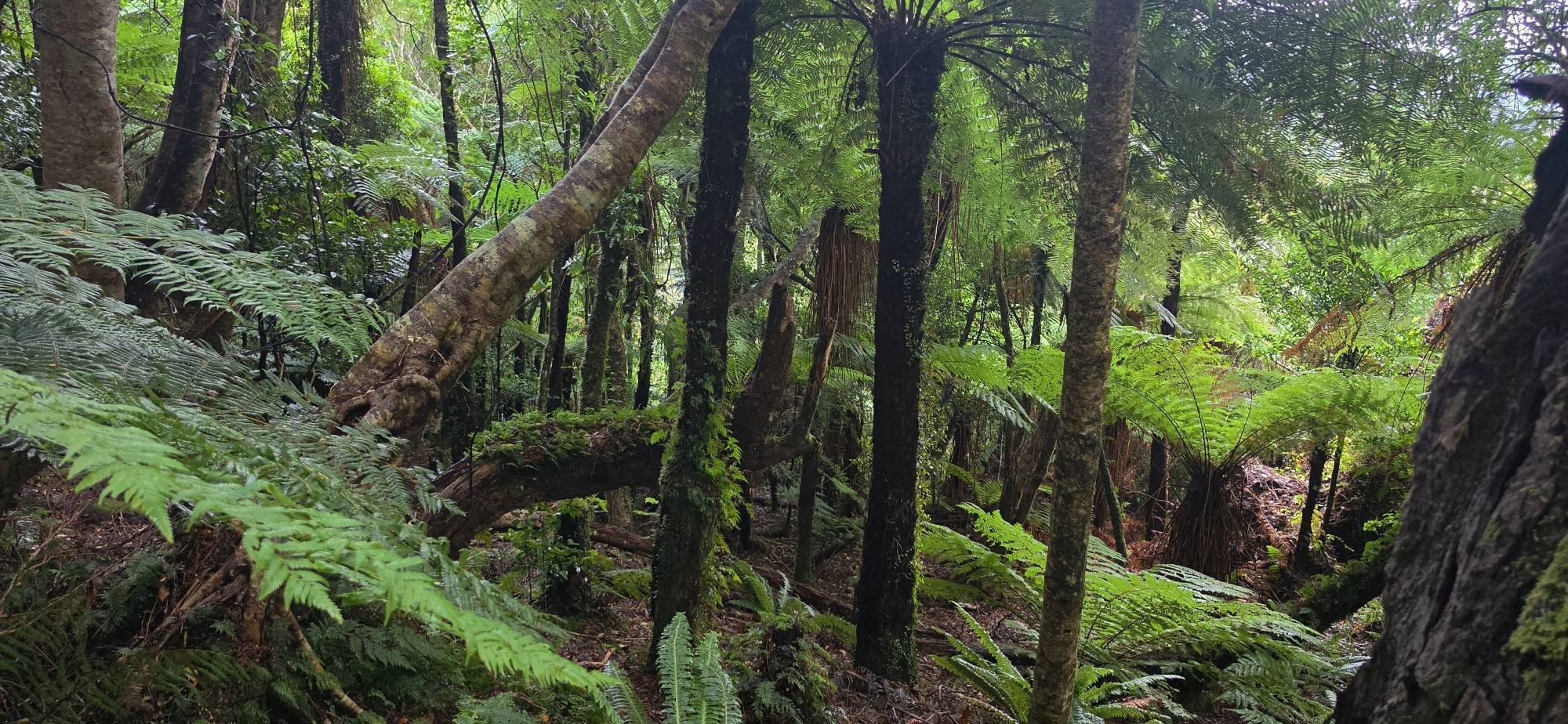
Tree Ferns and Broadleaf Trees Growing Throughout Wainuiomata’s Native Forests
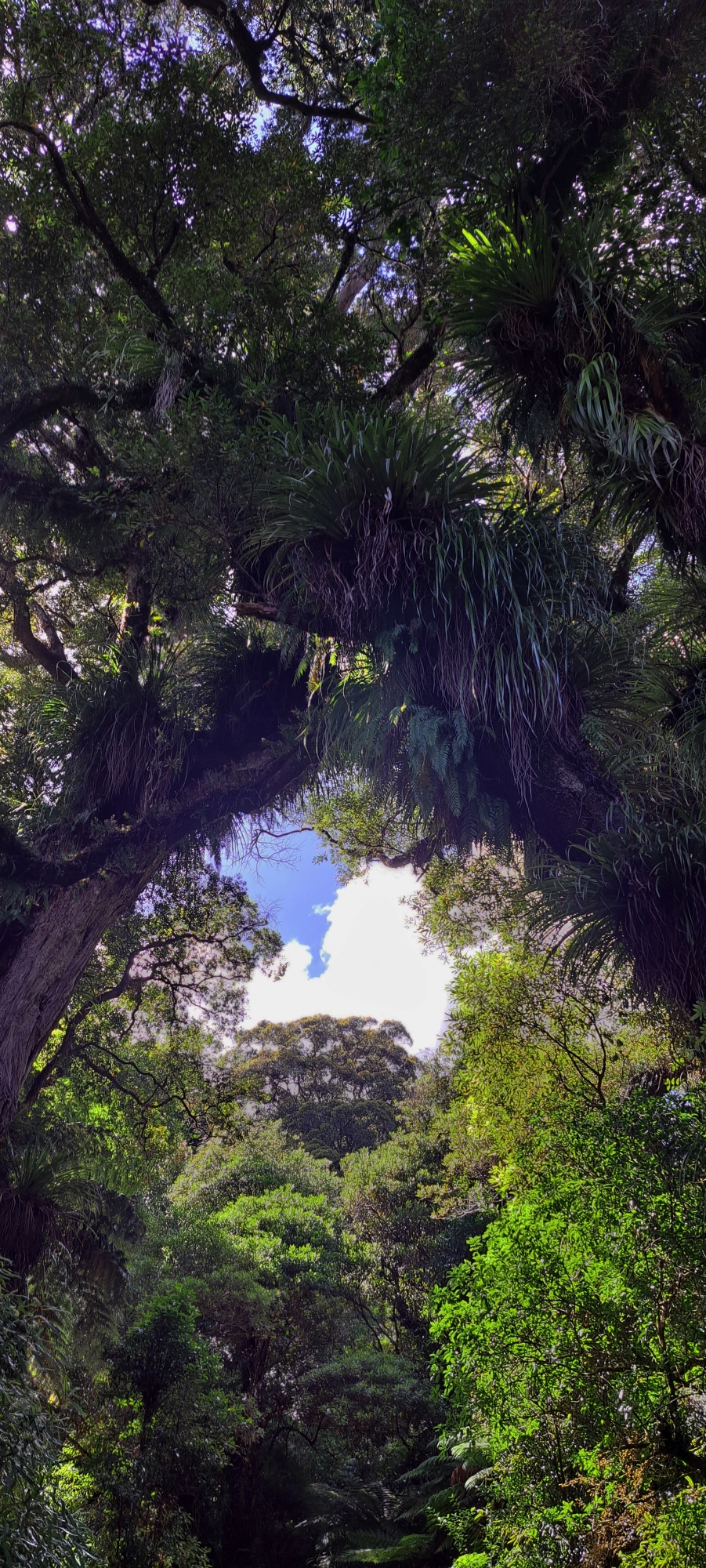
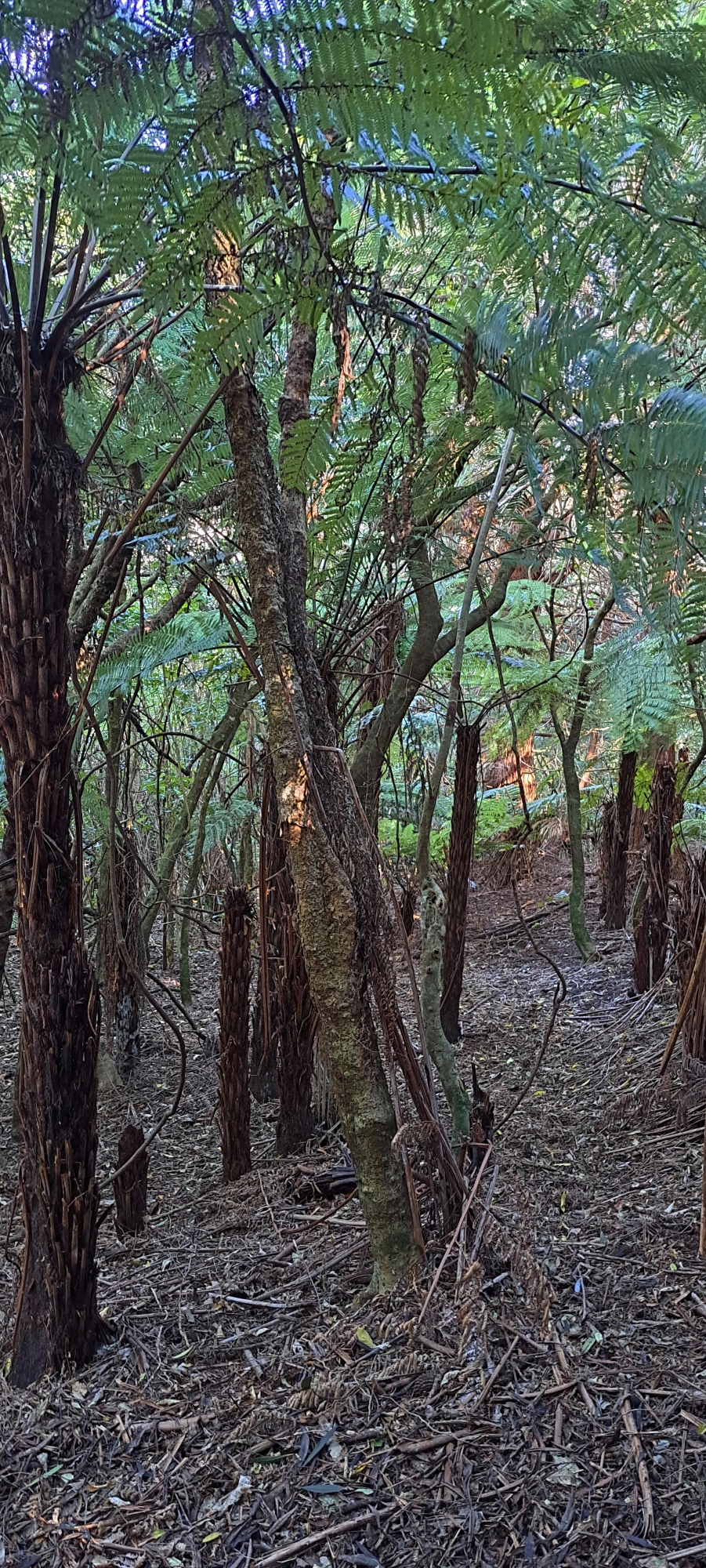
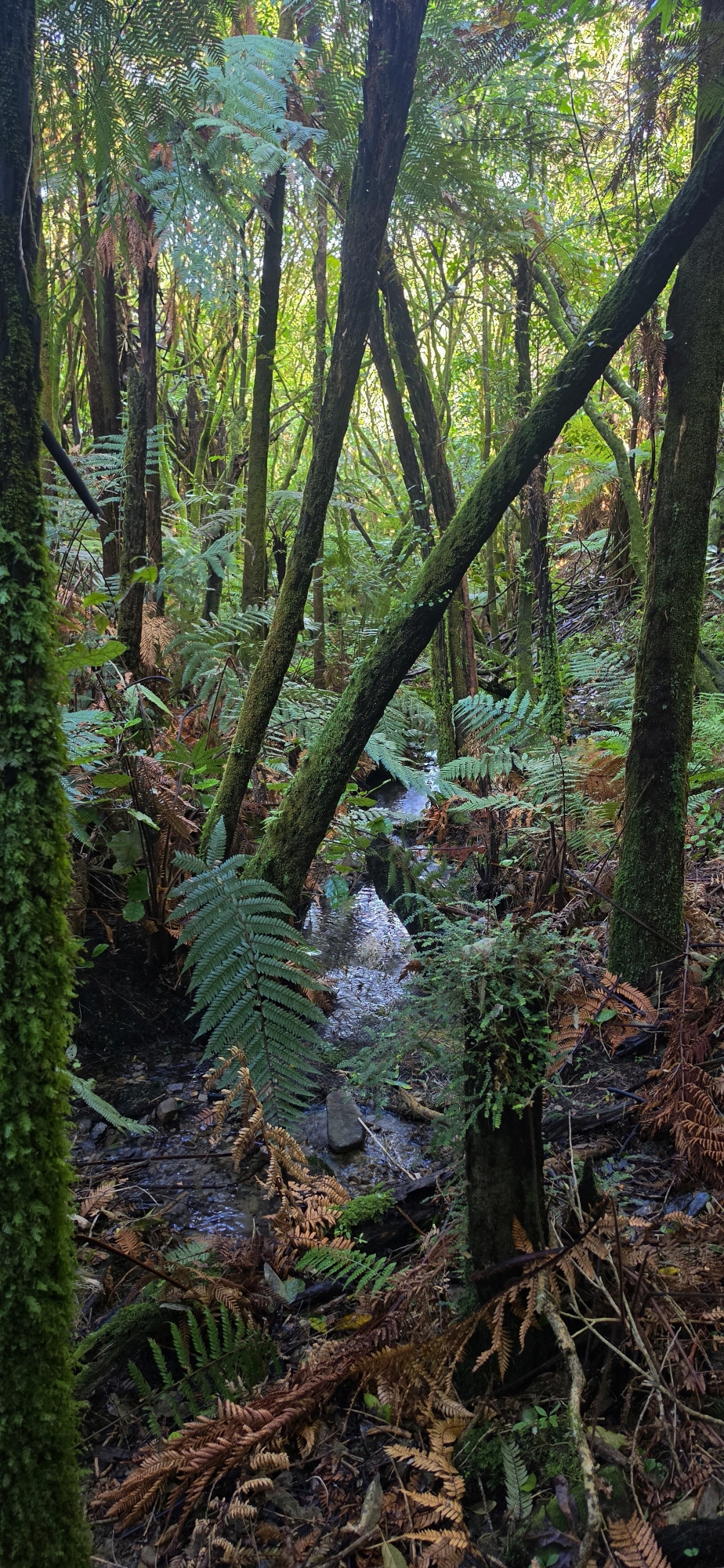
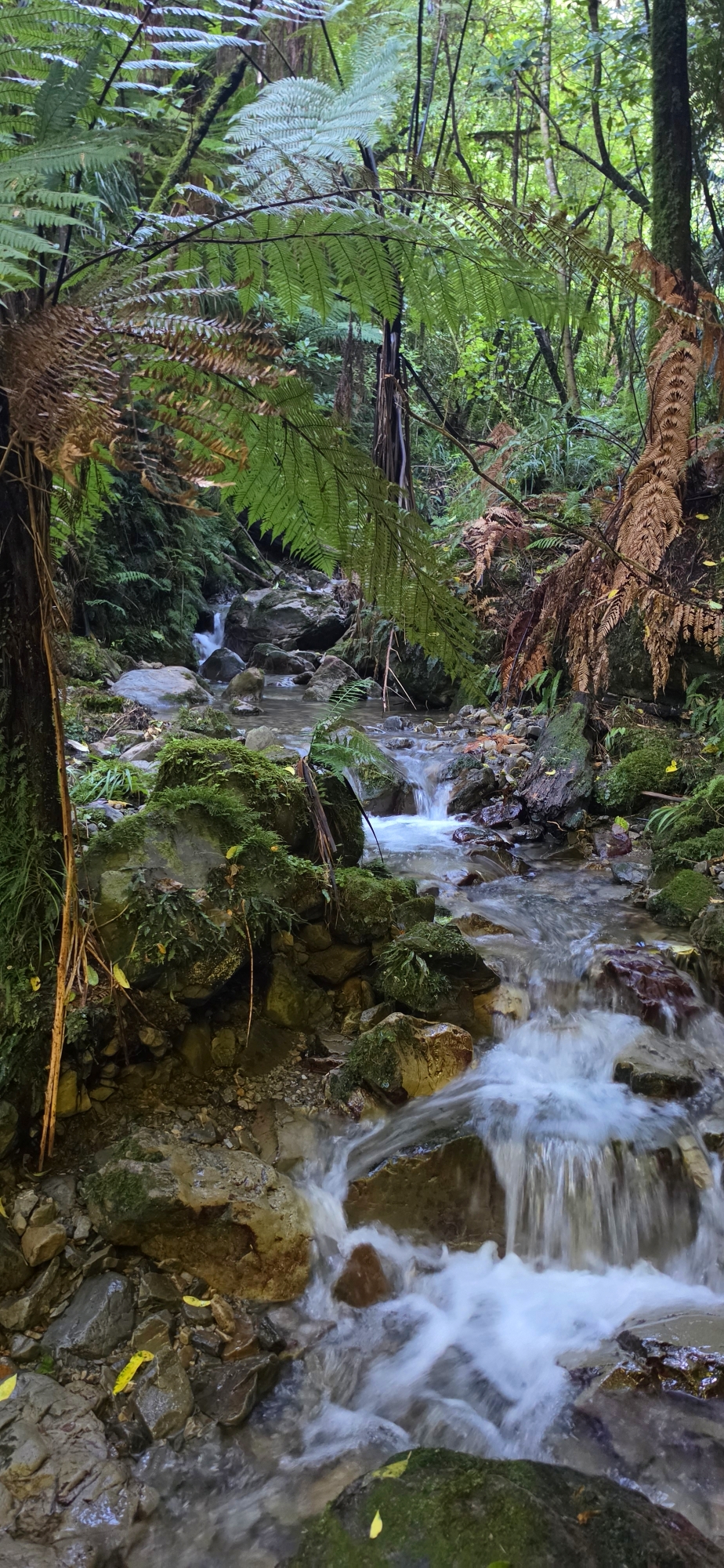
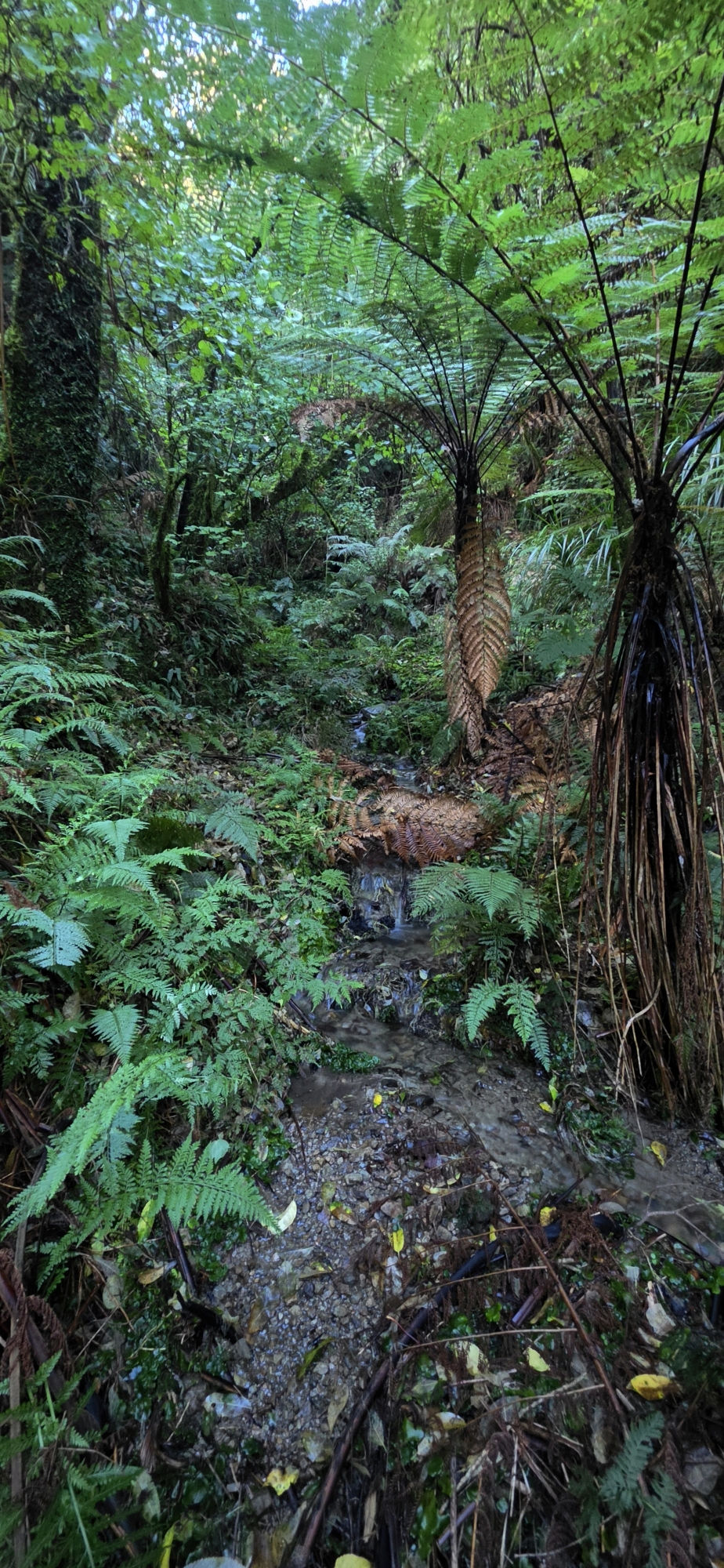
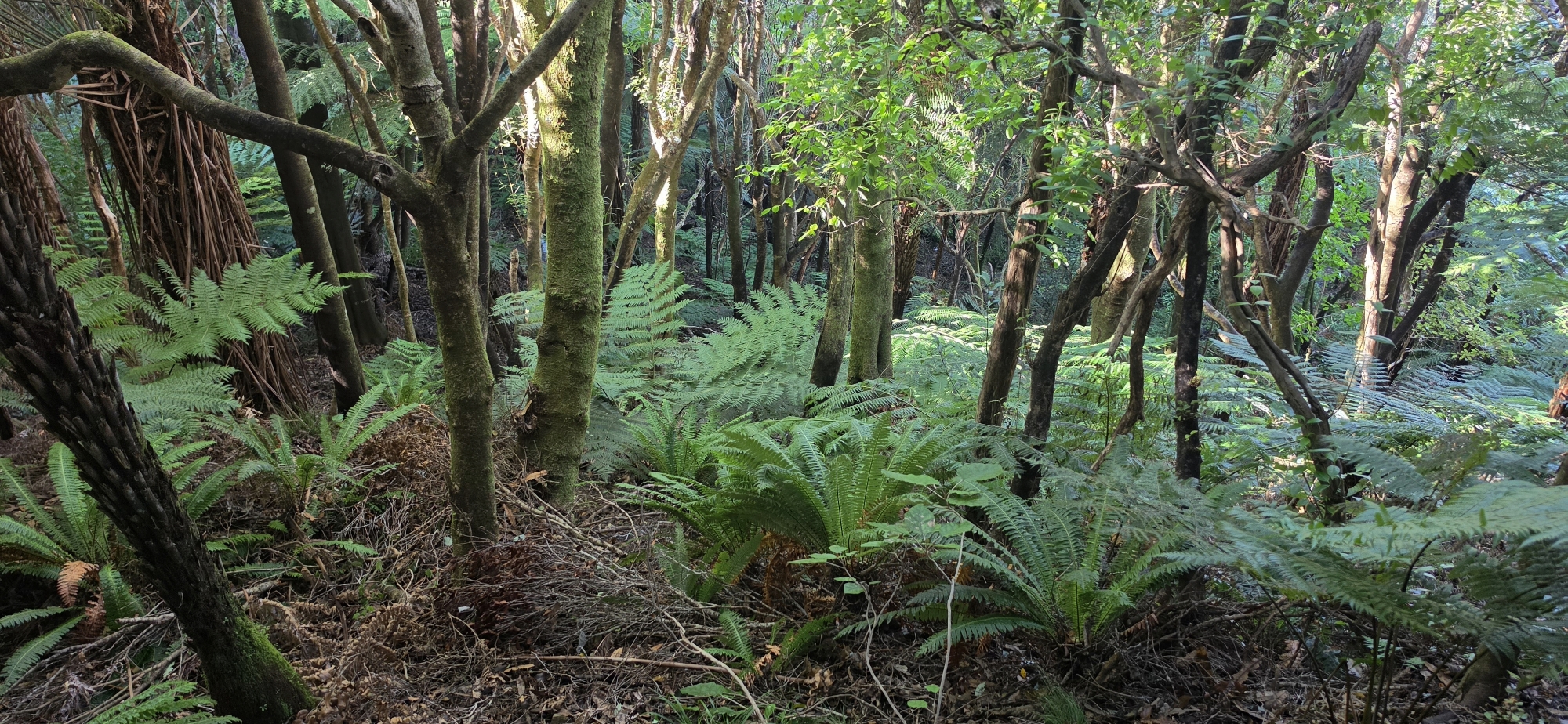
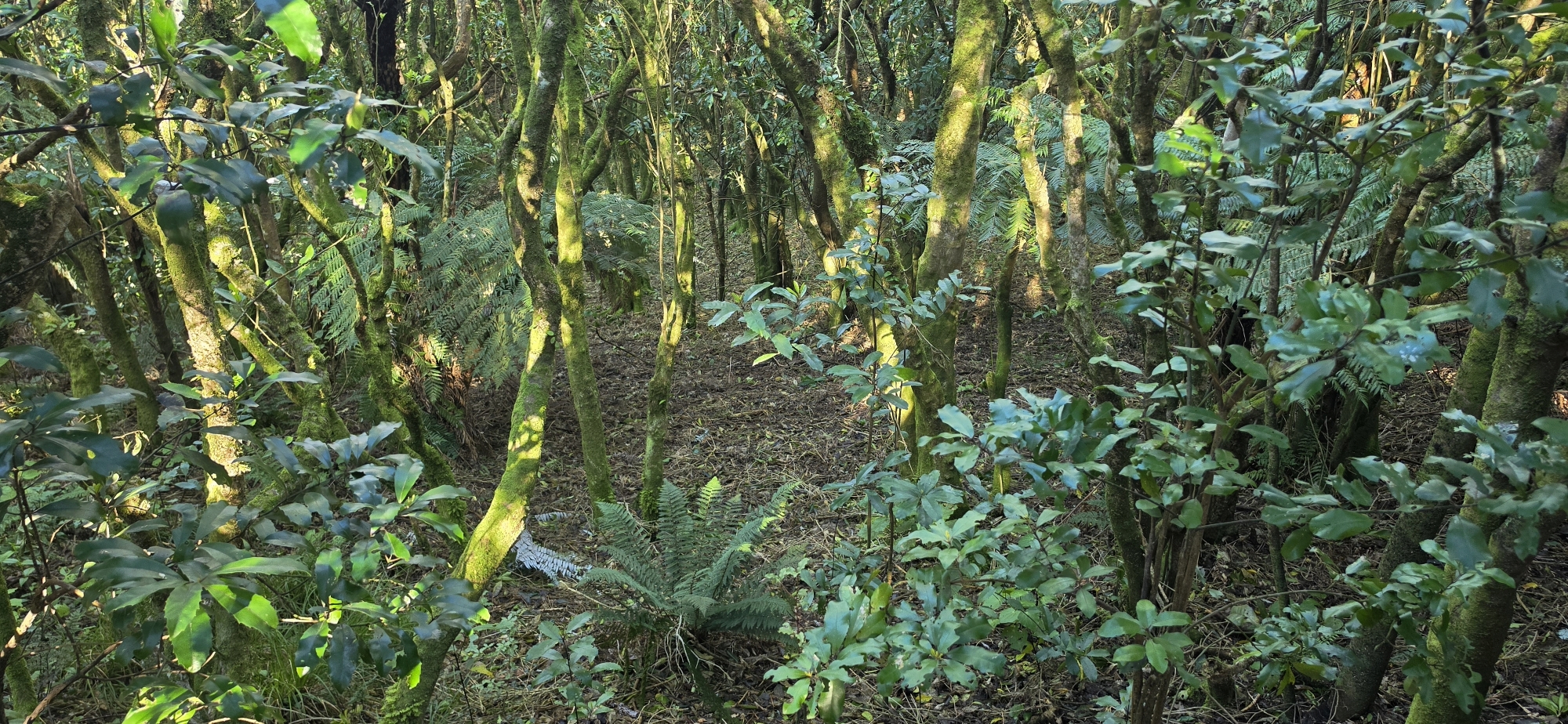
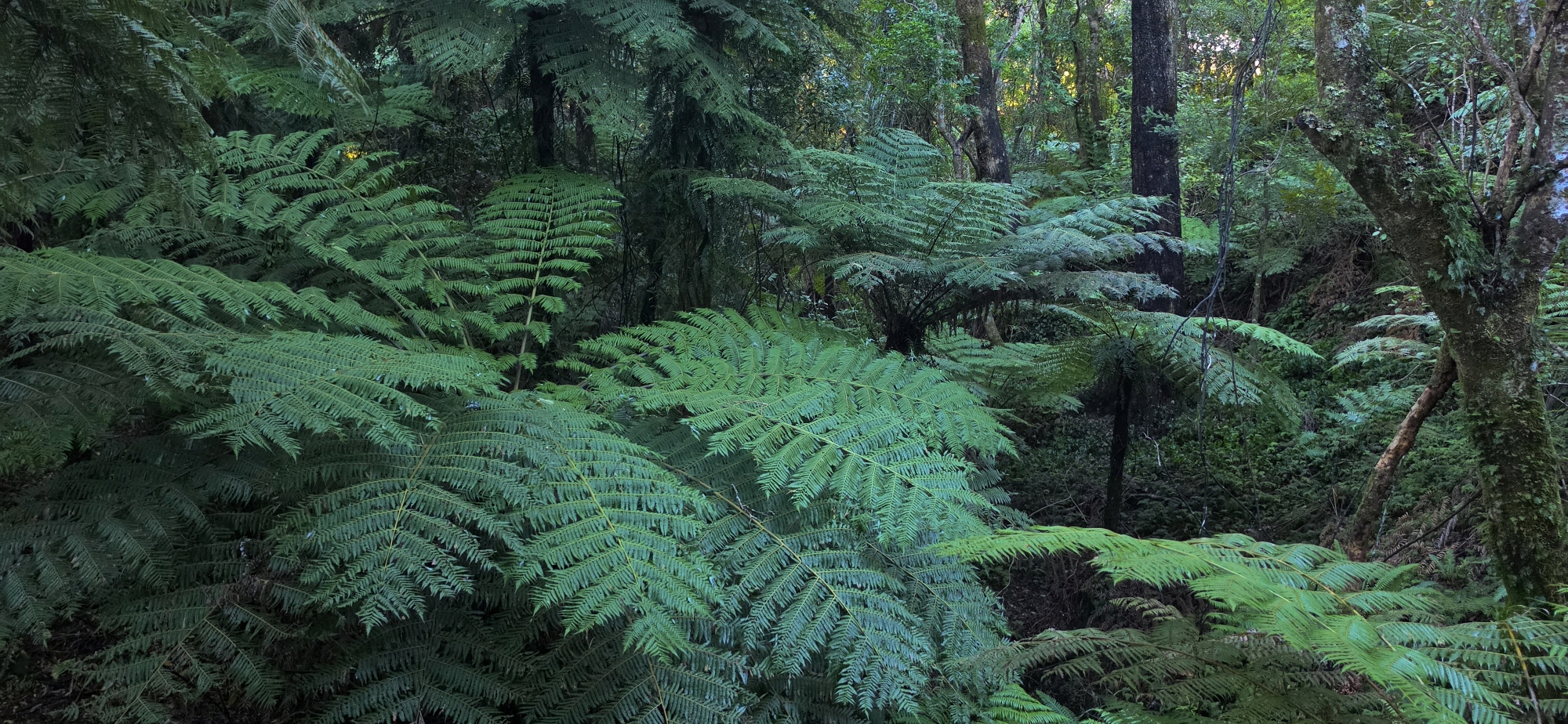
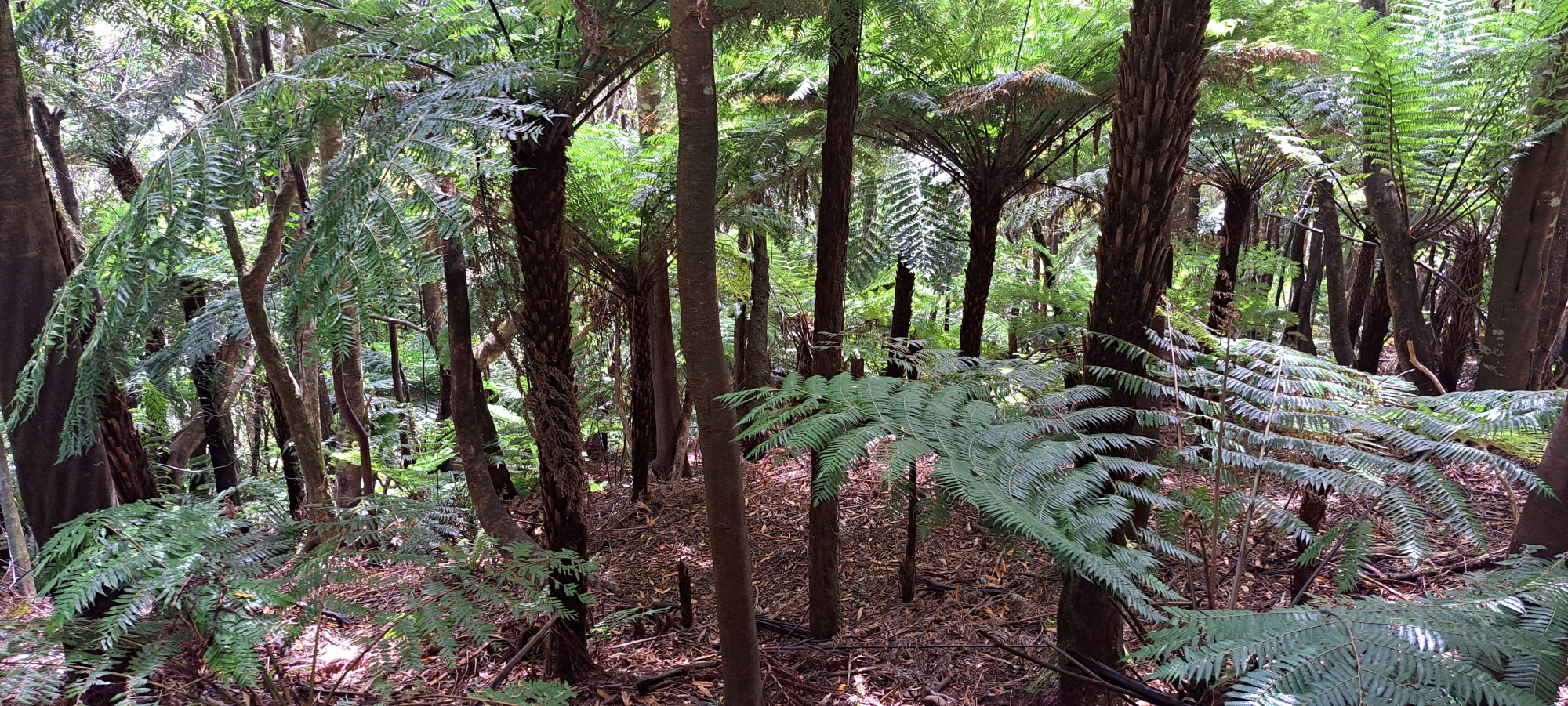
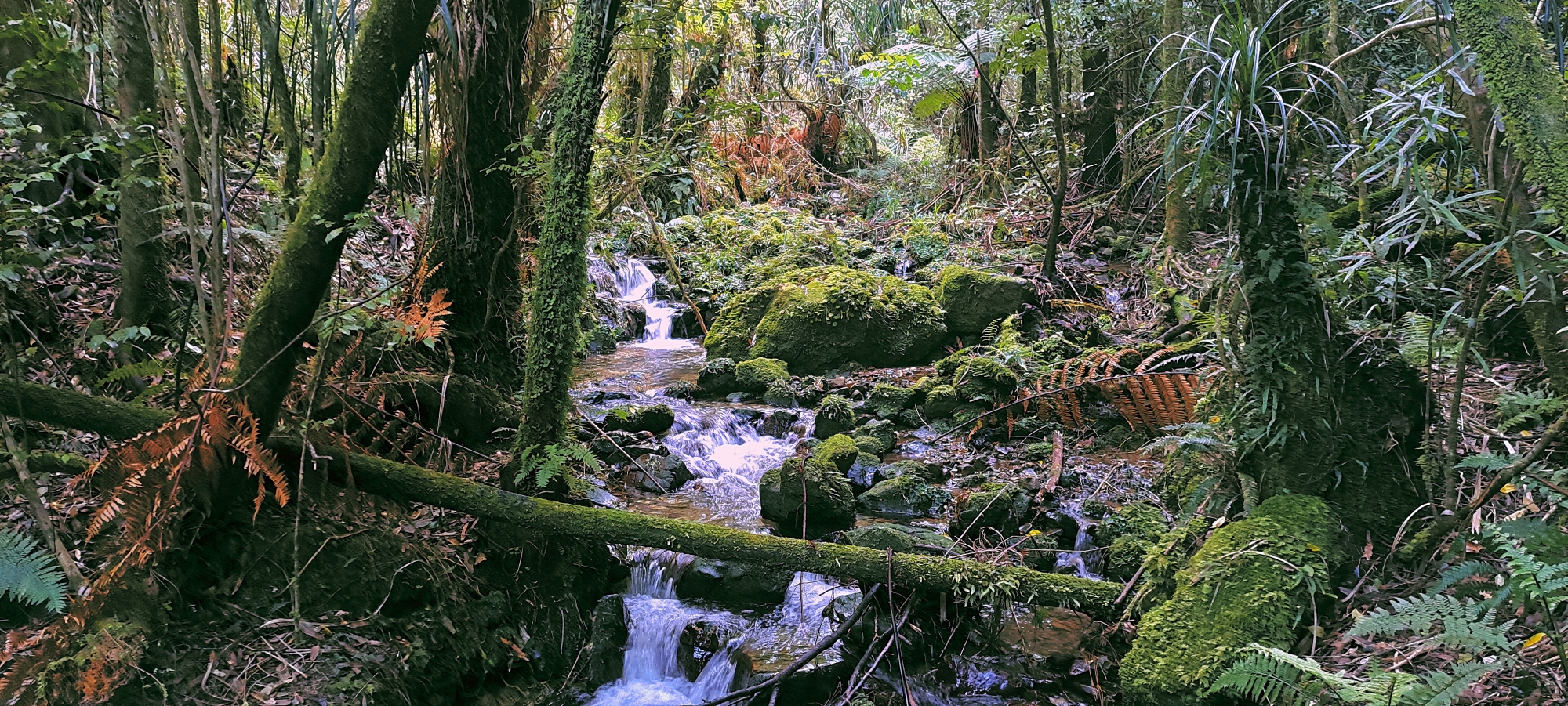
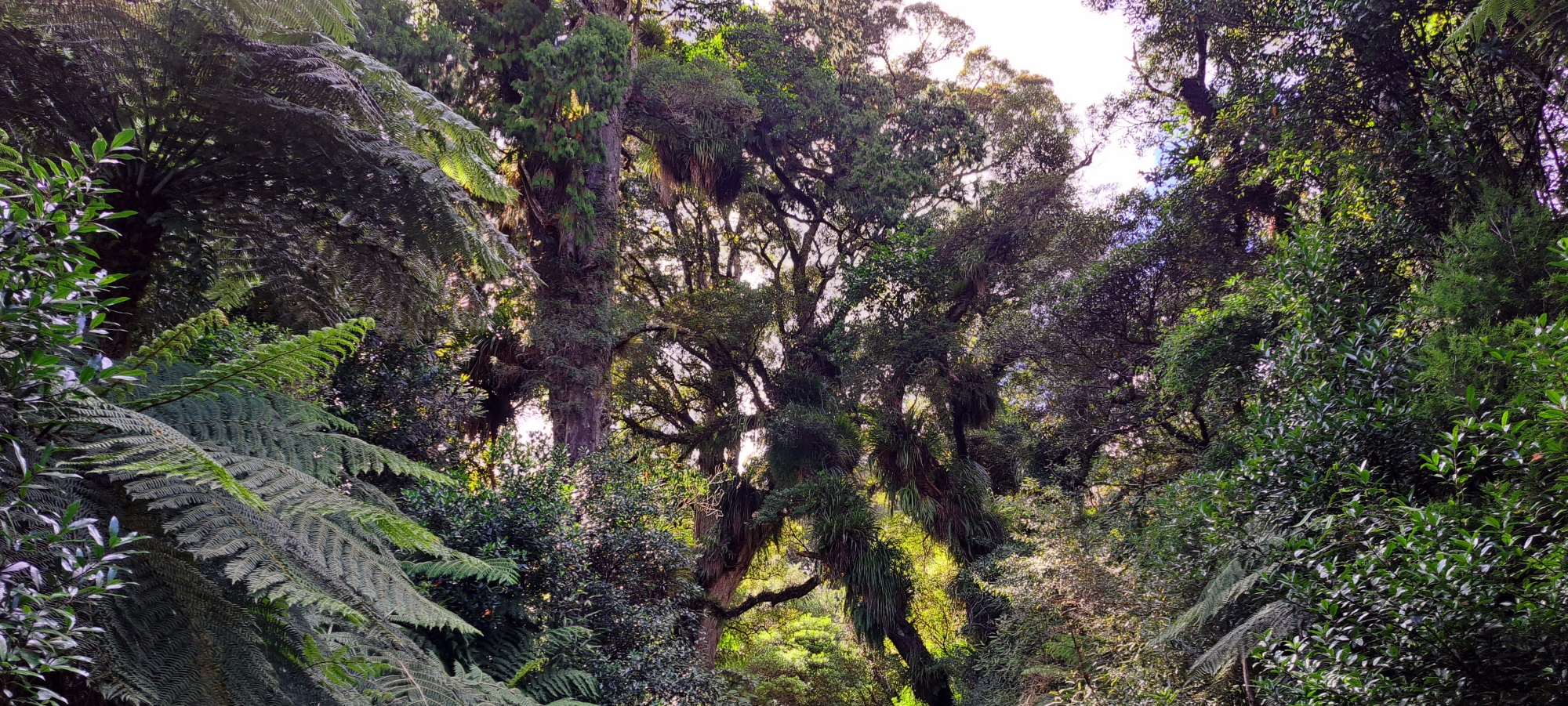
Broadleaf and tree fern forest consists of native broadleaf trees of varying sizes, growing amongst an abundance of tree ferns, such as mamaku, whekī and kātote. It is particularly common in damp gullies, sheltered valleys and areas of regenerating forest.
This forest contrasts with the podocarp forests of sheltered valleys and the beech forests of higher hills and ridges. Its dense tree ferns create a cool, humid environment beneath a layered canopy, often giving the forest a distinctly prehistoric appearance.
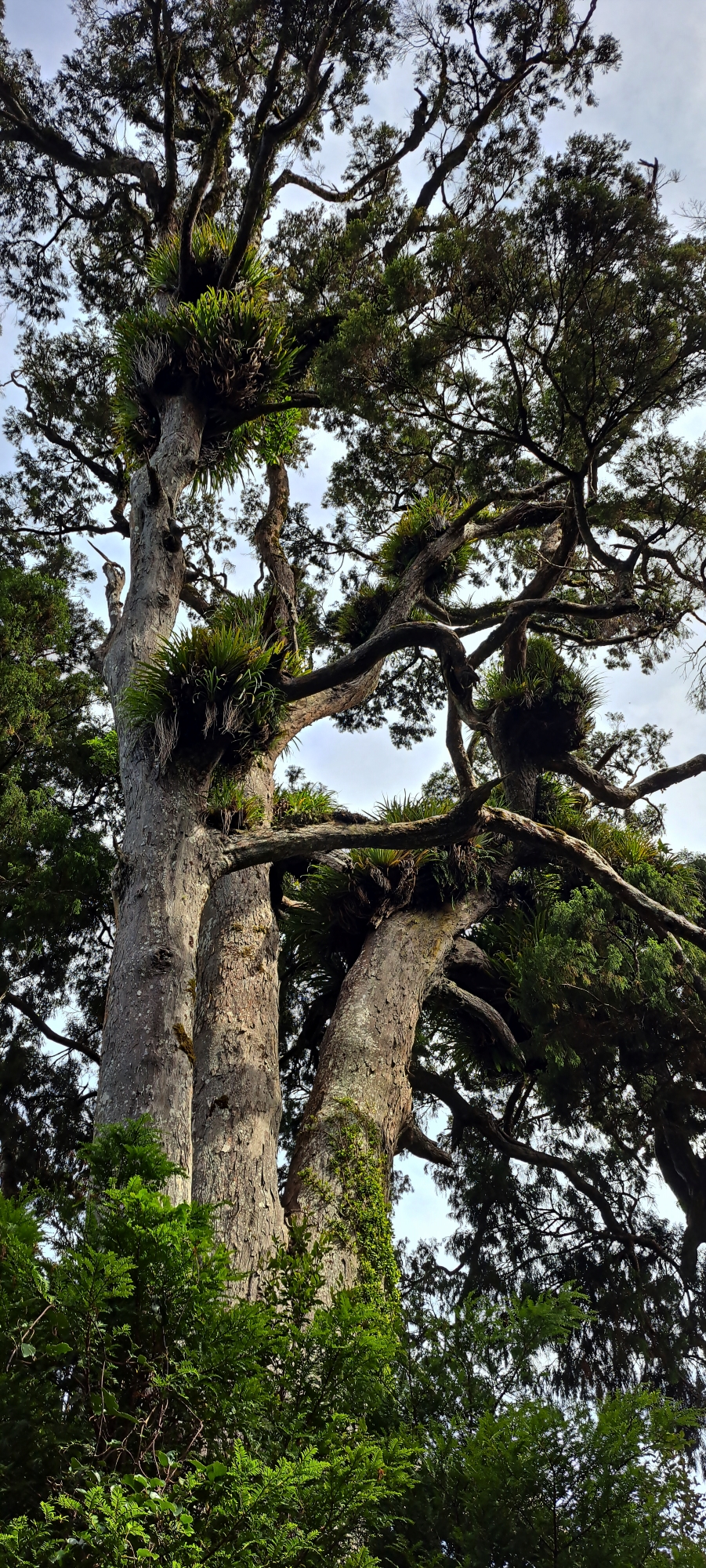
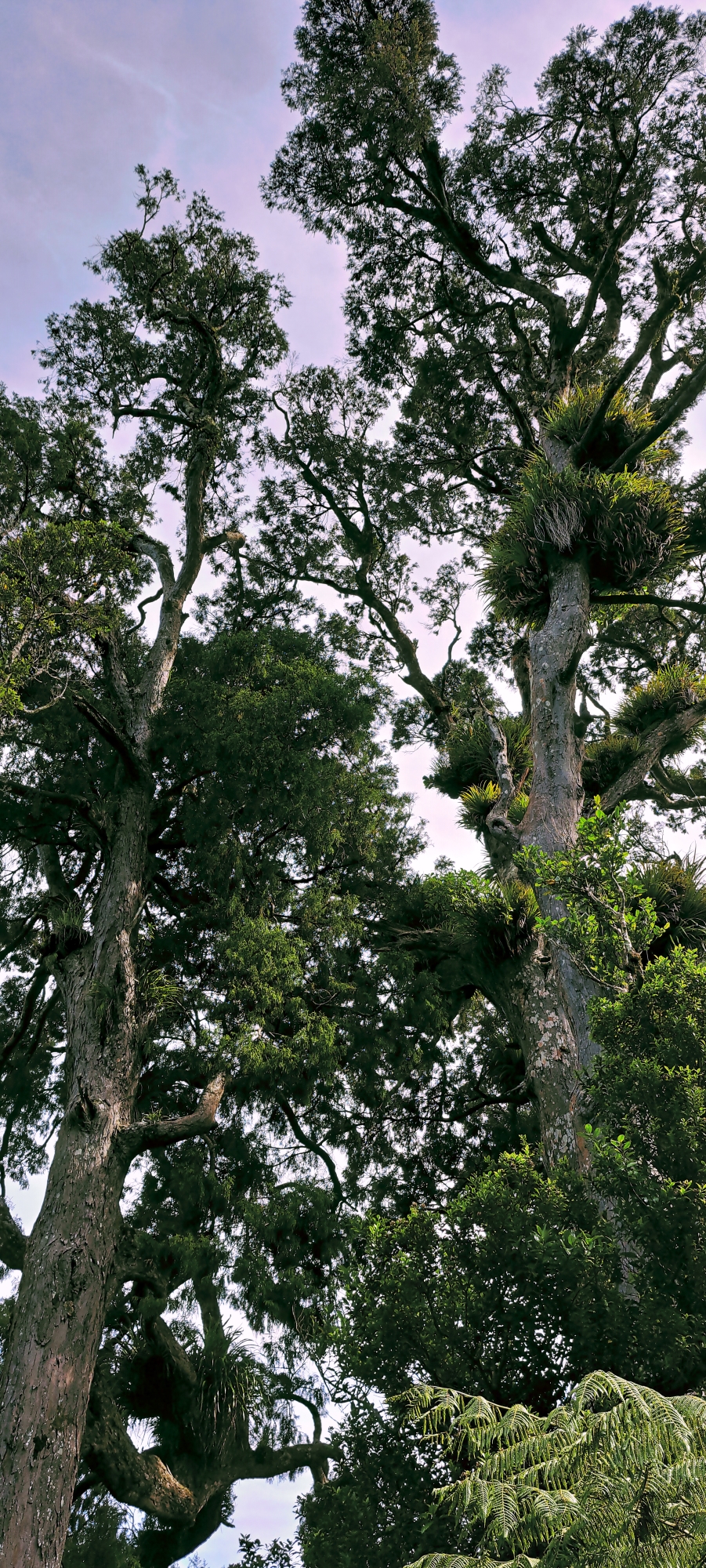
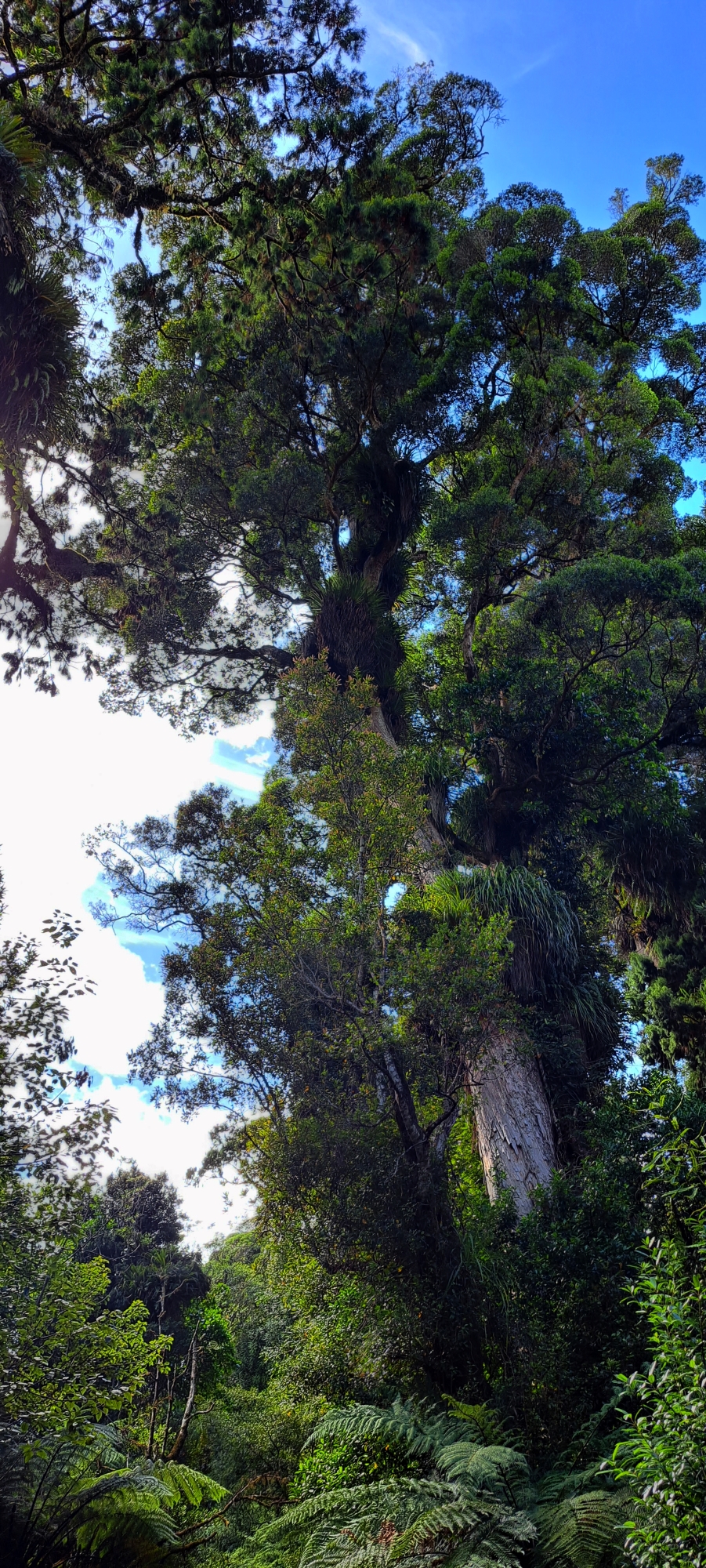
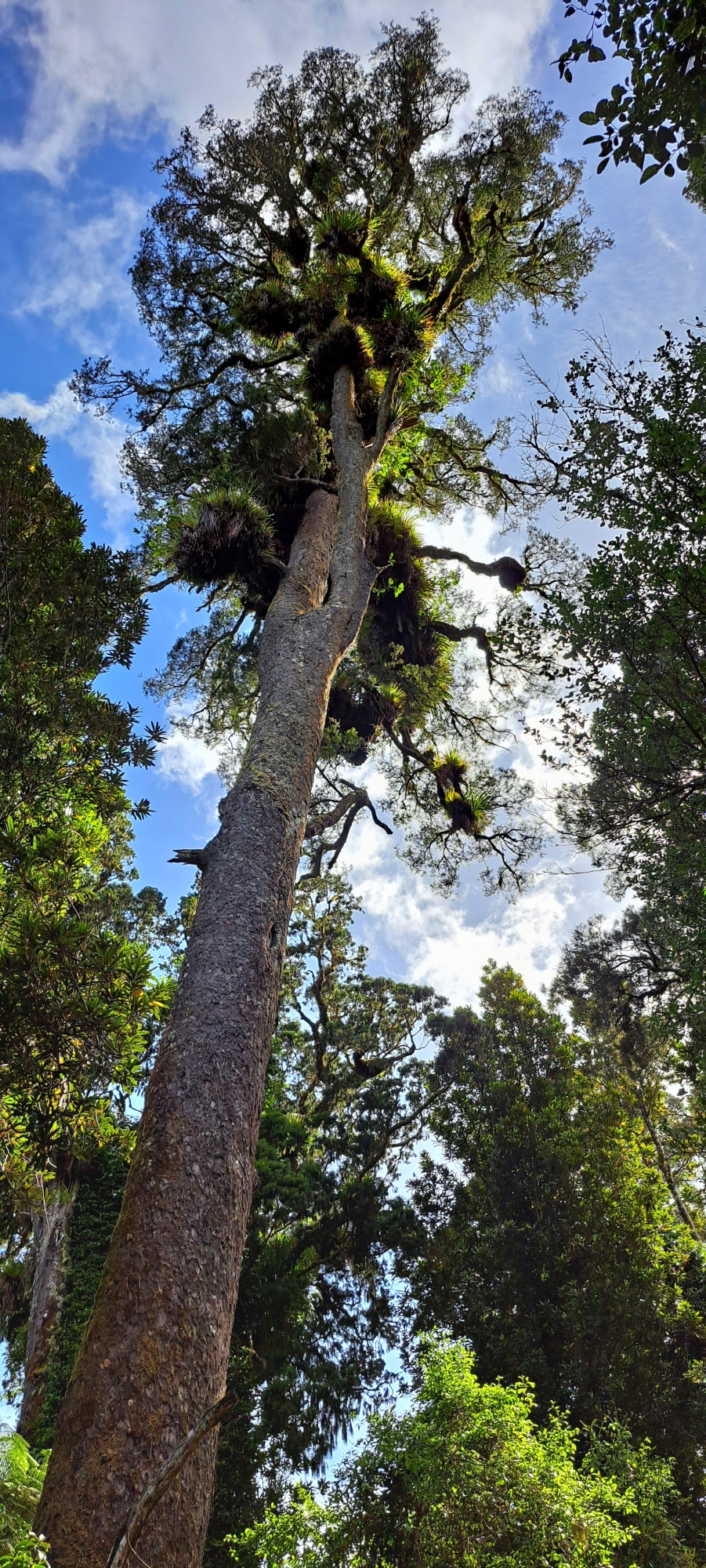
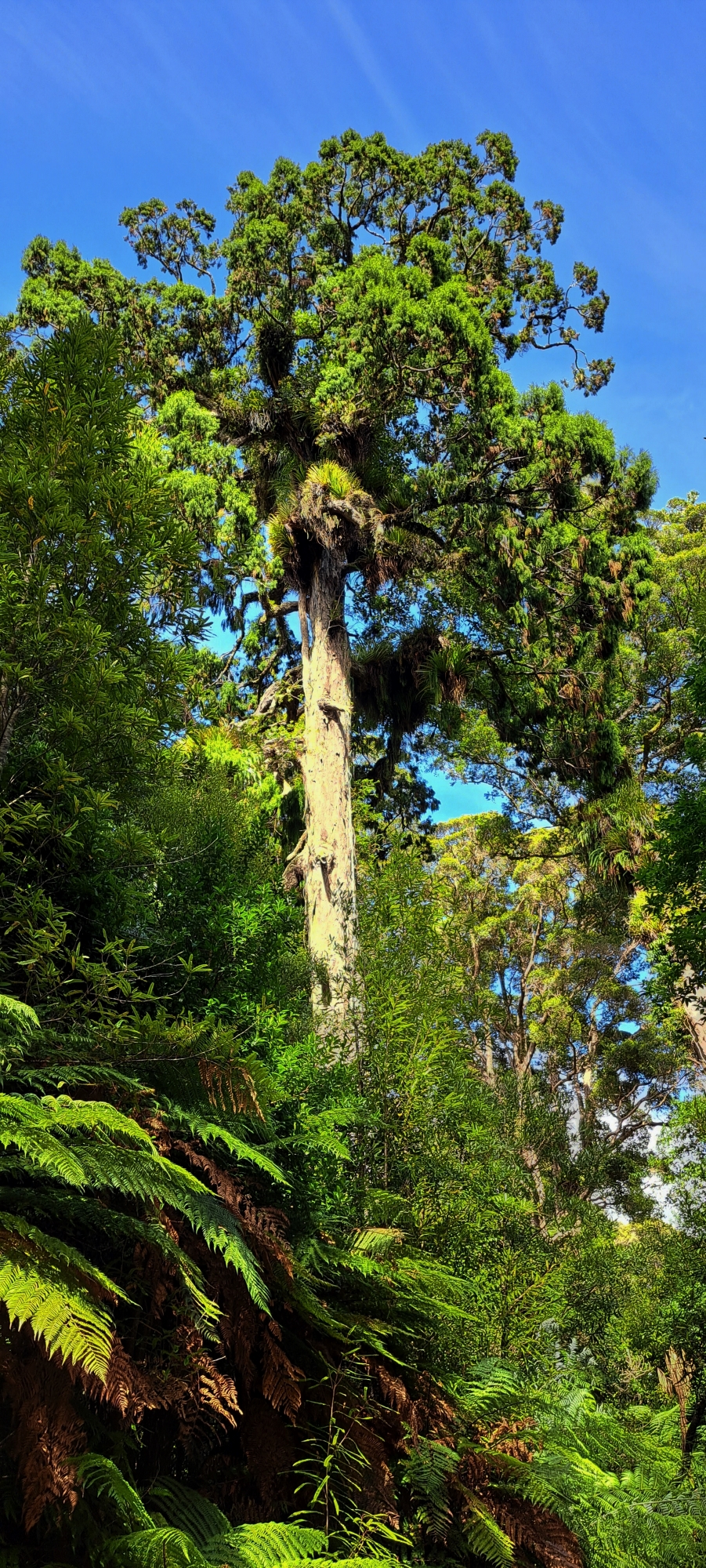
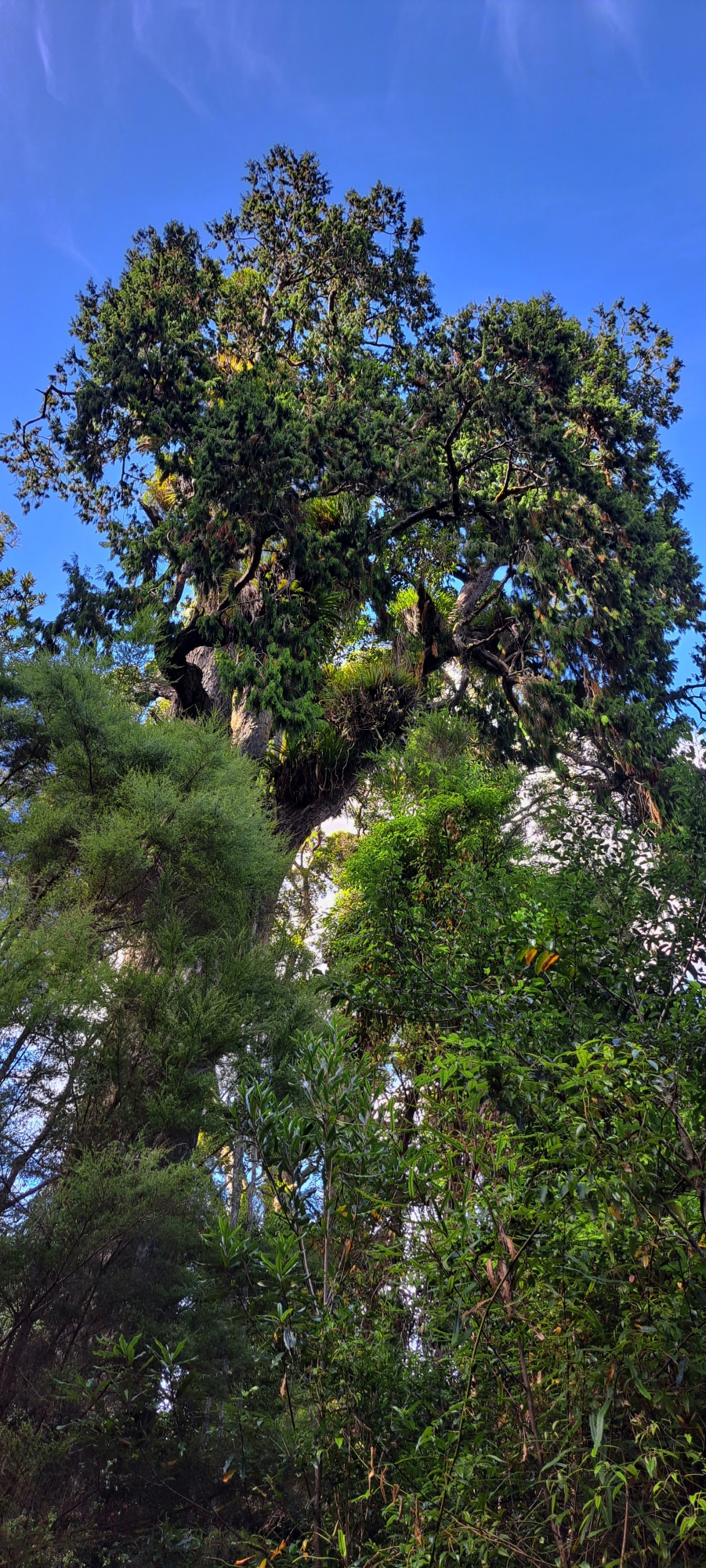
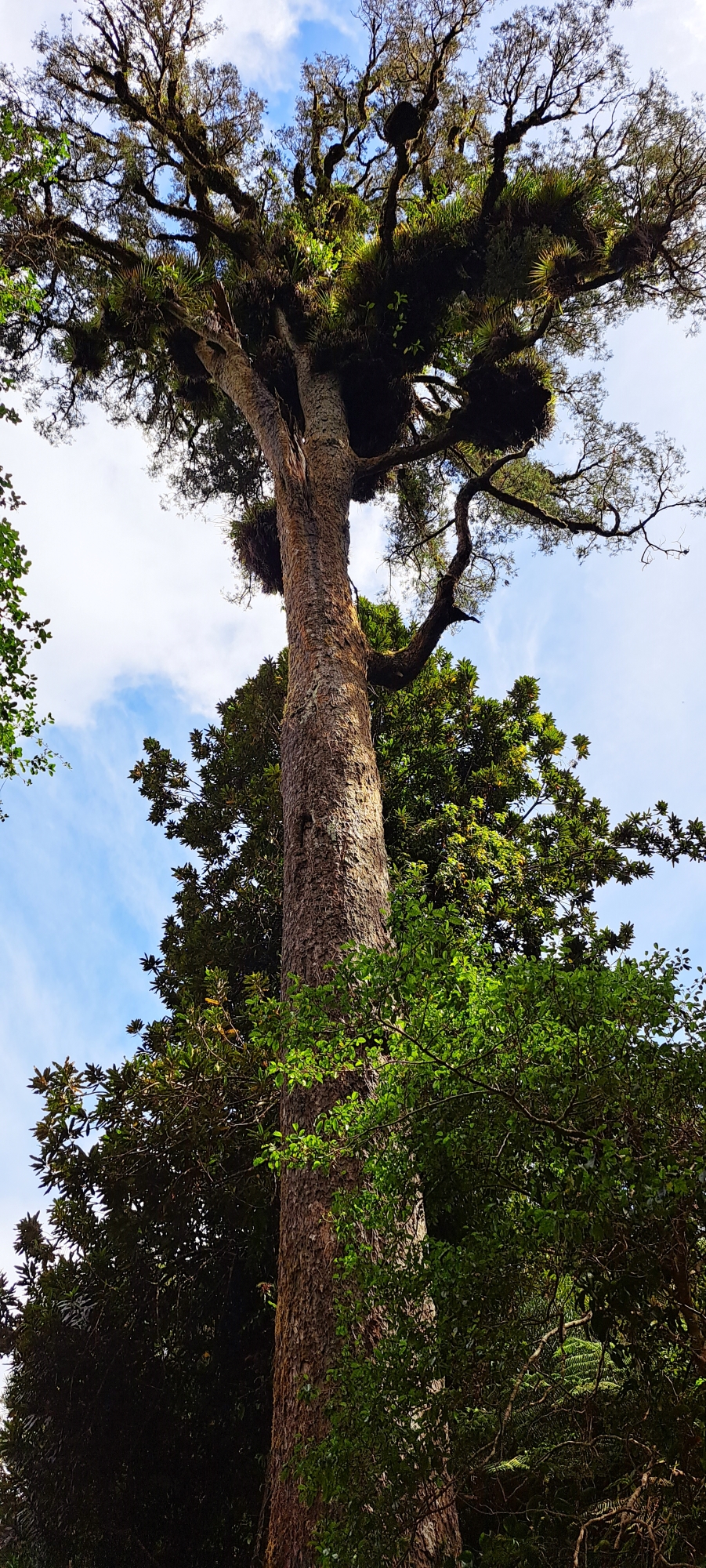
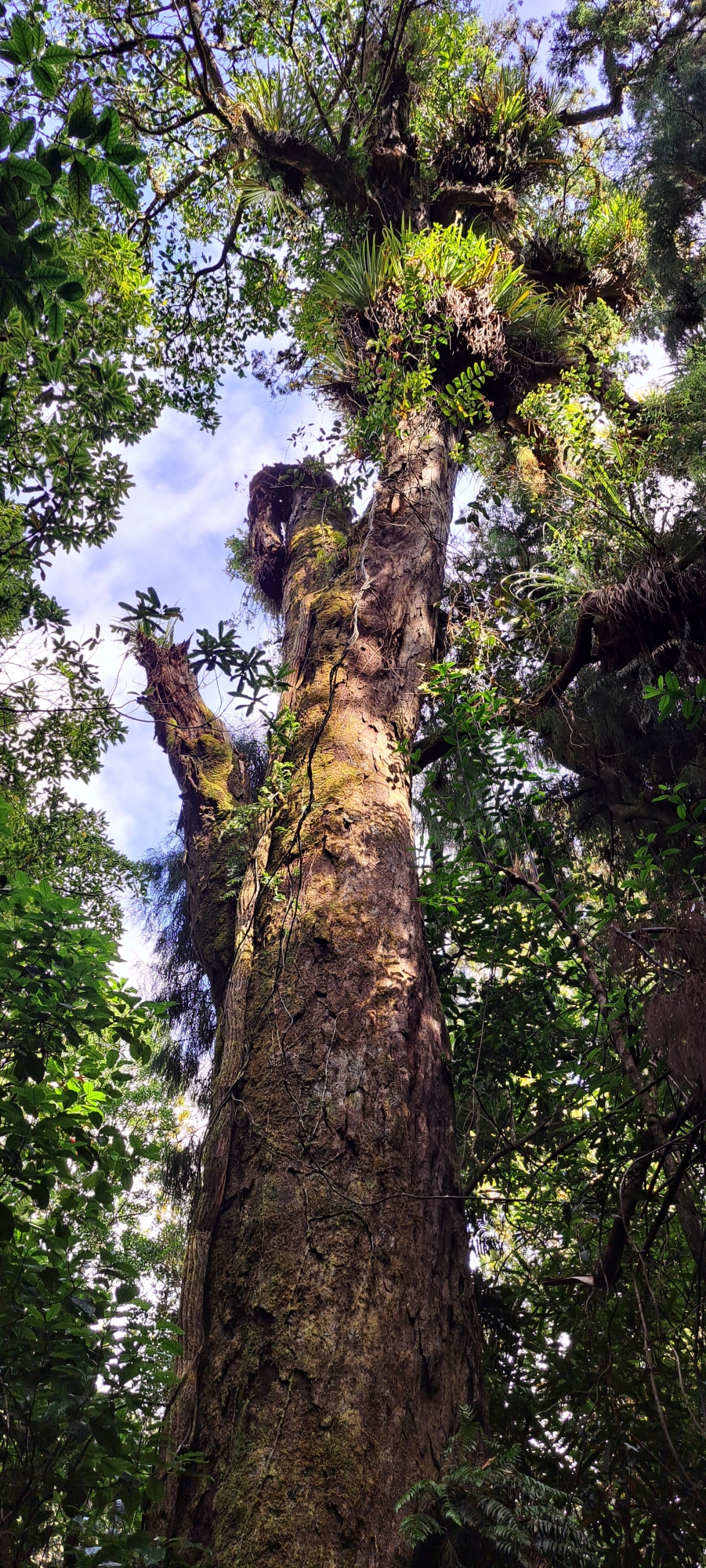
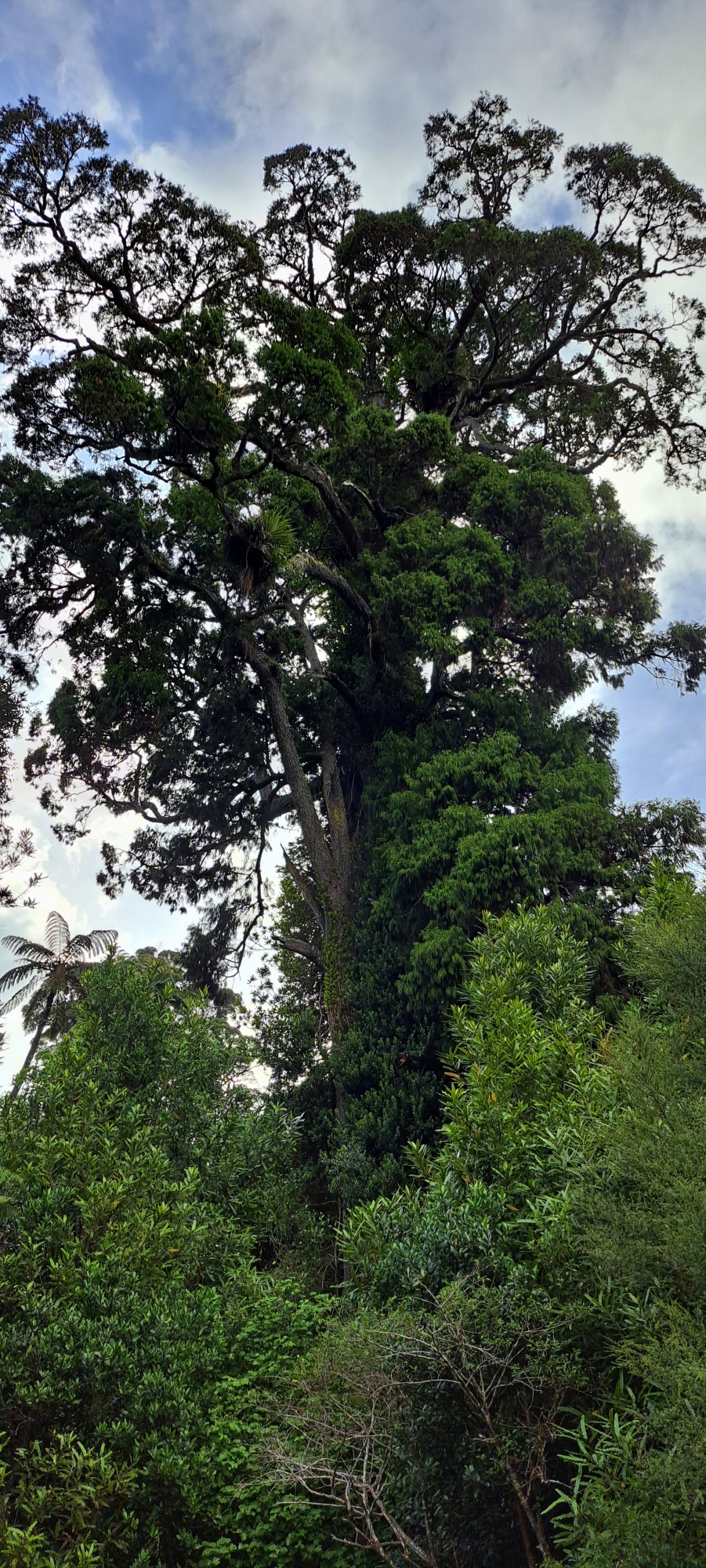
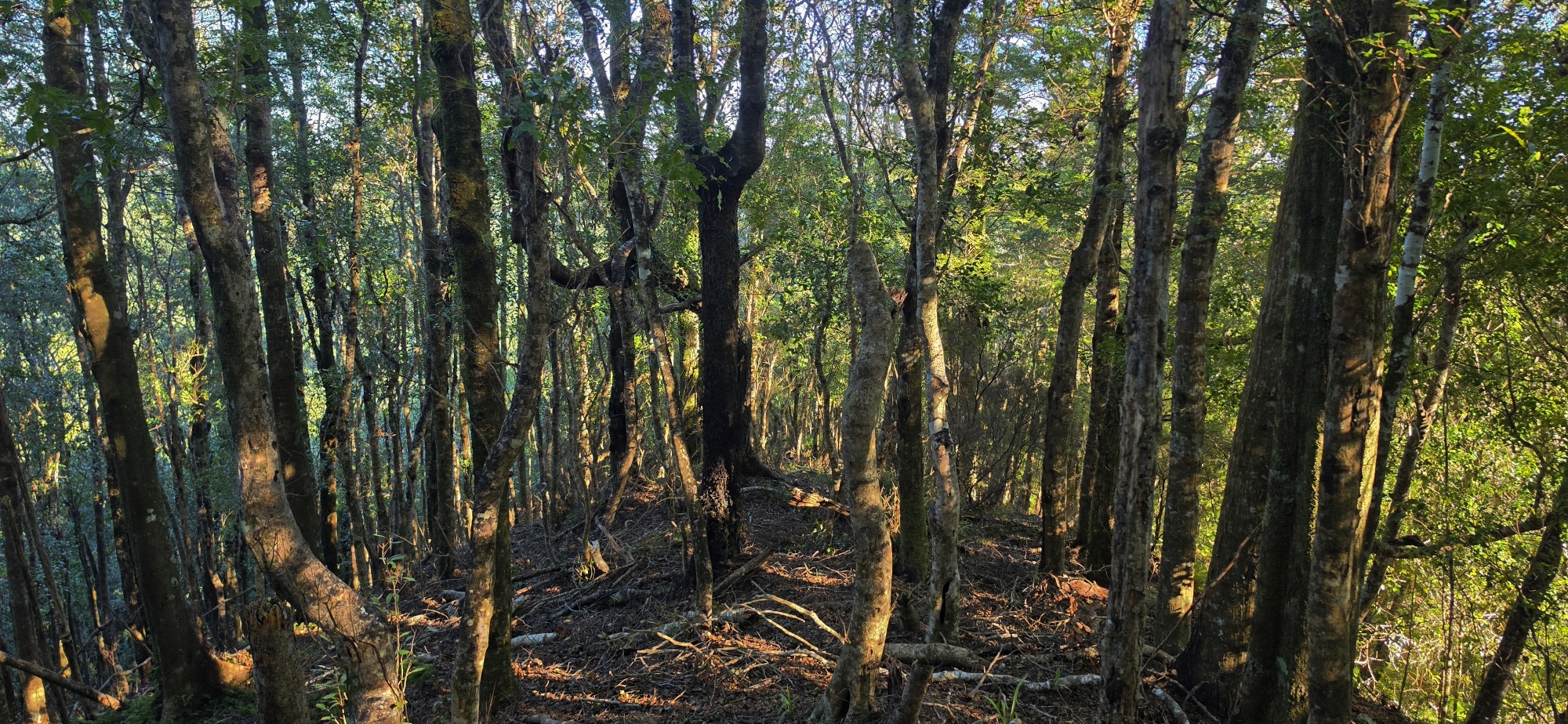
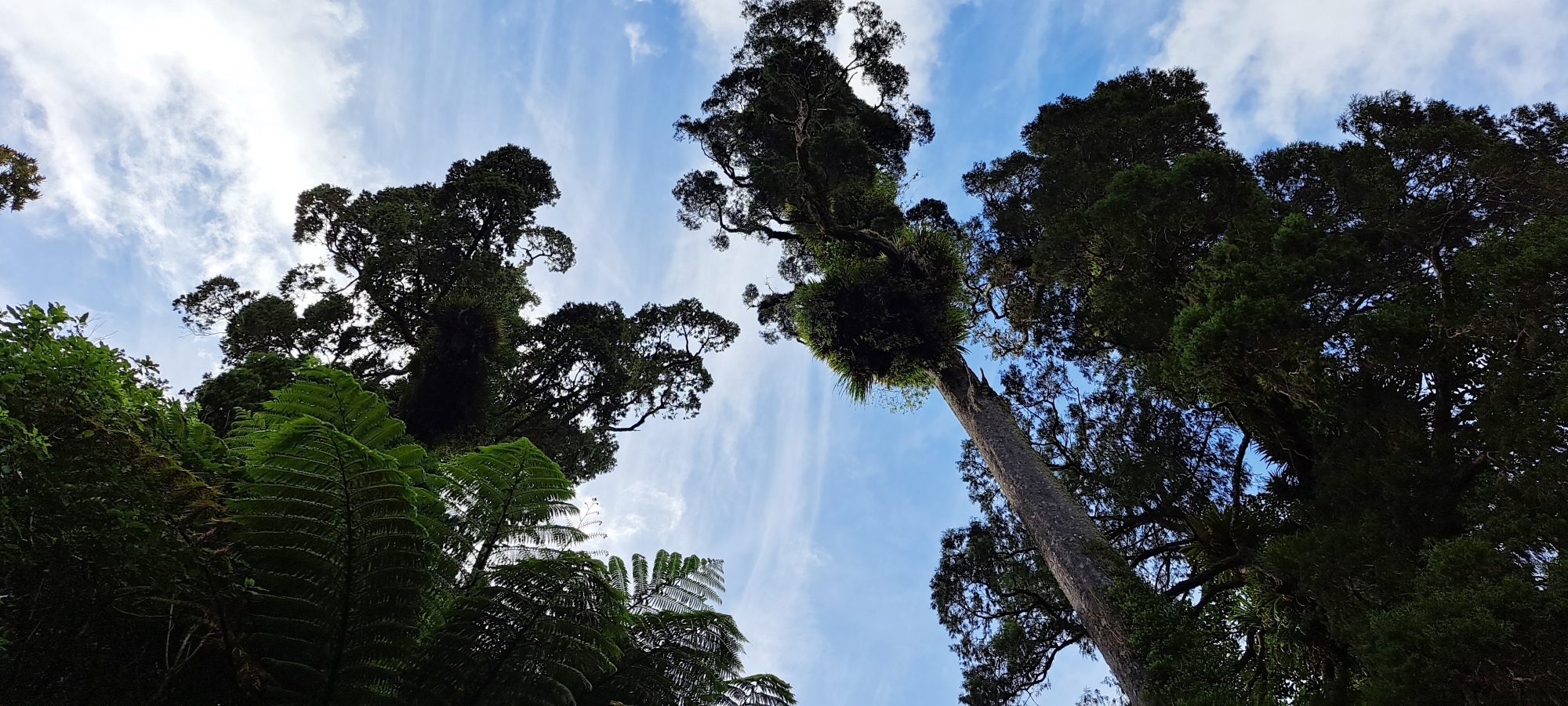
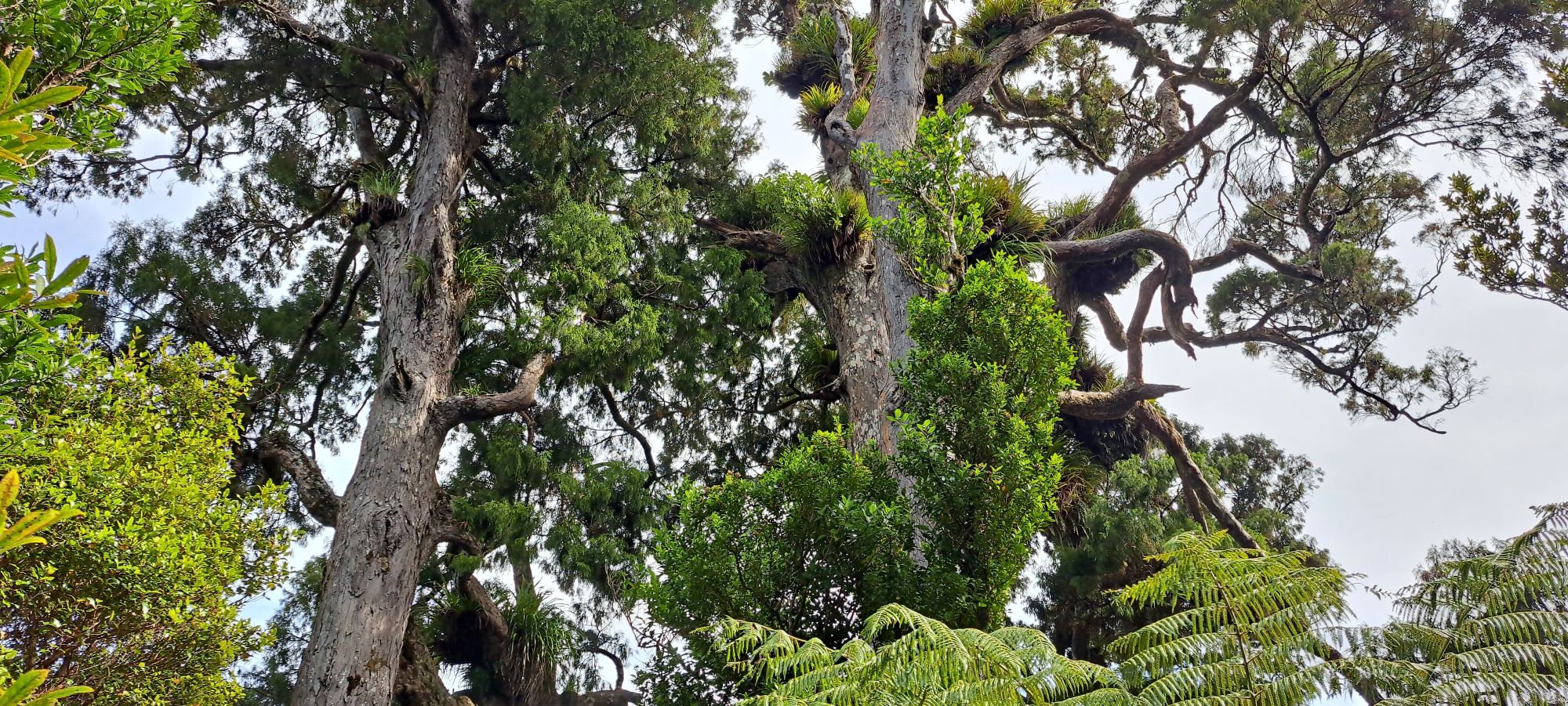
Although it generally lacks the towering rimu and other large trees of Wainuiomata’s oldest forests (with the exception of Rātā), broadleaf and tree fern forest provides important habitat for native birds, insects and plants and forms a significant part of the Northern Forest, Remutaka Forest Park, and other areas of Wainuiomata.
Broadleaf Trees
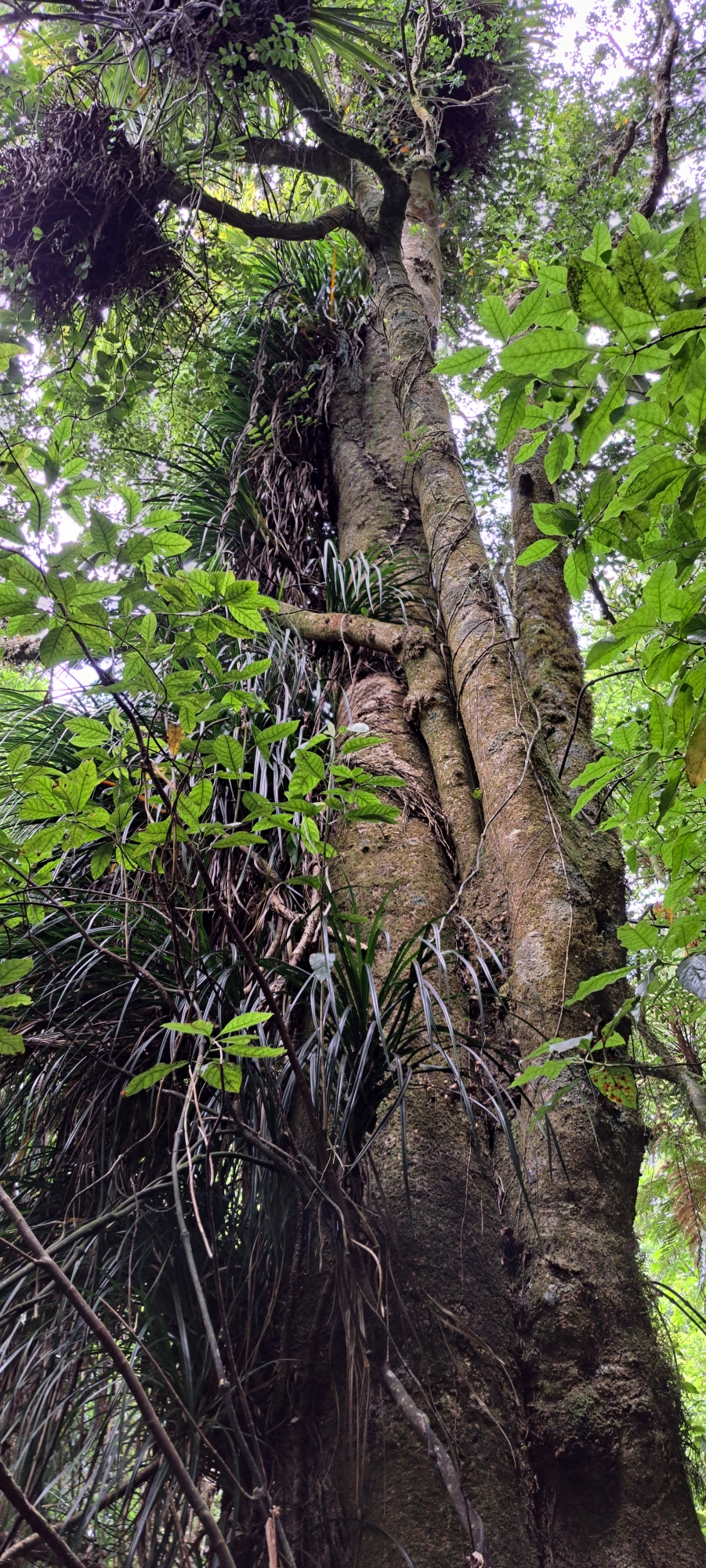
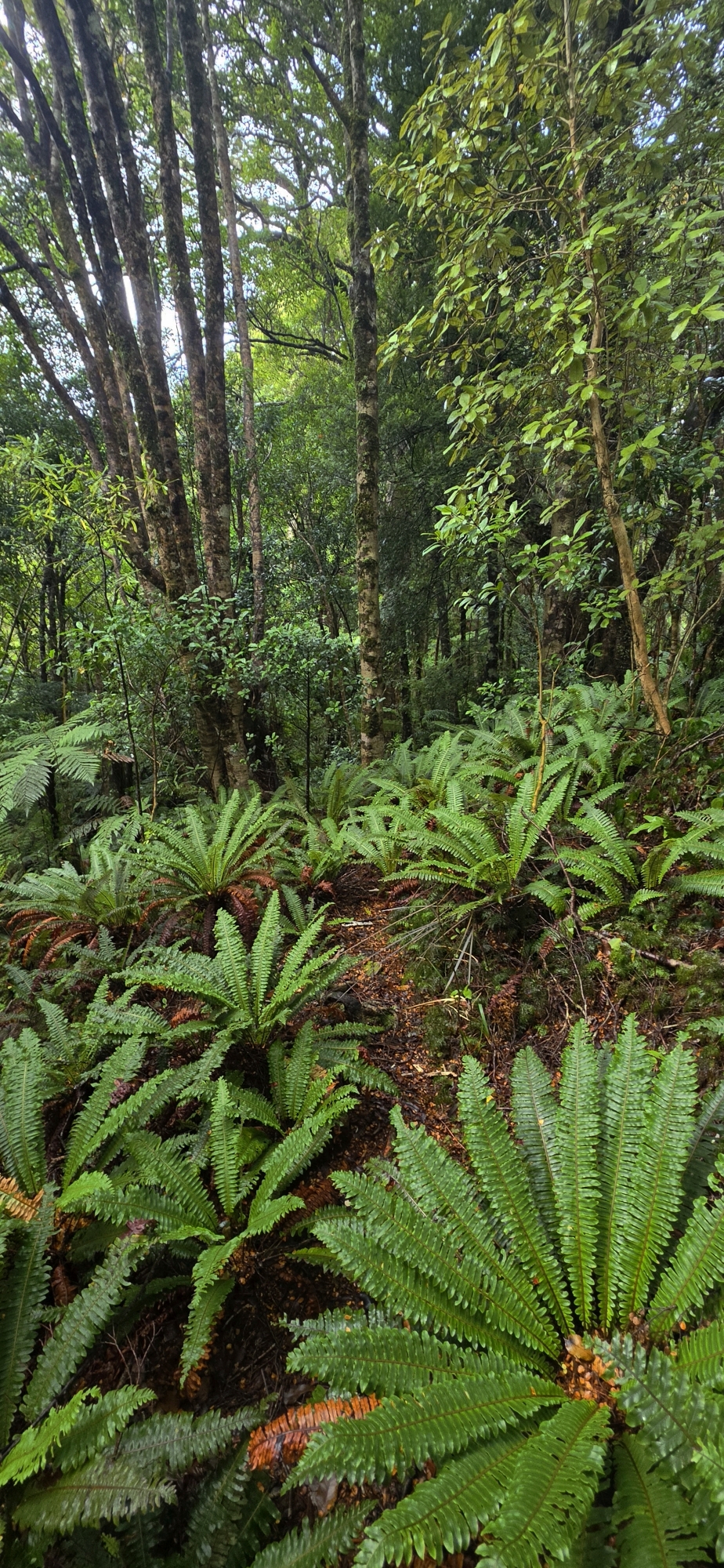
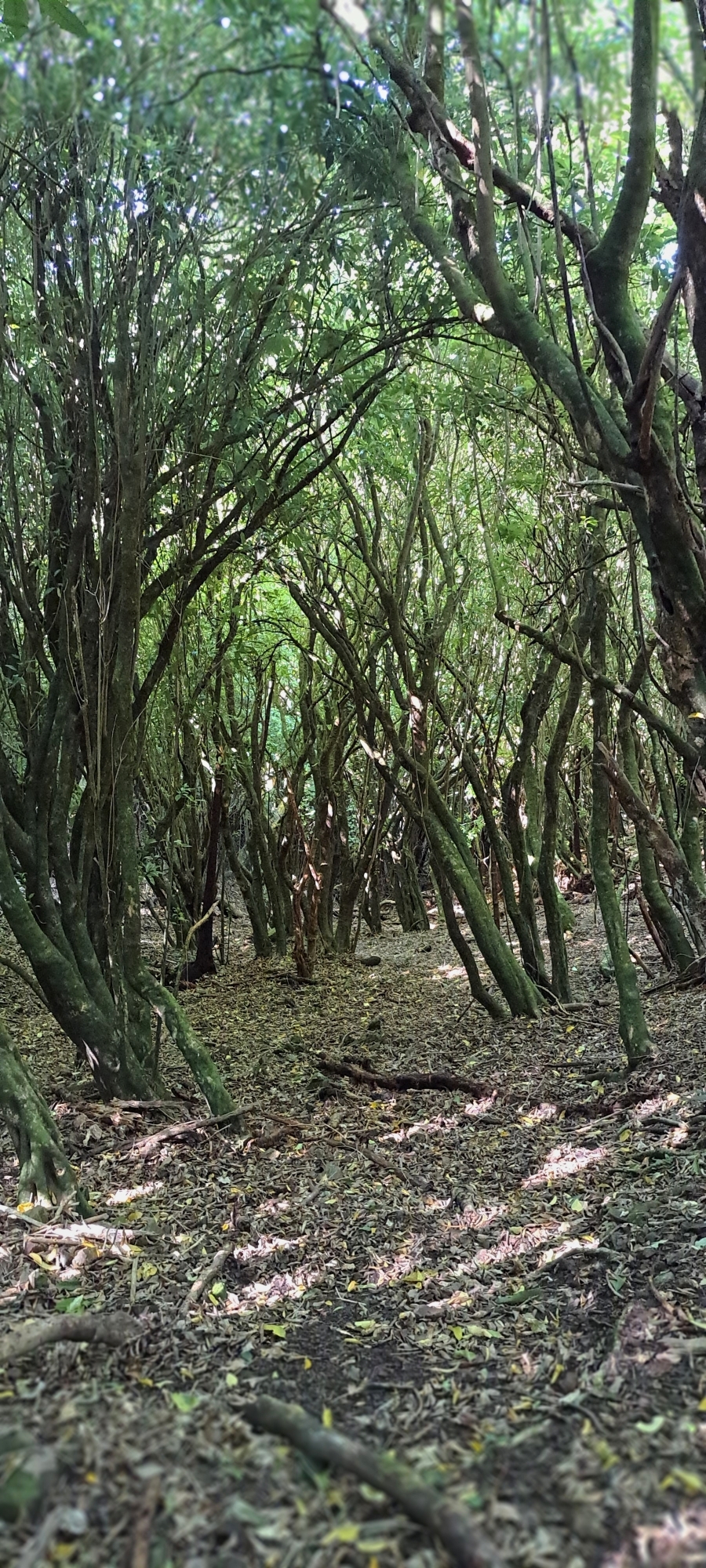
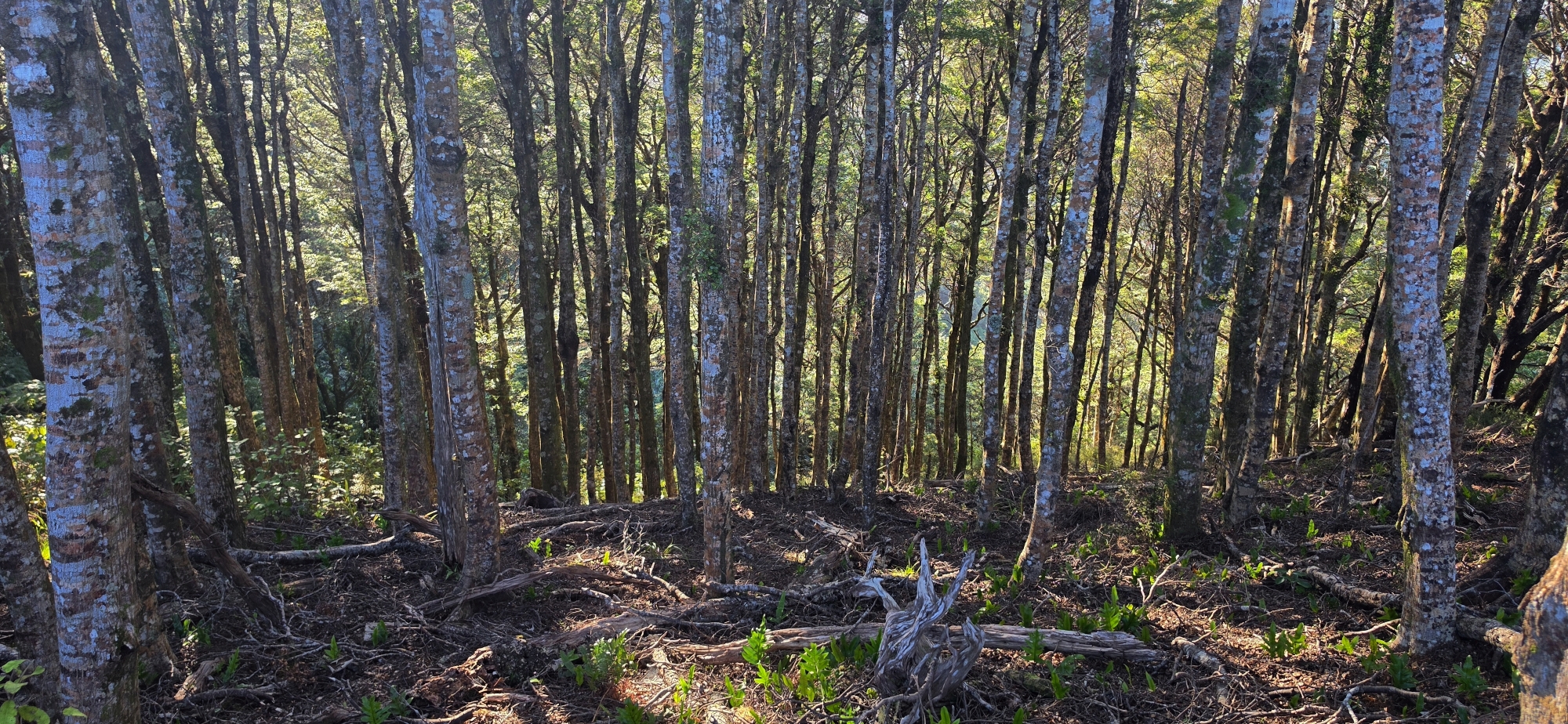
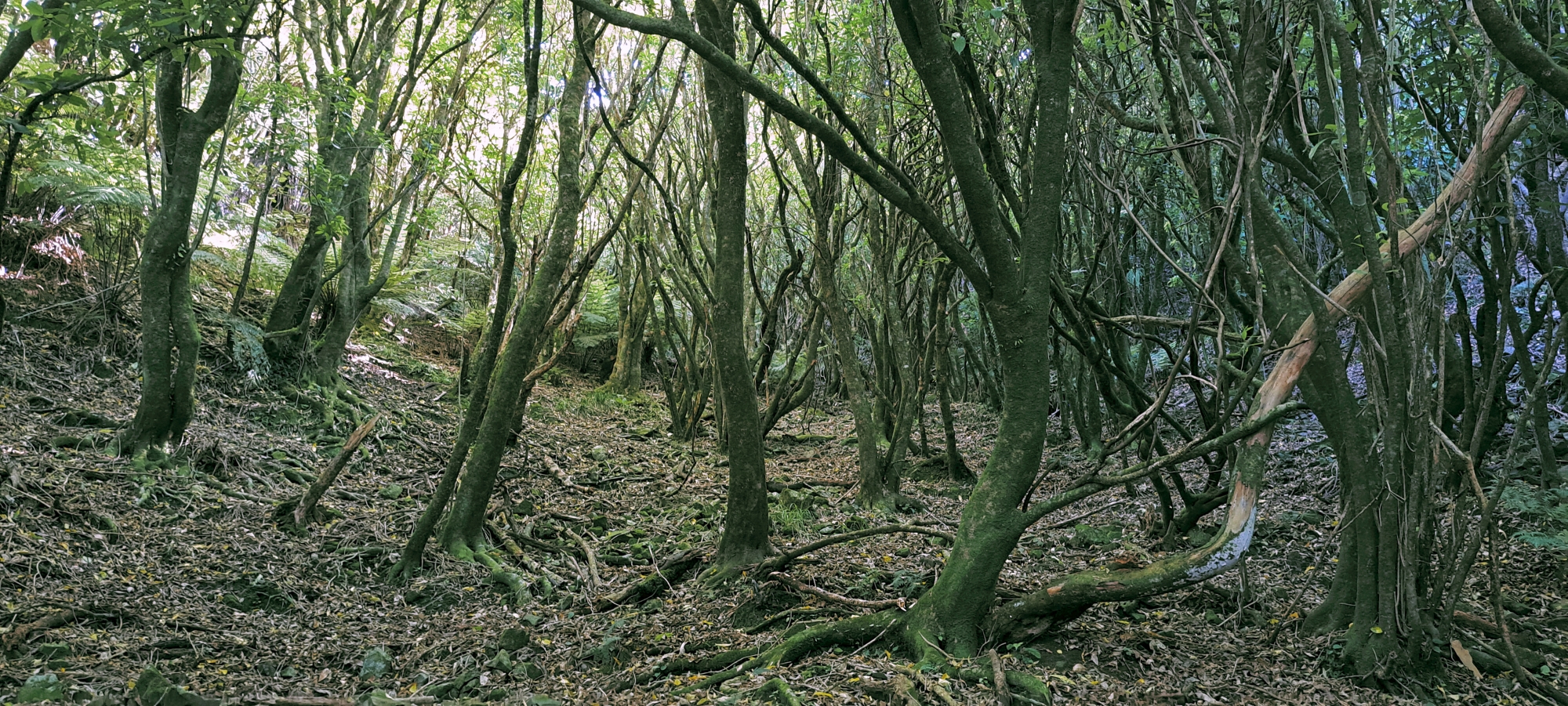
Among the tree ferns grow a wide variety of smaller native trees and shrubs. Typical species may include māhoe, rangiora, five-finger, pate, putaputawētā, Coprosma species, lancewood and lemonwood, although the exact mixture varies according to altitude, soil, moisture and previous disturbance. Ecologists sometimes describe vegetation containing this mixture as secondary broadleaved forest.
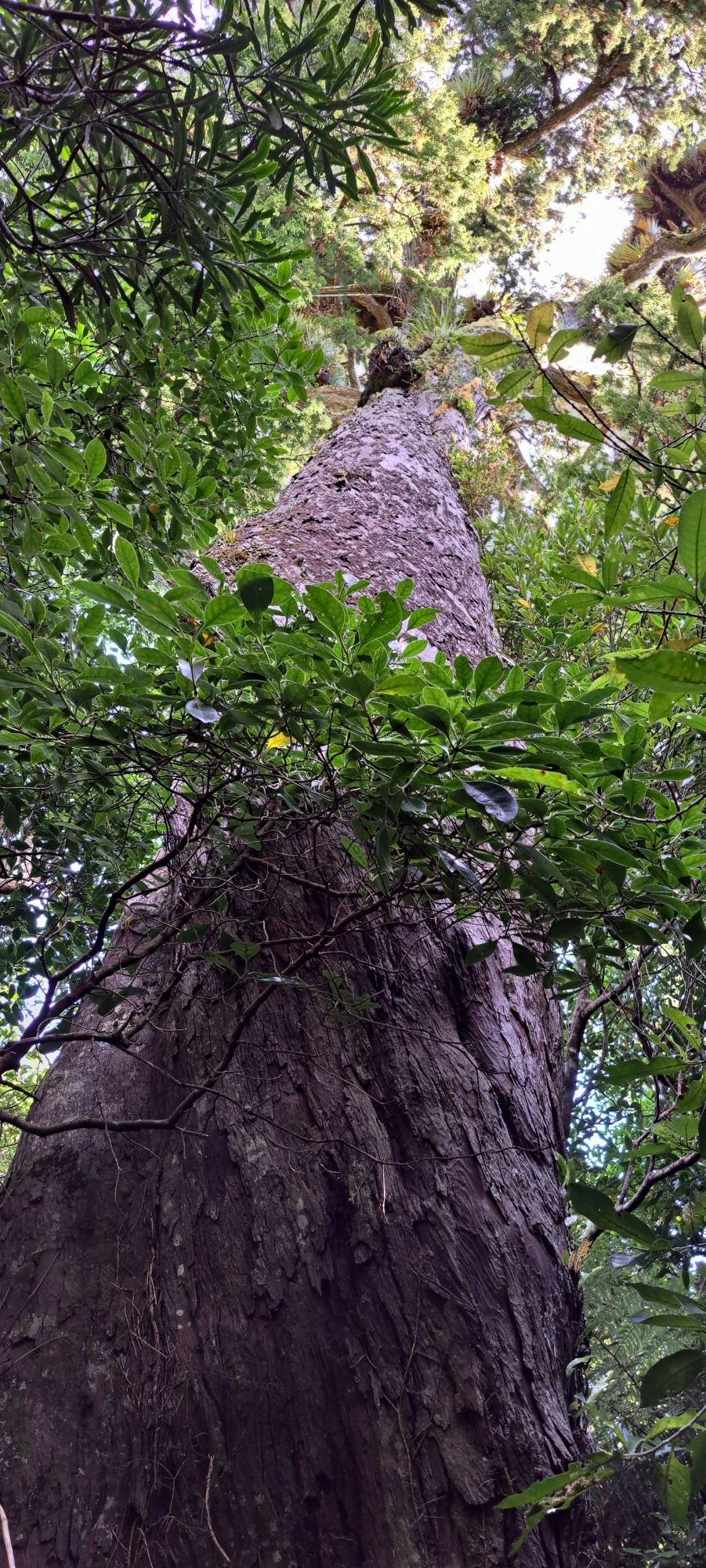
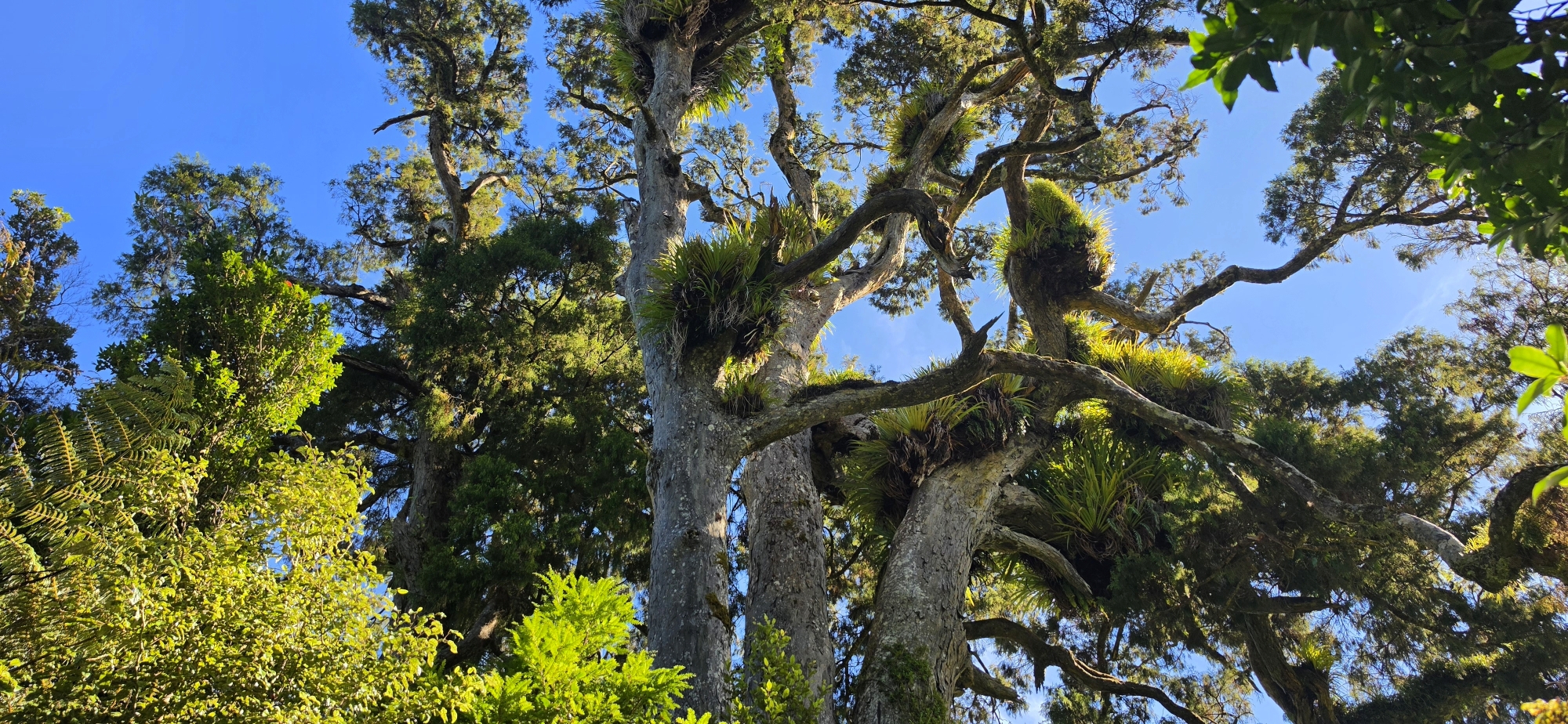
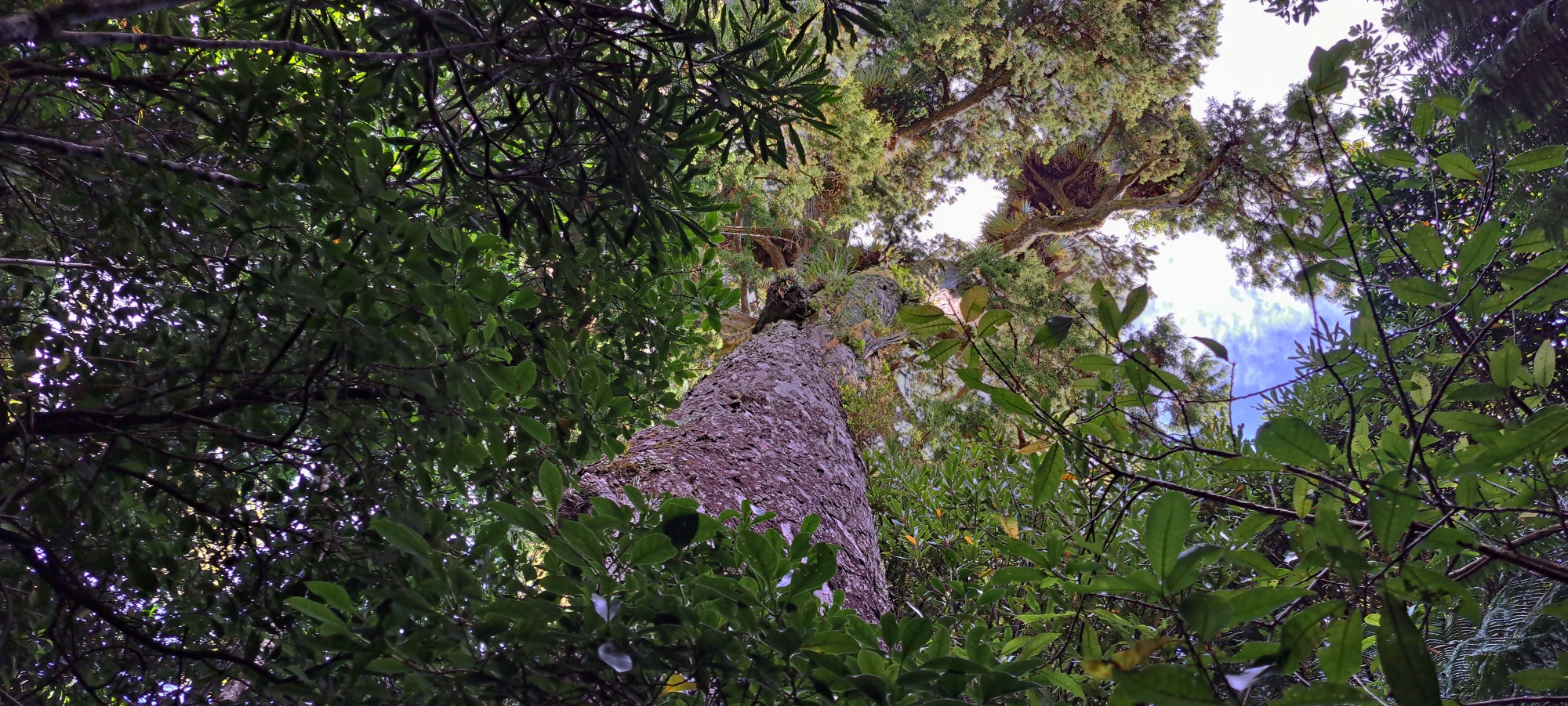
Unlike mature podocarp forest, there may be few large emergent trees towering above the canopy. Instead, the vegetation often forms a dense middle layer, with tree fern fronds spreading overhead and smaller ferns, mosses and seedlings covering the forest floor. One exception is rātā, which can grow into an enormous canopy or emergent tree, sometimes reaching impressive heights and dimensions.
Regenerating Forest
Much of this forest type can develop as native bush recovers from earlier disturbance. After trees are lost through storms, slips, fire, logging or land clearance, increased sunlight reaches the ground. Fast-growing native plants and tree ferns can then occupy the opening. In New Zealand conifer–broadleaf forests, tree ferns are often among the first plants to fill canopy gaps.
This does not mean that tree fern forest is simply degraded forest. It can represent an important stage in a natural process of forest succession. As the forest matures, other broadleaf trees establish amongst the ferns and, over much longer periods, podocarps such as rimu, miro and tōtara may eventually rise through the canopy.
Broadleaf Trees
Broadleaf trees found in the Northern Forest, Remutaka Forest Park, and Wainuiomata Regional Park.
- Northern rātā
- Tawa
- Hīnau
- Kāmahi
- Rewarewa
- Māhoe
- Pūkatea
- Kohekohe
- Kawakawa
- Five-finger
- Pate
- Rangiora
- Lemonwood / tarata
- Lancewood / horoeka
- Coprosma species
- Māpou / red matipo
- Wineberry / makomako
- Putaputawētā
Fern Trees
Fern trees found in the Northern Forest, Remutaka Forest Park, and Wainuiomata Regional Park.
- Mamaku / black tree fern (Cyathea medullaris)
- Ponga / silver fern (Cyathea dealbata)
- Kātote / soft tree fern (Cyathea smithii)
- Whekī / rough tree fern (Dicksonia squarrosa)
- Pūnui / gully tree fern (Cyathea cunninghamii)
- Whekī-ponga (Dicksonia fibros