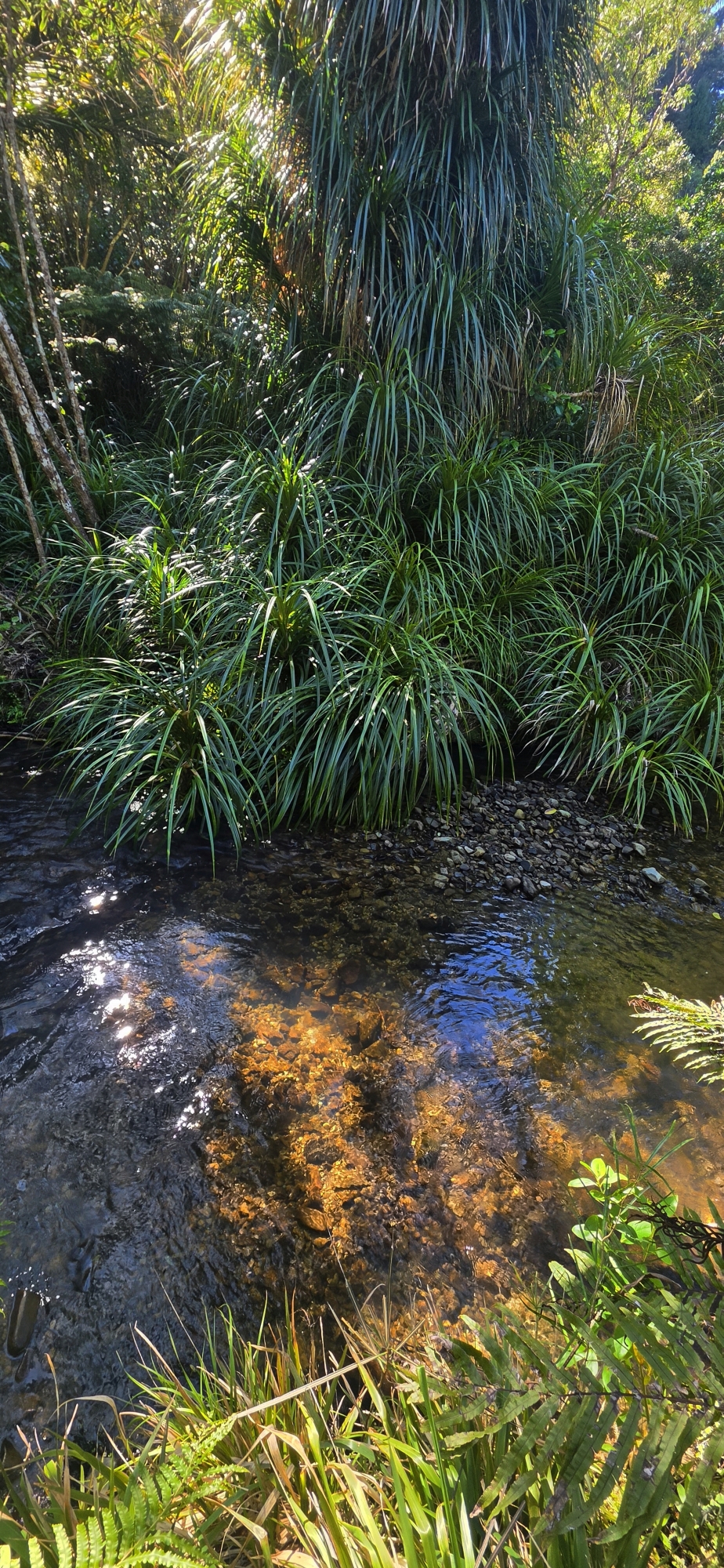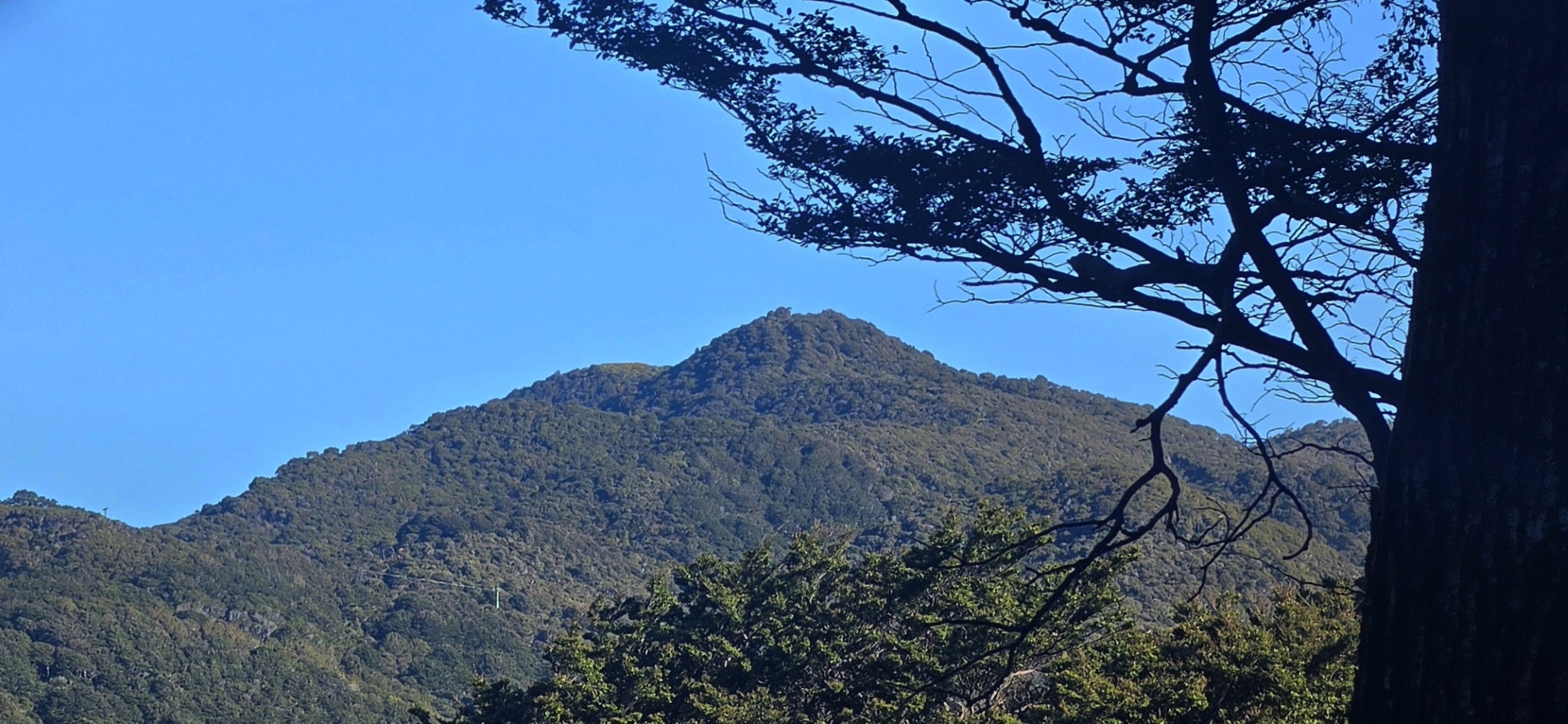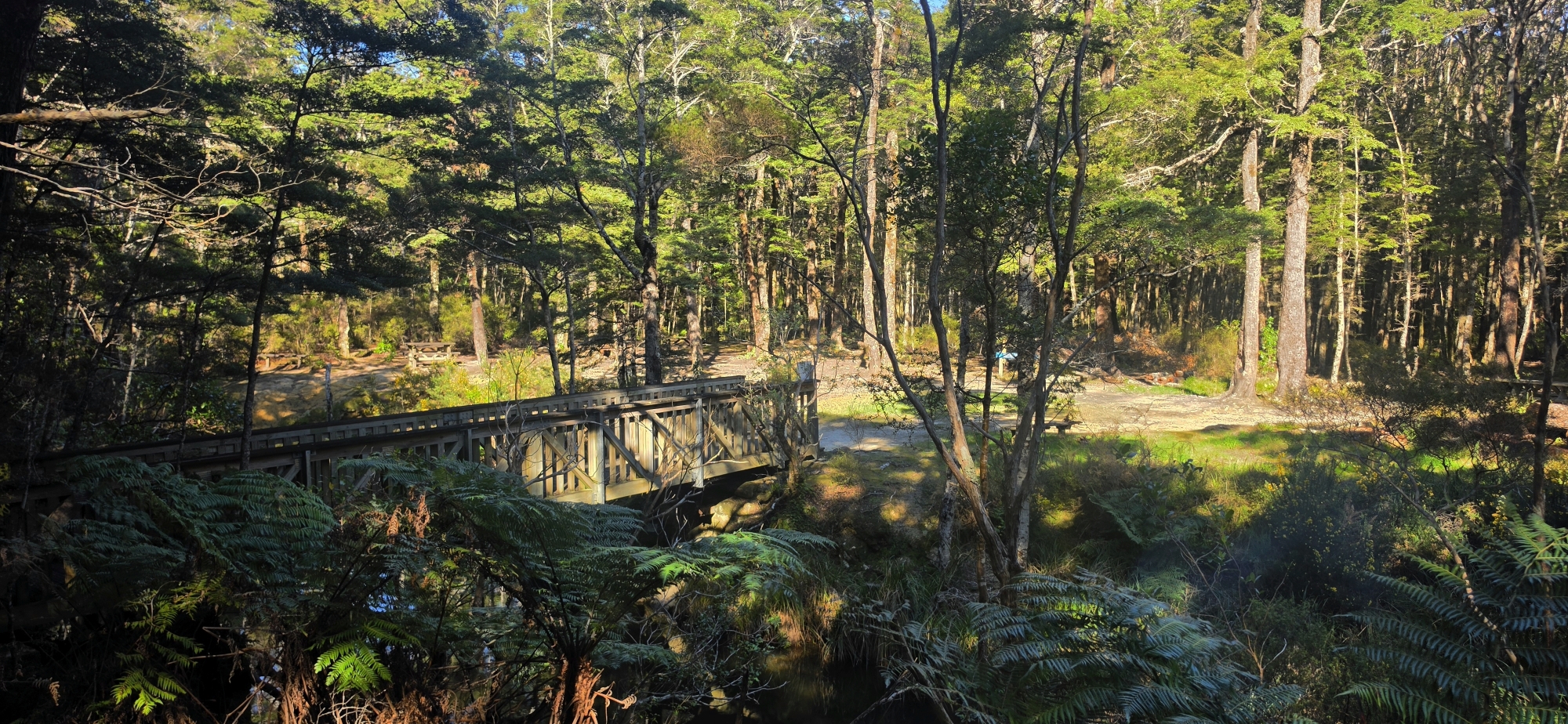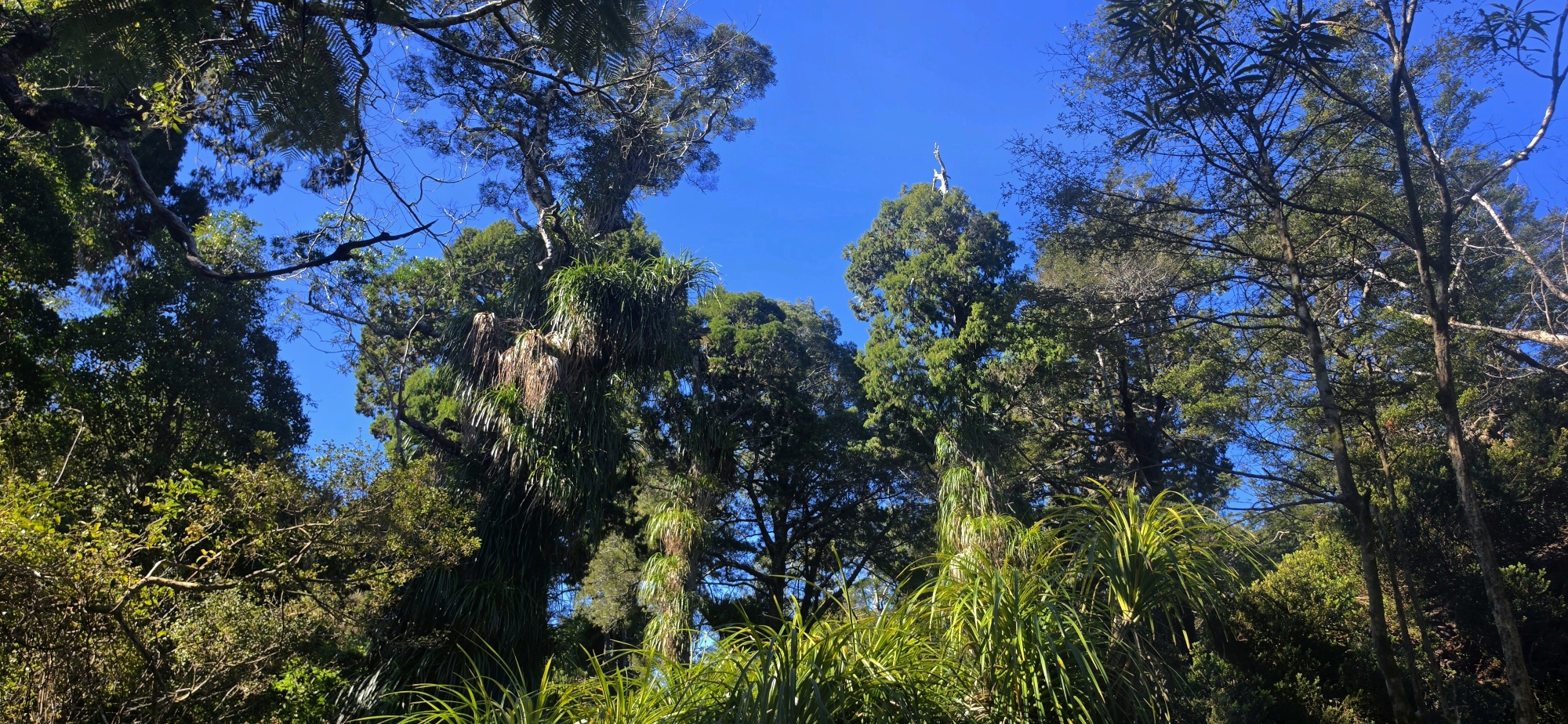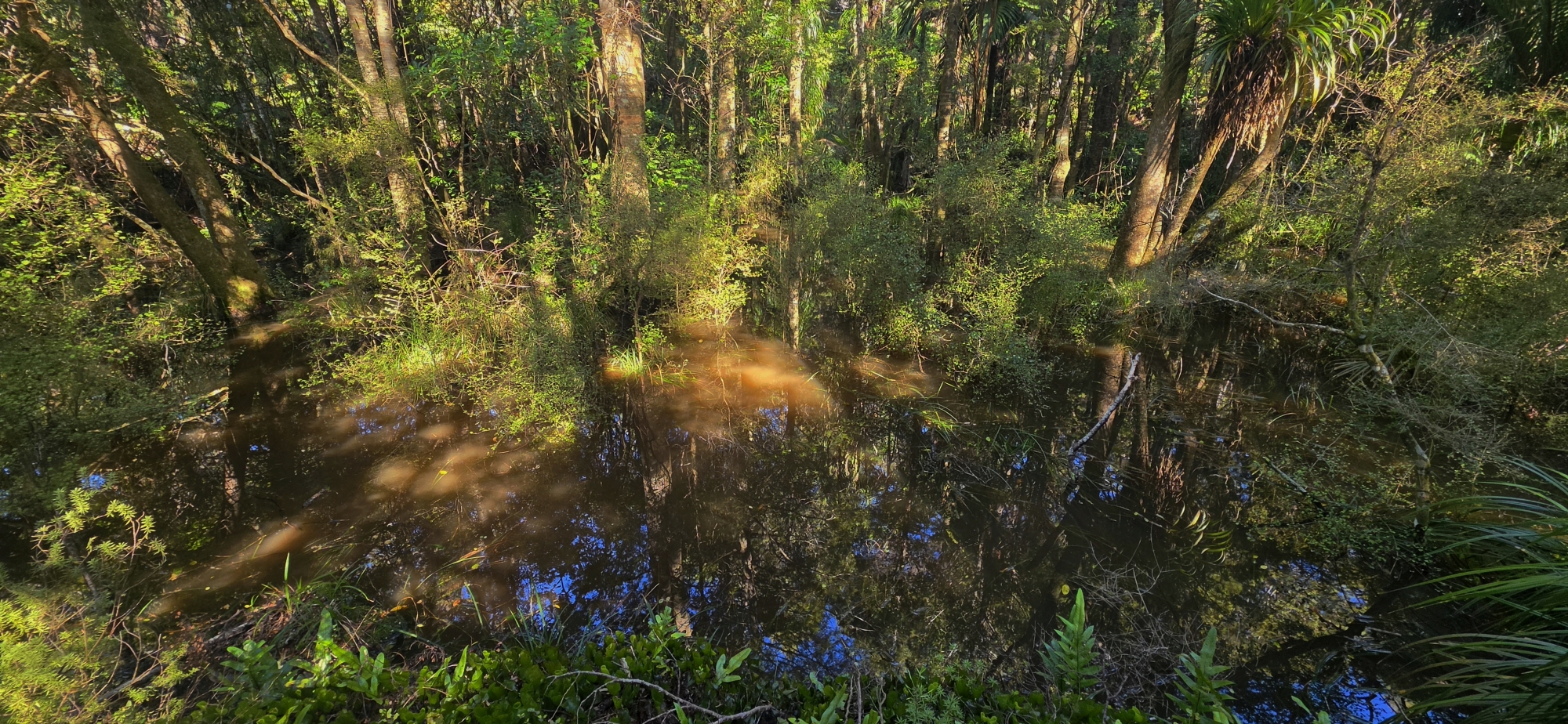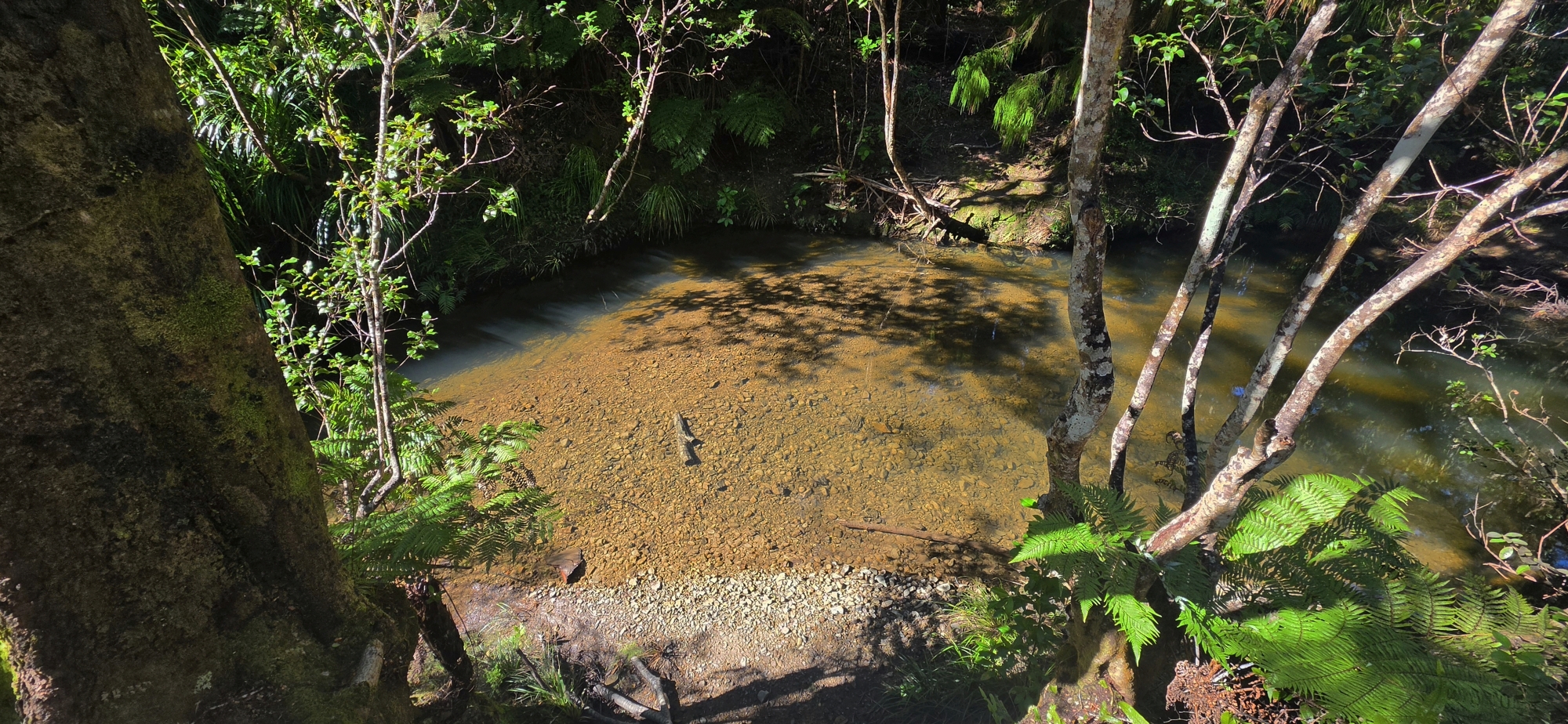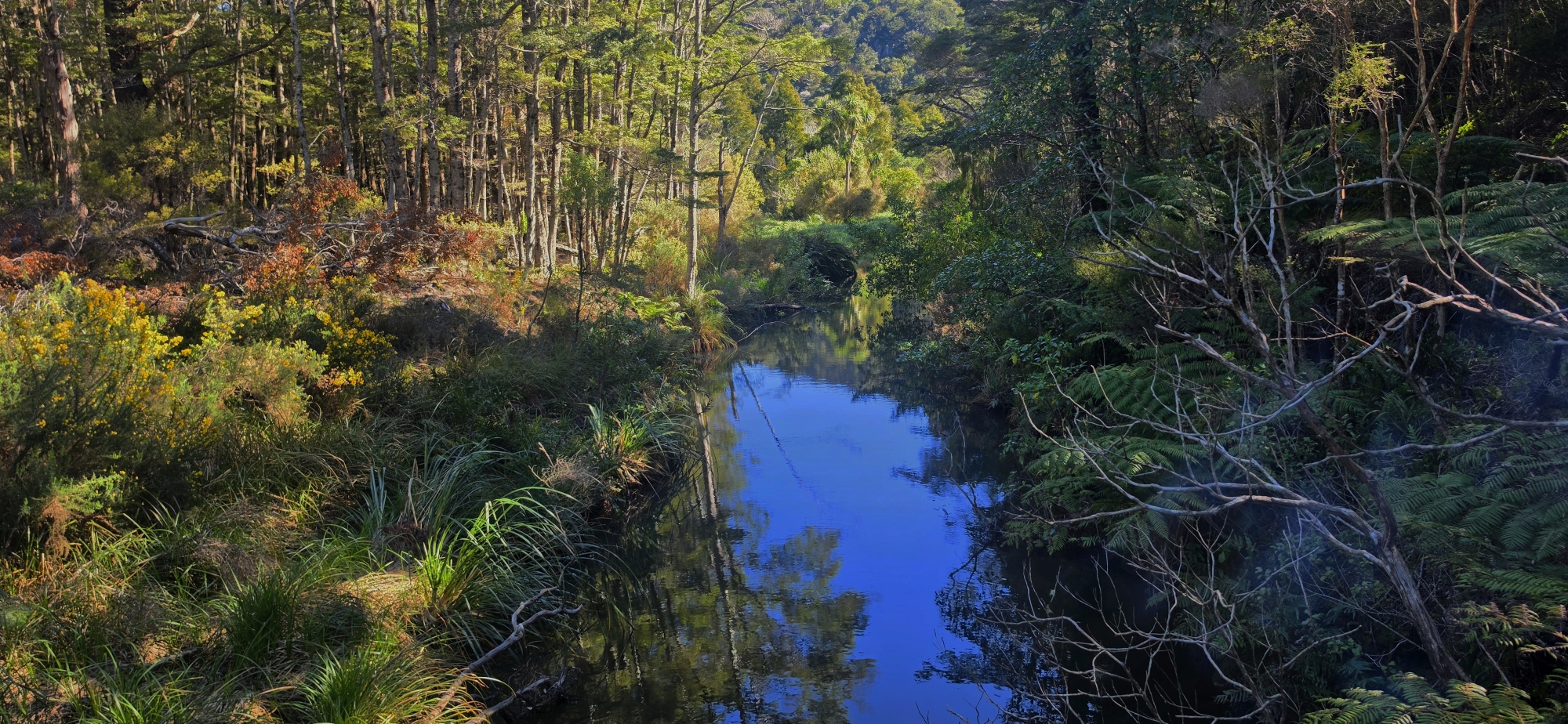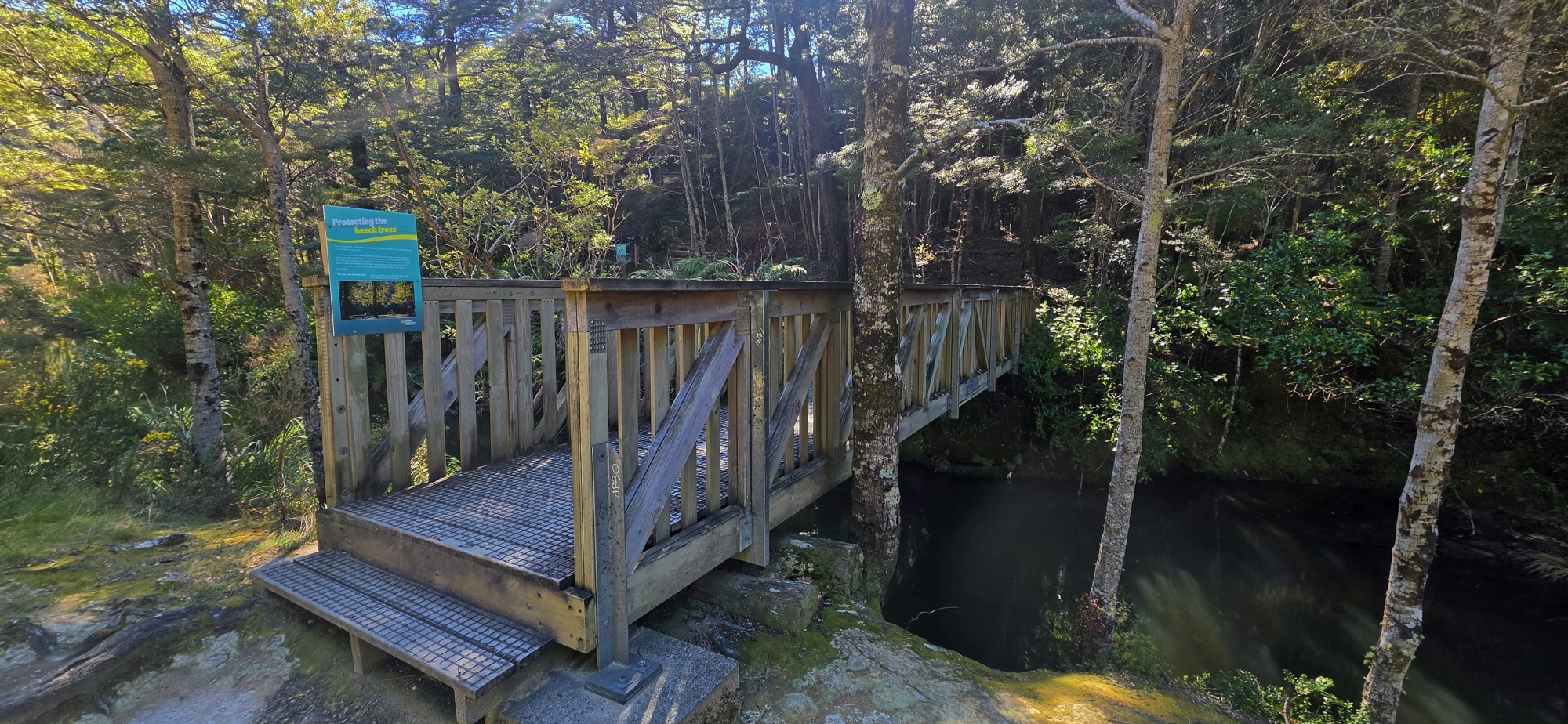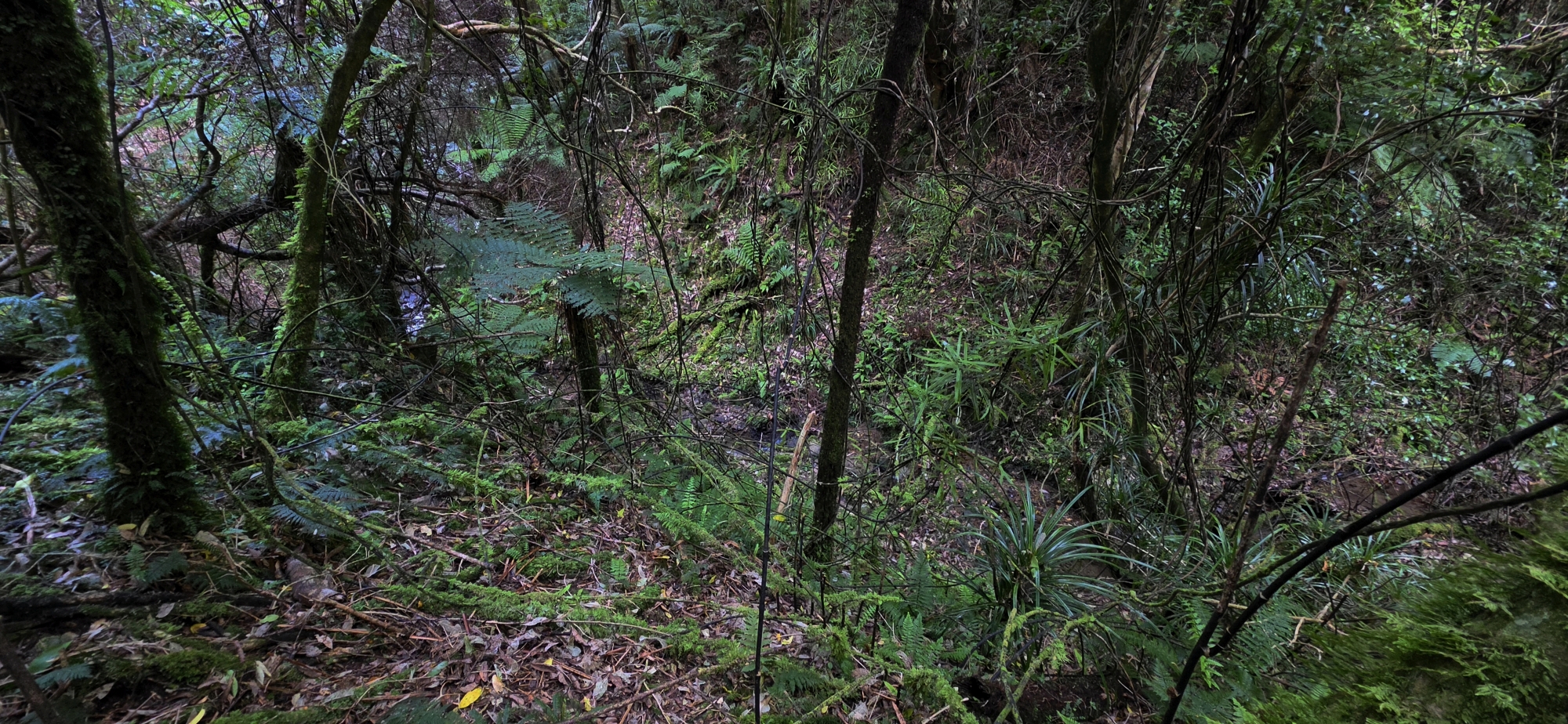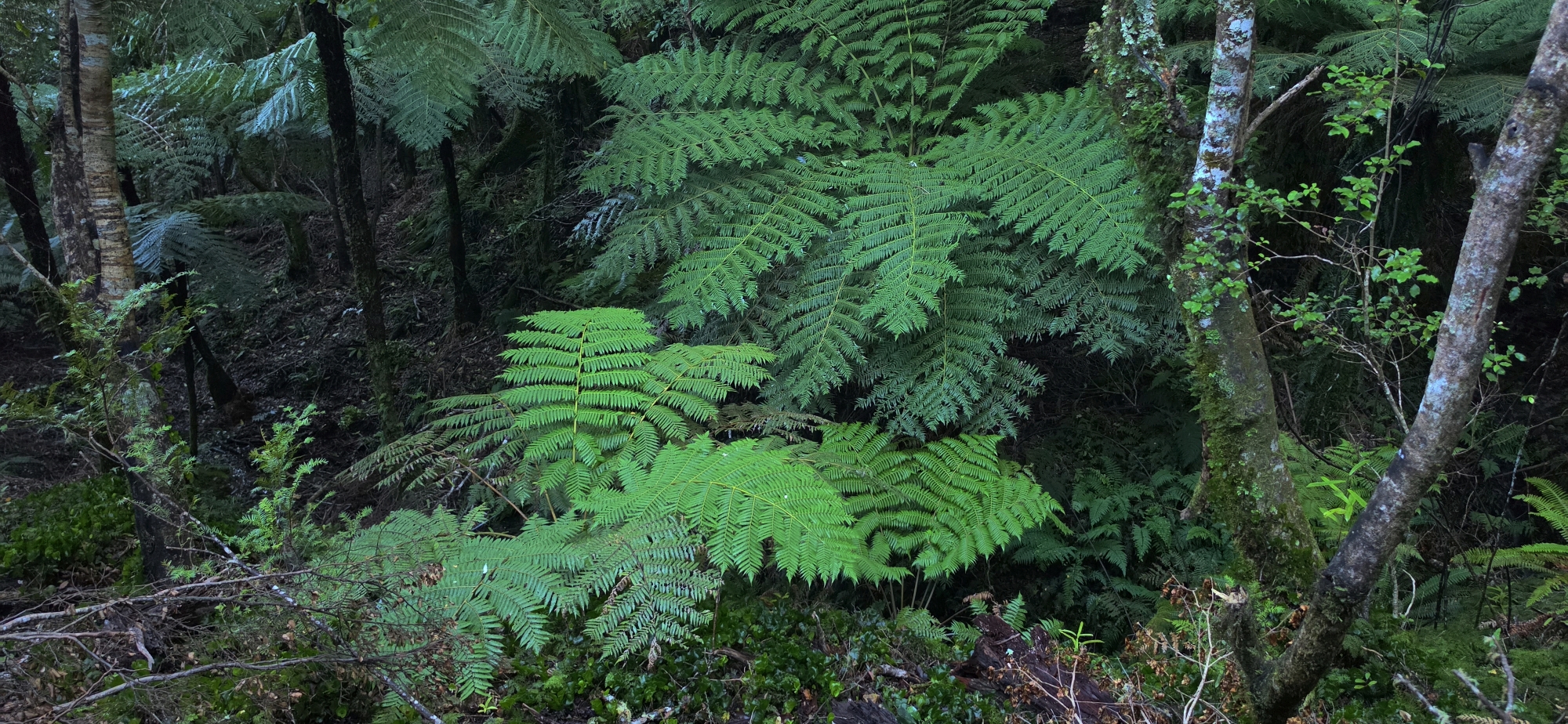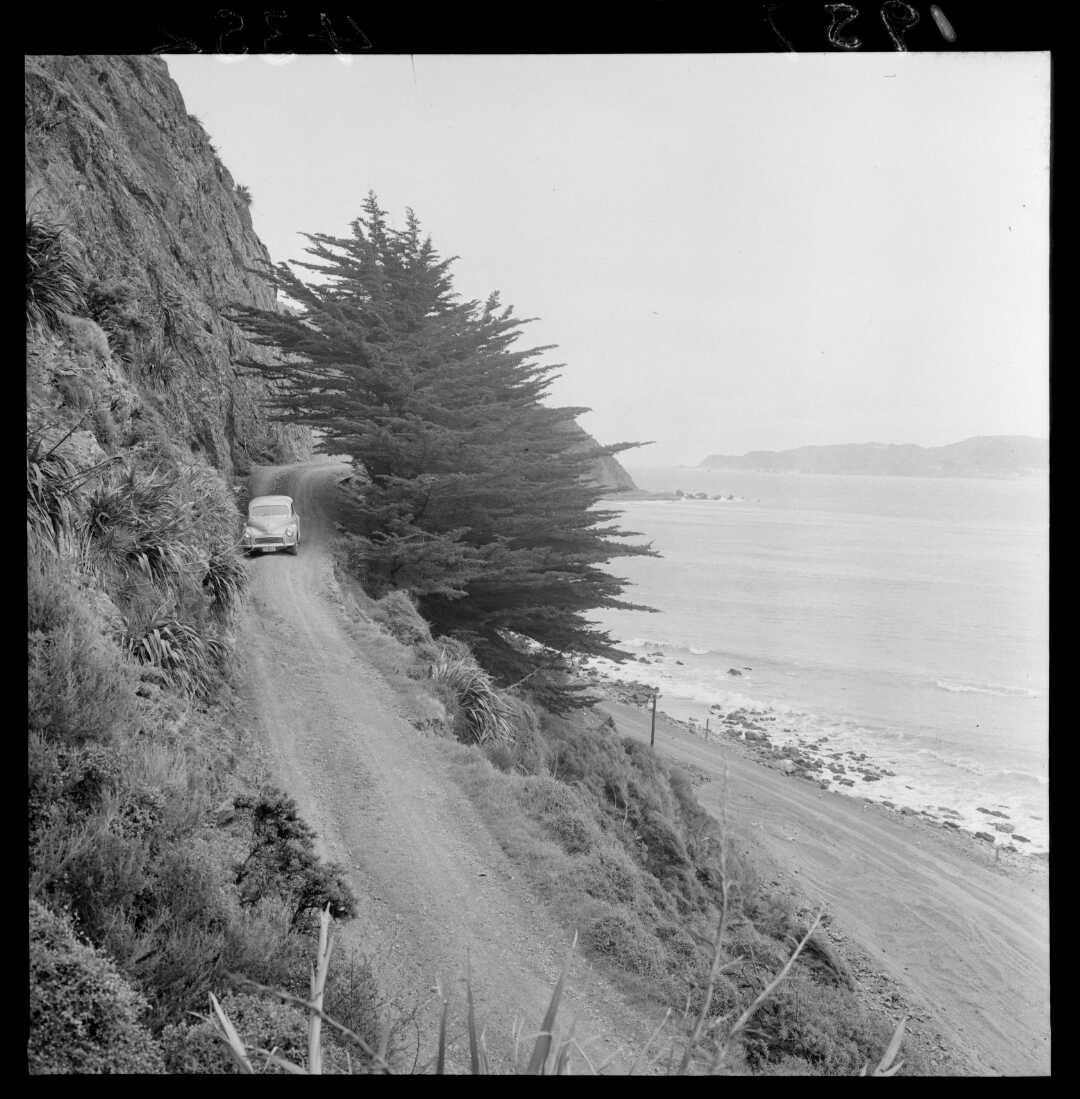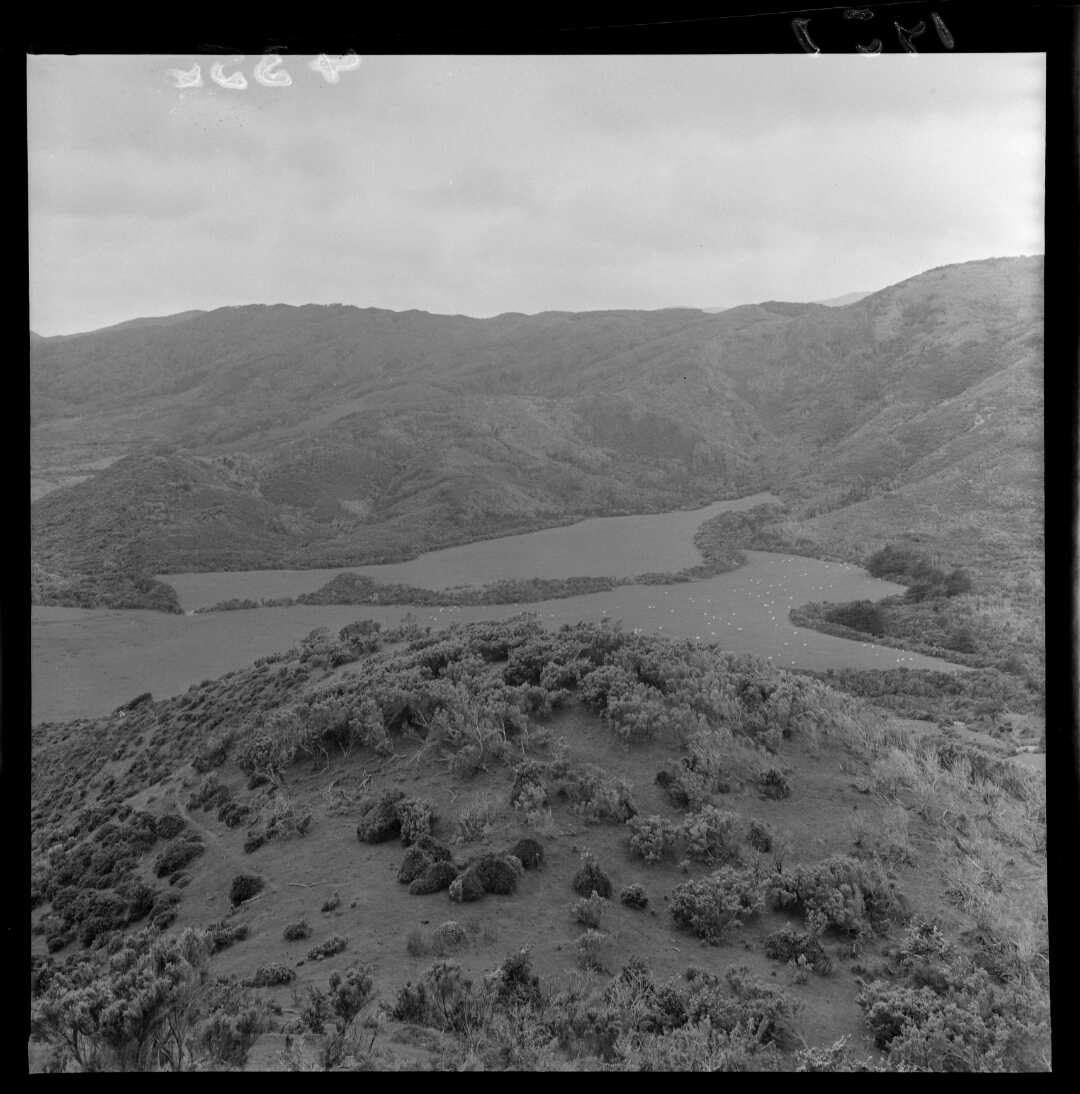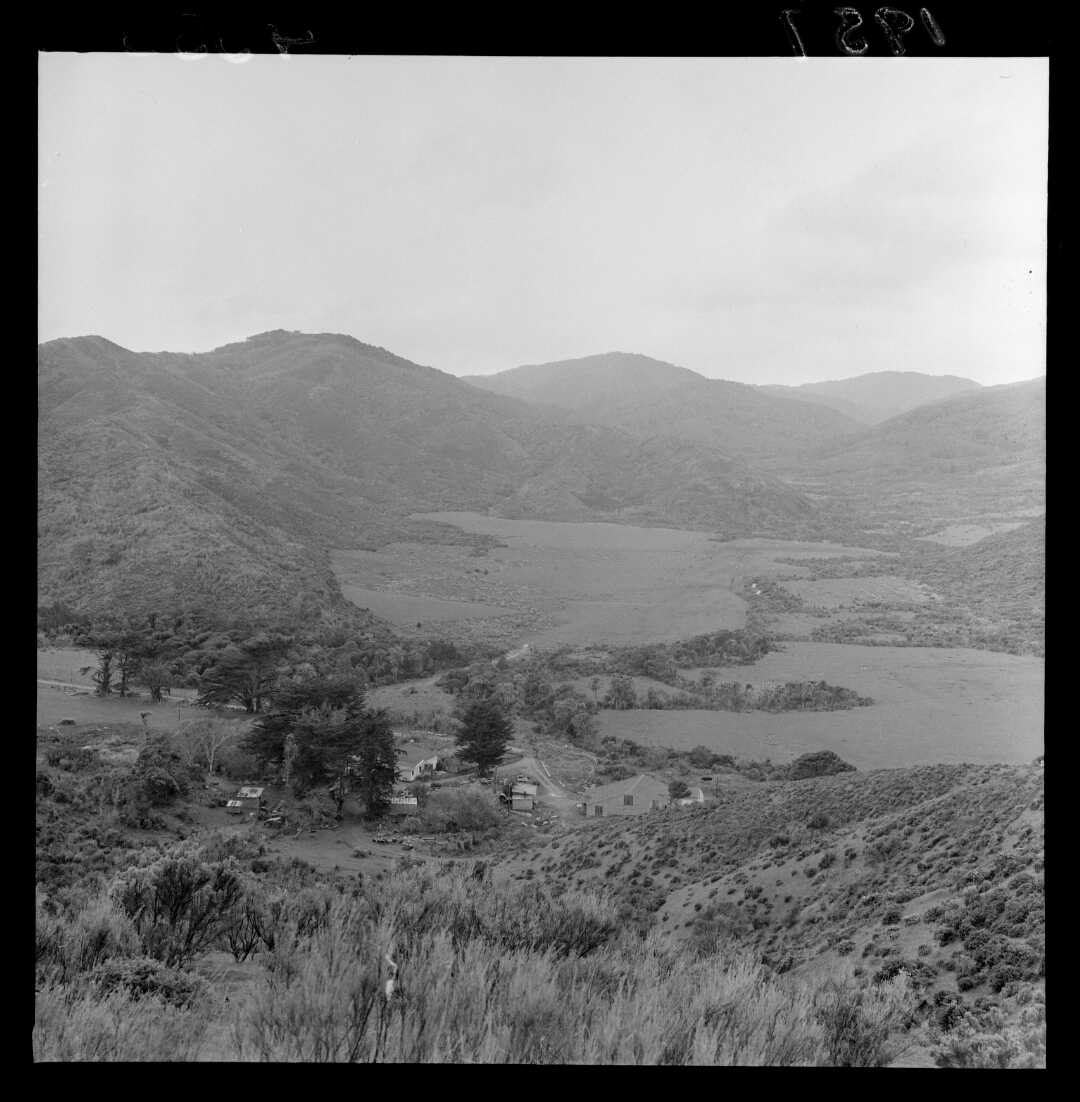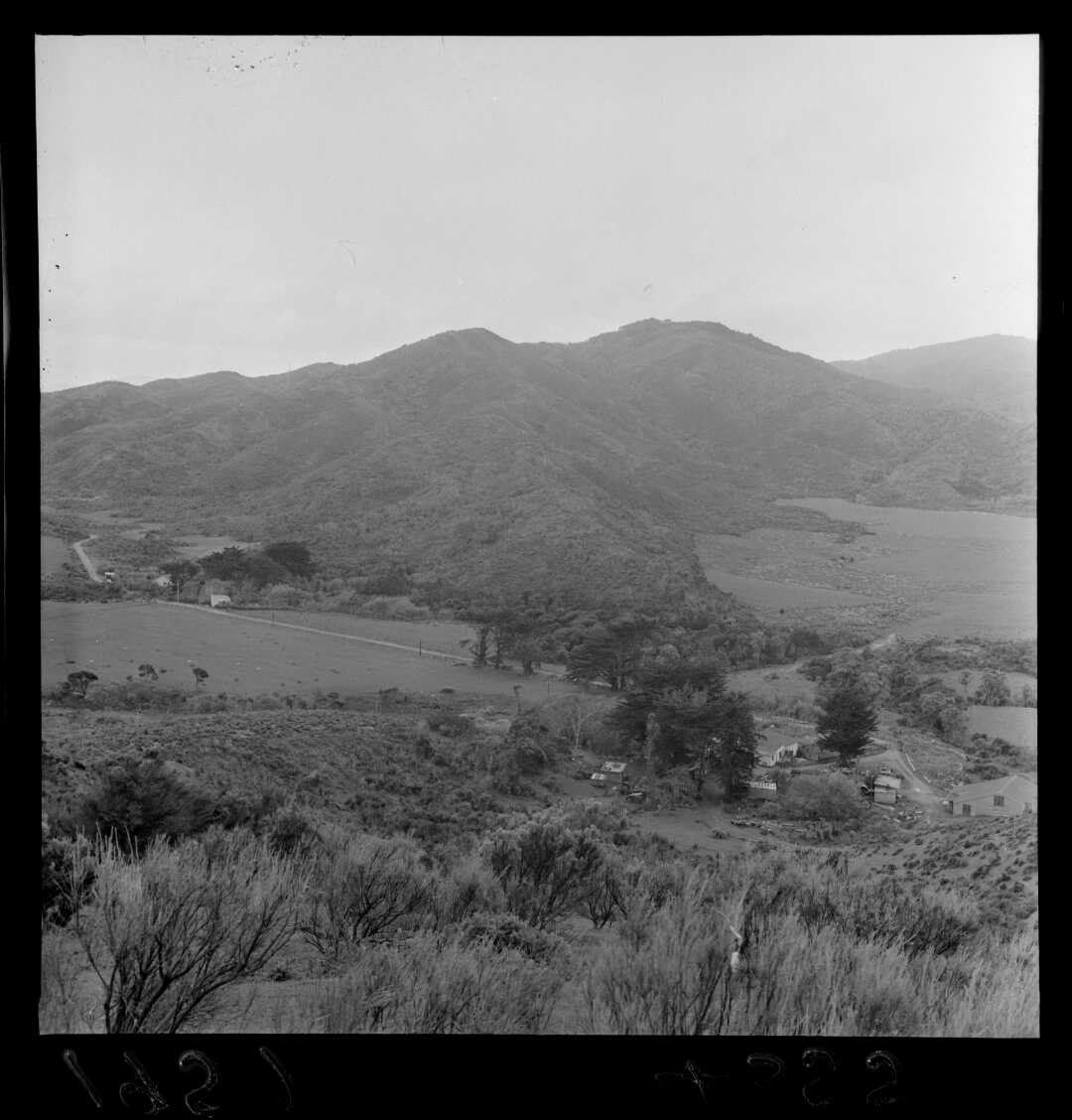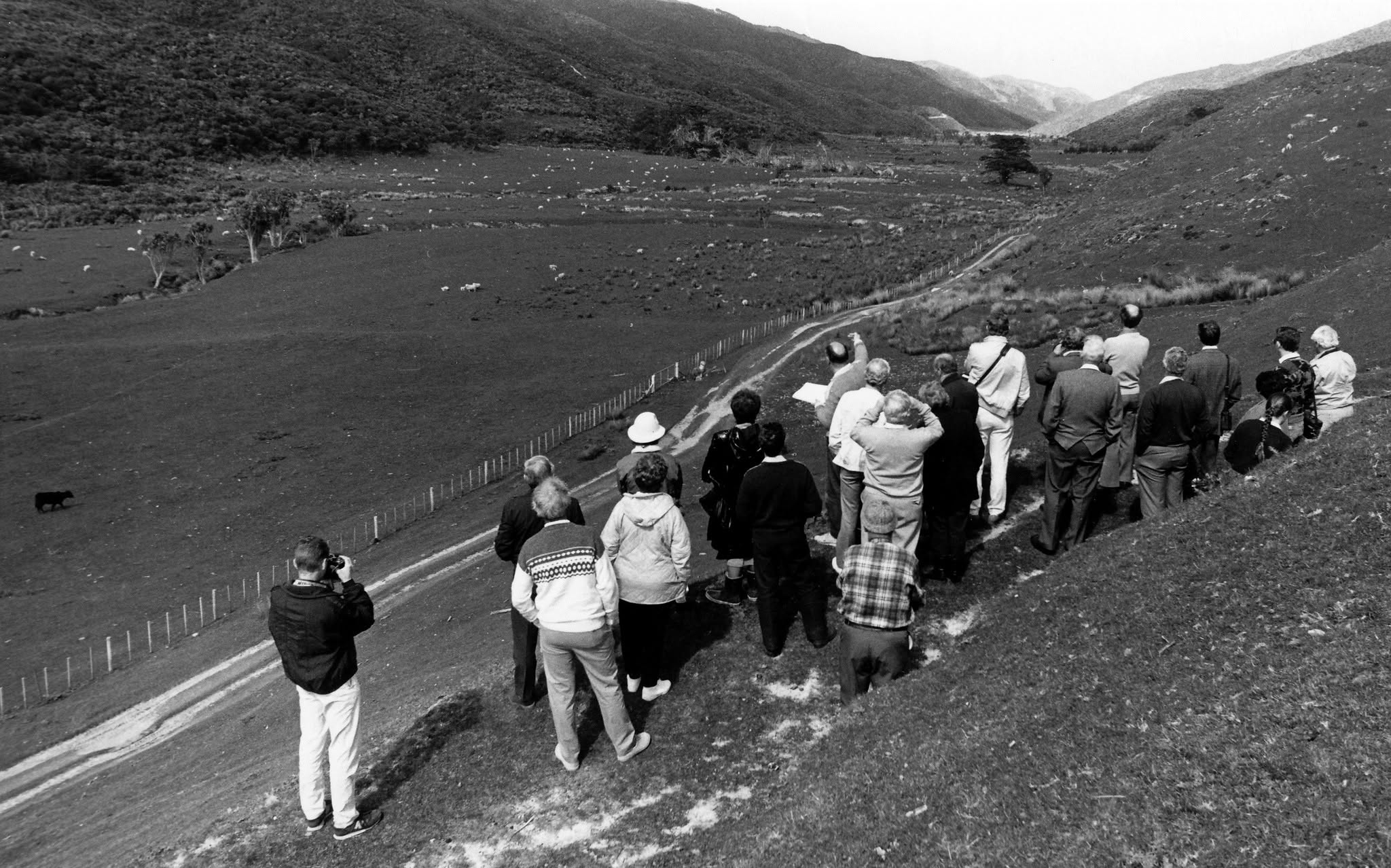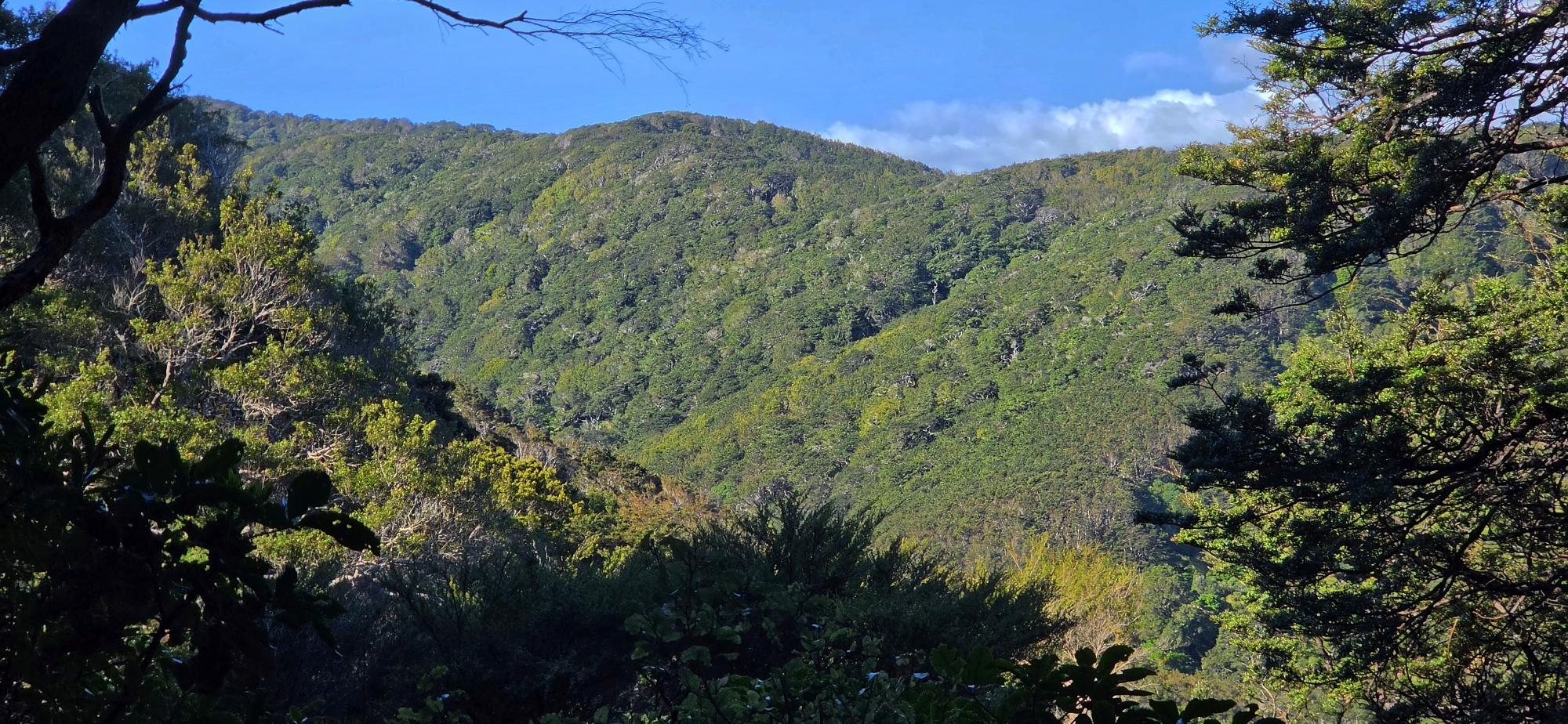
Gollans Valley is the broad valley and catchment through which Gollans Stream flows, extending through the hills behind Eastbourne between the Northern Forest and Parangarēhu Lakes sections of East Harbour Regional Park.
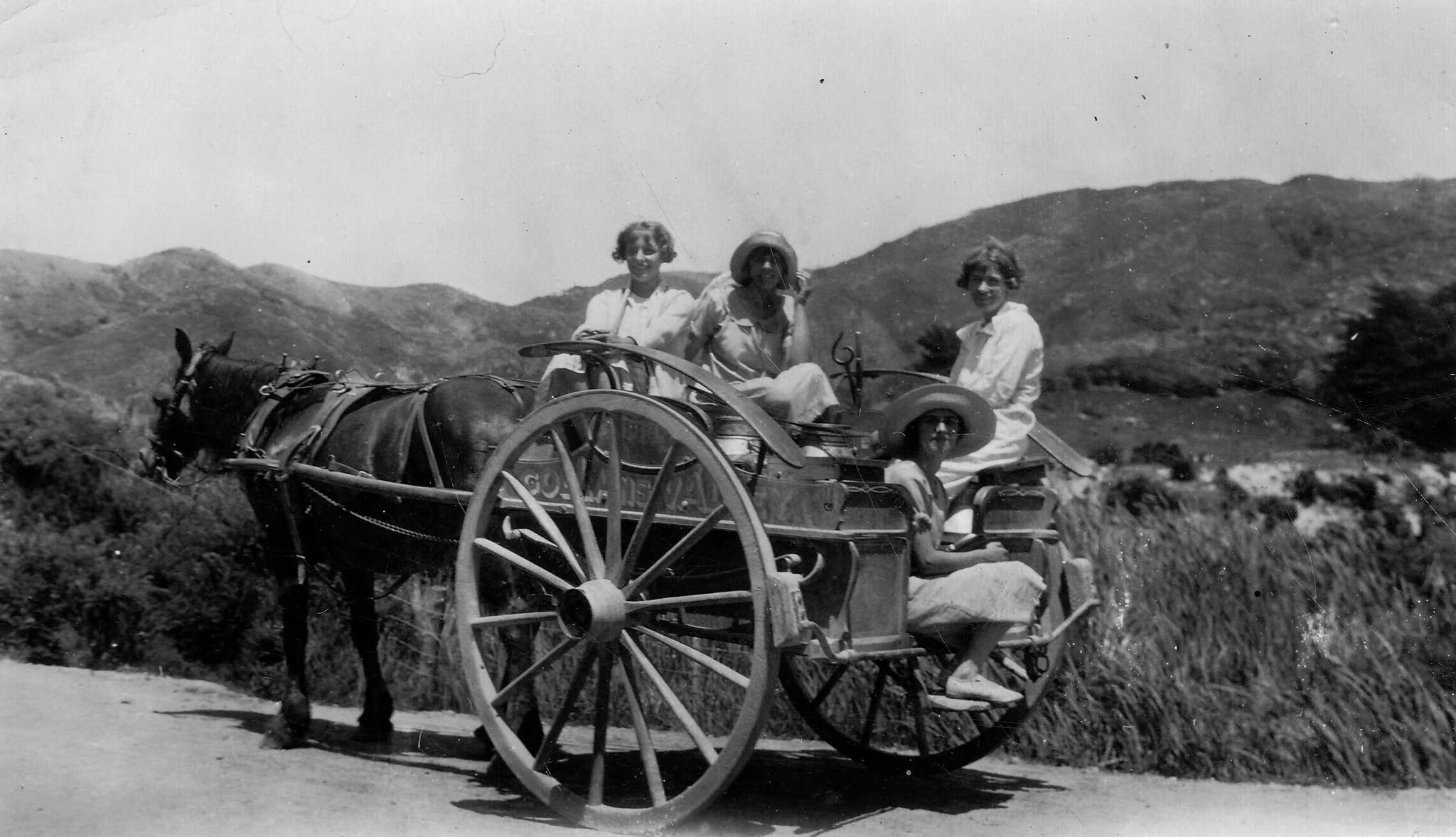
Within much of this valley lies Gollans Valley Station, a large former pastoral property that was farmed for many decades. Although the names are closely linked, they refer to different things: Gollans Valley is the wider geographic landscape, while Gollans Valley Station is the specific historic landholding within it.
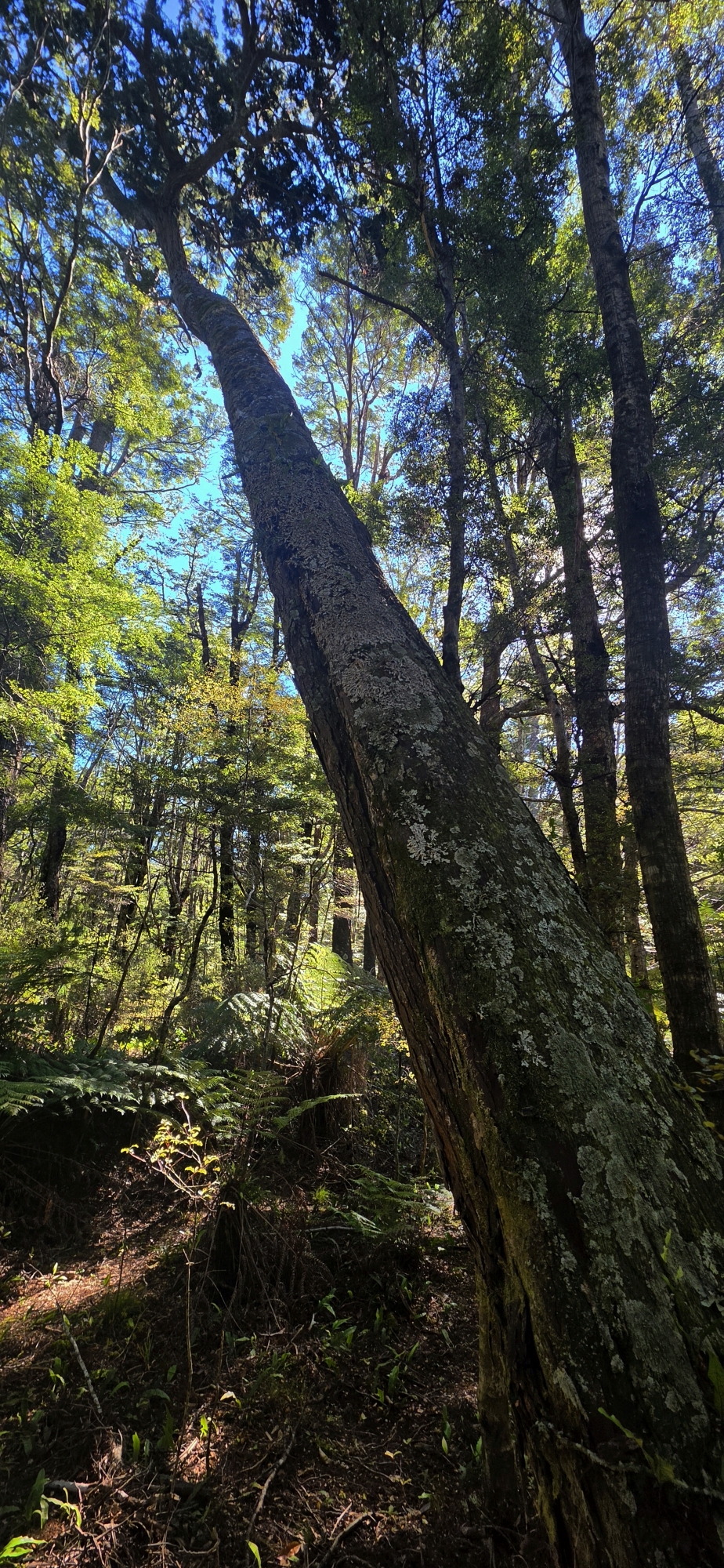
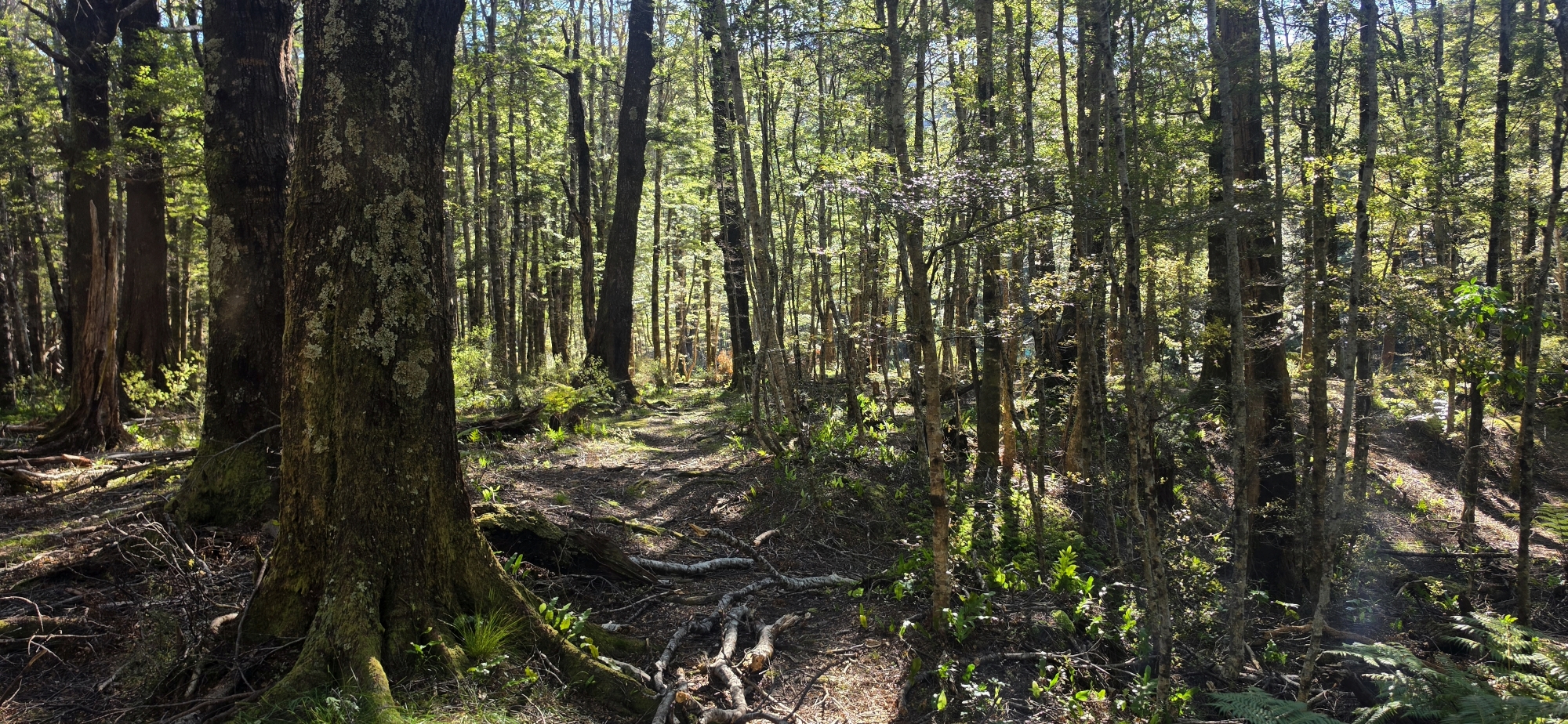
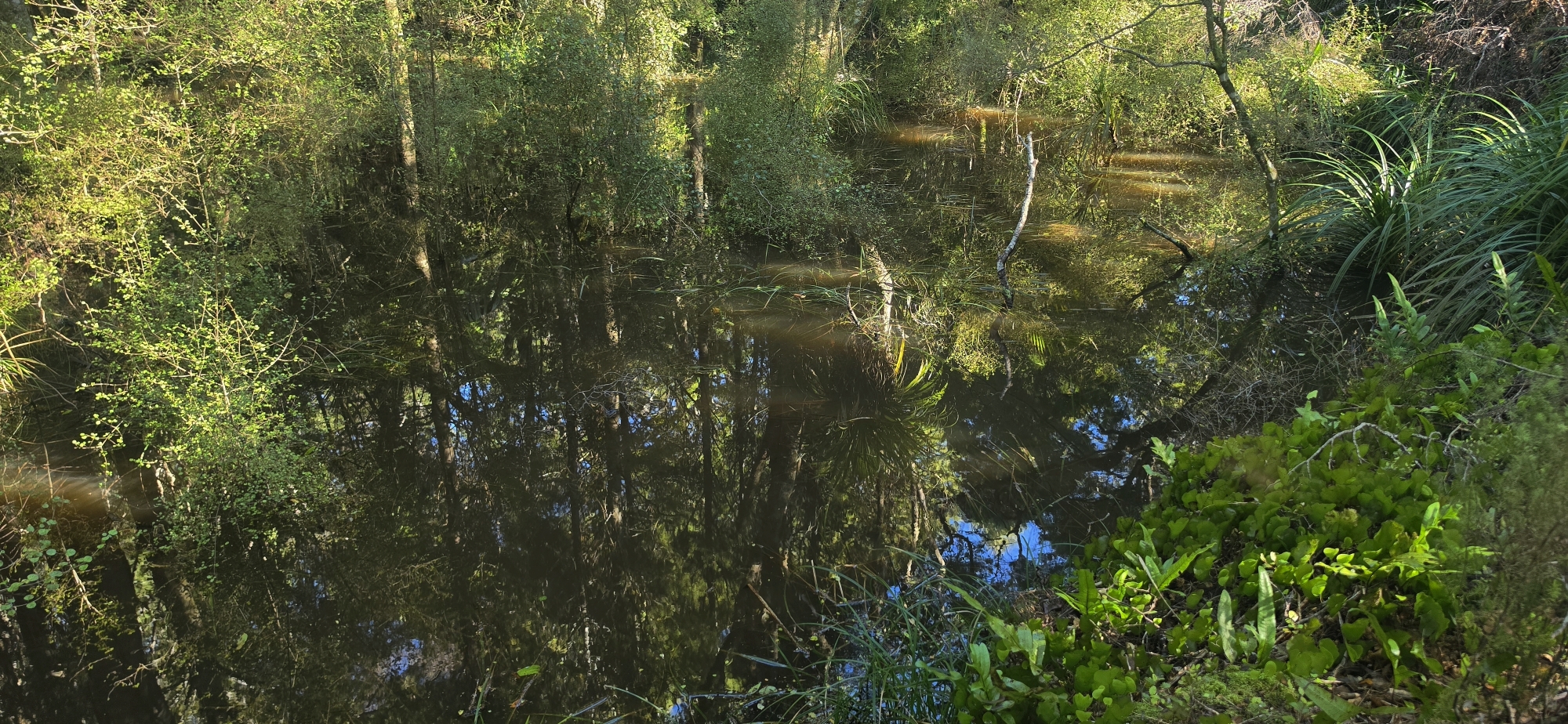
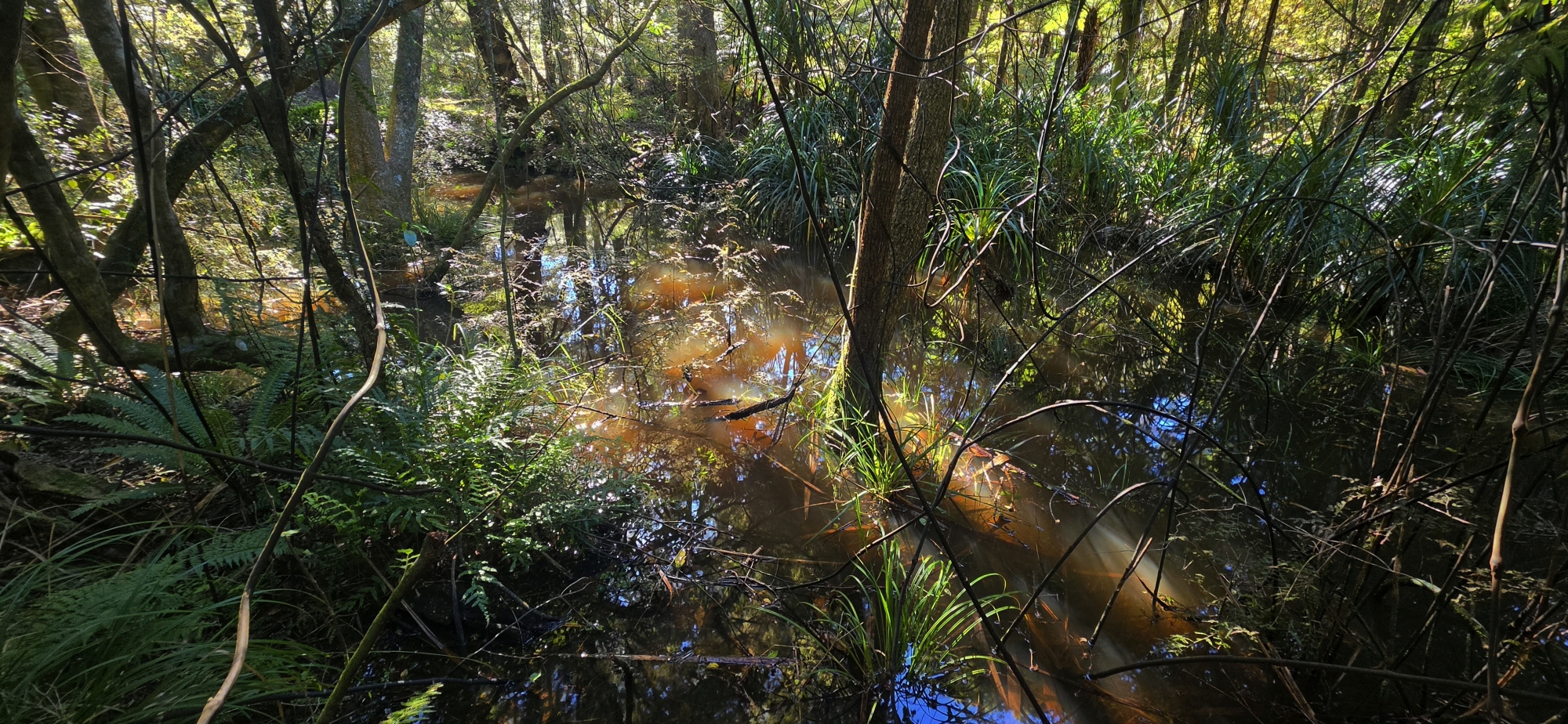
The station covers around 1,366 hectares and contains a mixture of native bush, wetlands, regenerating vegetation, open grassland and former pastoral country. More than 1,000 hectares are covered in native vegetation, including areas of old-growth forest, while about 400 hectares were still being used for sheep and beef farming when Greater Wellington purchased the property.
A large gap between two regional park areas
For many years, Gollans Valley Station formed a substantial block of privately owned land between two separate sections of East Harbour Regional Park.
To the north is the heavily forested Northern Forest, which extends across the hills behind Eastbourne and towards Wainuiomata. To the south are Parangarēhu Lakes and the coastal landscape leading towards Pencarrow.
This made the station strategically important from a conservation point of view. Its acquisition created the possibility of managing a largely continuous protected landscape stretching from the Wainuiomata Saddle through the eastern harbour hills towards Pencarrow.
From farming station to public ownership
Gollans Valley Station had remained in private ownership for more than half a century before it was placed on the open market in early 2025.
Greater Wellington subsequently purchased the property for $9 million. The acquisition was assisted by a $1 million contribution from the estate of Wellington mountaineer and conservationist John Marsden Nankervis. Greater Wellington formally took ownership on 25 July 2025.
The purchase was significant not only because of the size of the property, but because of its ecological position. The station contains wetlands, native forest and habitat linking previously separated protected areas.
It also lies upstream of Parangarēhu Lakes, meaning land management within Gollans Valley can have consequences for the ecological health of the lakes and surrounding wetlands.
A changing landscape
Following the purchase, Greater Wellington began work to secure the land, manage pest plants and animals, assess its ecological values and investigate its future use. In February 2026, the council reported that planning was continuing around ecological restoration and other possible long-term uses of parts of the property.
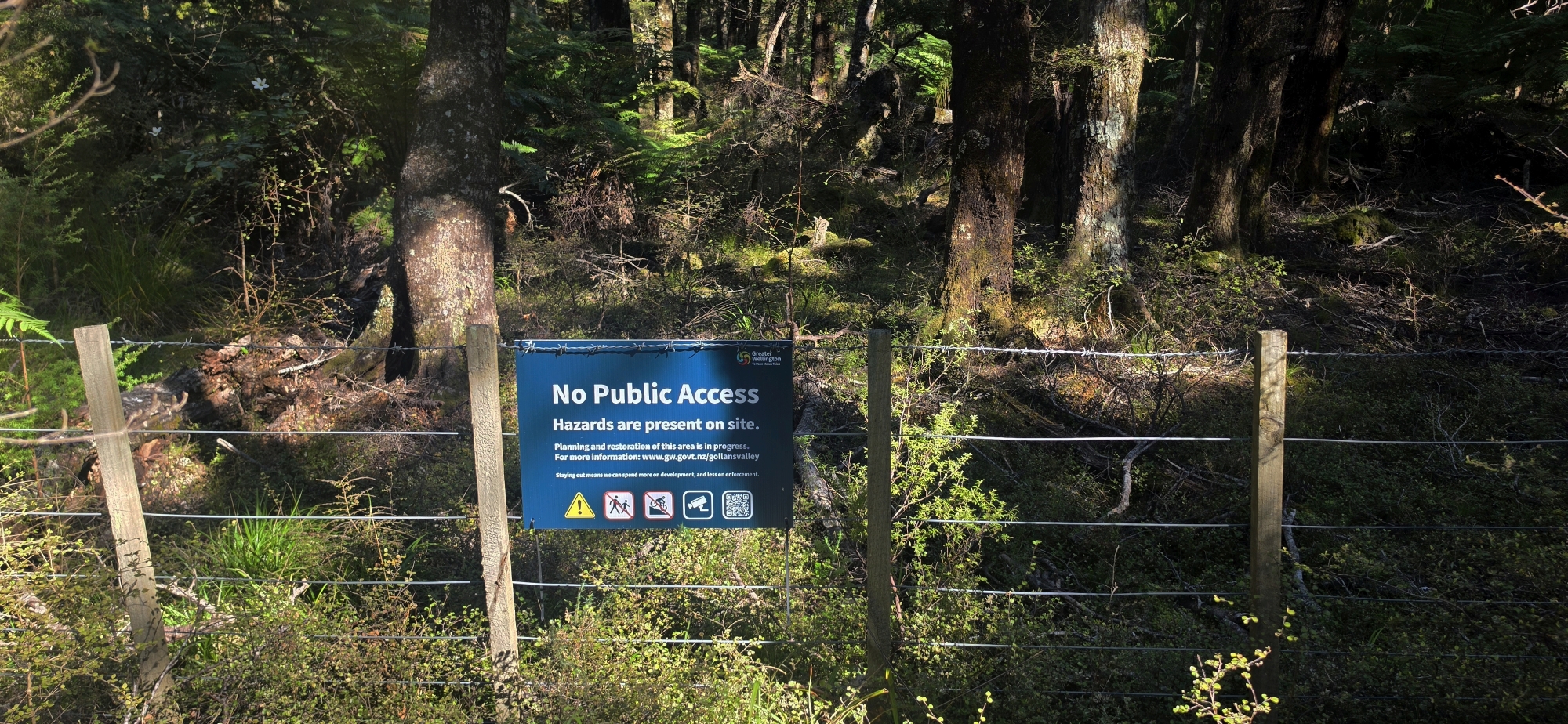
The station is not currently open for general public access, and Greater Wellington has indicated that public access will remain restricted while management and restoration planning continues.
Over time, Gollans Valley Station may become an increasingly important part of the wider East Harbour landscape, connecting native forest, wetlands and coastal environments that were previously divided by private land.
Its transition from a working station into public ownership represents one of the most significant changes to land protection on the eastern side of Wellington Harbour in recent decades.
Cultural significance
The Gollans Valley landscape is also significant to Taranaki Whānui and particularly Te Āti Awa ki Te Upoko o Te Ika.
Parangarēhu Lakes were returned to mana whenua through Treaty settlement arrangements in 2008, and Greater Wellington has stated that future management of the Gollans Valley property will involve partnership with mana whenua.
The area contains heritage features and forms part of a much older cultural landscape extending across the eastern side of Wellington Harbour.
Gold prospecting in Gollans Valley
Gollans Valley also has a history of gold prospecting. During the late nineteenth and early twentieth centuries, prospectors searched the surrounding hills for quartz reefs believed to contain gold. Men including Hugh Sinclair and John Charles Grace were associated with prospecting in the wider Wainuiomata area, while a 1901 newspaper account described Henry Savage guiding a party into Gollans Valley to inspect a reef and an old winze that had been sunk about 10 feet into the ground. Although no commercially successful gold mine was ever established, these reports show that the remote valley was once part of a wider search for gold in the Wainuiomata hills.