From early timber country to one of Wellington’s most important water catchments
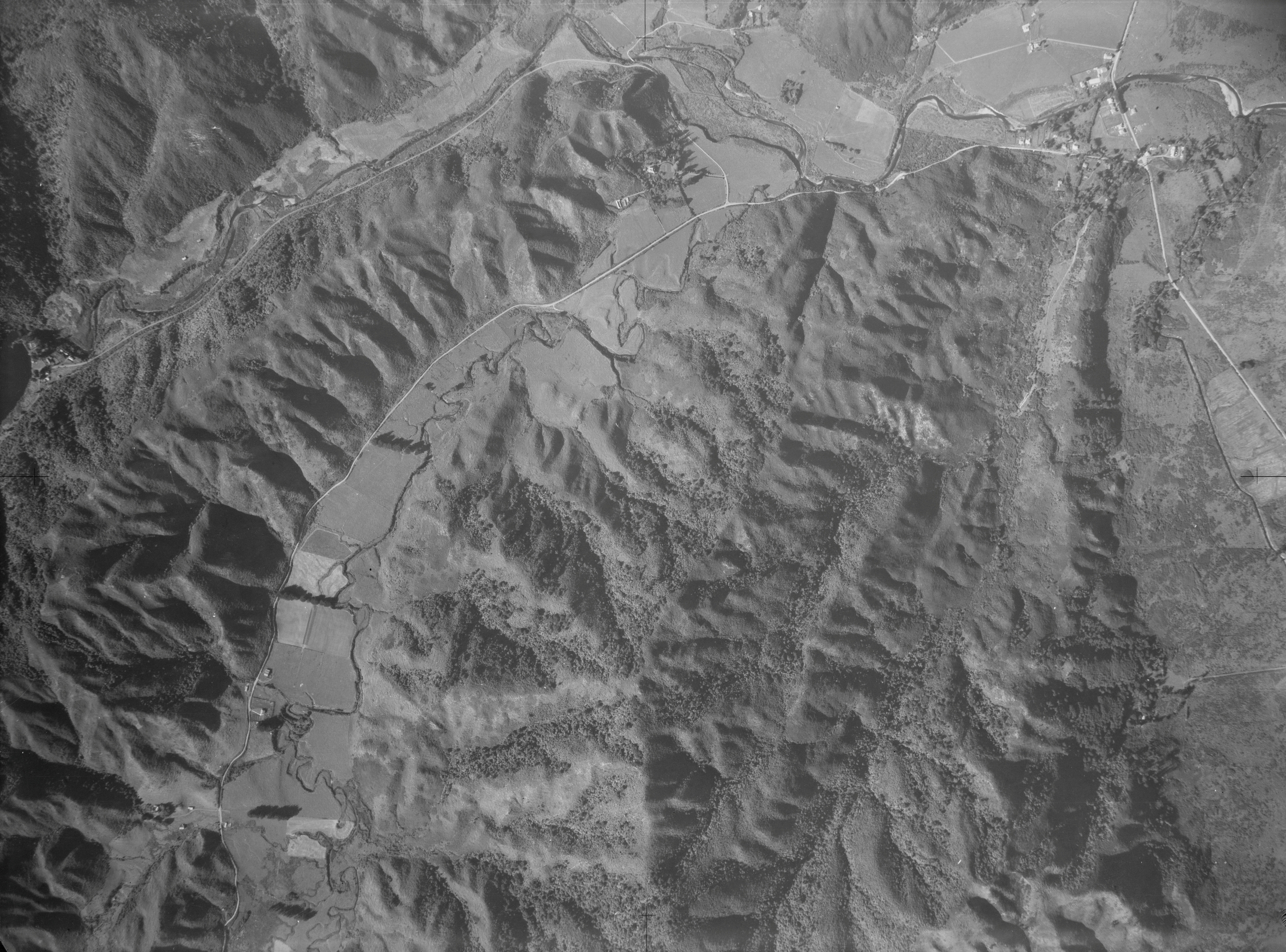

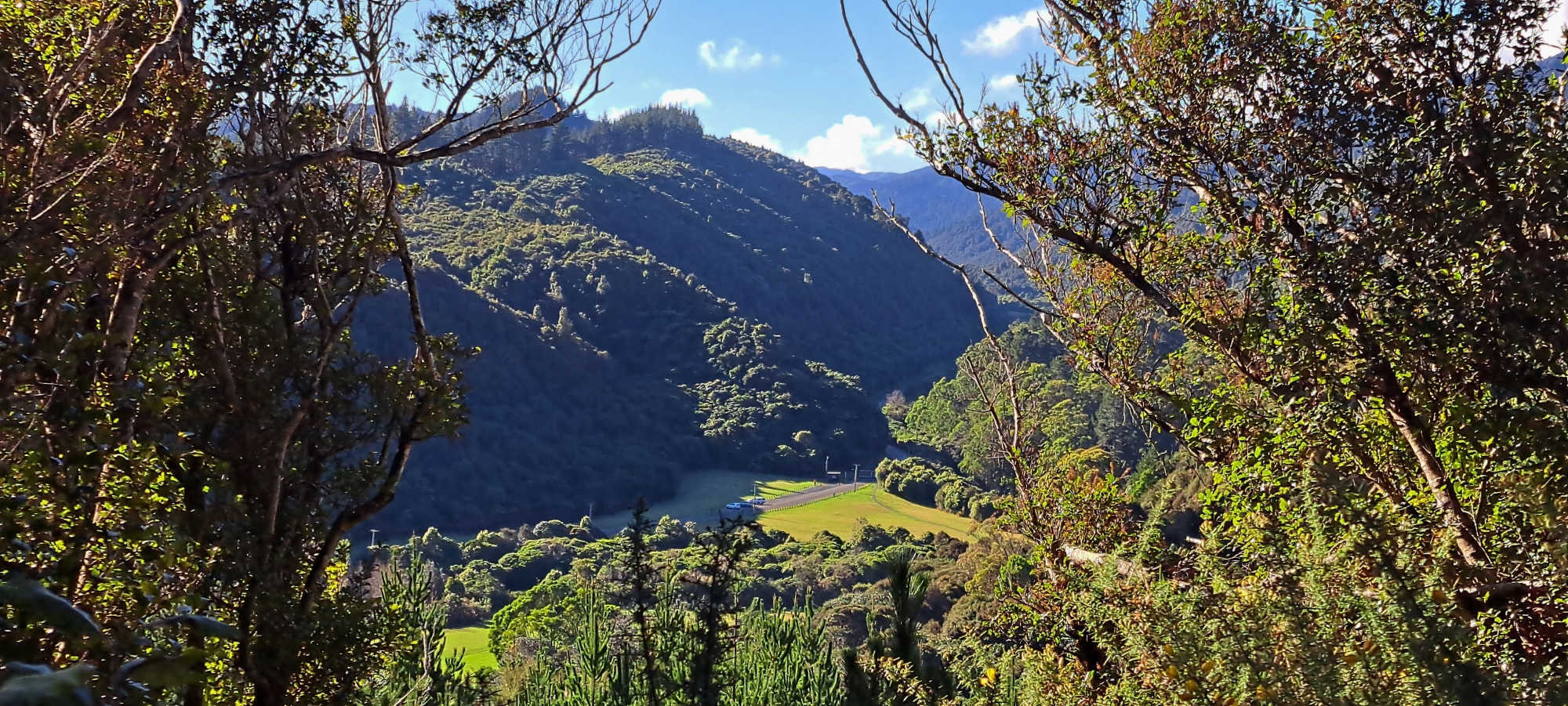
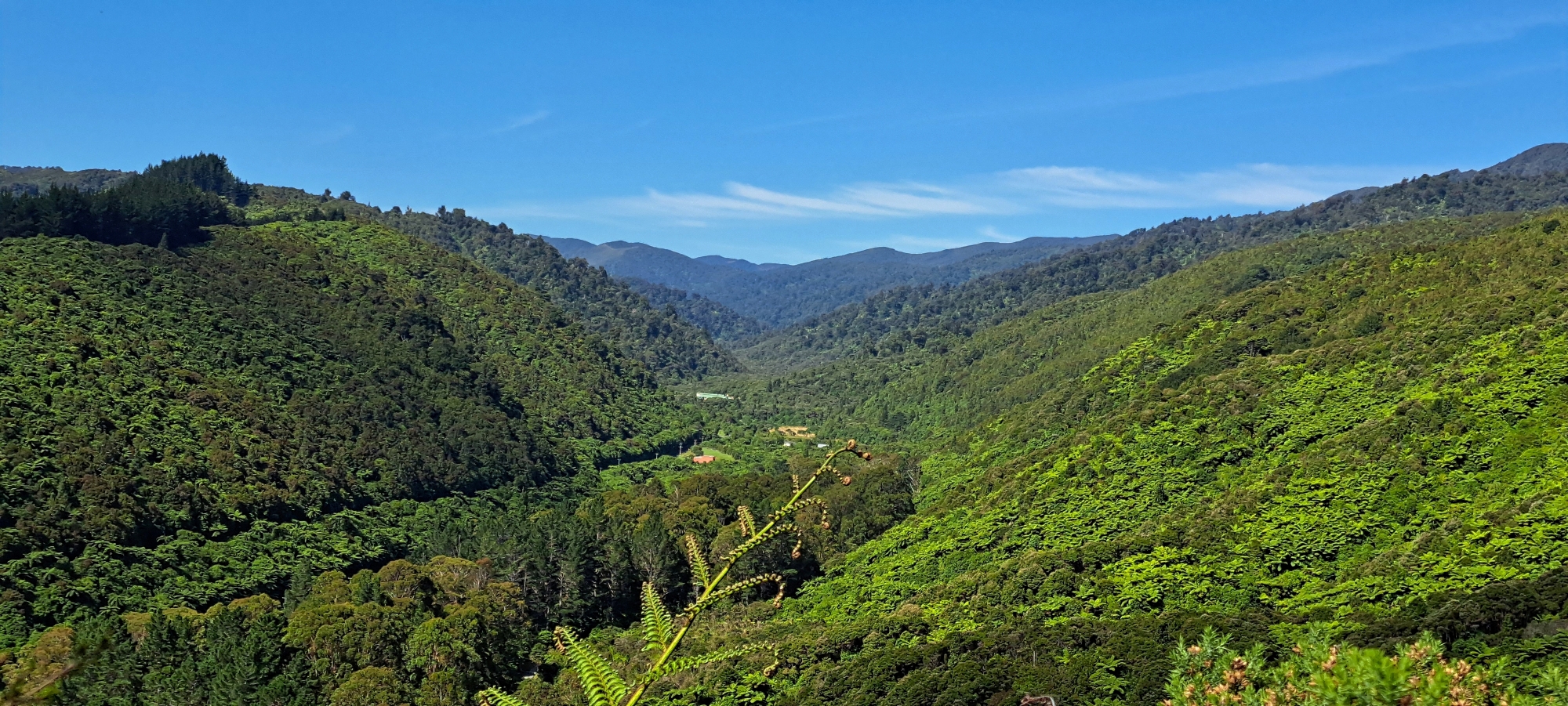
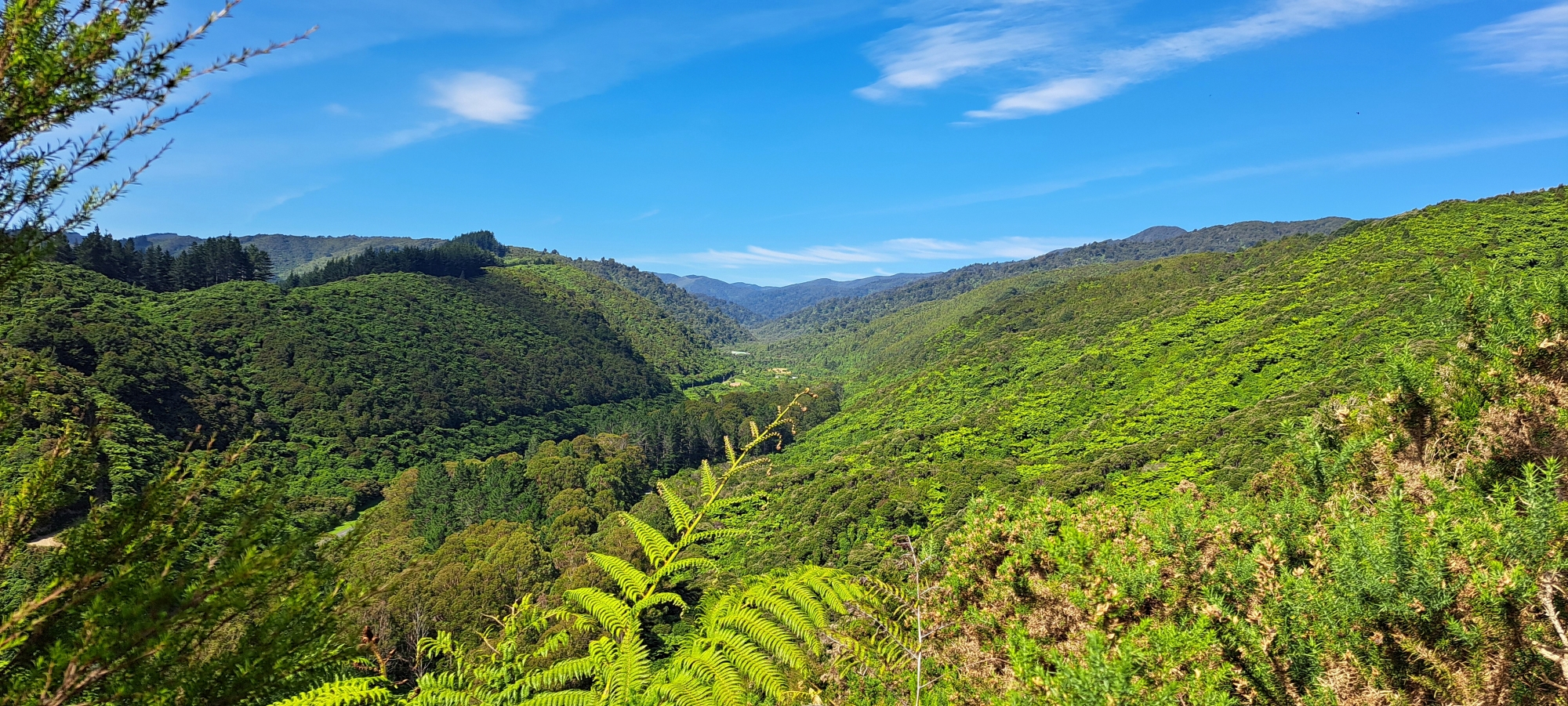
Reservoir Valley forms the upper reaches of the Wainuiomata Valley, following the Wainuiomata River north-east from the developed part of Wainuiomata into the forested hills. Today the valley is closely associated with the Wainuiomata water supply, but its history stretches back to the earliest European settlement of the area.
From Sinclair Valley to Reservoir Valley
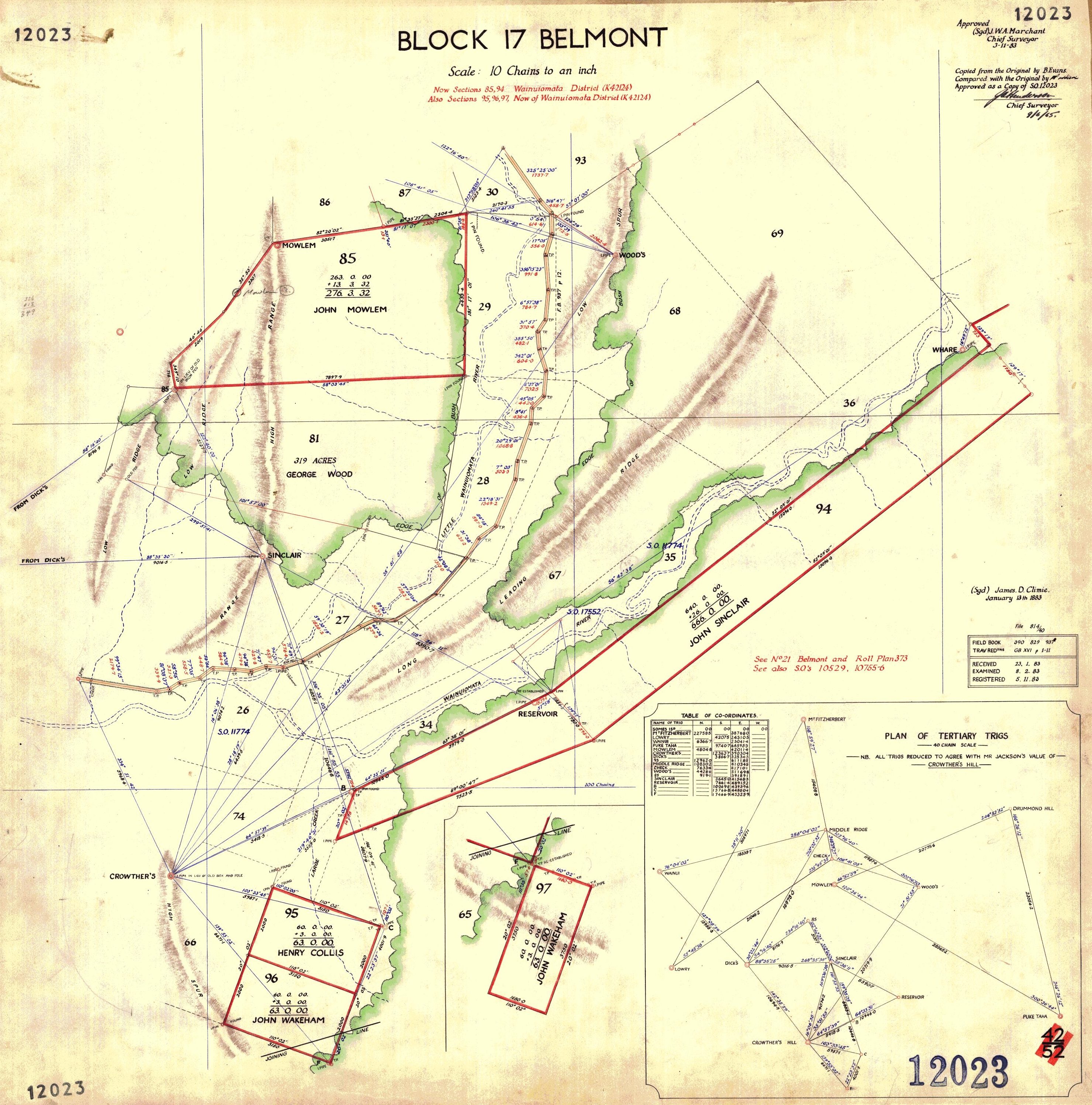
During the nineteenth century the area was known as Sinclair Valley, named after the Sinclair family, who owned extensive land and operated a major timber-milling business in Wainuiomata. Hugh Sinclair acquired land in the upper catchment during the 1850s, and the family later logged much of the accessible forest.
A tramway was constructed through the valley to carry timber towards the Sinclair sawmill. It initially used wooden rails before being upgraded with iron rails and a small steam locomotive.
The character of the valley changed dramatically when Wellington began searching for a larger and more reliable water supply. In 1878, the upper Wainuiomata River was identified as a suitable source, and Wellington City Council began securing land within the catchment. As waterworks increasingly dominated the area, Sinclair Valley gradually became known as Waterworks Valley and, later, Reservoir Valley.
The Lower Dam
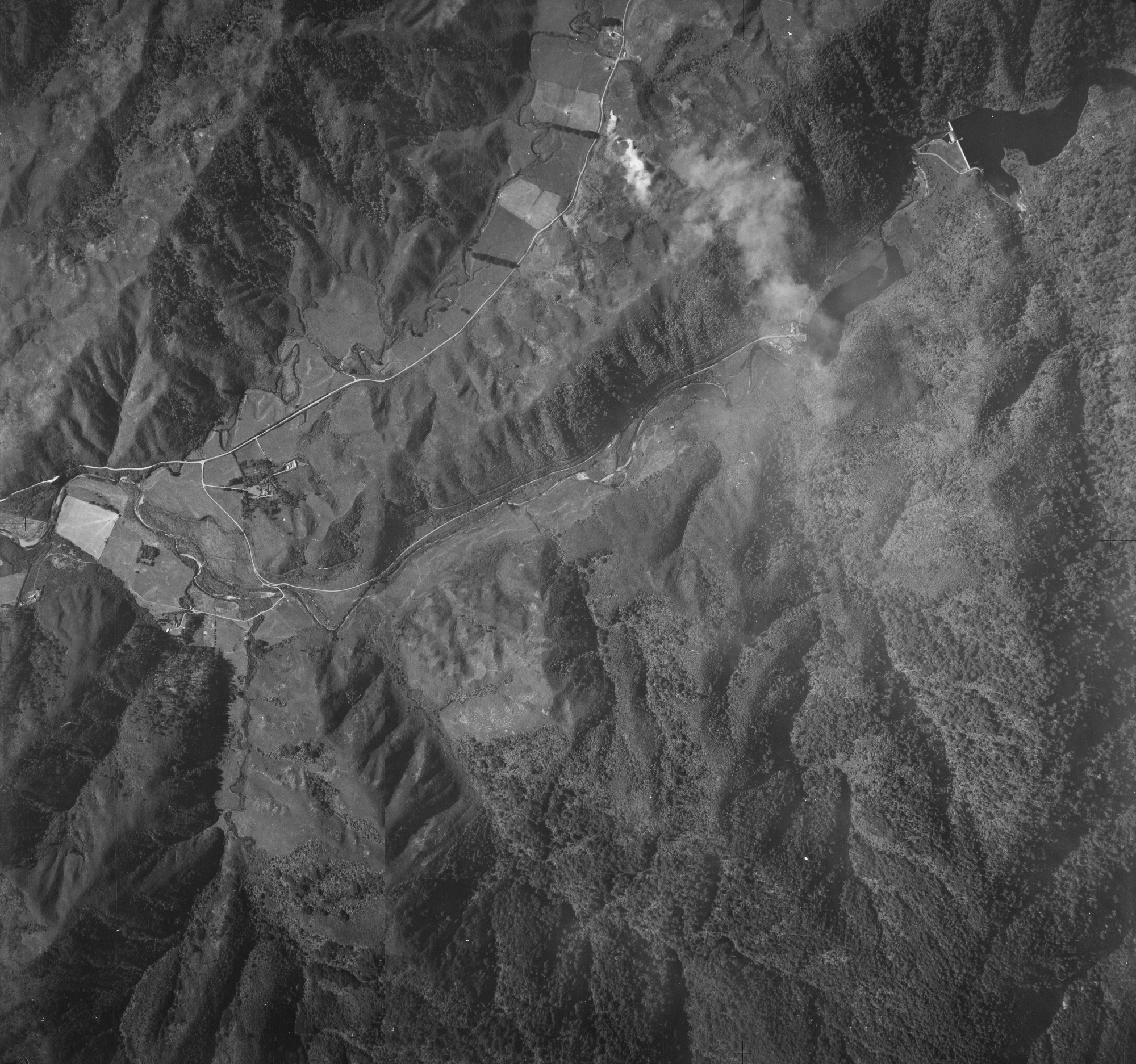
The first major reservoir was constructed on the Wainuiomata River near the lower end of Reservoir Valley. Work began following the selection of the site in 1878, with the Lower Dam completed in 1884.
Water was carried from the reservoir through a concrete water race and then into a pipeline running through a tunnel through the Waiwhetu hills and onwards to Wellington. The scheme transformed Reservoir Valley into an important piece of regional infrastructure and allowed Wellington to draw drinking water from Wainuiomata for the first time.
For decades the reservoir and surrounding catchment were largely closed to the public in order to protect Wellington’s drinking water.
Morton Dam
As Wellington grew, the original reservoir could no longer provide sufficient storage. Construction of a much larger dam began further up Reservoir Valley, with Morton Dam completed in 1911.
Morton Dam became the principal storage reservoir in the Wainuiomata catchment and remained an important component of Wellington’s water supply for most of the twentieth century. Later, the neighbouring Ōrongorongo catchment was also connected to the system by a tunnel and pipeline, further increasing the amount of water available to the region.
By the late 1980s Morton Dam had reached the end of its useful operational life and was decommissioned. The reservoir was drained and part of the dam was breached so that the Wainuiomata River and George Creek could continue flowing through the site.
Reservoir Valley today
Although the great reservoirs that gave the valley its modern name are no longer used for water storage, Reservoir Valley remains central to Wellington’s drinking-water system.
A modern treatment plant opened in 1993, with water taken directly from weirs in the Wainuiomata and Ōrongorongo catchments. The plant is capable of producing up to 60 million litres of treated water a day and supplies about 15 per cent of the water used across metropolitan Wellington.
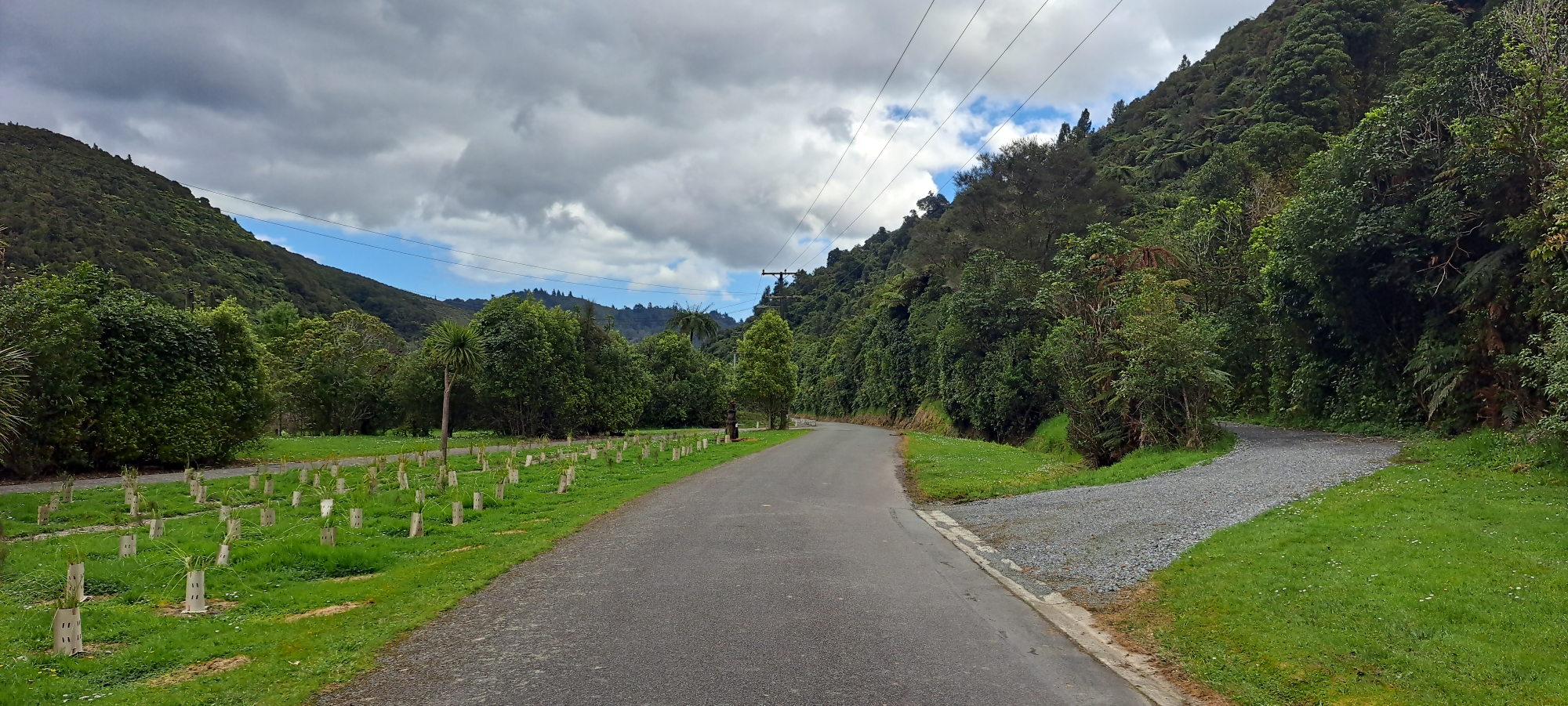
The lower part of Reservoir Valley now forms part of Wainuiomata Regional Park. Reservoir Road leads through regenerating native forest towards the old Lower Dam, its wetland and the Wainuiomata Water Museum. Tracks branching from the valley provide access to places such as Nīkau Creek, the Gums Loop and surrounding ridges.
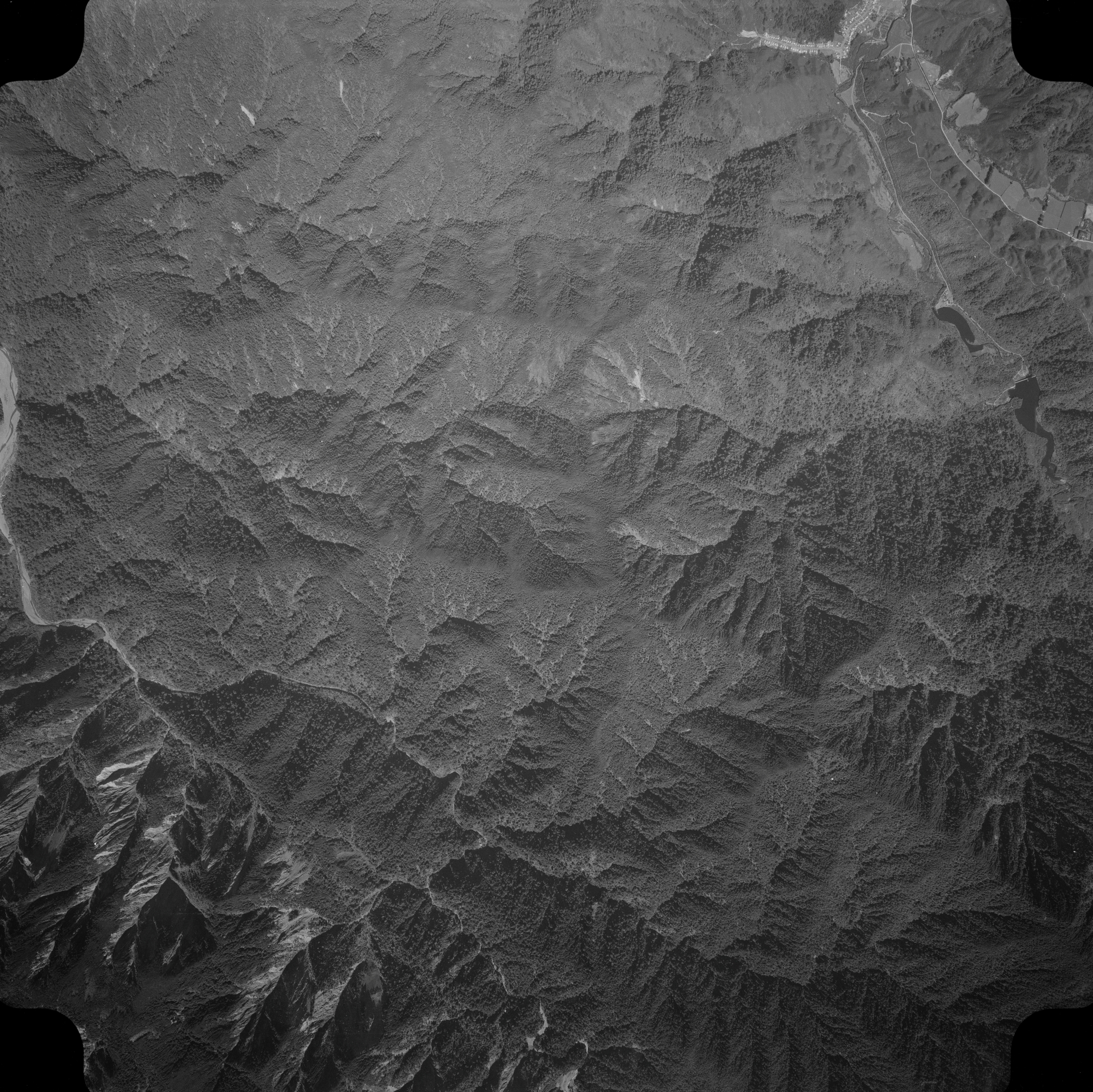
Beyond the public recreation area lies the Wainuiomata Water Collection Area, where access remains restricted to protect the water supply and the exceptionally valuable lowland native forest. Public entry into this upper part of Reservoir Valley is generally limited to organised guided walks.
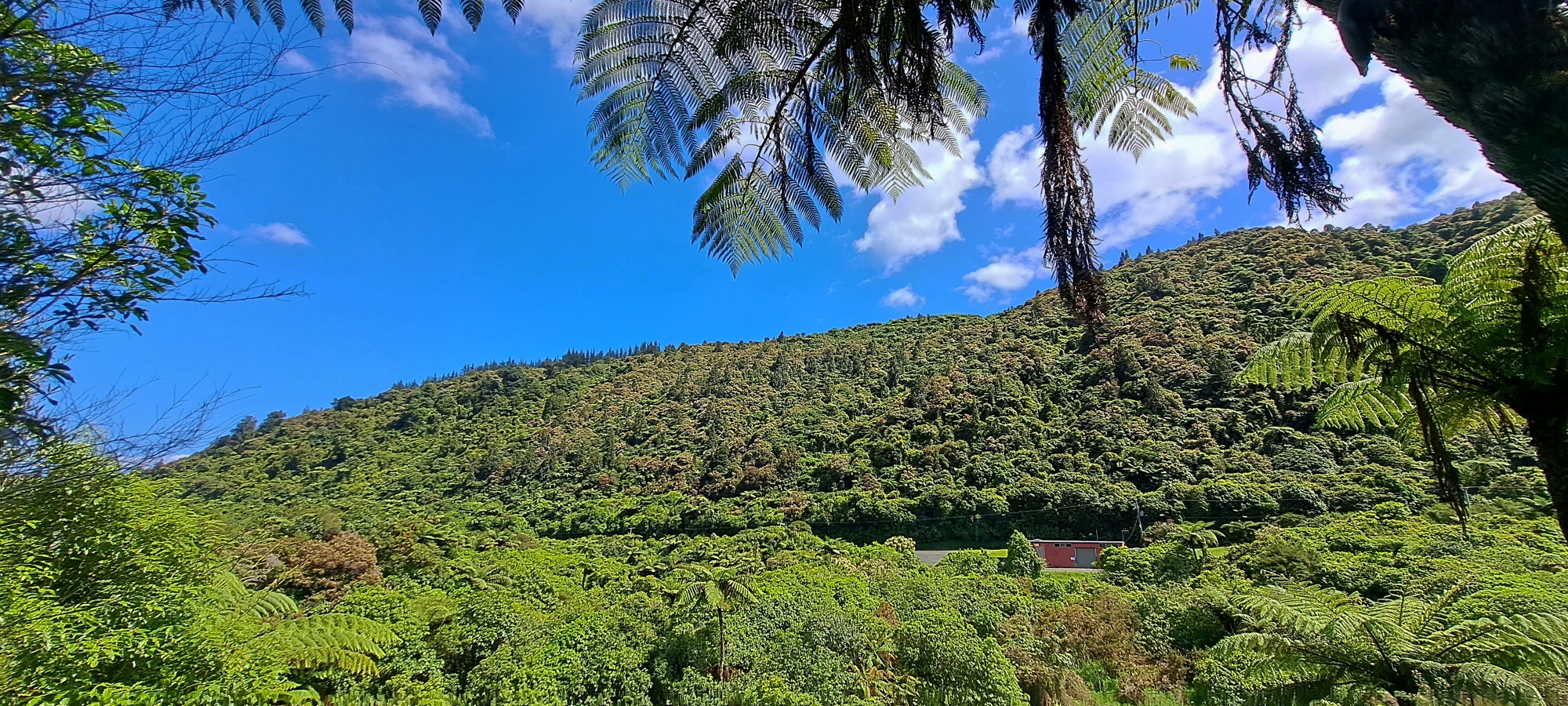
Reservoir Valley therefore contains several distinct layers of Wainuiomata’s history. It began as forested country crossed by Māori travelling between Te Whanganui-a-Tara and the Wairarapa, became Sinclair timber country during the nineteenth century, and was then transformed by dams, tramways, roads, pipelines and water races. Today, much of the forest has regenerated, while the remaining structures and tracks provide reminders of more than a century of water-supply history.