A bush treasure hunt uncovering traces of old tracks, pipeline relics and forgotten remains.
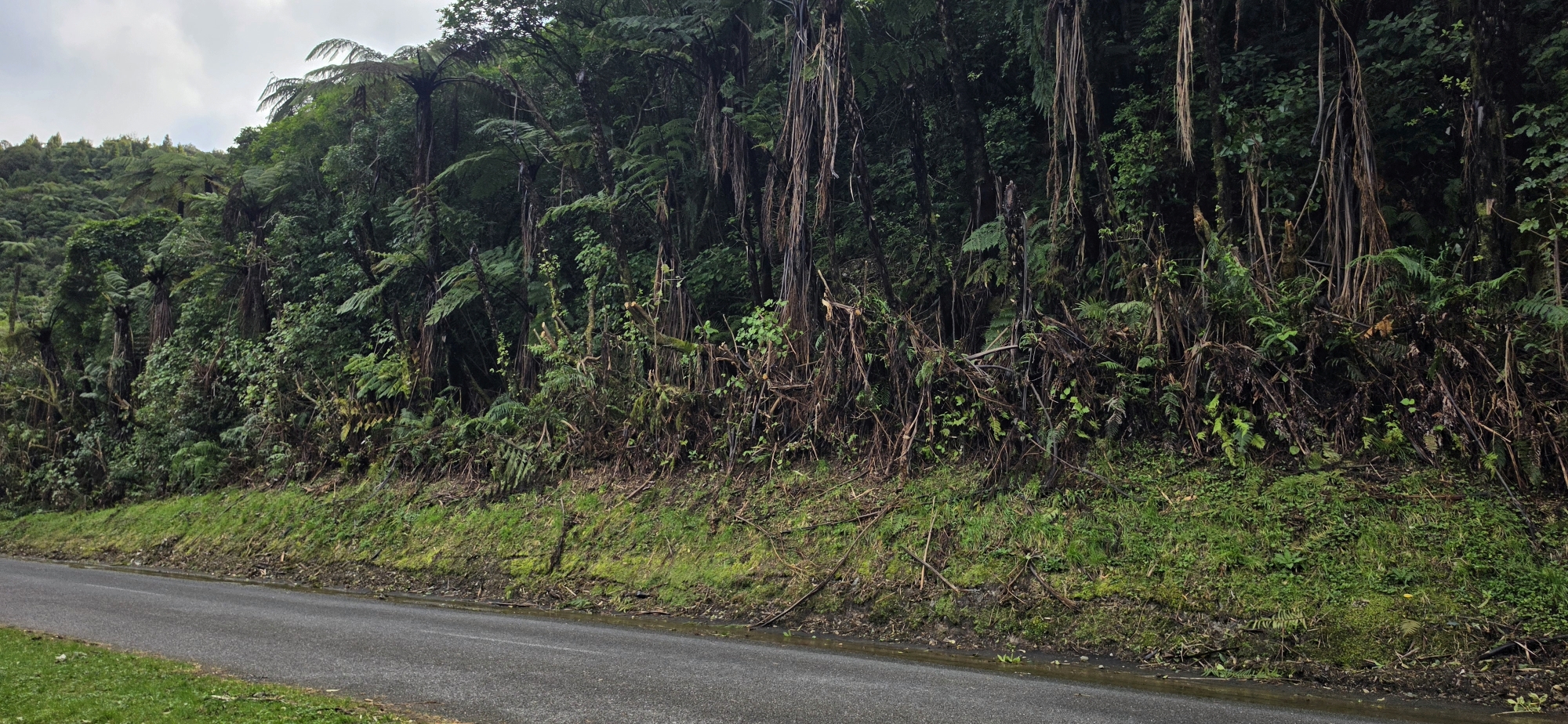
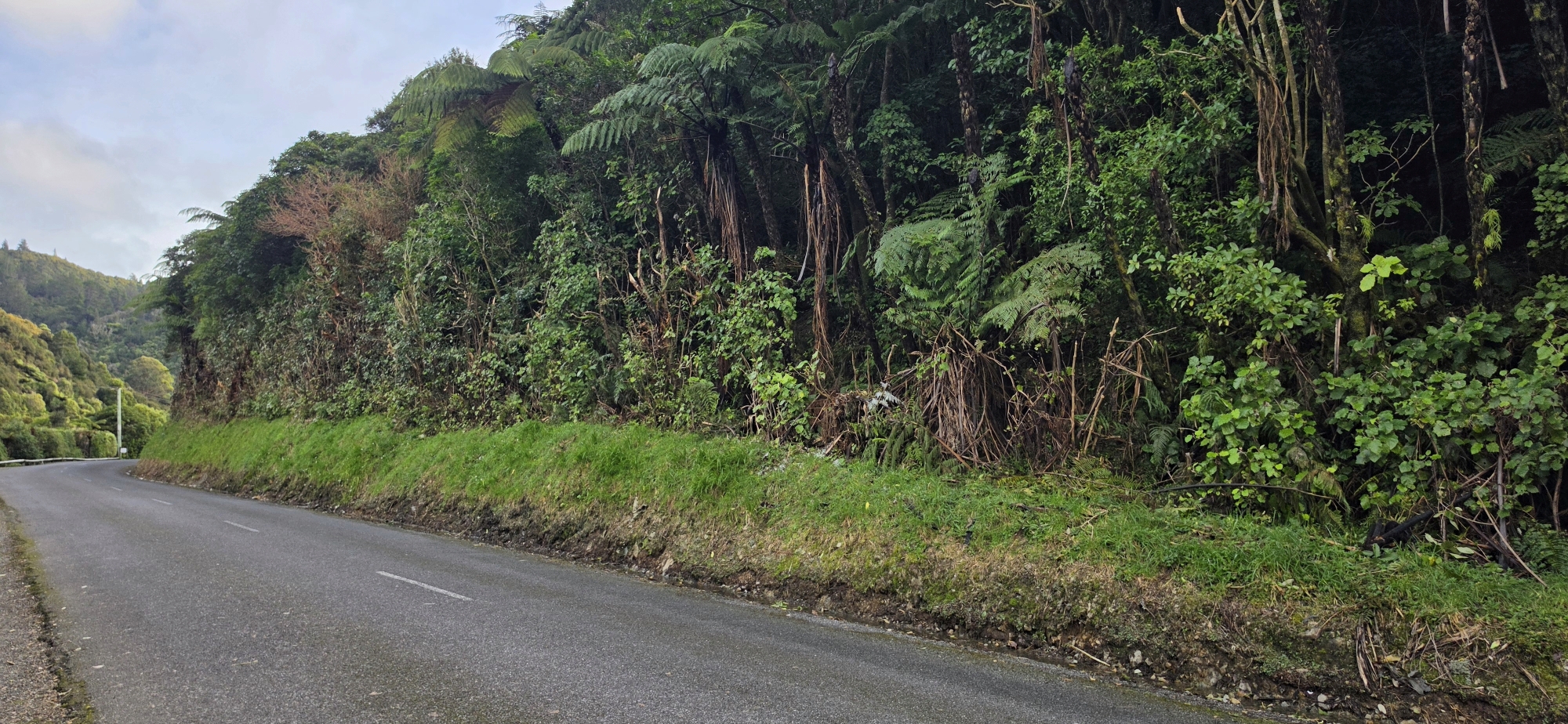
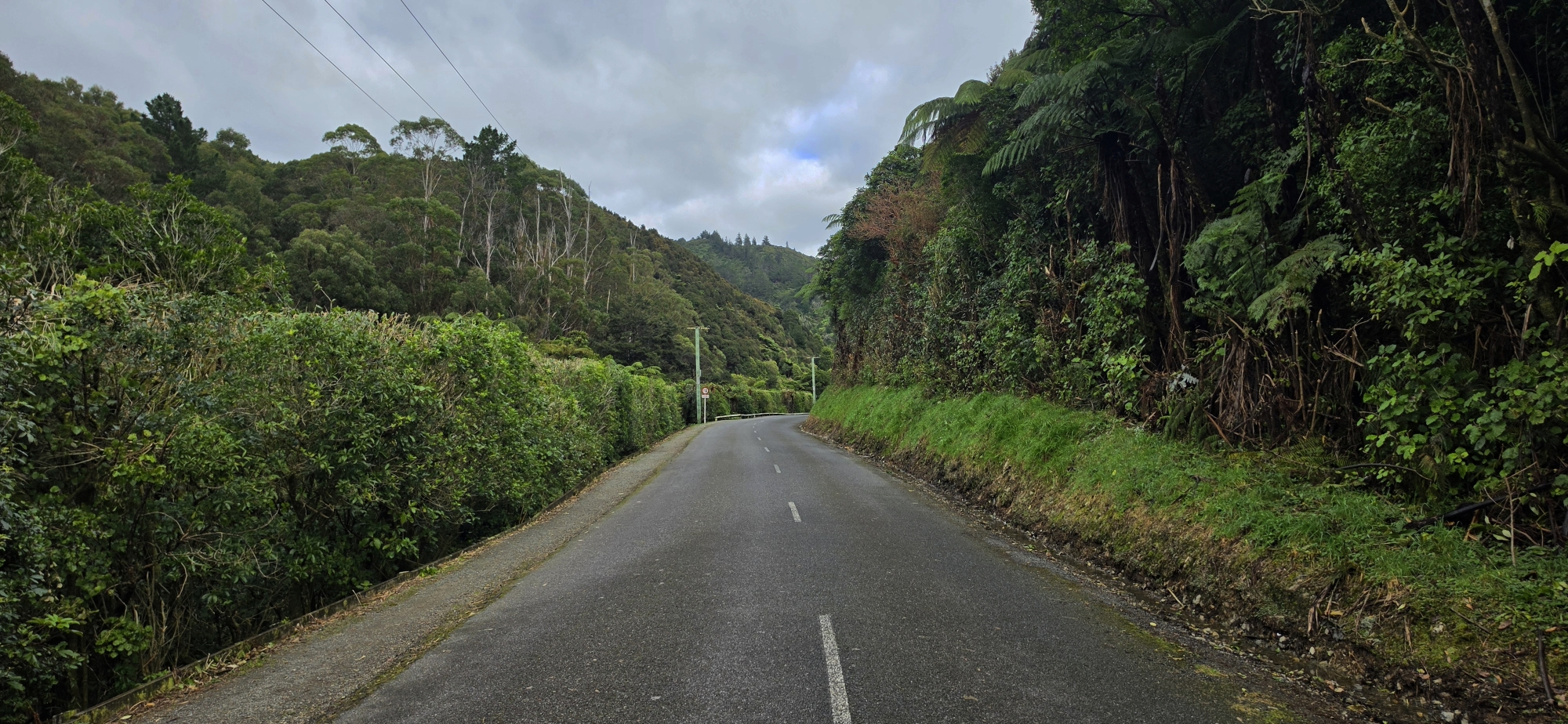
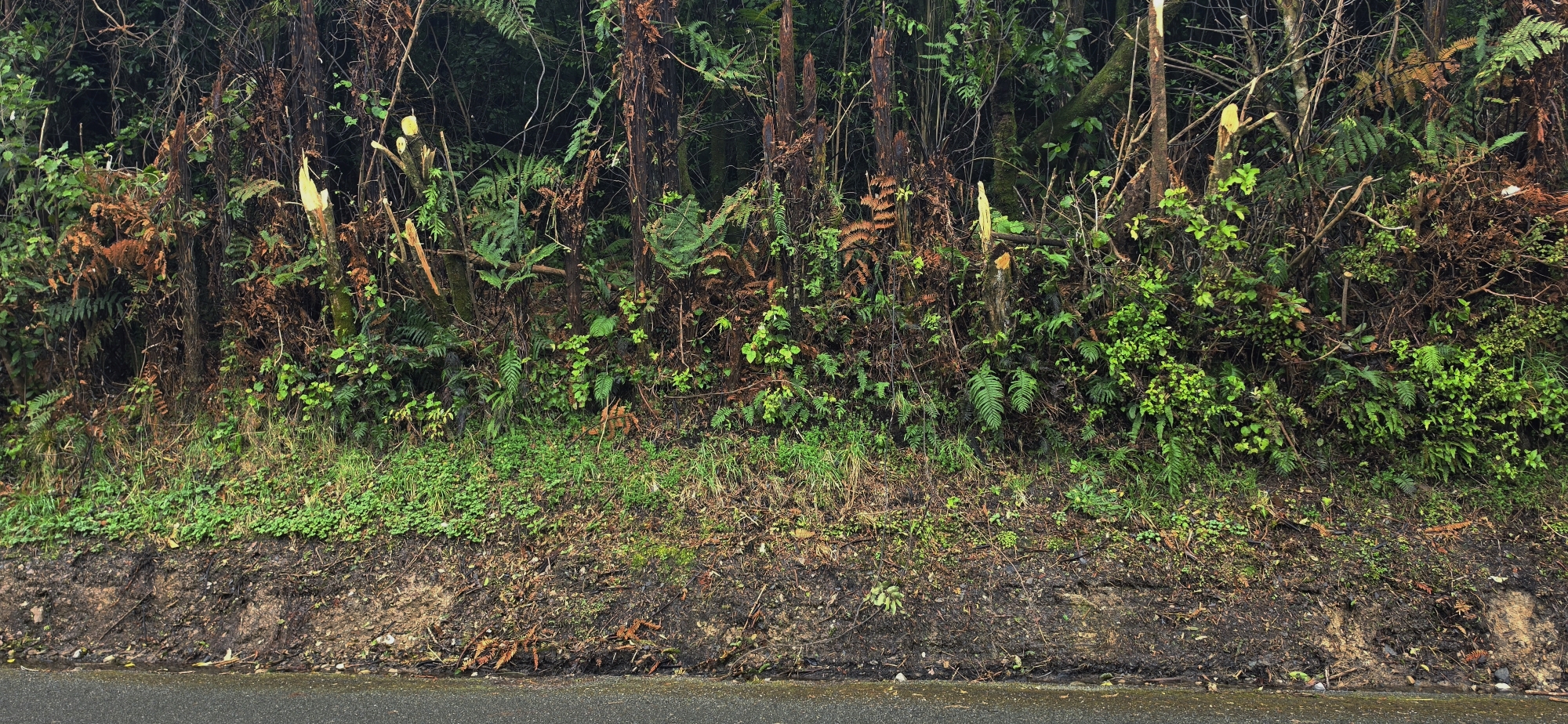
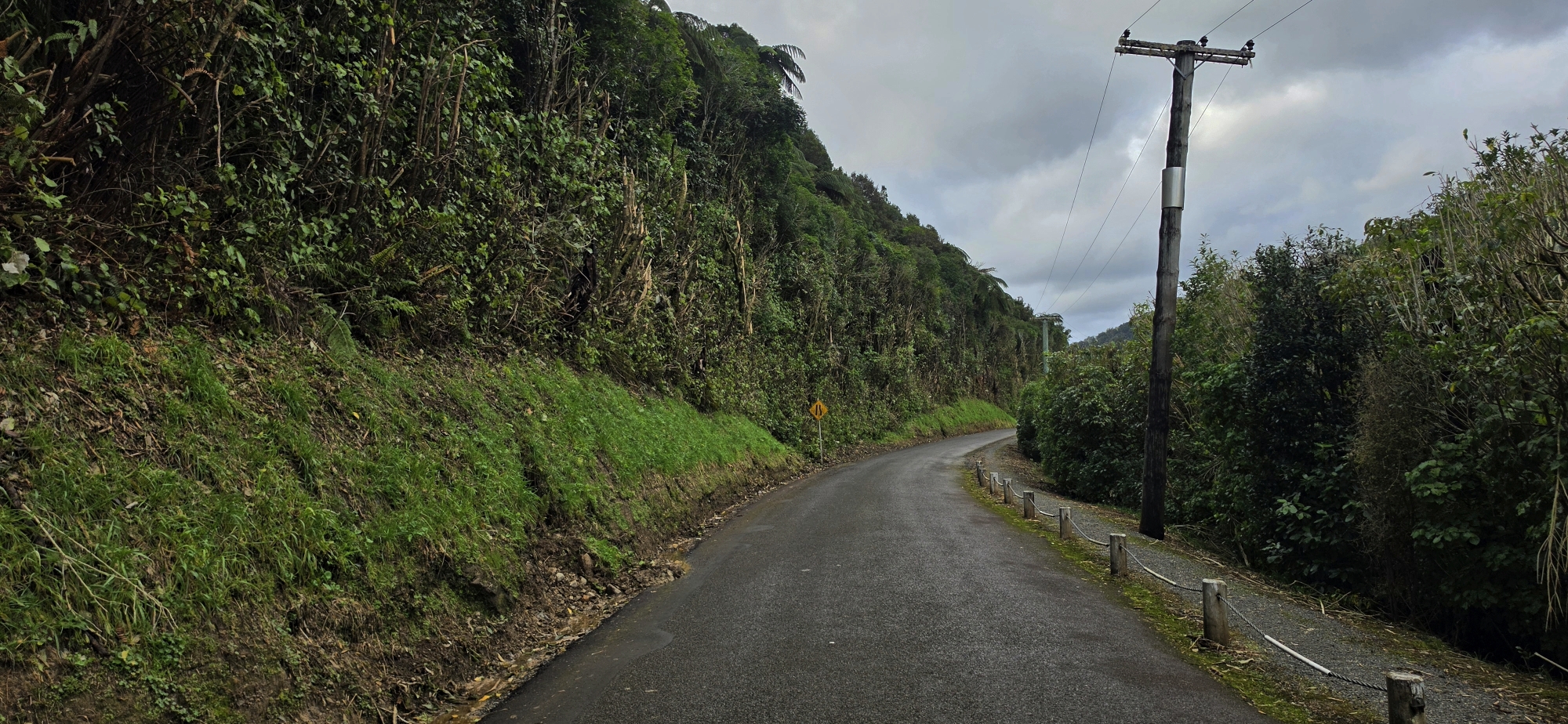 On my previous adventure, I had followed a network of established tracks. Today, I wanted the complete opposite: a proper bush bash and a search for traces of the past. I parked at Reservoir Road, passed through the gate and immediately noticed that the trees along both sides had recently been cut back. This may only happen once every decade or so, as I could not remember ever seeing the roadside this open before. For once, I had a much clearer view up the hillside to my left and down towards the Wainuiomata River on my right.
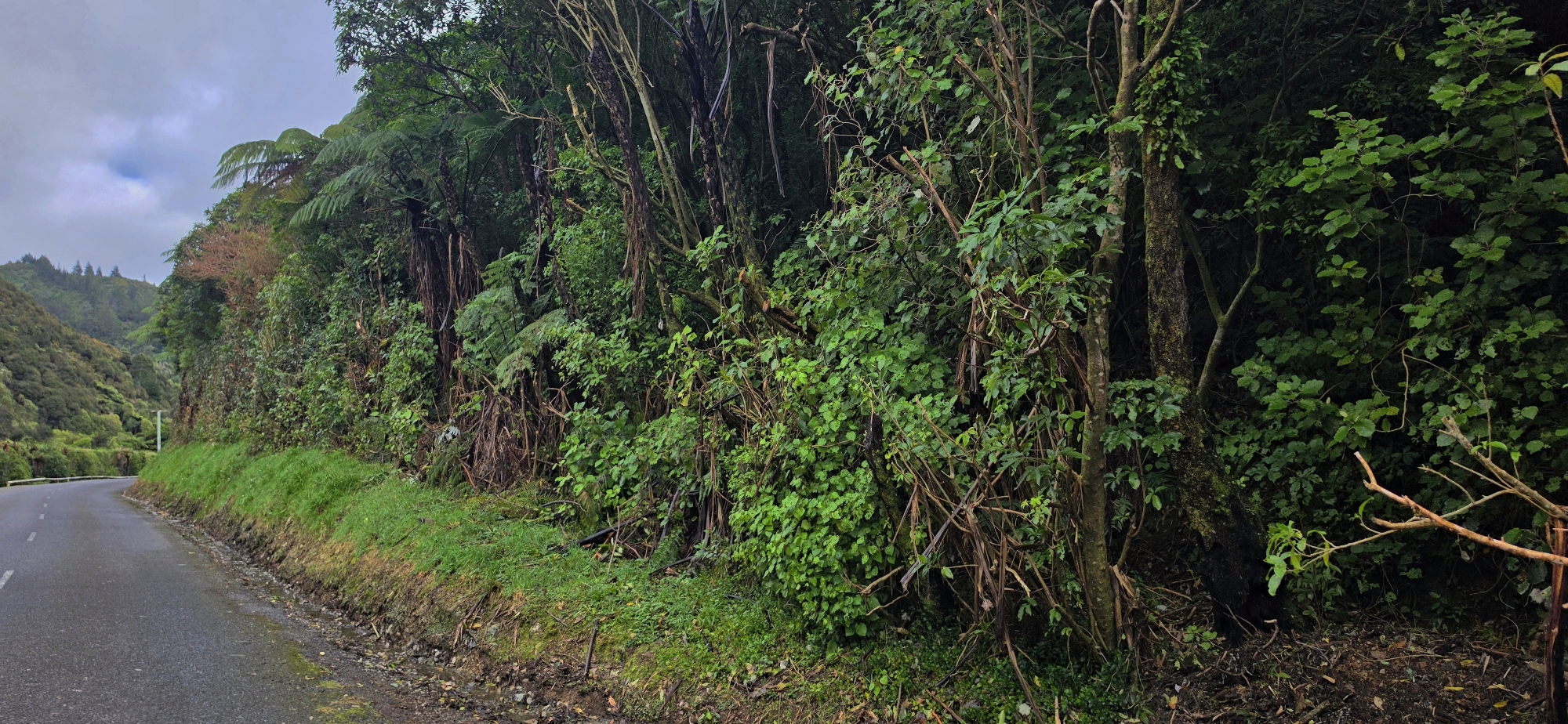 The newly partially opened views revealed an old track beginning near the security gate. I had walked different sections of it on previous visits, but this was the first time I had been able to see how the fragments appeared to connect. The bench-cut formation rose and fell as it followed the natural contours of the hillside.
Its original purpose remains uncertain. Perhaps this was the alignment of an old steel tramway and the modern road that came later was widened and cut into the bank in places. Another possibility is that this bench-cut route predates the steel tramway and may once have carried an earlier wooden tramway. At this stage, there are more questions than answers, but that is part of what makes exploring this area so interesting.
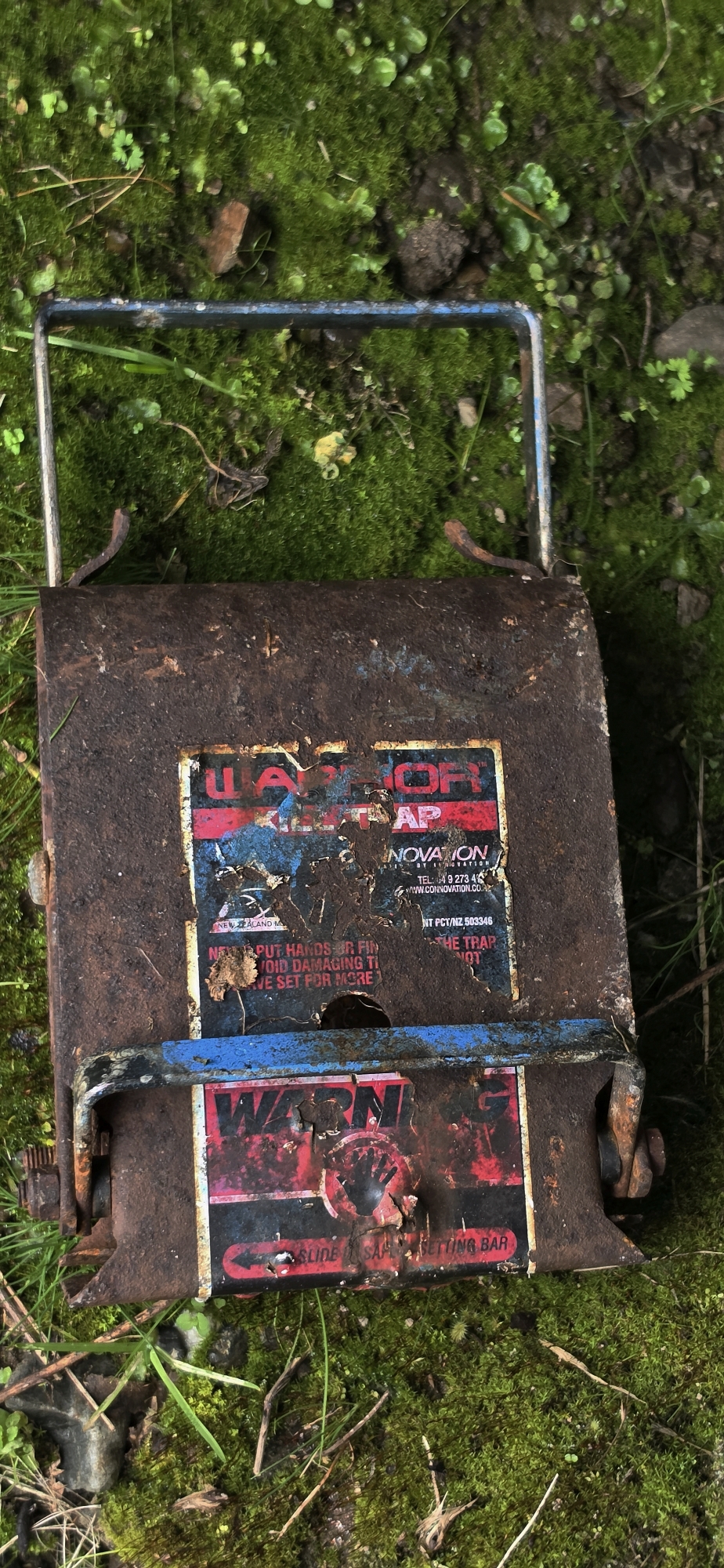
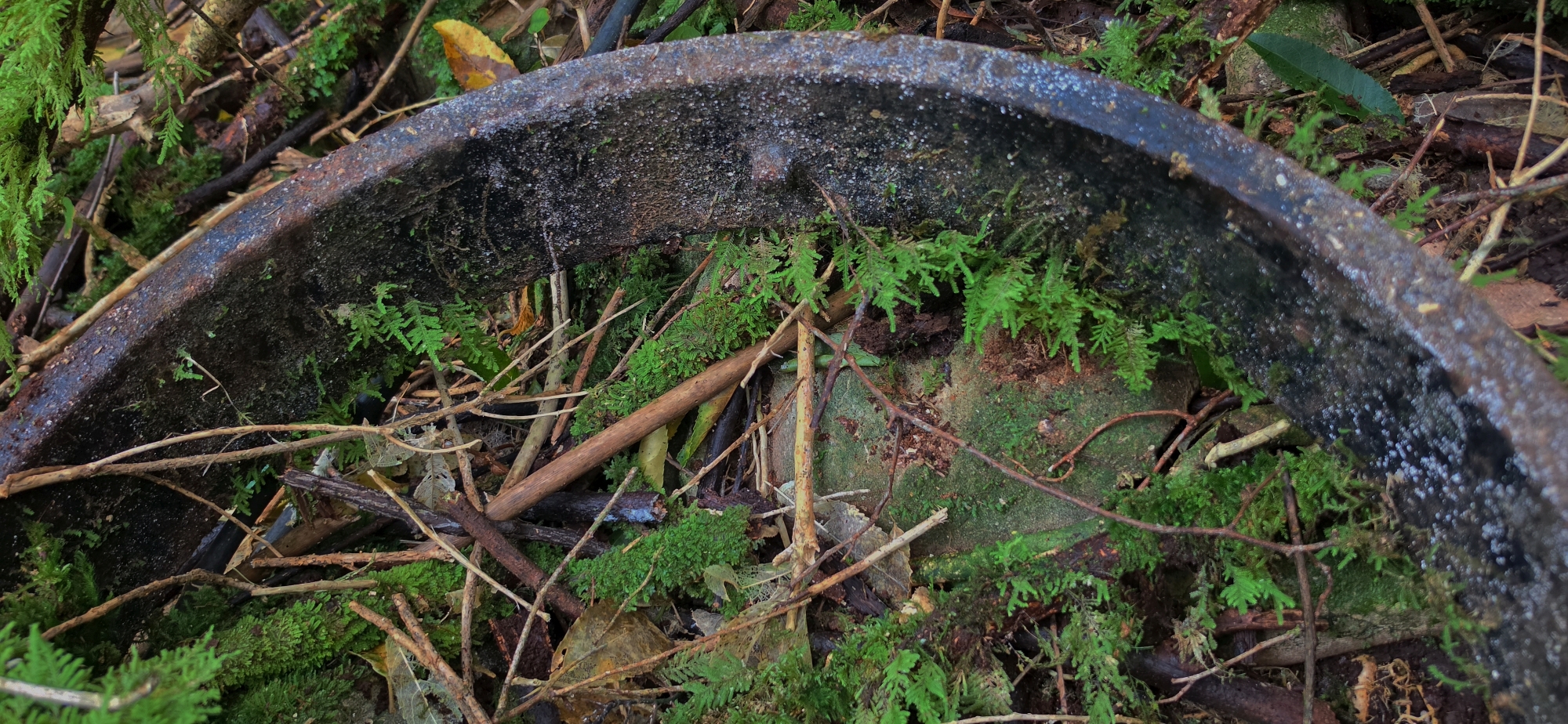
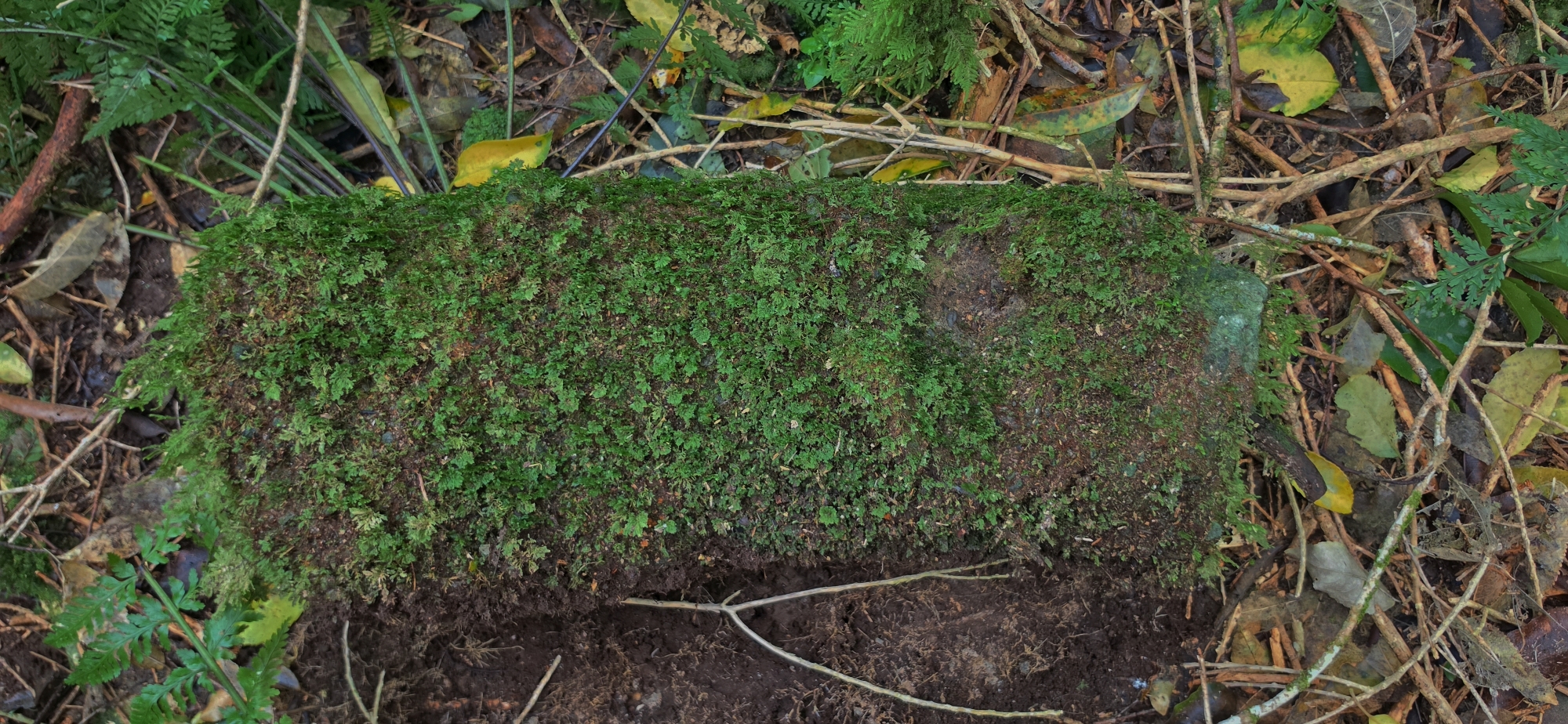
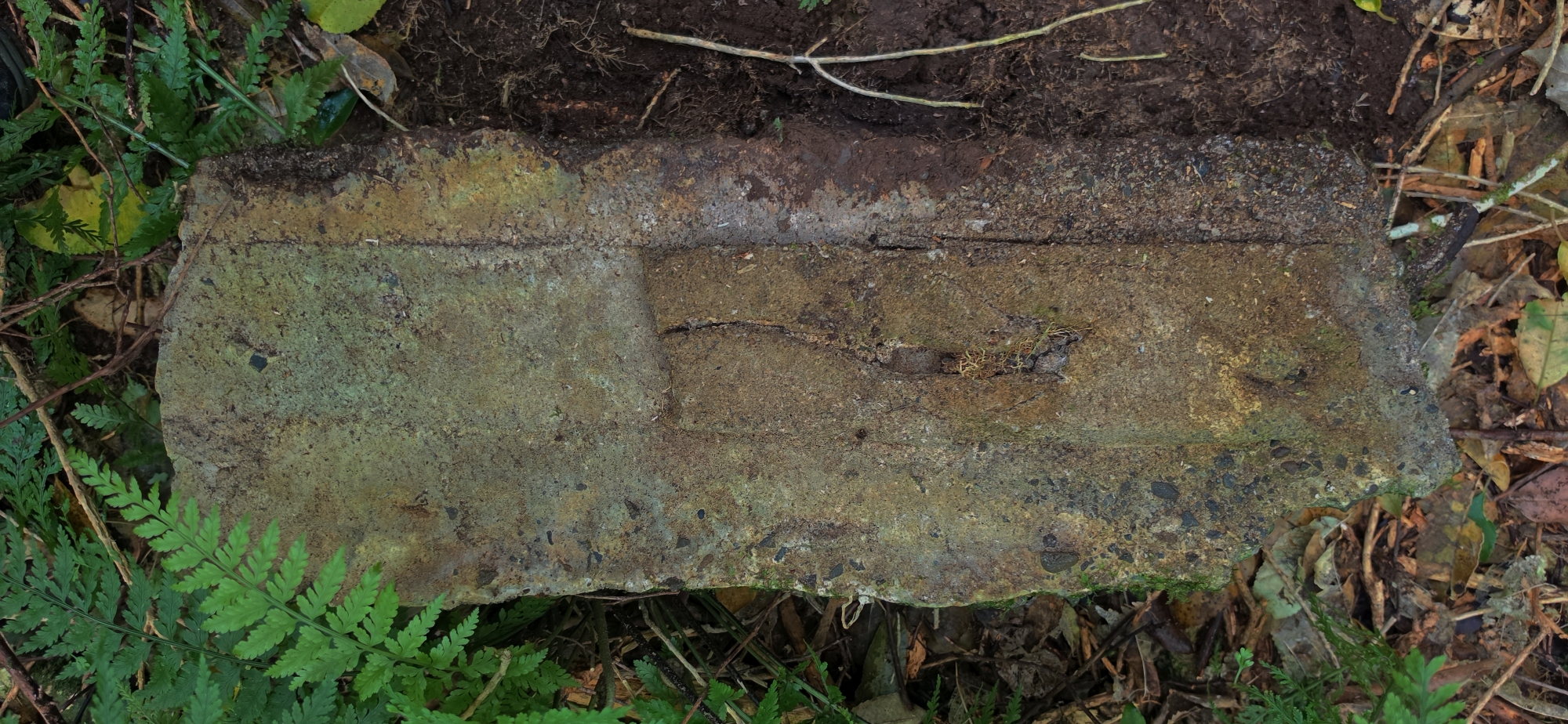
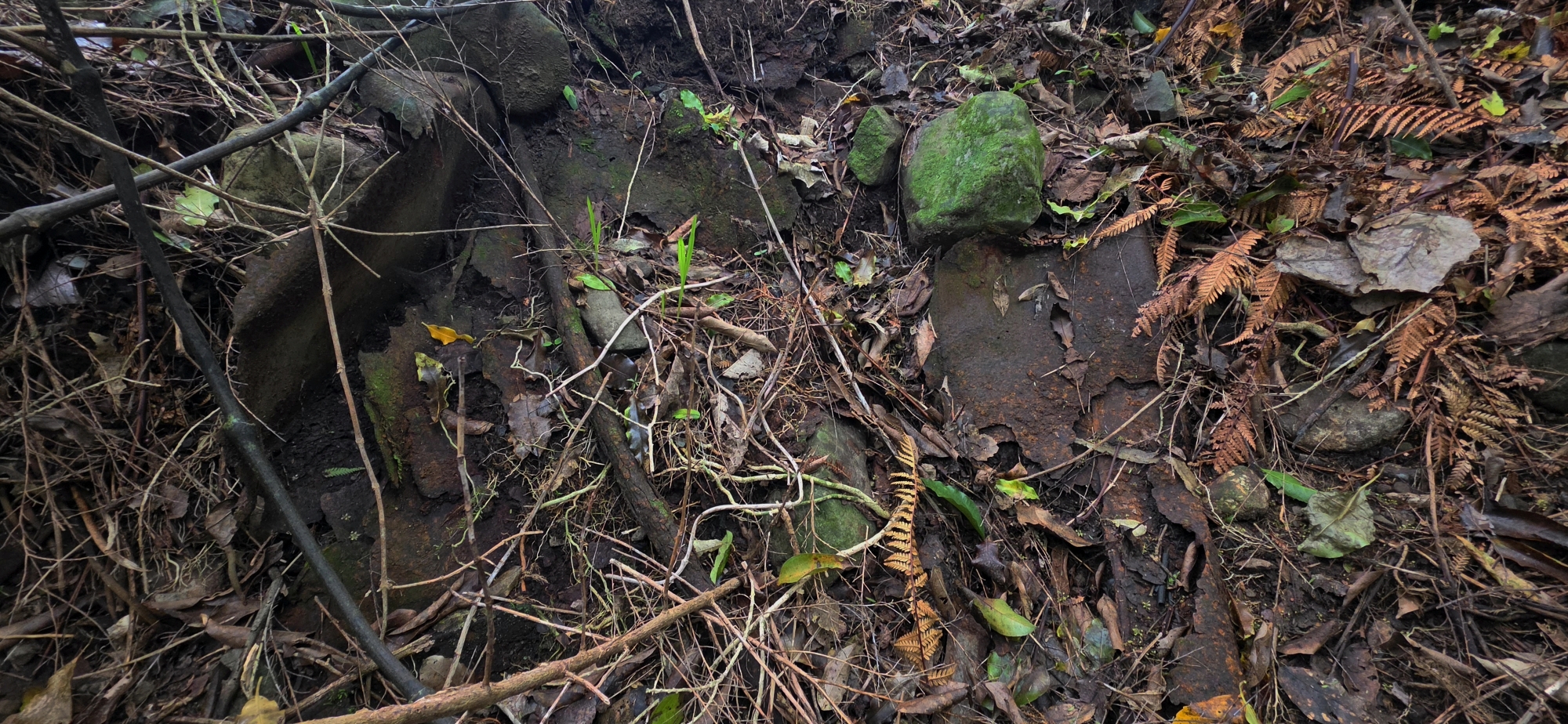
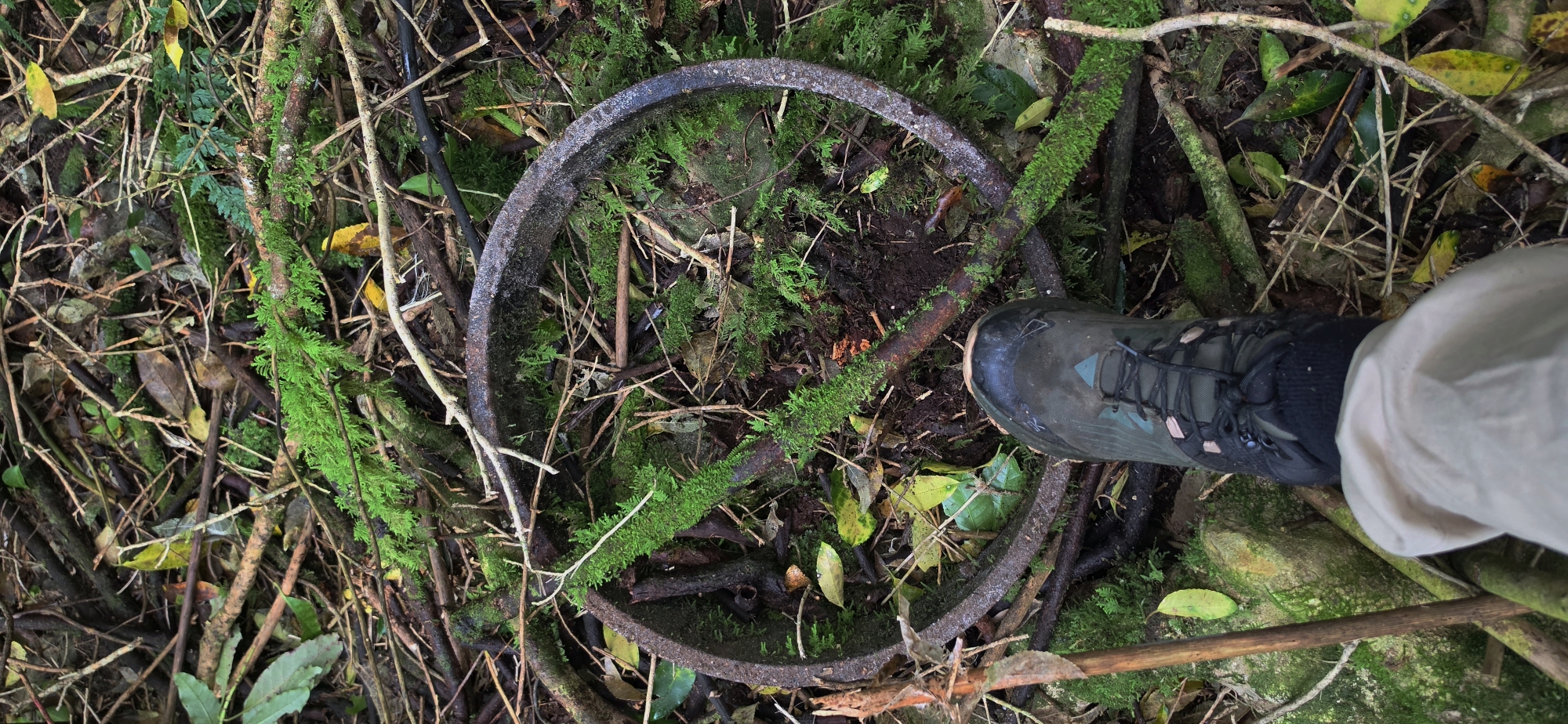 Farther east, the old formation appeared to fade into the vegetation. However, I knew there was another cut section hidden a short distance inside the bush, so I left the road and began searching that area. Before long, I spotted what appeared to be an old sheet of metal. A minute or two later, I uncovered a heavy steel ring that was probably associated with the Ōrongorongo Pipeline given it was found below the route of that pipeline. A large custom concrete brick was nearby.
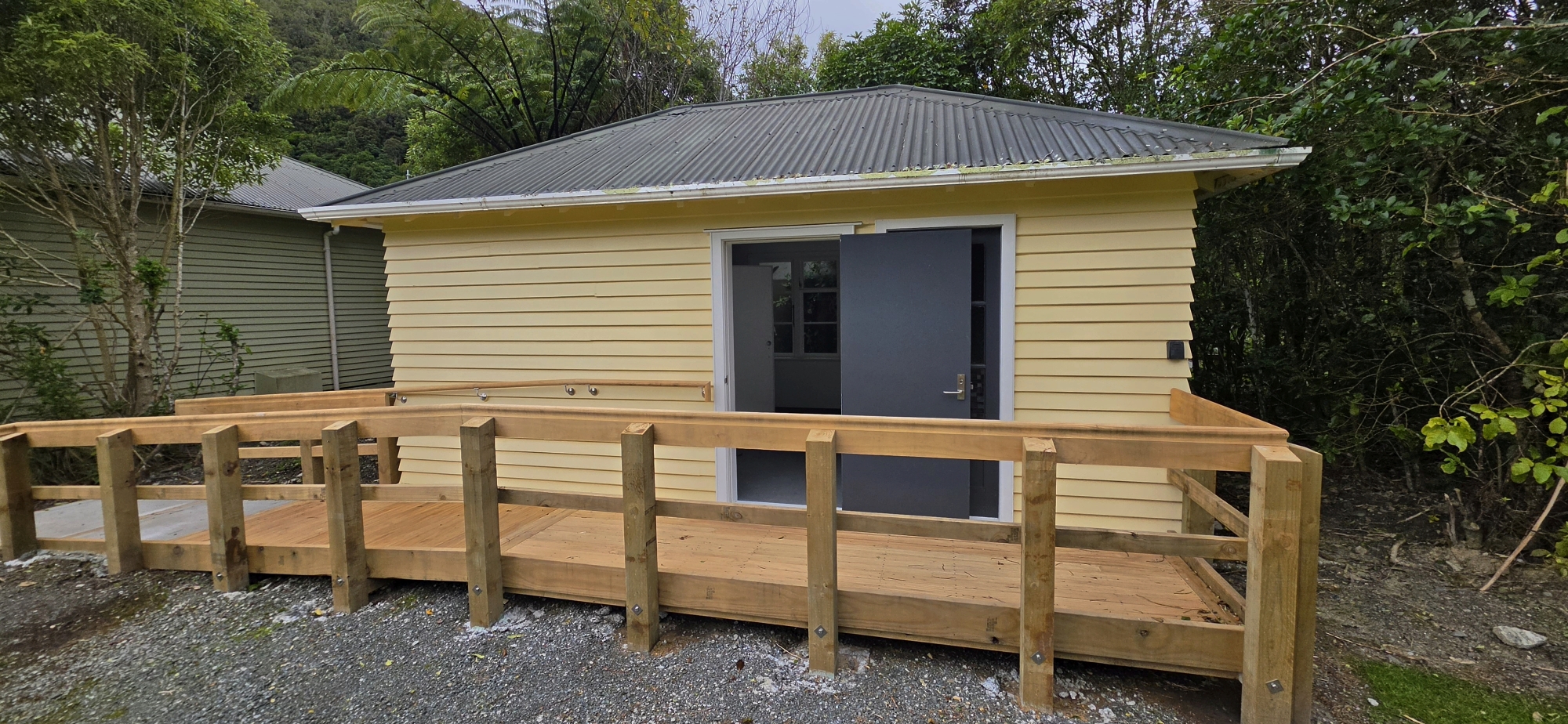
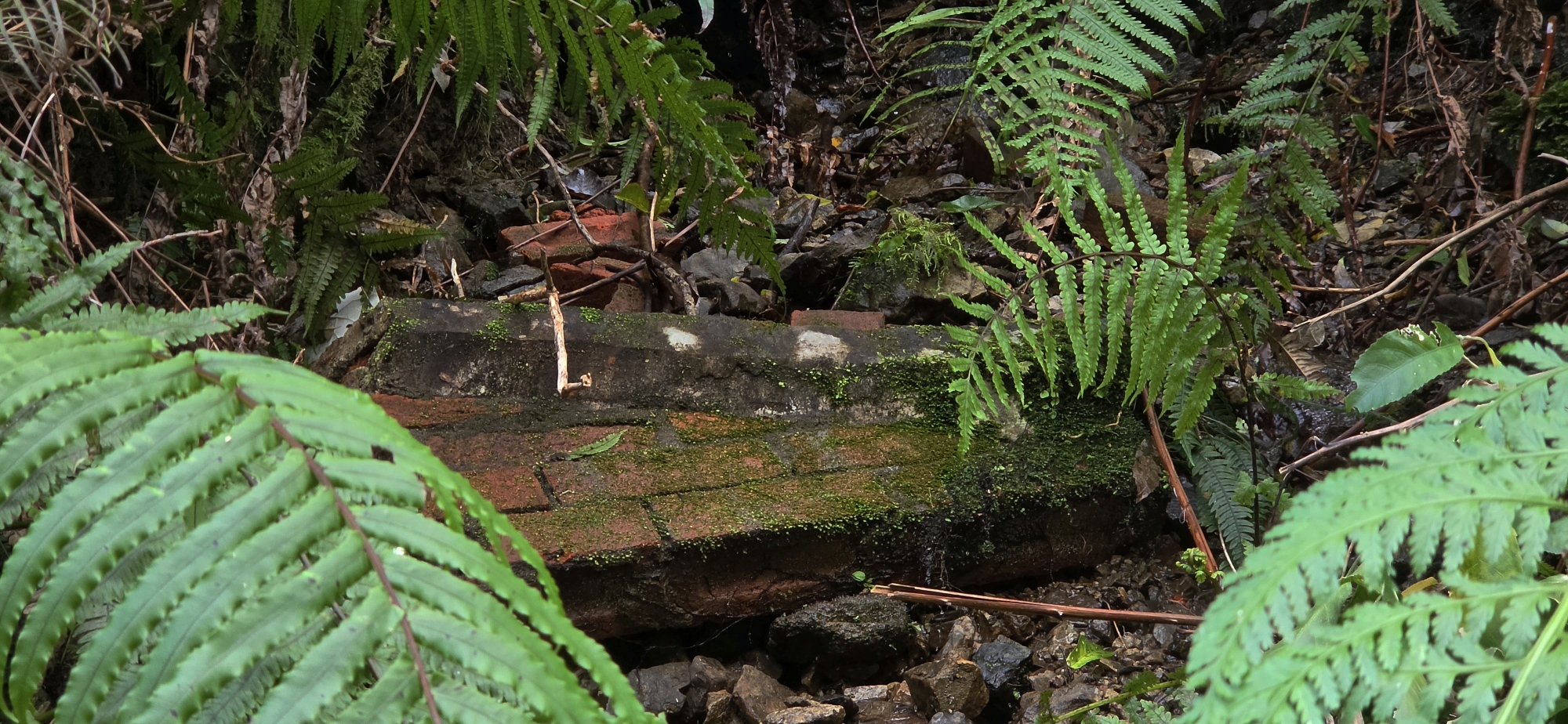
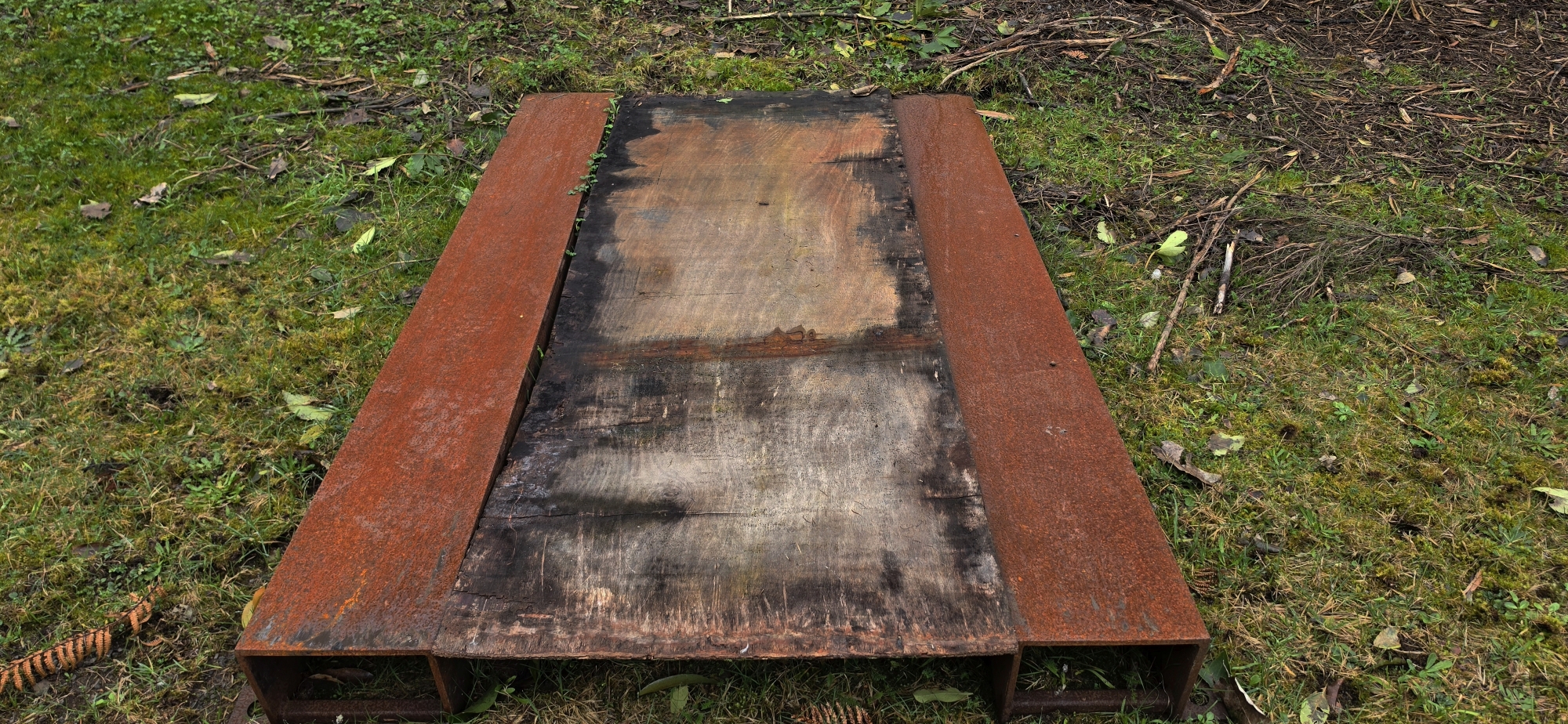
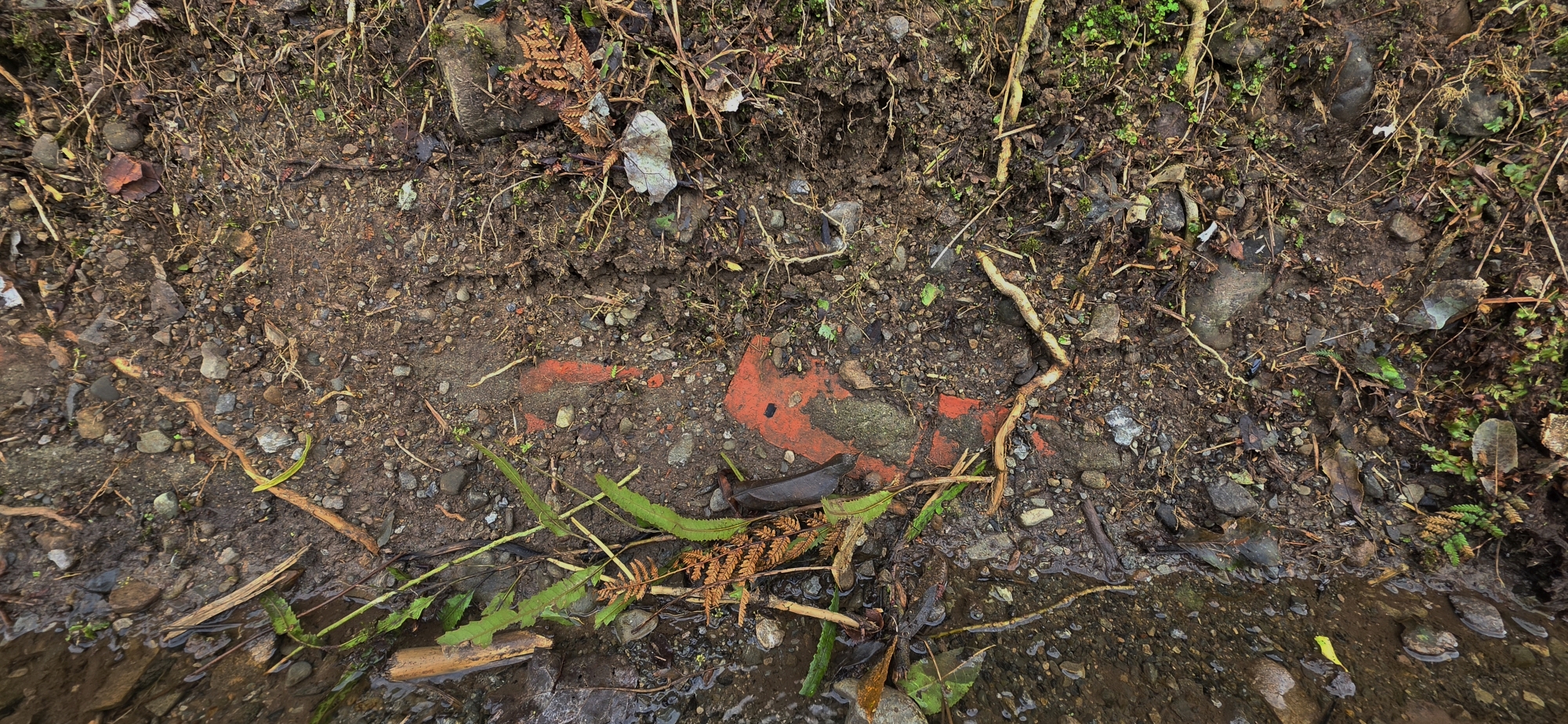
Back on the road, I continued east, noticing several clay bricks embedded in the bank in a couple of places, a large concrete slab on the bank, and an old steel-and-timber ramp that may have been uncovered and placed beside the road after the vegetation was cut back. I passed the new toilet block near the ranger’s office before reaching the old dam and continuing towards the second security gate. The gate had been left open to accommodate the unusually heavy traffic, which included Tiaki Wai vehicles, delivery vans and a truck.
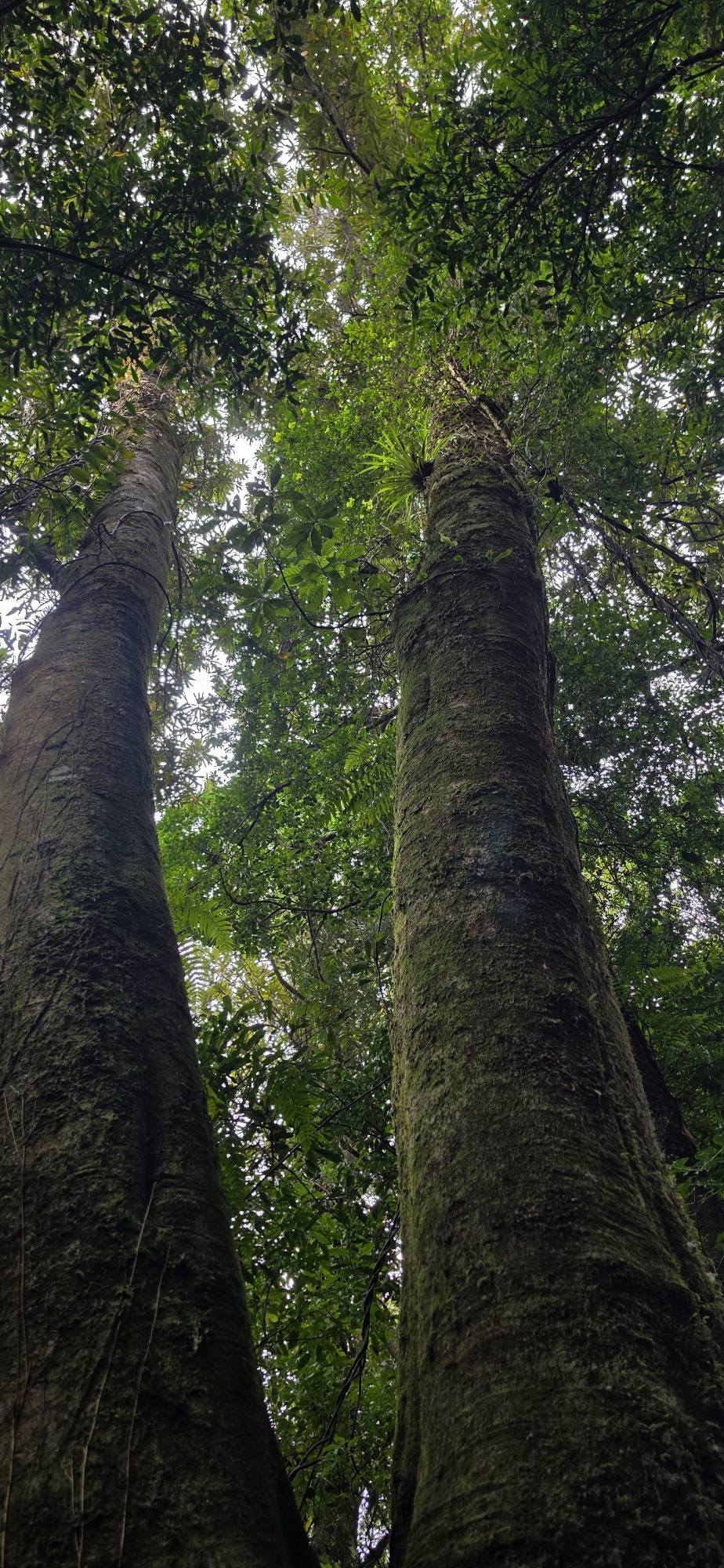
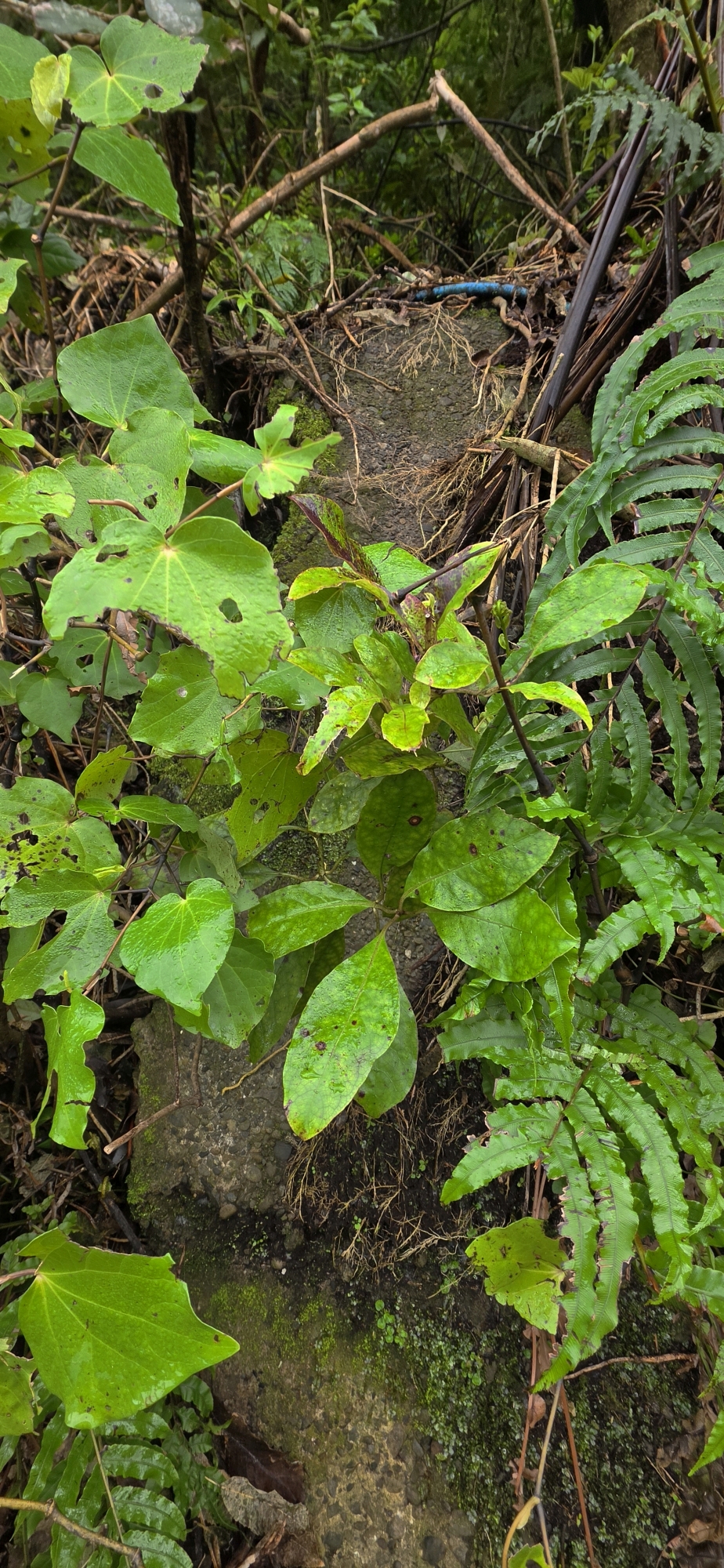
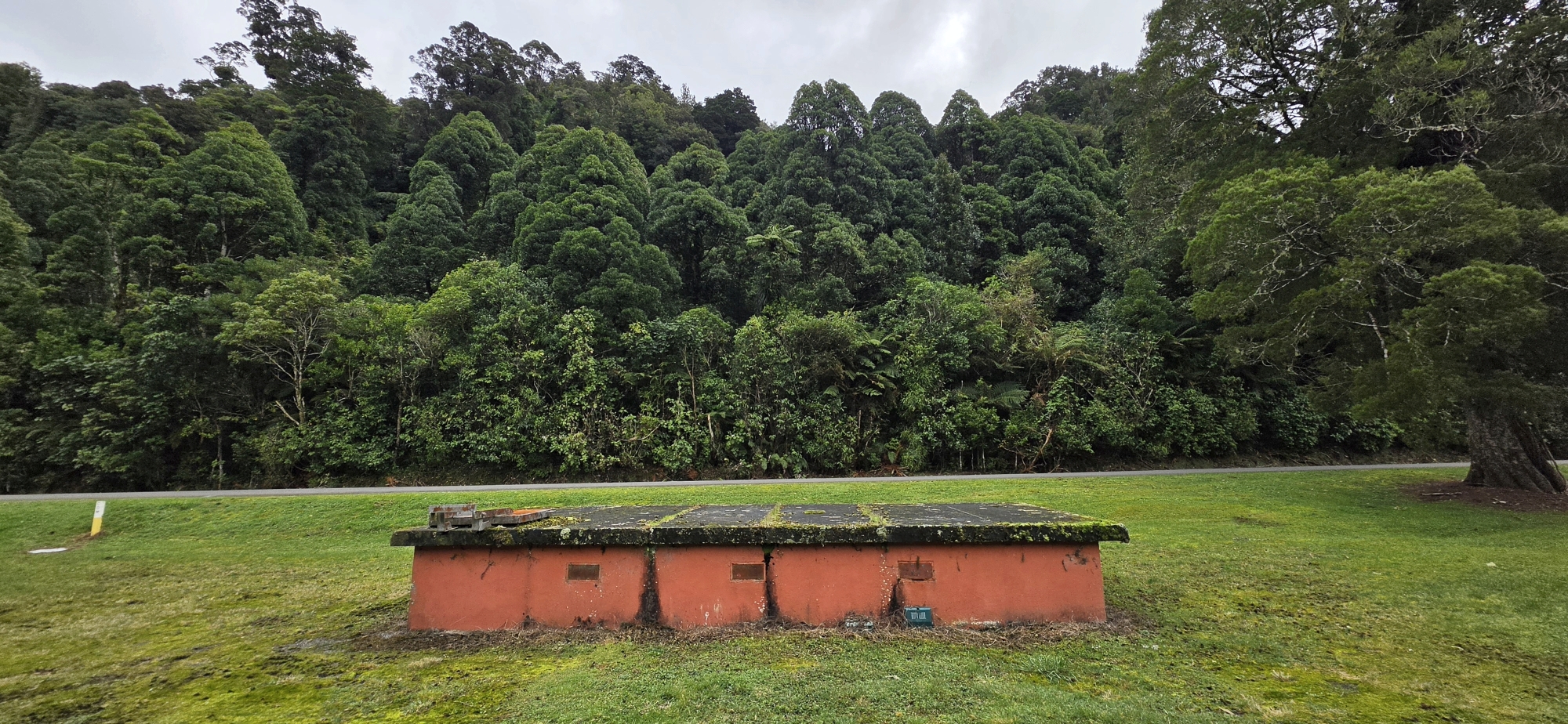
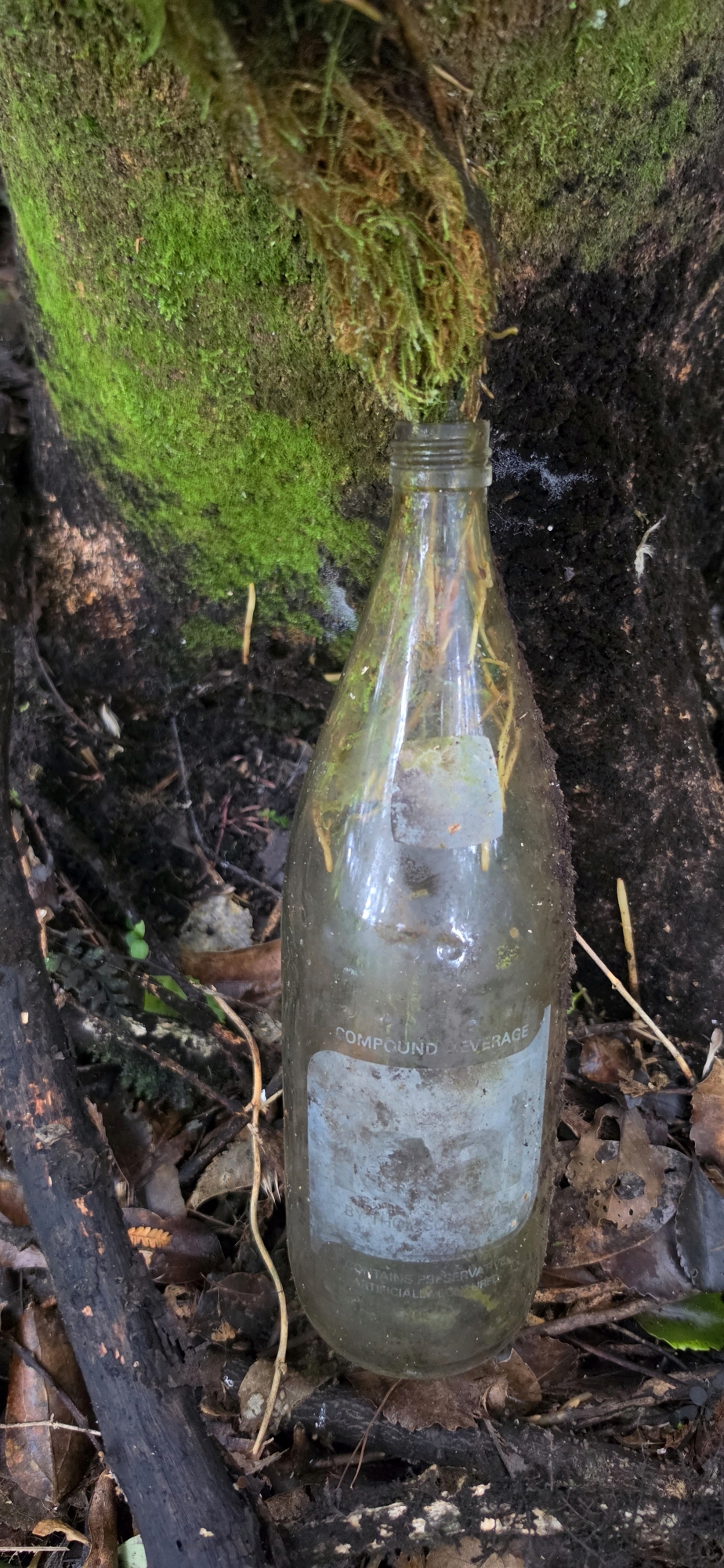 I then headed into the bush on the northern side of the road near the O-K Main Kinney Strainer Chamber and within the park boundary. I had never properly explored this particular area before. The forest appeared mature and may never have been heavily logged. Birdlife was abundant, but the terrain was demanding. The hillside was steep, the vegetation was dense and thick tangles of supplejack made progress slow and awkward. Apart from the beauty of the forest itself, the only human-made objects I discovered were a couple of old glass bottles as I headed in. One of the bottles I recognised from my childhood. It was a New Zealand soft drink called Teal that was popular in the 1970s and 80s.
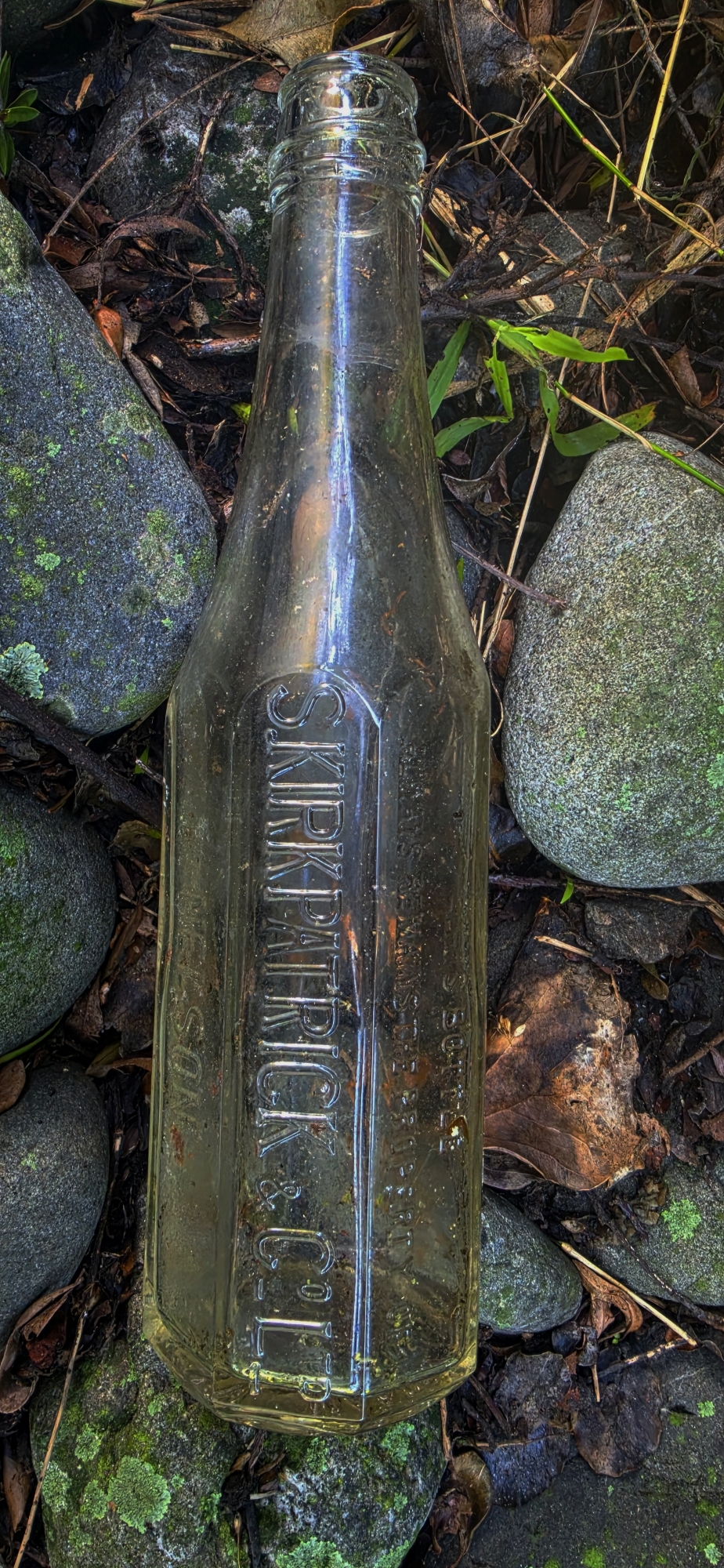 Another bottle I found was an embossed glass bottle made for S. Kirkpatrick & Co. of Nelson, a well-known New Zealand food-preserving company. The bottle was probably used for tomato sauce or a similar condiment and appears to date from around the 1920s to 1940s. According to some research I did, its crown-cap finish indicates that it was machine-made in the early twentieth century rather than a nineteenth-century bottle. This could date the bottle from around the time the Orongorongo pipeline was being constructed, particularly as it was found in the general vicinity of the pipeline works.
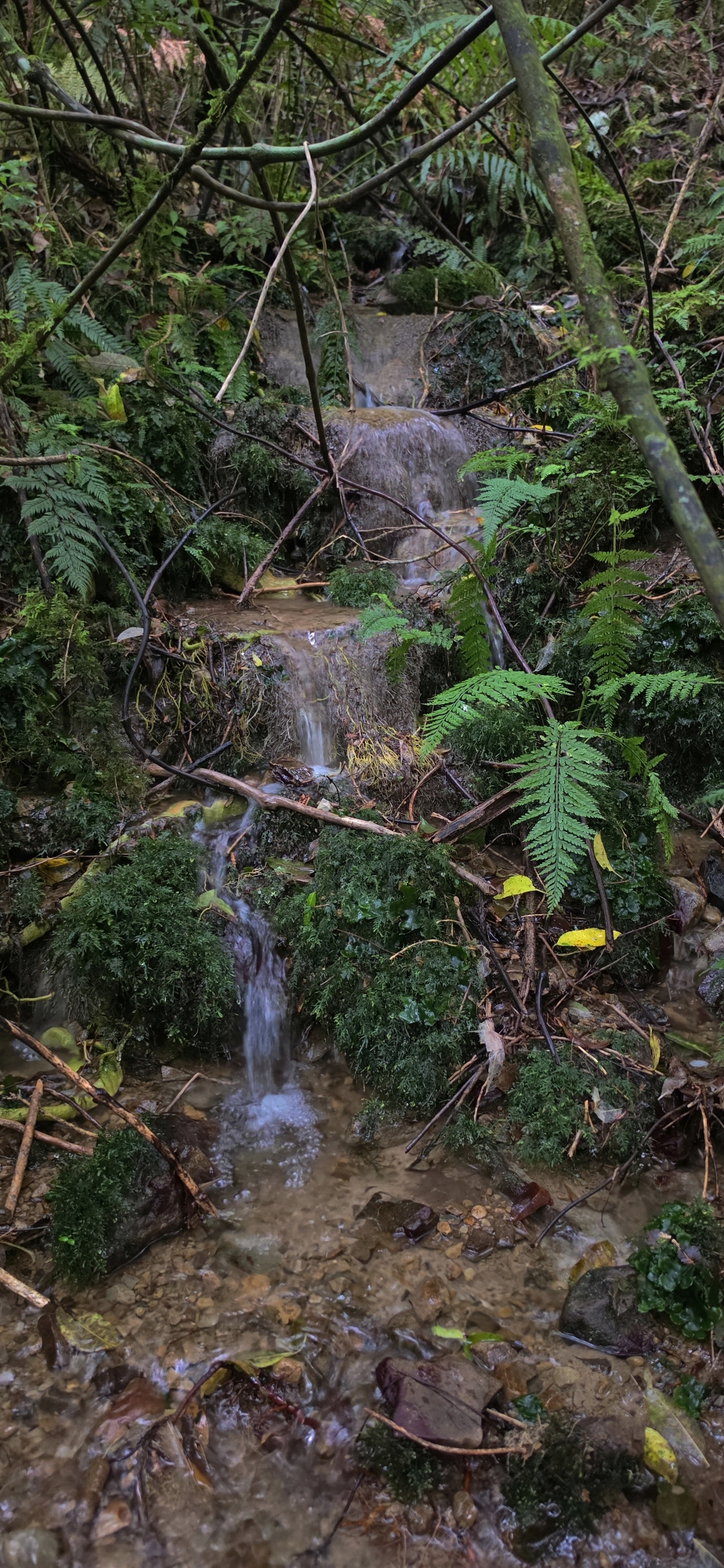
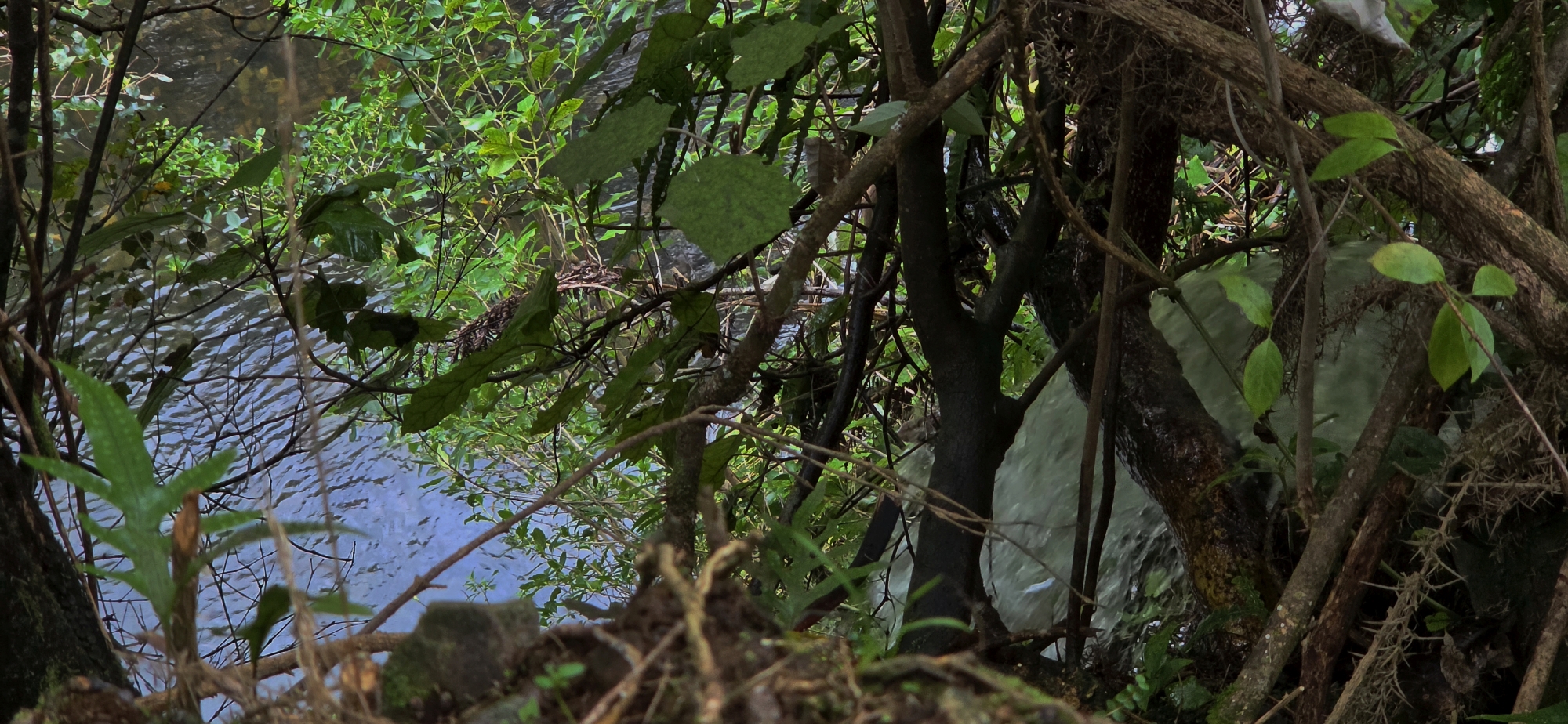
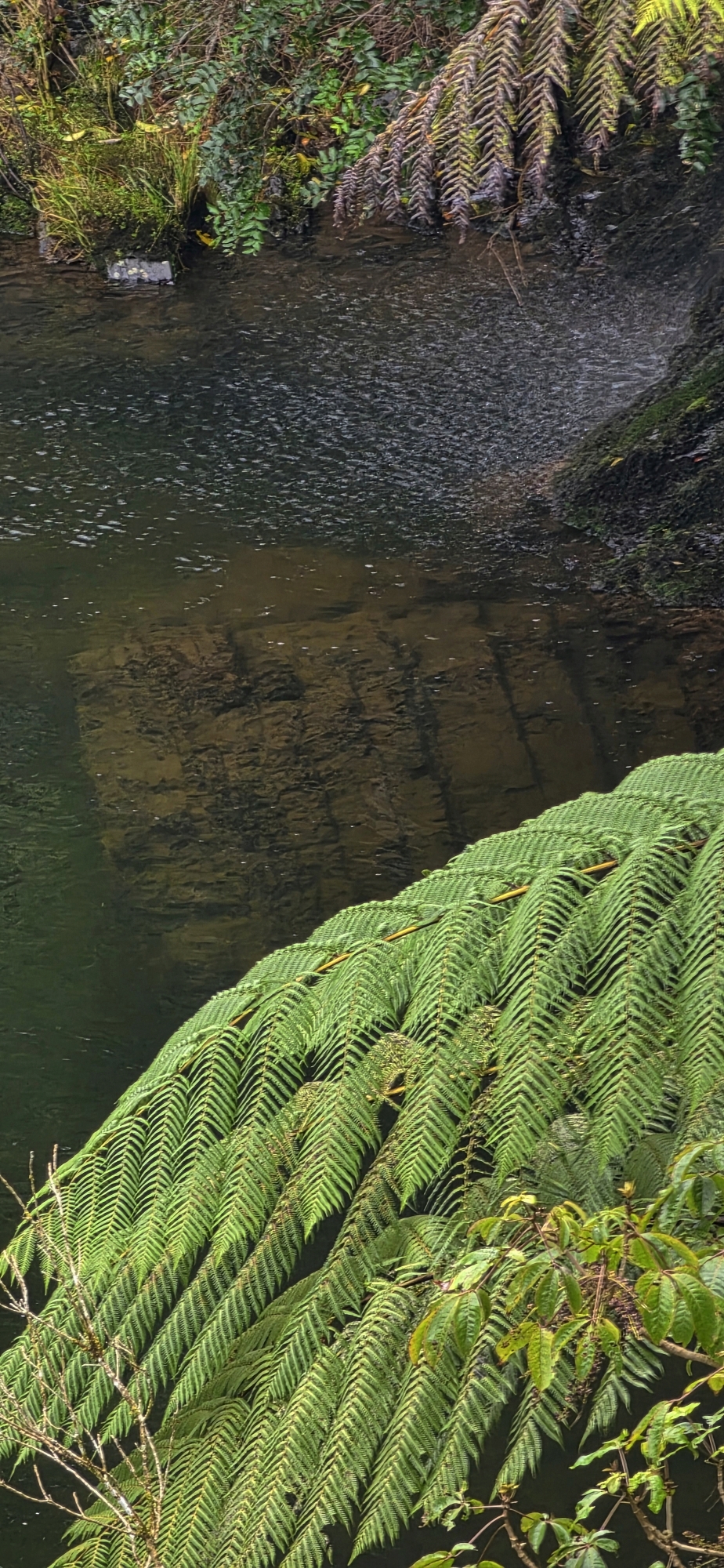 After returning to the road, I began making my way back, although the exploration was not quite over. I climbed a short bank beside the road to photograph the Wainuiomata River below. From this elevated position, I spotted an unusual rock formation just beneath the water’s surface, with what appeared to be a natural layer-like pattern. Nearby, a small waterfall emerged from the hillside, one I had never noticed before, although its source remained hidden behind dense vegetation.
Reaching it would not be easy. The bank was extremely steep, possibly approaching a near-vertical drop. I got closer to the waterfall and took several photographs of a pipe issuing water into the river. I then continued toward the Chlorine Plant and dropping into the bush below it.
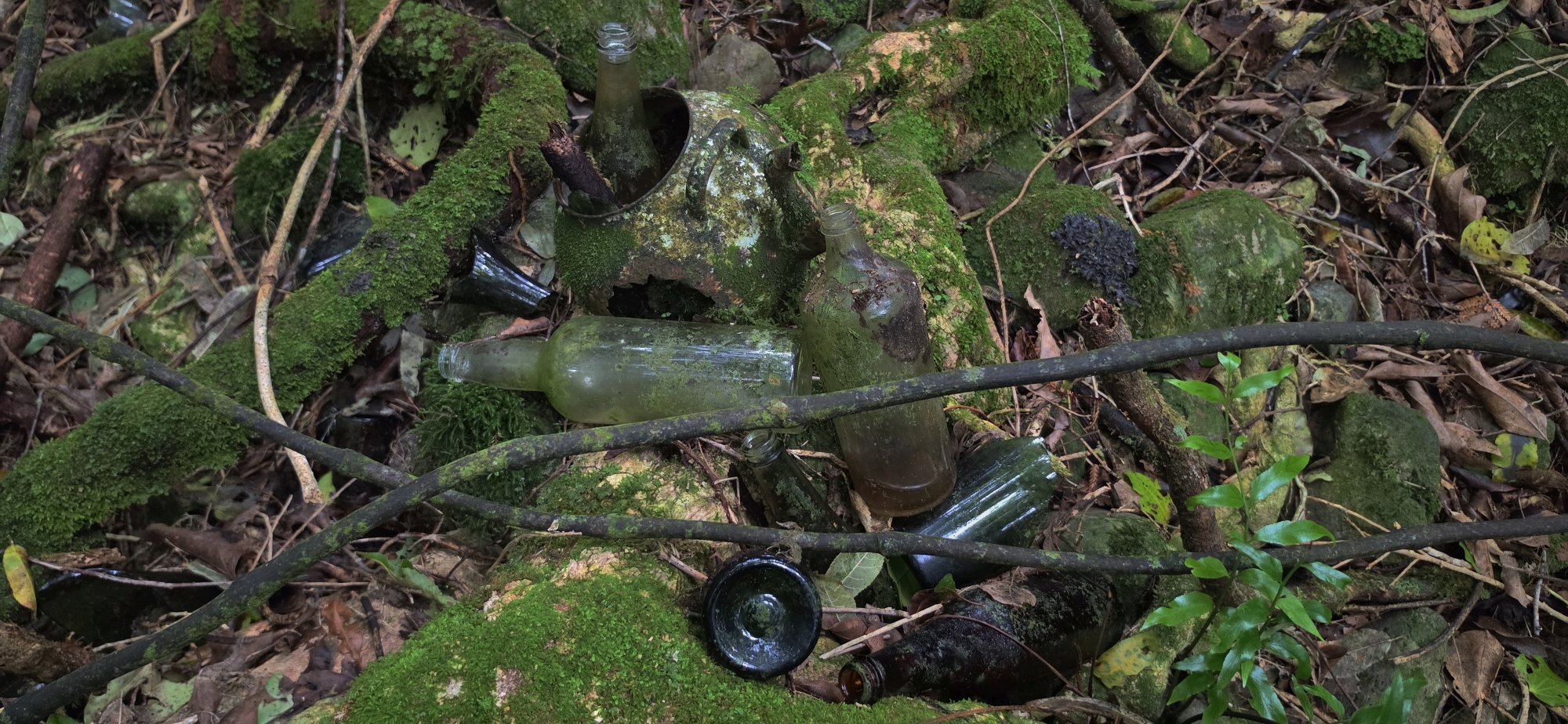 The river was too high to safely work my way back towards the rock formation I had seen earlier, so I decided to leave that for another day. Instead, I searched the surrounding bush and found numerous old bottles, along with pieces of building material that had been cast down the bank and come to rest among the trees.
I eventually climbed back to the road and continued towards the car park and looking down the bank for much of the return journey. I had explored most of this area below me in the past and have already found several interesting objects down there, but seeing it from above provided a different perspective and offered the possibility of spotting something I had previously missed.
Nothing of interest revealed itself on the walk back, so I returned to the car a little earlier than usual.
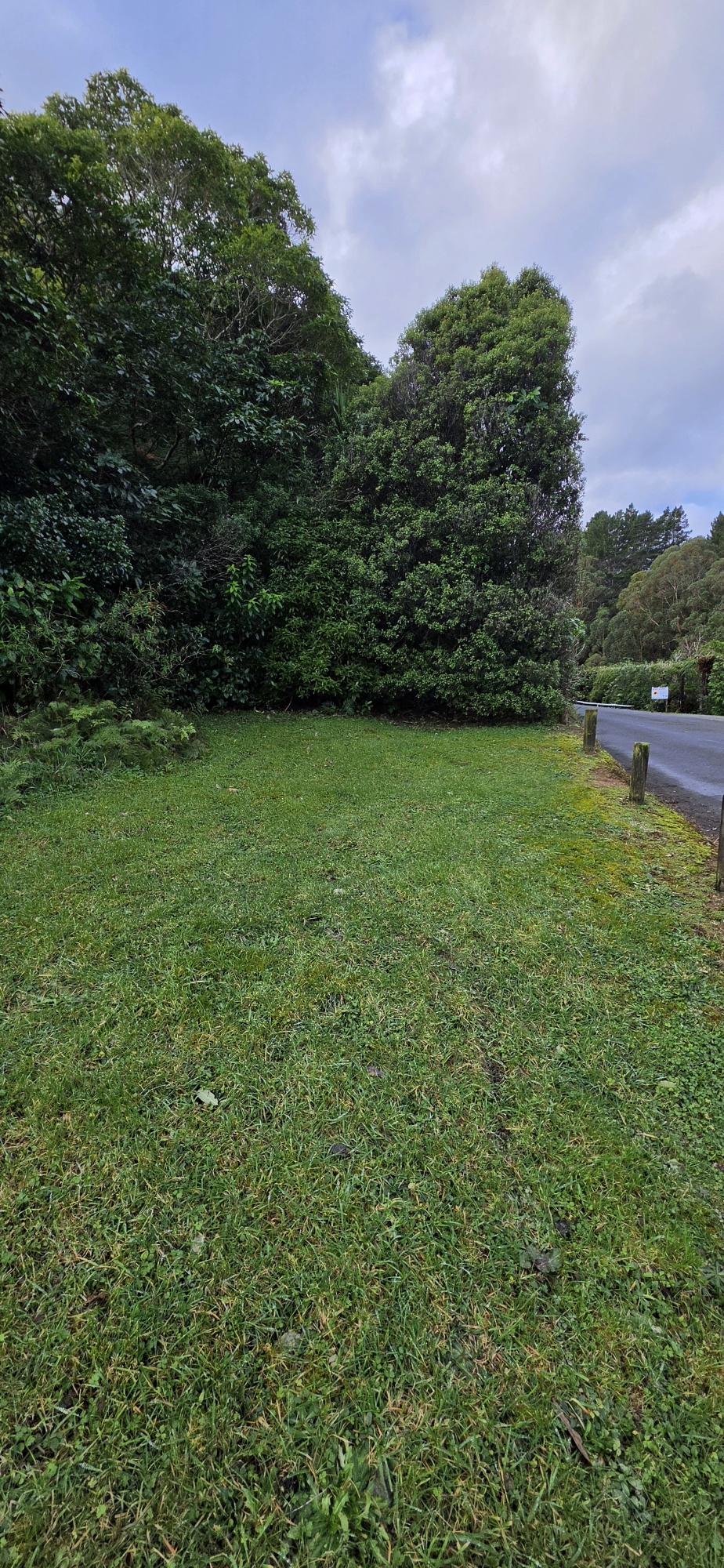
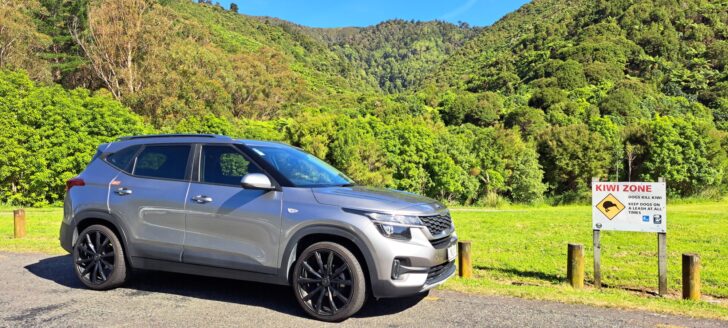
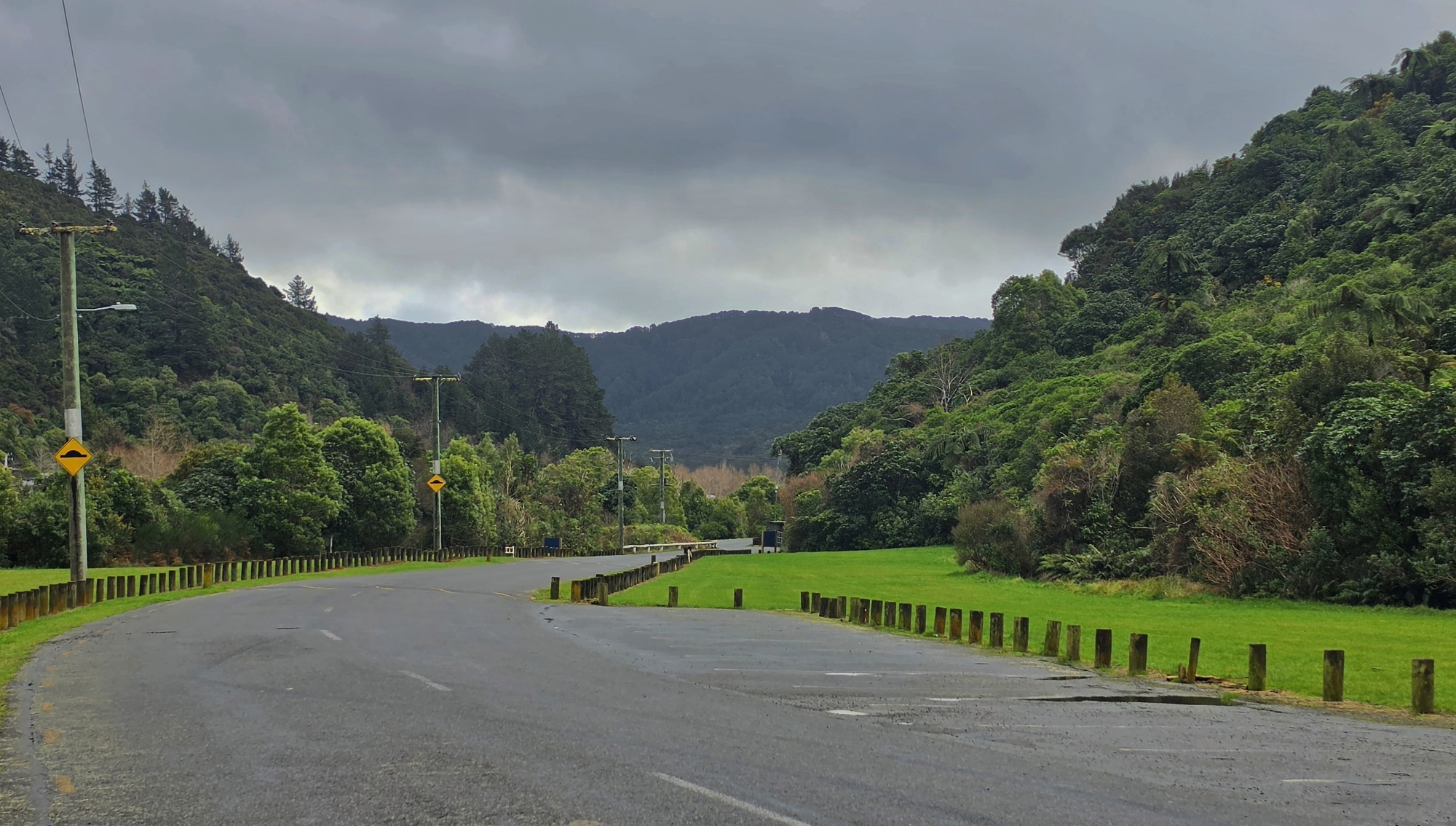 There was still one final task: taking a carefully framed photograph from the car park towards the western hills. I wanted to compare the modern view with an old photograph believed to have been taken in November 1909.
By positioning myself as accurately as possible and studying the shape of the distant ridgeline, I hoped to determine whether both photographs had been taken from roughly the same location. When viewed side by side, the contours and prominent features of the hills appear to align remarkably well, suggesting that the century-old photograph may indeed have been captured from this very spot.
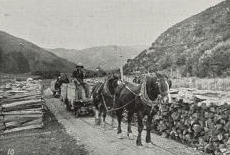 If that is correct, the old photograph could show part of the Sinclair Tramway. A newspaper report from 1883 advertised 50 tons of loose steel rails for sale, but this does not necessarily prove that the entire tramway had been dismantled. It may have remained in place or some sections of it, in order to provide transport to the dams.
The old photo was included in a montage pertaining to the construction of Solomon Nob Reservoir before it was christened Morton Dam upon completion.